Head and Neck Cancer Treatment: Surgery, Radiation, Chemotherapy and Follow-Up

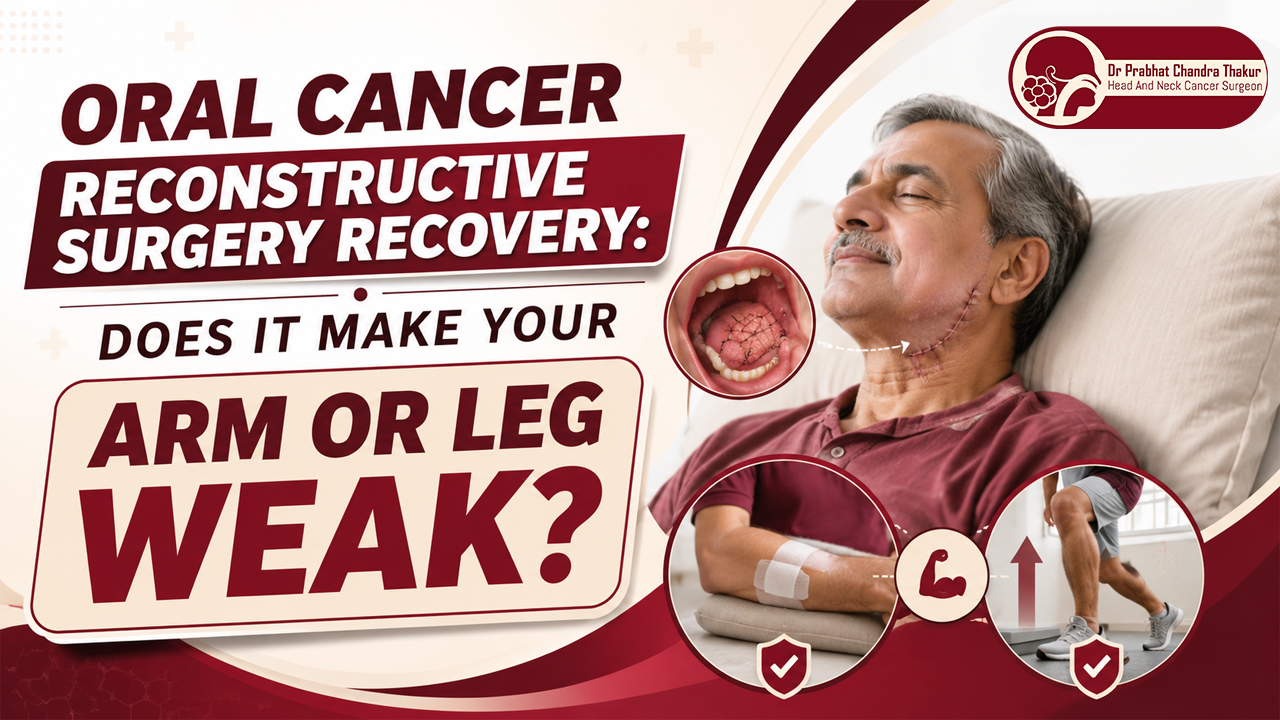
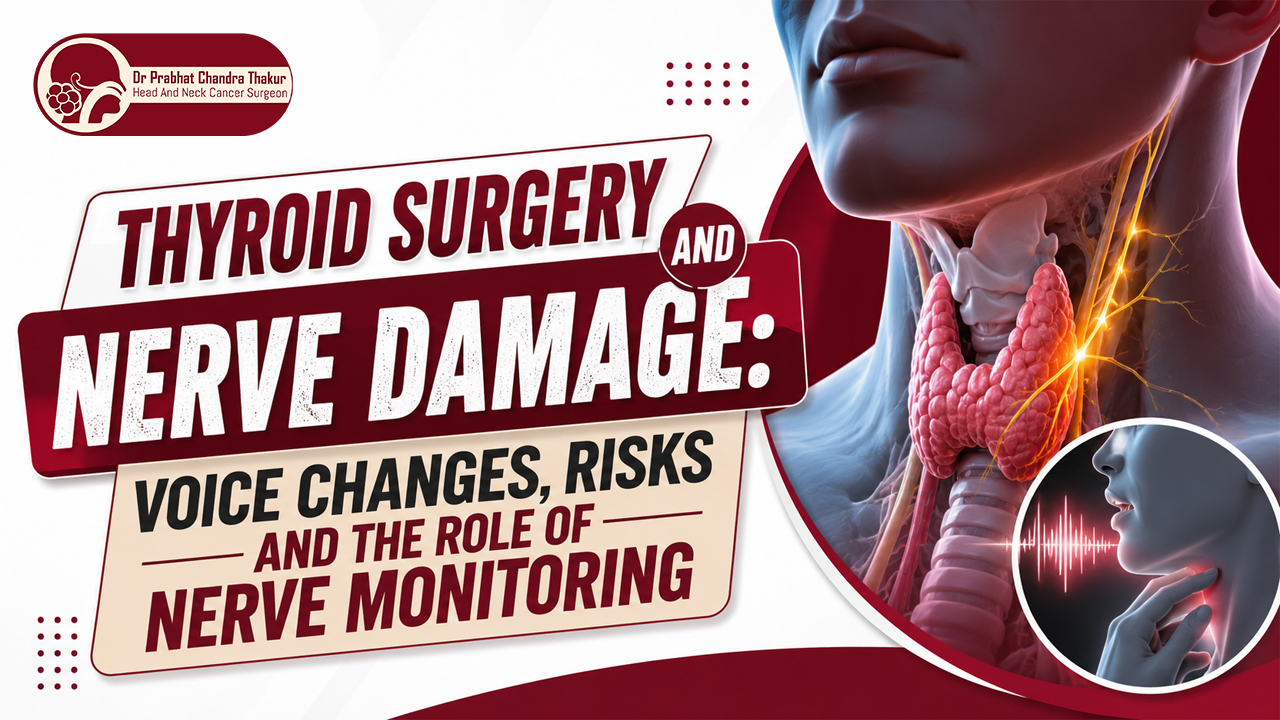
Head and neck cancer treatment is not the same for every patient. The most appropriate treatment depends on where the cancer started, how far it has spread, what the biopsy or pathology report shows, whether lymph nodes are involved, whether the tumor can be removed safely, and the patient’s overall health. Some patients need surgery. Others may be treated mainly with radiation therapy. For locally advanced cancers, chemotherapy may be given together with radiation. In some situations, surgery is followed by radiation therapy or chemoradiation based on the final pathology findings. The National Cancer Institute explains that head and neck cancers may be treated with surgery, radiation therapy, chemotherapy, targeted therapy, immunotherapy or a combination of treatments. This is why a diagnosis such as “Stage 3 head and neck cancer” does not, by itself, tell a patient exactly which treatment they need. What Is Head and Neck Cancer? Head and neck cancers are a group of cancers arising in areas including the mouth, throat, voice box, nose, sinuses and salivary glands. Many of these cancers begin in the squamous cells lining the moist surfaces of the head and neck and are known as head and neck squamous cell carcinomas. Important sites include the: Although the thyroid is anatomically located in the neck and is treated by many head-and-neck surgeons, thyroid cancer is biologically different and follows different treatment pathways. A thyroid cancer treatment plan should therefore not simply be copied from a treatment plan for oral, throat or laryngeal cancer. How Do Doctors Decide the Best Head and Neck Cancer Treatment? Five questions are particularly important. 1. Where did the cancer start? The exact location can completely change the treatment approach. A cancer on the tongue, for example, may be approached differently from one in the nasopharynx or larynx. 2. What stage is the cancer? Cancer staging describes the extent of disease, including the primary tumor, lymph-node involvement and whether it has spread to distant organs. Stage influences treatment, but it is not the only factor. 3. What does the biopsy or pathology report show? The biopsy confirms the diagnosis and helps identify the cancer type. After surgery, the final pathology report can provide additional information about margins, lymph nodes and other features that may affect whether further treatment is recommended. 4. Can the cancer be removed safely? Doctors consider whether surgery can remove the tumor adequately while also preserving important functions such as speaking, swallowing and breathing where possible. 5. Will additional treatment reduce the risk of recurrence? For some patients, surgery alone is sufficient. For others, the pathology findings indicate a need for postoperative radiation or combined chemotherapy and radiation. This is why treatment planning is often done by a multidisciplinary team involving head-and-neck surgeons, radiation oncologists, medical oncologists, radiologists, pathologists, dentists, nutrition specialists and speech or swallowing therapists. NCI recommends that people with these cancers have treatment planned by clinicians experienced in head-and-neck cancer care. Surgery for Head and Neck Cancer Surgery aims to remove the cancer with an adequate margin of healthy tissue when this can be achieved safely. The operation depends on the cancer’s location and extent. A patient may require removal of only the primary tumor, while another may need a larger operation that also includes nearby structures or lymph nodes in the neck. What Is a Neck Dissection? Head and neck cancers can spread to lymph nodes in the neck. When lymph nodes are known or considered likely to contain cancer, a surgeon may perform a neck dissection, which removes selected lymph nodes and surrounding tissues. The extent of a neck dissection varies according to where the cancer started and the pattern of lymph-node involvement. Reconstruction After Cancer Surgery Removing a large tumor can sometimes affect the tongue, jaw, throat, skin or other structures. Reconstructive surgery may therefore be performed during the same operation to help restore: Treatment success in head-and-neck oncology is not measured only by removing the cancer. Preserving or restoring function and quality of life is also an important part of treatment planning. NCI notes that surgery may affect chewing, swallowing or speaking, and that rehabilitation or reconstruction may be needed afterward. When Is Radiation Therapy Used? Radiation therapy uses high-energy radiation to damage cancer-cell DNA and prevent cancer cells from continuing to grow. It can be used in several different ways. Radiation as the Main Treatment Some head and neck cancers can be treated primarily with radiation. For certain cancers of the throat or voice box, radiation—sometimes combined with chemotherapy—may allow treatment without removing the affected organ. Radiation After Surgery Radiation given after surgery is called postoperative or adjuvant radiation therapy. Its purpose is to treat microscopic cancer cells that may remain even after all visible disease has been surgically removed. NCI confirms that radiation may be used after surgery to destroy remaining cancer cells. Modern Radiation Techniques Intensity-modulated radiation therapy, or IMRT, allows radiation doses to be shaped around the tumor while reducing exposure to some surrounding normal tissues. This is particularly important in the head and neck because the treatment area may lie close to the salivary glands, spinal cord, swallowing muscles and other important structures. What Is the Role of Chemotherapy? Chemotherapy uses anticancer medicines that circulate through the body. In head-and-neck cancer, chemotherapy may be used: One of its most important roles in locally advanced head-and-neck cancer is as part of chemoradiation, where chemotherapy and radiation are delivered during the same treatment period. Chemotherapy can make cancer cells more sensitive to radiation, although combined treatment can also increase side effects and is not appropriate for every patient. Does Every Patient Need Chemotherapy After Surgery? No. Chemotherapy after head-and-neck cancer surgery is not automatically required. The decision depends on factors such as: Some patients may need no additional treatment after surgery. Some may need postoperative radiation alone. Others may need radiation together with chemotherapy. For locally advanced oropharyngeal cancer, NCI describes postoperative radiation with or without chemotherapy depending on pathological findings. This is why the … Read more