Types of Thyroid Cancer

Types of Thyroid cancer

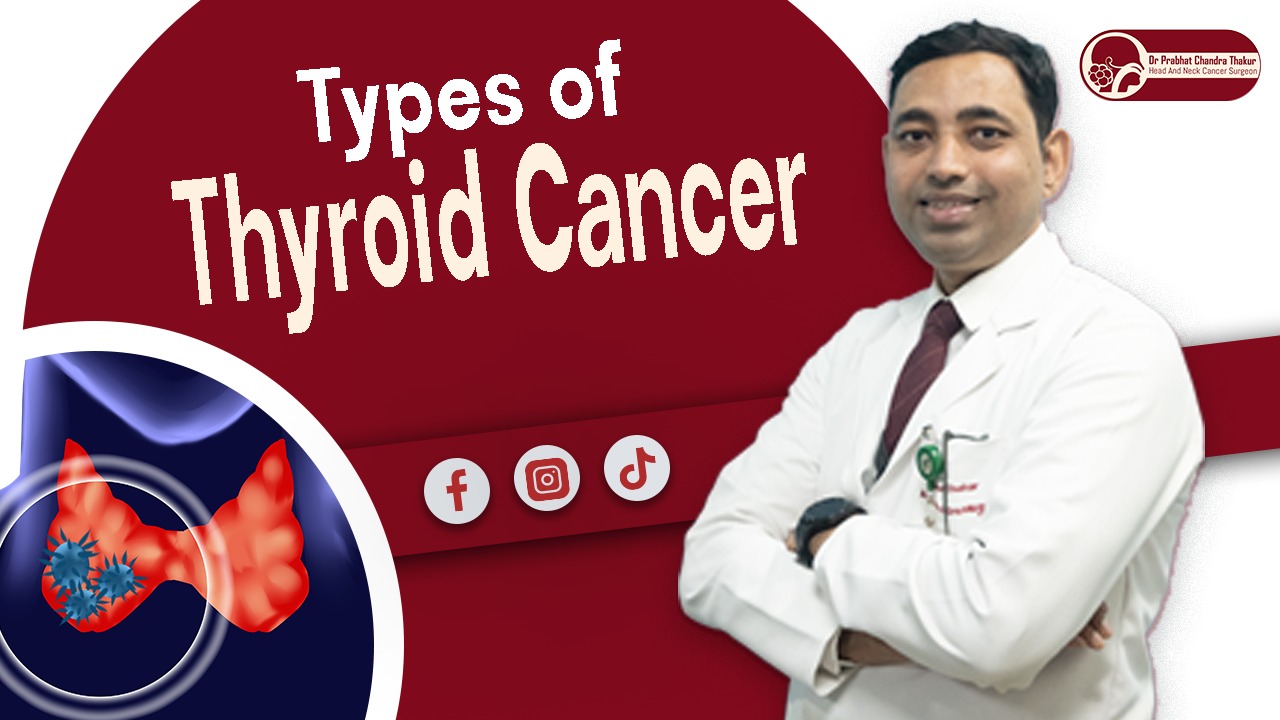
Second, only to ovarian carcinoma, thyroid carcinoma is the most common endocrine cancer that results in death. Thyroid cancer is now on the rise at a rate faster than any other type of cancer. Therefore, this article aims to discuss the commonness of thyroid malignancies among types of thyroid cancer. Thyroid cancer is one of the most common cancers among all cancer in the context of Nepal. According to data from Kathmandu Post, 2019, it has a 10-year survival rate in more than 90% of patients after treatment, making it one of the relatively better cancers to get. The thyroid gland can be affected by a variety of cancers, which are categorized according to their similarity to normal thyroid cells under a microscope (differentiated vs. undifferentiated) and the type of cell they originate from. Thyroid cancer can be one of four main types: The differentiated (papillary or follicular) form of thyroid cancer accounts for more than 80% of patients and has a 97% cure rate. However, in uncommon cases, thyroid disease is aggressive and spreads quickly or returns. A subset of patients may also have a form that does not respond well to treatment with radioactive iodine. Papillary thyroid cancer Papillary carcinomas are differentiated, slow-growing cancers that originate in follicular cells and can spread to one or both thyroid lobes. This is the most prevalent form of thyroid cancer i.e., 75 % overall, affecting women between the ages of 40 and 50 in approximately 80% of cases. This kind of cancer can spread to lymph nodes in the neck that are nearby, but it is generally treatable and has a good prognosis (a good chance of survival). The differentiated form is present in more than 90% of thyroid cancer patients. According to the American Cancer Society, the good news is that this kind of thyroid cancer has a very high survival rate i.e., 98% for women and 93 % for men. Follicular thyroid cancer As per the data from Medscape, Follicular carcinoma, also known as follicular thyroid cancer, is the second most common thyroid cancer in women (15%) and typically occurs between the ages of 40 and 60 and is responsible for about one in ten cases. It occurs more frequently in nations where iodine intake in the diet is low. Despite being slightly more aggressive than papillary cancer, it is associated with a favorable prognosis in the majority of cases. Follicular carcinomas are more likely to spread than papillary cancers via hematogenous spread to other organs, such as the lungs or the bones, but they rarely spread to nearby lymph nodes. Medullary thyroid cancer As opposed to papillary or follicular cancers, medullary thyroid cancer, also known as medullary thyroid carcinoma, is more aggressive and less differentiated. These develop in parafollicular cells (C-cells, which are derived from neural crest cells) and account for approximately 3% of thyroid cancers. As a result, they raise calcitonin levels and are associated with MEN 2 syndrome (both 2a and 2b) in 20% of cases data from TeachMeSurgery. The medullary subtype of thyroid cancer will account for about 4% of all cases. Compared to more differentiated thyroid cancers, these cancers are more likely to spread to lymph nodes and other organs. Thyroid blood tests can also detect high levels of calcitonin and carcinoembryonic antigen (CEA) that they frequently release. Both lymphatic and medullary routes can spread medullary carcinoma; Sadly, the prognosis for the nodal disease is extremely poor. MTC is known to be of two types: 1.         Sporadic (80% of cases, frequently in more seasoned grown-ups) 2.         Familial (usually present in early adulthood or childhood). This type spreads all the more quickly. The gene that causes familial MTC can be found through a blood test. Genetic testing is something you should inquire about with your doctor if you have a family history of thyroid cancer. Anaplastic thyroid cancer Anaplastic thyroid cancer is deadliest types of thyroid cancer. The most undifferentiated form of thyroid cancer, also known as anaplastic thyroid carcinoma, resembles the thyroid gland’s normal cells in the least. They will generally develop quickly with early neighborhood attacks and frequently spread when shown. The prognosis is poor and treatment is frequently steady. It is a rare form of thyroid cancer that affects about 2% of thyroid cancer cases. These uncommon tumors, which cause 5% of thyroid cancers, typically affect the elderly and are extremely aggressive. Hürthle cell thyroid cancer Hurthle cell growths are a variation of follicular neoplasms wherein oxyphil cells prevail, an intriguing thyroid disease. About 3% of all thyroid cancers are caused by this subtype of follicular carcinoma. They will quite often develop and spread all the more rapidly. There are additionally a few intriguing (2-4% of cases) sub-types called: Columnar, Tall Cell, Separate, Diffuse Sclerosis, and Hürthle Cell carcinoma (otherwise called Oxyphil Cell Carcinoma). Other forms Thyroid sarcoma and thyroid lymphoma are two other extremely uncommon types. Only 1% to 2% of all thyroid cancers are caused by thyroid lymphomas. They typically affect people over the age of 60. They may develop B-cell symptoms and compressive signs at a rapid rate. NOTE: Patients with thyroid cancer generally have an excellent prognosis, even those with aggressive forms. Best Oral Cancer, Thyroid Cancer, Head and Neck Cancer Surgeon in Nepal Dr. Prabhat Chandra Thakur Designation: Consultant & Unit Chief/Program Director Head & Neck Oncology Qualification: MBBS, MS(ORL-HNS), Fellowship Head & Neck Oncology Department: Head and Neck Oncology Unit Special interest: Reconstructive surgery and Minimal Invasive surgery in Head & Neck Contact Now

Throat Cancer

Symptoms and causes of throat cancer

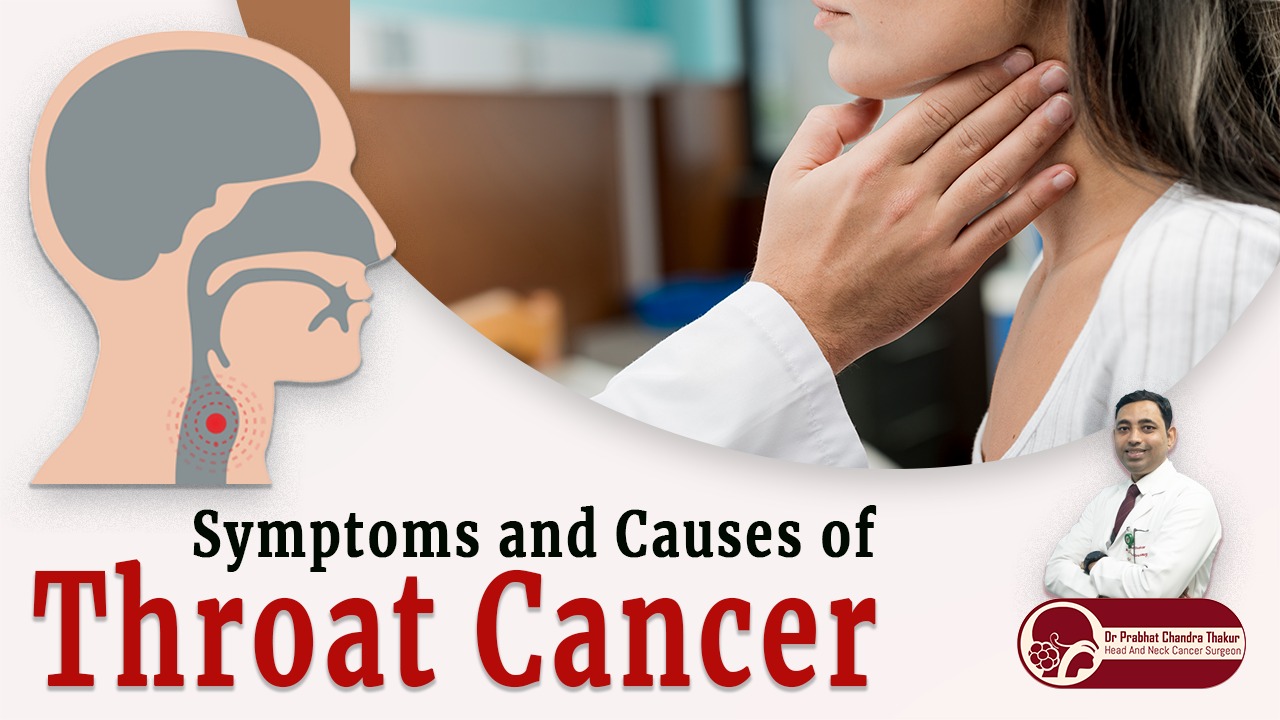
Overview: In this article, I will discuss detail information about Throat cancer so you can easily understand symptoms and prevention without any help of doctor. In the case of throat cancer, it usually develops in the larynx, vocal cords, tonsils, or pharynx. These cancers may be identified more in people who have been exposed to toxins such as cigarettes, smoke, and asbestos. This article here entails the causes of throat cancer together with the diagnosis and prevention that you can practice to eliminate or reduce its possibility to occur. What is throat cancer when the cells in your throat undergo genetic changes, these mutations allow cells to proliferate uncontrollably and remain alive even after healthy cells normally die. These collecting cells in your throat can create cancerous growth ensuing throat cancer. It is a generic term for cancers that occur in the throat (pharyngeal cancer) or the voice box. (laryngeal cancer). Though, It is relatively uncommon compared with other cancer as per the article Causes, Symptoms, and Diagnosis (healthline.com) The muscular tube that begins behind your nose and ends in your neck has two main areas that doctors call the pharynx and head & neck cancer. These areas are one of the main parts that have the highest risk of cancer. In addition, a voice box that sits just below your throat also is susceptible to throat cancer. Causes The cause of throat cancer, yet, is not clear but there are risk factors that may increase your risk of developing one: •           Tobacco use, including smoking and biting tobacco •           Over-the-top liquor use •           Viral contaminations, including human papillomavirus (HPV) and Epstein-Barr infection •           A diet lacking in fruits and vegetables •           Gastroesophageal reflux infection (GERD) •           Exposed to poisonous substances Signs and symptoms of throat cancer The signs and symptoms of throat cancer often resemble those conditions that are much less serious. In the early stages of the disease, it may be difficult to recognize the symptoms. Because Many of the symptoms of it, such as a sore throat or hoarseness, are the same as those of a head cold as throat cancer is a type of head and neck cancer. Early detection signs A persistent sore throat you are experiencing might be the most common early warning sign of it. If the sore throat lasts for more than two weeks, you ought to see a doctor immediately. According to the American Cancer Society, sore throat that lasts for more than two weeks can cause serious conditions. Advanced symptoms Numerous symptoms are shared by the three main types of throat cancer: hypopharyngeal cancer, laryngeal cancer, and oropharyngeal cancer, which includes oral cancers as well.  Nevertheless, much malignant growth of throat cancer doesn’t foster in the beginning phases of the disease. Some signs and symptoms include: If you notice any new, persistent signs and symptoms it is important to make an appointment with your doctor. Because the majority of symptoms of are not specific to the disease, your doctor will probably first diagnose, and provide you required medication, and tests with typical causes. Diagnosis of throat cancer Your doctor will want to know about your symptoms as well as your medical history. They may suspect cancer in some portion of the throat if you’ve been having symptoms such as a painful throat, hoarseness, and chronic cough with no improvement and no apparent reason. To ensure throat cancer, your doctor will do a direct or indirect laryngoscopy to determine the condition of your throat and the extent of cancer growth. What after the diagnosis If your doctor discovers malignant cells in your throat, the doctor will conduct additional tests to find out the stage of your cancer. The most basic method of staging throat tumors uses a number system ranging from 0 to 4. Depending on where and which part of the throat is the tumor in or the array of its spread in the area. This will help the doctor determine the best treatment options for you. Prevention: There is no quite such method to prevent this cancer but you can lower your risk by: By quitting smoking, you can lower your risk of contracting diseases. The most significant factor in throat cancers is smoking. Additionally, it notably increases tobacco smoke’s capacity to cause cancer. So, keeping away from liquor as well as smoking is particularly substantial for your health. Laryngeal and hypopharyngeal cancers have been linked to malnutrition, excess weight, and vitamin deficiencies. Following a good dieting example might assist you with reducing the risk of these tumors. “The American Cancer Society says that eating a healthy diet is better than adding vitamins to a diet that is otherwise unhealthy”. Together with reducing the amount of added fat, sugar, and highly processed, increasing your regular exercise can be beneficial. Oral sex and multiple sex partners are more likely to be infected with the human papillomavirus (HPV). Individuals who smoke are bound to get HPV contaminations, presumably because the smoke harms their immune system or the cells that line the throat. If you want to lower your chances of getting an oral HPV infection, talk to your doctor about getting the HPV vaccine. Treatment: The treatment of this cancer includes a various number of specialists such as: The oncologist, radiation oncologist, pathologist, and anesthesiologist. Moreover, your treatments will include surgery, radiation therapy (radiotherapy), chemotherapy, or a combination of these depending on the stage and type of cancer. Best Oral Cancer, Thyroid Cancer, Head and Neck Cancer Surgeon in Nepal Dr. Prabhat Chandra Thakur Designation: Consultant & Unit Chief/Program Director Head & Neck Oncology Qualification: MBBS, MS(ORL-HNS), Fellowship Head & Neck Oncology Department: Head and Neck Oncology Unit Special interest: Reconstructive surgery and Minimal Invasive surgery in Head & Neck Contact Now
Head & Neck Cancer Doctor in Nepal

Head and Neck Cancer Doctor in Nepal

In this article, I will discuss with you how to find head & neck cancer doctor in Nepal and Which qualities should have to be the best cancer doctor. so, let’s start. An oncologist is also known as a cancer expert. An oncologist is a doctor who treats cancer and gives medical care to cancer patients. Some doctors in large cancer centers only treat patients with particular types of cancer. You might be able to find an oncologist who focuses on treating head and neck, breast, prostate, lung, colorectal, or other types of cancer, for example. This is especially useful if you have an uncommon or difficult-to-treat cancer. Think about the qualities you want your doctor to have before you start searching for one. Qualities of the best head & neck cancer doctor Certain suggestions are given below to differentiate the best head and neck cancer doctor based on qualities such as choice; what you would like your doctor to have or the type of cancer you have (medical needs); and what you expect. Aside from these qualities, the doctor should have the following: • Knowledge and expertise • Communication skills • Willingness to answer questions • Availability and accessibility • Care approach based on collaboration Why is it essential for a doctor to have these attributes? Doctors make patients feel at ease and relaxed, listen to their concerns, and explain complex medical ideas in layman’s terms. It is also advantageous to be able to work as part of a team and to listen to various points of view from the patient’s perspective. Understanding the qualities mentioned above and having such qualities in a doctor demonstrates the doctor’s capability and success rate. For instance, Dr. Prabhat Chandra Thakur brings his expertise in Remote access Endoscopic Thyroid & Neck surgery, Endoscopic skull base surgery, and Reconstruction in the Head & Neck at Nepal Cancer Hospital & Research Center, Harisiddhi, Lalitpur. He also has received the GOLD MEDAL AWARD for the best outgoing resident in PGI CHANDIGARH, INDIA. In addition to his Experience in  More Than 5000 Major & Minor Head And Neck Cancer Surgery Along With Reconstruction. The Pioneer Of Scarless Thyroid Surgery (Endoscopic Thyroidectomy) In Nepal, A Procedure Performed At Only A Few Centers In The World. These attributes define him as the best doctor in this sector of head and neck cancer. How to find the best doctor for head and neck cancer You can consider these following steps: Research: To achieve a better result, research must be conducted before any implementation. Making up your mind about what you need and what you should have is possible with the aid of research. Researching cancer, the type of cancer, and the service you require will help you understand the need for searching for a doctor. Get started by conducting an extensive study on head and neck cancer, including its types, stages, treatment options, and potential specialists. Seek out credible sources, such as medical websites and cancer groups. Credentials: Look for cancer specialists, oral surgeons (ear, nose, and throat specialists), and head and neck surgeons who are board-certified. Examine their educational history, training, certifications, and years of expertise in treating head and neck cancer. According to Advanced Data Systems Corporation, medical credentialing verifies that nurses and doctors have received appropriate training and certification, as well as the necessary professional experience to provide healthcare services to patients. It is a critical component of maintaining good safety standards in the medical profession. Experience: Consider doctors with extensive expertise in managing head and neck cancer cases, as they may have a better grasp of the disease and better treatment outcomes. To make a choice a doctor’s work experience should provide you with an understanding of what a Doctor does, how to work in a team in a caring environment, and an understanding of the skills and traits required of a Doctor to have expertise in head and neck cancer. Like, Dr. Prabhat, his engagement his experience, and his knowledge of disease and its cure make him more familiar with the circumstances, and is considered the preferred choice as the best head and neck doctor. Referrals: It necessitates the patient’s trust in a doctor, which is not simple to come by: especially when dealing with a patient’s health. Patients are usually referred to a specialist by their general care physician or a hospital doctor. Although Patient to Patient referrals are much less prevalent, they should still be discussed. Patients facing certain health problems may speak with a friend or family member who is also dealing with a similar problem. In such cases, qualification expertise and experience are more prominent. Communication thereby increases personal preferences as well as referrals amongst family and friends circle. Communication:  Look for feedback from clients and testimonials about the doctors you’re thinking about seeing. These can reveal information about their counseling manner, communication abilities, and general patient satisfaction. Examine reputable online review websites or request referrals from previous patients and doctors. Nonetheless, Active listening and sensitivity go hand in hand when it comes to patients. Being a cancer doctor is a necessary component for better health outcomes, and it is one of the most important aspects because patients frequently regard doctors as a source of mental support. Personal preferences: Doctors and other professionals should improve their communication skills for a variety of reasons, including • the ability to successfully engage with a “difficult” patient; • adjusting for language barriers such as accents or colloquial expressions; and • presenting diagnosis and/or treatment options. • Providing a positive patient experience and a higher level of satisfaction • Improving patient adherence to medications or treatments • Demonstrating empathy for patients/patient care • Gaining a clear grasp of patient needs or medical issues Furthermore, the survivor and the service that the patients receive, determine the preference. While preference is also influenced by availability, accessibility, sort of cancer references, and affordability as well. Various treatment options are available depending on the type of cancer; however, … Read more