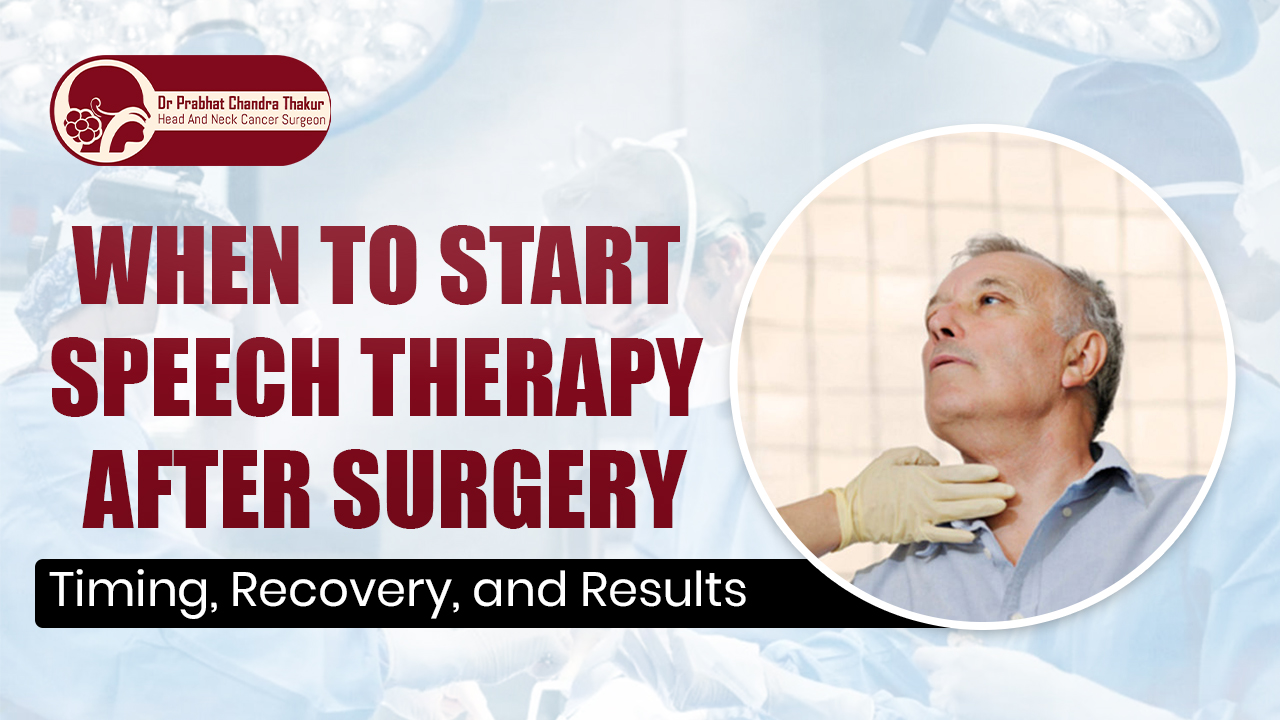
When to Start Speech Therapy After Surgery: Timing, Recovery, and Results

Speech Therapy After Surgery

Thyroid surgery is a life-saving procedure for thousands, yet it often leaves patients with a lingering concern: “Will my voice ever be the same?” Whether it is a total thyroidectomy or a lobectomy, the impact on speech and swallowing can be profound. Understanding the optimal window to begin speech therapy after surgery is not just about recovery; it is about preventing permanent changes to your quality of life. In the landscape of oncology and endocrine surgery in 2026, we have moved beyond the “wait and see” approach. Modern evidence suggests that early intervention is the gold standard for restoring vocal function. For those seeking specialized care, consulting a Thyroid cancer specialist in Nepal like Dr. Prabhat Chandra Thakur ensures that your post-operative rehabilitation is as precise as the surgery itself. The Science of Post-Surgical Voice Changes To understand the “when,” we must first understand the “why.” During thyroid surgery, the delicate laryngeal nerves the Recurrent Laryngeal Nerve (RLN) and the External Branch of the Superior Laryngeal Nerve (EBSLN) are at risk. These nerves control the opening and closing of your vocal folds and your ability to reach high pitches. 1. Nerve Injury vs. Post-Thyroidectomy Syndrome (PTS) Not all voice changes are due to nerve damage. Many patients experience what is known as Post-Thyroidectomy Syndrome (PTS). This occurs even when the nerves are perfectly preserved. 2. The Statistics of Recovery Research indicates that up to 87% of patients report subjective voice problems immediately after an uncomplicated thyroidectomy. While many recover naturally within six months, a significant portion faces persistent issues without professional help. This is why a Thyroid doctor in Nepal often recommends a baseline voice assessment before the surgery even begins. When to Start Speech Therapy: The 1-2 Week Window The most critical decision in your recovery journey is the timing of your first speech therapy session. Traditional medical advice often suggested waiting 3 to 6 months to see if the voice would “return on its own.” However, 2026 clinical guidelines have shifted drastically toward Early Onset Voice Therapy. Why “Early” Means Better Outcomes Current studies show that patients who start speech therapy within 1 to 2 weeks of surgery experience significantly better results than those who wait longer than a month. Expert Insights from Nepal’s Leading Specialist Navigating thyroid cancer requires more than just surgical skill; it requires a comprehensive rehabilitation plan. Dr. Prabhat Chandra Thakur, a prominent Thyroid cancer surgeon in Nepal, emphasizes that the surgery is only the first half of the battle. As a fellowship-trained expert from the International Federation of Head & Neck Oncology Society (IFHNOS) and MS from PGI Chandigarh, Dr. Thakur integrates speech pathology into his surgical follow-up. He advocates for a “Human-First” approach, where the patient’s ability to communicate is prioritized alongside the removal of the tumor. If you are looking for a Thyroid cancer specialist in Nepal, having a surgeon who understands the nuances of the laryngeal nerves can make the difference between a temporary hoarseness and a permanent disability. Comparative Recovery: Early vs. Delayed Therapy The following table summarizes the differences in recovery outcomes based on when speech therapy is initiated. Metric Early Therapy (1–2 Weeks) Delayed Therapy (>1 Month) Glottic Closure Significant improvement in 85% of cases Slower, often incomplete closure Muscle Atrophy Minimal due to early stimulation Higher risk of permanent muscle thinning Vocal Fatigue Resolves within 2–3 months Can persist for 1–2 years Swallowing (Dysphagia) Rapid return to solid foods Higher risk of aspiration/choking Psychological Impact Lower anxiety, higher confidence Higher rates of social withdrawal Recovery Milestones: What to Expect Phase 1: Days 1–7 (The Immediate Post-Op) The goal here is vocal hygiene. Avoid whispering (which strains the voice) and stay hydrated. A Thyroid doctor in Nepal will usually check your vocal fold mobility via laryngoscopy during this week. Phase 2: Weeks 2–4 (Direct Intervention) This is when direct speech therapy begins. Techniques such as “resonant voice therapy” and “lip trills” are used to reduce tension and improve the “Maximum Phonation Time” (MPT). Phase 3: Months 2–6 (Refinement) If nerve damage was present, this phase focuses on “compensation techniques,” helping the healthy vocal fold move across the midline to meet the paralyzed one, ensuring a clear, strong voice. Essential Exercises for Cancer Prevention and Recovery While the focus is on Speech Therapy After Surgery, the health of the entire neck region is vital. Medical Review Note: This content has been reviewed for clinical accuracy regarding thyroid surgical recovery. Always consult with your primary surgeon, such as a Thyroid cancer surgeon in Nepal, before starting any physical exercise or speech regimen post-surgery. FAQ: Speech Therapy After Thyroid Surgery 1. Is it normal to have a hoarse voice after thyroid surgery? Yes. Up to 80% of patients experience temporary hoarseness due to inflammation, the breathing tube used during anesthesia, or surgical manipulation of the larynx. 2. Can speech therapy help if my nerve was permanently damaged? Absolutely. Speech-language pathologists use specific “medialization” exercises that help the functioning vocal fold compensate for the paralyzed one, significantly improving voice volume and clarity. 3. What happens if I wait too long to start therapy? Waiting can lead to permanent muscle atrophy in the vocal folds and the development of painful compensatory habits where you use your throat muscles incorrectly to produce sound. 4. Who is the best thyroid doctor in Nepal for voice issues? For comprehensive care involving both advanced surgical techniques and rehabilitation, Dr. Prabhat Chandra Thakur at Nepal Cancer Hospital is widely considered a leading Thyroid cancer specialist in Nepal. Conclusion: Reclaiming Your Voice The journey through thyroid cancer surgery is often overshadowed by the fear of the diagnosis, but the recovery of your voice is what determines your daily happiness post-cancer. Starting Speech Therapy After Surgery within the first two weeks is the most effective way to ensure a full and rapid recovery. By choosing an expert like Dr. Prabhat Chandra Thakur, patients in Nepal have access to world-class surgical precision and a holistic view of recovery. Your … Read more

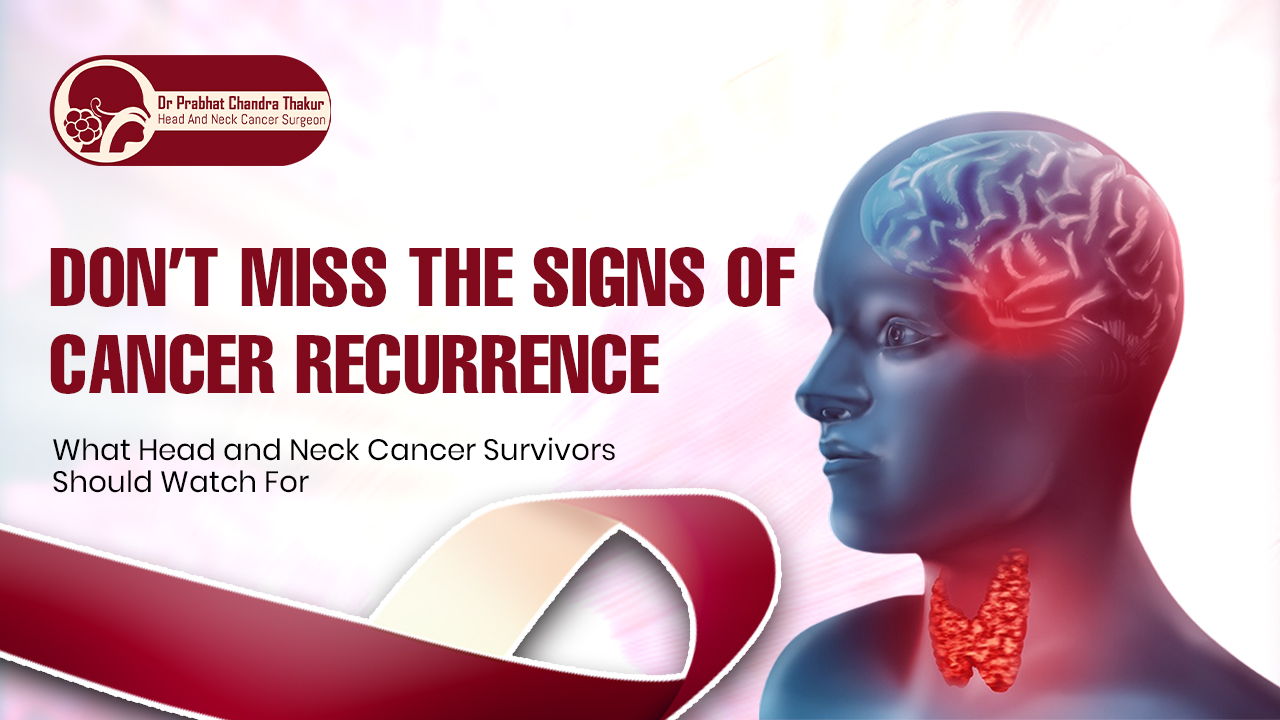
Don’t Miss the Signs of Cancer Recurrence: What Head and Neck Cancer Survivors Should Watch For

Signs of Cancer Recurrence

Surviving head and neck cancer is a major milestone. Yet for many survivors, the period after treatment brings a new responsibility: staying alert to the signs of cancer recurrence. Recurrence does not mean failure. It means the disease has returned after a period of remission and early detection can make a meaningful difference in outcomes. This article explains what recurrence is, which warning signs matter most, and why structured follow-up with experienced specialists is essential for head and neck cancer survivors. What Is Cancer Recurrence? Cancer recurrence refers to the return of cancer after treatment and a period with no detectable disease. In head and neck cancers, recurrence may appear: Understanding where and how recurrence presents helps survivors recognize symptoms early and seek timely evaluation. Why Vigilance Matters After Head and Neck Cancer Head and neck cancers involve complex anatomy of the throat, voice box, oral cavity, thyroid, nasal passages, and lymph nodes. Even subtle changes can be significant. Routine follow-ups and self-awareness are important because: Common Signs of Cancer Recurrence to Watch For Not every symptom means recurrence, but persistent or progressive changes should be checked especially if they last more than two to three weeks. Local and Regional Warning Signs Systemic or General Symptoms If you notice any of these, consult an ENT doctor or head and neck specialist promptly. Signs Specific to Thyroid Cancer Survivors For survivors of thyroid cancer, recurrence can present differently. Symptoms to watch for include: Evaluation by a thyroid cancer surgeon in Nepal or an experienced ENT head & neck oncosurgeon is often required to determine the cause. The Role of Specialist Follow-Up Follow-up care after head and neck cancer is not routine paperwork it is clinical surveillance. According to insights commonly shared by Dr Prabhat Chandra Thakur, ENT Head & Neck Surgeon / Oncosurgeon with 15+ years of experience in Nepal, recurrence is best detected through a combination of: Specialist-led follow-up ensures subtle changes are evaluated in the context of prior treatment and anatomy. How Follow-Up Is Typically Structured While schedules vary by cancer type and stage, follow-up commonly includes: This structured approach helps distinguish treatment-related changes from possible recurrence. Symptoms vs. Treatment Side Effects: How to Tell the Difference Many survivors experience long-term effects from surgery, radiation, or chemotherapy. Differentiating side effects from recurrence can be challenging. Feature Treatment Effect Possible Recurrence Pain Improves gradually Persists or worsens Swelling Decreases over time New or enlarging Voice change Stable Progressive Lumps Post-surgical scarring New or firm nodes When in doubt, evaluation is safer than waiting. When to Seek Medical Advice Contact your care team or an ENT specialist if: Early assessment does not always confirm recurrence but it helps rule out serious causes. Living Beyond Treatment: Staying Informed Without Fear Awareness should empower, not alarm. Most survivors do not experience recurrence, but those who remain informed are better prepared to act quickly if needed. Healthy follow-up includes: Medical Review & Professional Note This article is intended for educational and survivorship awareness purposes. Diagnosis and management decisions should always be made in consultation with qualified medical professionals, including an ENT doctor or head and neck oncosurgeon experienced in post-treatment surveillance. Frequently Asked Questions (FAQ) What are the most common signs of cancer recurrence? Persistent neck lumps, voice changes, swallowing difficulty, and non-healing sores are common warning signs. Does recurrence always cause pain? No. Some recurrences begin without pain, which is why attention to subtle changes is important. How long should head and neck cancer survivors be monitored? Follow-up typically continues for several years, with frequency based on cancer type, stage, and treatment. Who should evaluate suspected recurrence? An ENT doctor or head and neck oncosurgeon is best suited to assess these symptoms. Are all post-treatment symptoms a sign of recurrence? No. Many symptoms are treatment-related, but persistent or worsening changes should be checked. Final Takeaway Recognizing the signs of cancer recurrence is a vital part of survivorship care. Staying attentive to changes and seeking timely evaluation supports early action and informed decision-making for head and neck cancer survivors.

When Is Thyroid Surgery Recommended?

thyroid surgeon in Nepal

Thyroid disorders are among the most common endocrine conditions worldwide, yet they are often misunderstood or underestimated by patients. Many people live with thyroid nodules, goiters, or hormonal imbalances for years without realizing when medical management is sufficient and when surgical intervention becomes necessary. A common question patients ask is: “When is thyroid surgery actually required?” The answer is rarely simple. Thyroid surgery is not recommended for every thyroid condition, and unnecessary surgery can expose patients to avoidable risks. At the same time, delaying surgery when it is clearly indicated can lead to serious complications, including airway obstruction, nerve damage, or progression of thyroid cancer. This article explains when thyroid surgery is recommended, which conditions require surgical evaluation, how decisions are made, and why consulting an experienced thyroid doctor in Nepal and thyroid surgeon in Nepal is critical for safe outcomes. Understanding the Thyroid Gland and Its Function The thyroid is a butterfly shaped gland located at the front of the neck, just below the voice box. It plays a crucial role in regulating metabolism, energy levels, heart rate, body temperature, and overall hormonal balance. Thyroid disorders can broadly be divided into: Not all thyroid problems require surgery, but some do and recognizing the difference is essential. What Is Thyroid Surgery? Thyroid surgery involves partial or complete removal of the thyroid gland, depending on the underlying condition. The main types of thyroid surgery include: The choice of procedure depends on diagnosis, extent of disease, risk factors, and patient specific considerations. A skilled thyroid surgeon in Nepal focuses not only on disease removal but also on preserving voice quality, calcium balance, and long-term quality of life. When Is Thyroid Surgery Recommended? Thyroid surgery is recommended only when the benefits clearly outweigh the risks. Below are the most common clinical indications. 1. Thyroid Cancer or Suspicion of Cancer One of the strongest indications for thyroid surgery is confirmed or suspected malignancy. Surgery is recommended when: In such cases, early surgical intervention significantly improves prognosis. This is why evaluation by an experienced thyroid doctor in Nepal is critical when cancer is suspected. 2. Thyroid Nodules With Suspicious Features Thyroid nodules are common, and most are benign. However, surgery may be recommended if: Decision-making in these cases requires clinical judgment, experience, and careful risk assessment. 3. Large Goiter Causing Pressure Symptoms A goiter refers to an enlarged thyroid gland. Surgery may be necessary when a goiter causes: Large or long-standing goiters may extend behind the breastbone (retrosternal goiter), making surgery technically challenging. Such cases should be handled by a highly experienced thyroid surgeon in Nepal. 4. Hyperthyroidism Not Controlled by Medication Hyperthyroidism (overactive thyroid) is often managed medically. However, surgery is recommended when: Surgery provides a permanent solution in selected cases of hyperthyroidism. 5. Recurrent Thyroid Cysts or Nodules Repeated aspiration of cystic nodules may provide temporary relief, but surgery is considered when: 6. Cosmetic and Quality-of-Life Concerns (Selected Cases) In some patients, large visible thyroid swellings affect confidence, posture, and comfort. Surgery may be considered when: Why Experience Matters in Thyroid Surgery Thyroid surgery is delicate. The thyroid gland lies close to: Complications such as voice changes or calcium imbalance are rare in expert hands but increase with inexperience. This is why choosing a thyroid surgeon in Nepal with extensive experience is one of the most important decisions a patient can make. About the Specialist: Dr. Prabhat Chandra Thakur Dr. Prabhat Chandra Thakur Consultant Head & Neck and Thyroid Surgeon With more than 15 years of clinical and surgical experience, Dr. Prabhat Chandra Thakur is recognized for his expertise in: His approach emphasizes: As a trusted thyroid doctor in Nepal, Dr. Thakur combines surgical precision with compassionate patient care. How Is the Decision for Thyroid Surgery Made? The decision for surgery is never based on a single test. It involves: An experienced thyroid surgeon integrates all these factors before recommending surgery. Thyroid surgery should be recommended only after careful evaluation of symptoms, imaging, biopsy results, and patient-specific risk factors. What to Expect Before Thyroid Surgery Pre-operative evaluation includes: Patient education before surgery plays a crucial role in recovery and satisfaction. Recovery After Thyroid Surgery Most patients recover well after thyroid surgery when performed by an experienced surgeon. Typical recovery includes: Long-term outcomes are excellent when surgery is appropriately indicated. Risks of Delaying Needed Thyroid Surgery Delaying surgery when clearly indicated may lead to: This is why timely consultation with a thyroid doctor in Nepal is essential. Frequently Asked Questions (FAQs) Is thyroid surgery always necessary for nodules? No. Most nodules are benign and monitored unless they cause symptoms or show suspicious features. Is thyroid surgery safe? Yes, when performed by an experienced thyroid surgeon. Will I need lifelong medication after surgery? Some patients require thyroid hormone replacement, depending on the extent of surgery. How do I choose a thyroid surgeon in Nepal? Look for experience, case volume, and expertise in head and neck surgery. When should I consult a thyroid doctor? Any persistent neck swelling, voice change, or abnormal thyroid test should be evaluated. Conclusion Thyroid surgery is a highly effective and safe treatment when appropriately recommended. The key lies in accurate diagnosis, proper timing, and surgical expertise. Not every thyroid condition requires surgery, but when it does, delaying treatment can lead to avoidable complications. Consulting an experienced thyroid doctor in Nepal and thyroid surgeon in Nepal, such as Dr. Prabhat Chandra Thakur, ensures that decisions are made carefully, surgery is performed safely, and long-term outcomes are optimized. Author & Medical Review Note This article is written for educational purposes and reflects established clinical guidelines and surgical practices in thyroid and head & neck surgery. It does not replace individualized medical consultation.

Thyroid Surgeon in Nepal: Expert Care by Dr. Prabhat Chandra Thakur at Nepal Cancer Hospital

thyroid surgeon in nepal

Thyroid disorders and thyroid cancer require highly specialized surgical care. Choosing the right thyroid surgeon in Nepal is critical for accurate diagnosis, safe surgery, preservation of vital nerves, and long-term recovery. With increasing awareness and early detection, patients today are seeking surgeons who combine advanced surgical expertise, cancer specialization, and modern minimally invasive techniques. Dr. Prabhat Chandra Thakur is widely recognized as one of the best thyroid surgeons in Nepal, with extensive expertise in thyroid surgery, oral cancer, head & neck cancer surgery, endoscopic skull base surgery, and complex head & neck reconstruction. He currently practices at Nepal Cancer Hospital & Research Center, Harisiddhi, Lalitpur, one of the country’s leading cancer care institutions. Who Is Dr. Prabhat Chandra Thakur? Dr. Prabhat Chandra Thakur is a highly experienced Head & Neck Cancer Surgeon in Nepal, known for managing complex thyroid, oral, and head & neck cancers with precision and compassion. Areas of Expertise His surgical approach is grounded in evidence based oncology, patient safety, and functional preservation making him a trusted thyroid surgeon in Nepal for both routine and complex cases. Understanding Thyroid Disorders and When Surgery Is Needed The thyroid gland plays a vital role in regulating metabolism, heart rate, and body temperature. While many thyroid conditions can be managed medically, surgery becomes necessary in specific situations. Common Conditions Requiring a Thyroid Surgeon Early evaluation by a qualified thyroid surgeon in Nepal ensures timely treatment and better outcomes. Why Choosing the Right Thyroid Surgeon in Nepal Matters Thyroid surgery is delicate. The thyroid gland lies close to: A skilled thyroid surgeon minimizes risks such as: Dr. Prabhat Chandra Thakur’s experience in head & neck oncology gives him a distinct advantage in managing these complexities safely. Thyroid Cancer Surgery in Nepal: A Specialized Need Thyroid cancer is one of the most treatable cancers when diagnosed early. However, successful outcomes depend heavily on surgical expertise. Types of Thyroid Cancer Commonly Treated Type Characteristics Papillary thyroid cancer Most common, slow growing Follicular thyroid cancer Requires careful diagnosis Medullary thyroid cancer Requires specialized management Anaplastic thyroid cancer Rare but aggressive As a leading thyroid cancer surgeon in Nepal, Dr. Thakur focuses on: Advanced Surgical Techniques Used by Dr. Prabhat Chandra Thakur Modern thyroid surgery has evolved significantly. Dr. Thakur applies advanced surgical and endoscopic techniques to improve safety and recovery. Key Surgical Approaches His expertise in endoscopic skull base surgery further demonstrates his mastery of complex anatomy, an essential skill for safe thyroid and head & neck surgery. Head & Neck Cancer Expertise Enhances Thyroid Surgery Outcomes What sets Dr. Prabhat Chandra Thakur apart from many general surgeons is his specialization in head & neck cancer surgery. This means: For patients searching for a thyroid surgeon in Nepal who can manage cancer-related complexities, this multidisciplinary expertise is invaluable. Reconstruction After Thyroid and Head & Neck Surgery In cases where cancer surgery affects appearance or function, reconstructive surgery plays a crucial role. Dr. Thakur is experienced in: This holistic approach ensures patients are treated beyond just disease removal. Why Nepal Cancer Hospital & Research Center Matters Dr. Thakur practices at Nepal Cancer Hospital & Research Center, Harisiddhi, Lalitpur, a facility known for: Choosing a thyroid surgeon in Nepal who works within a specialized cancer hospital ensures access to complete cancer care under one roof. When Should You Consult a Thyroid Surgeon in Nepal? You should seek expert consultation if you experience: Early evaluation by Dr. Prabhat Chandra Thakur can prevent disease progression and reduce treatment complexity. Patient Focused, Ethical Surgical Care A key reason patients trust Dr. Thakur as a leading thyroid surgeon in Nepal is his commitment to: Every patient receives a treatment plan tailored to their diagnosis, health condition, and long term wellbeing. Frequently Asked Questions (FAQs) 1. Who is the best thyroid surgeon in Nepal? Dr. Prabhat Chandra Thakur is widely regarded as one of the best thyroid surgeons in Nepal due to his specialization in thyroid, head & neck cancer surgery, and advanced surgical techniques. 2. Is thyroid surgery safe in Nepal? Yes. When performed by an experienced thyroid surgeon in Nepal at a specialized cancer hospital, thyroid surgery is safe and effective. 3. Will thyroid surgery affect my voice? Temporary voice changes can occur, but expert surgeons use nerve preserving techniques to minimize this risk. 4. Is thyroid cancer curable? Most thyroid cancers have excellent outcomes when treated early by a skilled thyroid cancer surgeon. 5. Where does Dr. Prabhat Chandra Thakur practice? He practices at Nepal Cancer Hospital & Research Center, Harisiddhi, Lalitpur. Conclusion: Choosing the Right Thyroid Surgeon in Nepal Thyroid conditions, especially thyroid cancer require expert surgical hands, oncology experience, and modern techniques. Dr. Prabhat Chandra Thakur combines all of these, making him a trusted choice for patients seeking a thyroid surgeon in Nepal. With expertise spanning thyroid surgery, oral cancer, head & neck cancer, skull base surgery, and reconstruction, and practice at a leading cancer hospital, he represents excellence in surgical cancer care. Call to Action If you or a loved one has been diagnosed with a thyroid condition or thyroid cancer, early expert consultation matters. 👉 Consult Dr. Prabhat Chandra Thakur👉 Nepal Cancer Hospital & Research Center, Harisiddhi, Lalitpur👉 Take a confident step toward safe, effective thyroid surgery in Nepal

Can Head and Neck Cancer Be Hereditary? Insights from Dr Prabhat

Head and Neck Cancer

Introduction Head and neck cancers encompass a group of malignancies arising in the upper aerodigestive tract and surrounding structures: the oral cavity, pharynx, larynx, salivary glands, nasal cavity and paranasal sinuses. Under the expert care of Dr Prabhat Chandra Thakur, who specialises in head & neck oncology and advanced minimally invasive techniques, a key question often arises: to what extent does heredity play a role in development of these cancers? While environmental exposures such as tobacco, alcohol, viral infections (notably HPV), and occupational hazards dominate risk profiles, the possibility that inherited genetic factors contribute must be addressed. This analysis explores current evidence on hereditary predisposition, practical implications for patients, and how Dr Prabhat integrates this understanding into patient care. Understanding Head & Neck Cancers: Overview Globally, squamous cell carcinomas of the head and neck (HNSCC) remain among the more frequent malignancies, with hundreds of thousands of new cases annually. Most of these cancers are associated with modifiable risk factors: heavy tobacco use, excess alcohol consumption, HPV infection (especially for oropharyngeal sites), radiation exposure, and poor oral hygiene. In Dr Prabhat’s clinic, the evaluation of a patient with head & neck cancer includes a thorough assessment of lifestyle/behavioral risk, family history, and genetic related questions. While in many cases the principal causes remain external, awareness of hereditary factors helps in risk stratification, screening of at risk family members, and precision counselling. What Does ‘Heredity’ or Genetic Predisposition Mean in This Context? Heredity implies that inherited genetic variations may increase the risk of developing a malignancy, either alone or in concert with environmental exposures. Some individuals may carry germline (inherited) mutations in genes that regulate DNA repair, cell cycle control, or tumour suppression which predispose them to cancer. In head & neck cancers this might manifest as: A first degree relative (parent, sibling, child) diagnosed with a head & neck cancer (concordant or related site) Early age of onset (younger than typical) Multiple primary tumours in one individual Presence of a recognised hereditary cancer syndrome However, it is important to emphasise that most head & neck cancers are not primarily hereditary. According to sources, a family history of head & neck cancer increases risk only modestly and no strong inherited pattern is established for the majority of cases.  What Does the Evidence Say? Family History and Population Studies Large scale studies have evaluated the role of familial head & neck cancers. A 2021 meta analysis found that among a study population, 3.4% had familial HNC, with a standardised incidence ratio (SIR) of 1.78 for family members. In practical terms: an individual with a first-degree relative affected had about 1.8 times the risk compared to the general population in that cohort. This elevated relative risk is modest when considered alongside the large absolute number of nonhereditary cases. It highlights that familial clustering exists but does not dominate causation. Genetic Variants and DNA Repair Genes More detailed investigations have explored germline variants in DNA repair genes and other susceptibility loci. For example, one study reported that germline alterations in DNA repair genes may contribute to early onset HNSCC. In another comprehensive review, variation in genes related to carcinogen metabolism (e.g., alcohol dehydrogenases), DNA repair pathways, and cell cycle regulation are implicated.  Thus, while no single “head & neck cancer gene” has been defined equivalent to BRCA1/2 in breast cancer, the accumulation of low to moderate risk genetic variants appears to modify individual susceptibility. Hereditary Syndromes Certain recognised inherited cancer syndromes include head & neck malignancies among their tumour spectrum. For instance, Fanconi anaemia and Li‑Fraumeni syndrome are cited by oncology centres as conditions that may increase the risk of head & neck cancers. In such syndromes, the inherited defect (e.g., in DNA repair) leads to genomic instability, hence predisposition to diverse cancers including those in the head & neck region. Key Takeaway from Evidence A family history does impart increased risk (e.g., approximately 1.8× in one study) but it remains a minor component of overall risk in head & neck cancers.   Genetic predisposition accumulates via multiple small effect variants rather than a dominant, high penetrance single gene in most cases.   Recognised hereditary cancer syndromes may include head & neck sites, but they are rare and account for a small fraction of cases.   Therefore, hereditary risk should be considered as one part of a multi‐factorial risk profile rather than the primary driver in most patients. Practical Implications in Clinical Practice (as seen in Dr Prabhat’s Approach) 1.Detailed family history taking When a patient presents under Dr Prabhat’s care for evaluation of a head & neck tumour, an important step is obtaining a three generation pedigree: any first or second degree relatives with head & neck cancers (or other cancers), their ages at diagnosis, and lifestyle exposures. Even if the family history is negative, smoking, alcohol, HPV status and environmental exposures are assessed thoroughly.   2.Risk stratification and counselling A patient with a positive family history may be counselled differently: for example, closer vigilance for second primary tumours, increased surveillance, or consideration of genetic referral if other red flags (early age, unusual tumour site, multiple primaries) are present.   3.Genetic testing and referral While routine genetic testing is not standard in all head & neck cancers, in selected cases especially where a hereditary syndrome is suspected (e.g., Fanconi anaemia, Li-Fraumeni) referral to a geneticist may be made. Dr Prabhat’s practice includes co‐ordination with genetic counselling when indicated.   4.Screening of at risk relatives If a significant family history exists, first degree relatives may be advised on lifestyle modification, regular intra oral/oropharyngeal examination, and perhaps earlier ENT/oncology review. Since early detection improves outcome significantly, this proactive approach makes a difference.   5.Integration in treatment planning Knowing a higher risk background prompts more detailed staging, possibly imaging for synchronous primaries, and more aggressive surveillance. Dr Prabhat’s surgical and oncologic decision making incorporates the entire risk profile including hereditary risk. Addressing Common Misconceptions A common misunderstanding: “If someone in the family had head & neck … Read more

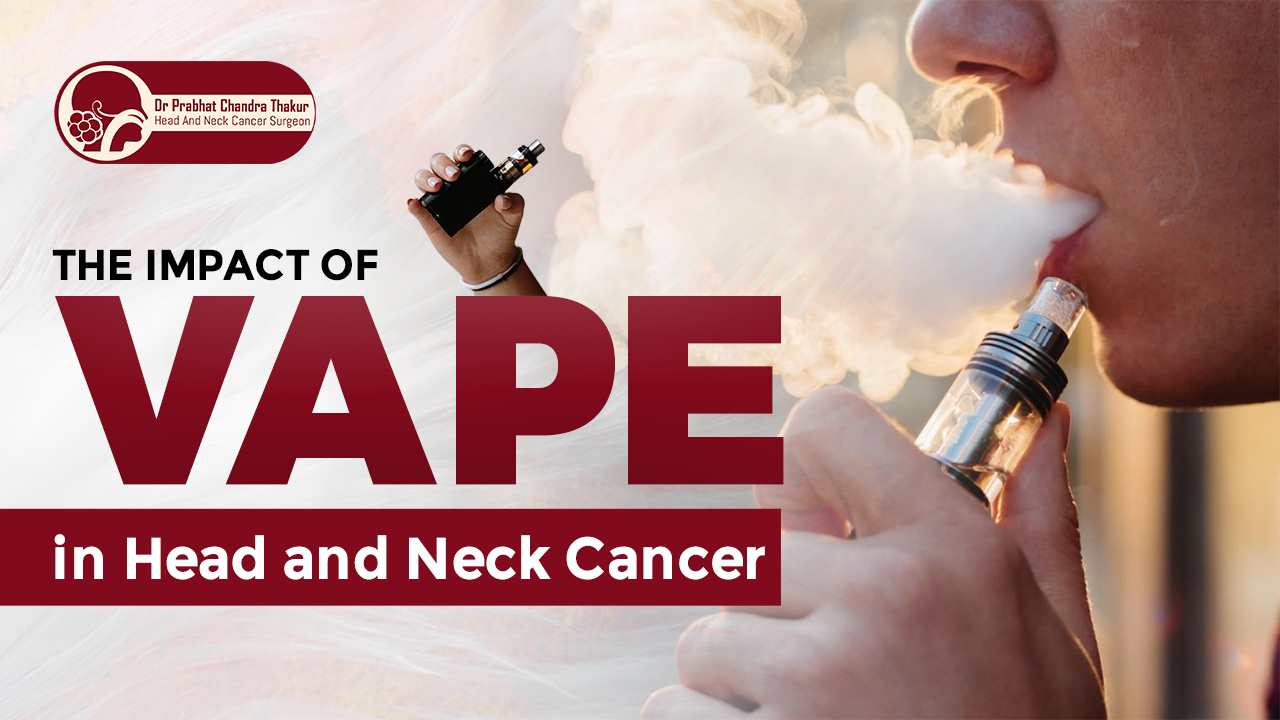
The Impact of Vape in Head and Neck Cancer

vape in head and neck cancer

Vape in Head and Neck Cancer: In recent years, vaping has become almost synonymous with a modern lifestyle trend, especially among younger adults and teenagers. Promoted as a safer alternative to traditional cigarettes, e-cigarettes and vape devices have swept through global markets with promises of reduced harm. But behind the clouds of flavored vapor lies a growing body of scientific concern, particularly when it comes to the health of our mouth, throat, and airway systems. While much attention has been given to the effects of smoking on lung health, a quieter but equally important conversation is emerging: What is the impact of vape in head and neck cancer? This blog post explores the potential links between vaping and the development or progression of cancers in the head and neck regions. Drawing from current research, medical insights, and public health data, we’ll dig into what science knows so far, what remains unclear, and why awareness is crucial, especially for younger users who may underestimate the risks. Understanding Head and Neck Cancer Head and neck cancer is not a single disease but a group of cancers that develop in or around the throat, larynx, nose, sinuses, and mouth. These cancers can be aggressive and often require a combination of surgery, radiation therapy, and chemotherapy. Common symptoms include: Persistent sore throat Hoarseness or voice changes Mouth ulcers that don’t heal Lumps or swelling in the neck Difficulty swallowing Traditionally, risk factors for head and neck cancer include tobacco use, heavy alcohol consumption, and infection with human papillomavirus (HPV). However, the rise in vape use has introduced a new variable into the equation. How Vaping Works: What Are We Inhaling? Vape devices heat a liquid (called e-liquid or vape juice) to produce an aerosol that users inhale. These liquids often contain: Nicotine – The same addictive substance found in tobacco. Propylene Glycol and Vegetable Glycerin – Used to produce vapor. Flavoring Agents – Often unregulated and sometimes toxic when heated. Heavy Metals and Chemicals – Traced back to device components and vape cartridges. When users inhale, they’re not just taking in flavored mist, they’re also introducing chemicals into delicate tissues of the mouth, throat, and respiratory tract. The Emerging Link: Vape in Head and Neck Cancer Although long term studies are still underway, early research and clinical observations suggest a concerning pattern regarding vape in head and neck cancer. Here’s what scientists and doctors are beginning to uncover: 1. DNA Damage in Oral Cells Several laboratory studies have found that e-cigarette vapor can cause DNA strand breaks in the cells lining the mouth and throat. DNA damage is one of the earliest steps in cancer development. Damaged cells, if not repaired, may mutate and grow uncontrollably forming tumors over time. 2. Chronic Inflammation and Tissue Irritation Regular exposure to vaporized chemicals can irritate soft tissues in the oral cavity and throat. Chronic inflammation is a known precursor to cancer, as the body’s repeated attempts to heal tissue damage may eventually lead to abnormal cell growth. 3. Nicotine’s Role in Tumor Progression Nicotine, even when not directly carcinogenic, plays a significant role in promoting cancer growth by: Enhancing blood supply to potential tumors Increasing resistance to programmed cell death (apoptosis) Stimulating cell division and metastasis These factors make nicotine a potential tumor enhancer, which is particularly alarming for users who already have precancerous conditions. Young People at Greater Risk One of the most disturbing trends in vaping culture is the high adoption rate among adolescents and young adults. This demographic, often lured by fruity flavors and slick marketing, may be unknowingly increasing their lifetime risk of developing head and neck cancers. Teenage bodies are still developing. Their oral and respiratory tissues are more sensitive to environmental toxins. Regular vaping during these formative years could lay the groundwork for serious health consequences decades later. Comparing Vaping and Smoking: Is It Really Safer? Many people switch from cigarettes to vaping thinking it’s a “less harmful” option. While it’s true that vape products contain fewer known carcinogens than traditional cigarettes, this doesn’t make them safe, especially in relation to head and neck health. Important points to consider: Fewer known toxins ≠ no toxins: Vaping introduces new, lesser studied chemicals into the body.   Heat degradation of vape juice components can form formaldehyde and acrolein; both linked to cancer.   Lack of regulation in the vape industry makes it difficult to assess safety across different products. WHO Clinical Observations and Early Case Reports Although large scale studies are still ongoing, clinicians have begun reporting anecdotal cases and patterns that raise concern. In some hospitals, young vape users with no history of smoking are presenting with lesions, inflammation, or abnormal growths in the mouth and throat:signs that could indicate pre-cancerous changes. Additionally, ENT specialists are increasingly asking patients about vaping history when diagnosing oral or laryngeal issues, indicating a growing awareness of potential links between vape in head and neck cancer. What the Research Says (So Far) While we’re still in the early stages of understanding the full health consequences of vaping, several important studies point to red flags: Journal of the American Medical Association (JAMA) published findings suggesting e-cigarette users had significantly higher levels of DNA damage in oral cells than non-users. Stanford University researchers found that exposure to flavored e-liquids led to increased cell toxicity and stress in oral tissues. A 2020 review concluded that e-cigarettes “are not free of harm” and may play a role in carcinogenesis, especially in the head and neck region. Prevention and Public Health: What Can Be Done? Given the potential risks, it’s crucial to prioritize public awareness and proactive health strategies: Health education should include clear messaging about the risks of vaping not just for lungs but also for the head and neck. Youth prevention programs must address vaping in the same way they target smoking and alcohol abuse. More regulation of vape products is needed, including better labeling of ingredients and long-term safety testing. Regular oral screenings can help detect … Read more

All You Need to Know About Thyroid Diseases

Thyroid Diseases

The thyroid gland is a small, butterfly shaped organ located at the base of the neck, responsible for producing hormones that regulate metabolism, energy levels, and overall bodily functions. Despite its small size, the thyroid plays a vital role in maintaining various physiological processes. Thyroid diseases can lead to severe health problems if not detected and treated in time. If you are experiencing symptoms of thyroid disorders, seeking medical attention from an experienced specialist is crucial. Dr. Prabhat Chandra Thakur, widely recognized as the best thyroid surgeon in Nepal, has extensive experience in diagnosing and treating thyroid diseases using advanced surgical techniques. This article provides a comprehensive guide to thyroid diseases, their causes, symptoms, treatment options, and why Dr. Prabhat Chandra Thakur is the best choice for thyroid care in Nepal. What Are the Functions of the Thyroid Gland? The thyroid gland produces thyroid hormones, primarily triiodothyronine (T3) and thyroxine (T4), which influence various bodily functions, including: ✅ Regulating Metabolism – Controls how the body uses energy ✅ Maintaining Heart Rate & Blood Pressure – Affects cardiovascular health ✅ Supporting Brain Function – Essential for cognitive development and memory ✅ Managing Growth & Development – Especially critical during childhood ✅ Regulating Cholesterol Levels – Helps maintain healthy cholesterol balance ✅ Affecting Body Temperature – Helps regulate heat production ✅ Supporting Fertility & Menstrual Cycle – Plays a role in reproductive health ✅ Strengthening Muscles & Bones – Helps in bone density and muscle strength When the thyroid is overactive (hyperthyroidism) or underactive (hypothyroidism), it can lead to serious health complications. Signs & Symptoms of Thyroid Diseases Thyroid disorders often mimic other health conditions, making them difficult to detect. However, early symptoms include: 🔹 Unexplained Weight Changes – Sudden weight gain or loss 🔹 Mood Swings & Anxiety – Irritability, nervousness, or depression 🔹 Fatigue & Weakness – Feeling excessively tired despite rest 🔹 Throat Discomfort & Hoarseness – Sore throat or difficulty swallowing 🔹 Temperature Sensitivity – Feeling too hot (hyperthyroidism) or too cold (hypothyroidism) 🔹 Irregular Heart Rate & Blood Pressure – Rapid heartbeat or slow pulse 🔹 Hair Loss & Dry Skin – Brittle hair, hair thinning, and skin changes If you notice persistent symptoms, consulting a specialist like Dr. Prabhat Chandra Thakur is essential for early diagnosis and treatment. Common Thyroid Diseases The thyroid gland can develop several disorders, leading to either excessive hormone production (hyperthyroidism) or insufficient hormone production (hypothyroidism). Some common thyroid conditions include: 1. Goiter A goiter refers to the abnormal enlargement of the thyroid gland. It can result from iodine deficiency, hormonal imbalances, or underlying thyroid conditions. 2. Hyperthyroidism (Overactive Thyroid) Hyperthyroidism occurs when the thyroid gland produces excessive thyroid hormones, leading to symptoms like: ✔ Rapid heartbeat ✔ Weight loss despite increased appetite ✔  Nervousness and irritability ✔  Increased sweating ✔  Muscle weakness Graves’ disease is the most common cause of hyperthyroidism. 3. Hypothyroidism (Underactive Thyroid) Hypothyroidism happens when the thyroid gland does not produce enough hormones, causing:✔  Fatigue and sluggishness ✔  Unexplained weight gain ✔  Depression and mood swings ✔  Cold intolerance ✔  Dry skin and brittle hair Hashimoto’s thyroiditis is a common cause of hypothyroidism. 4. Thyroid Cancer Thyroid cancer develops when abnormal cells grow uncontrollably in the thyroid gland. Symptoms may include:✔  A lump in the neck✔  Difficulty swallowing✔  Hoarseness or voice changes✔  Swollen lymph nodes Early detection and surgical intervention by an expert like Dr. Prabhat Chandra Thakur can significantly improve treatment outcomes. 5. Thyroid Nodules Thyroid nodules are lumps or growths in the thyroid gland. While most are benign, some may be cancerous. A biopsy is often required to determine if further treatment is necessary. 6. Thyroiditis (Inflammation of the Thyroid) Thyroiditis refers to inflammation of the thyroid gland, often caused by viral infections or autoimmune conditions. Symptoms may resemble hyperthyroidism or hypothyroidism. Who Is at Risk of Developing Thyroid Diseases? The risk of thyroid disorders increases due to several factors, including: ✔  Age – Higher risk as individuals get older ✔  Gender – Women are more prone to thyroid issues ✔  Family History – Genetic predisposition to thyroid conditions ✔  Iodine Deficiency – Essential for thyroid hormone production ✔  Autoimmune Diseases – Conditions like Hashimoto’s or Graves’ disease Diagnosis of Thyroid Disease Diagnosing thyroid disorders involves comprehensive medical evaluation and specialized tests, such as: 🔹 Physical Examination – Checking for lumps or swelling in the neck 🔹 Blood Tests – Measuring TSH, T3, and T4 levels🔹 Ultrasound & Imaging – Identifying nodules or abnormal growths 🔹 Fine-Needle Aspiration Biopsy (FNAB) – Testing thyroid nodules for cancer Dr. Prabhat Chandra Thakur is a renowned specialist who provides accurate diagnosis and personalized treatment for thyroid diseases in Nepal. Treatment Options for Thyroid Diseases The treatment for thyroid disorders depends on the type and severity of the condition. Common treatments include: ✅ Medications – Thyroid hormone replacement for hypothyroidism; anti-thyroid drugs for hyperthyroidism ✅ Radioactive Iodine Therapy – Used to shrink an overactive thyroid gland ✅ Surgery (Thyroidectomy) – Removal of part or all of the thyroid gland for cancer, nodules, or severe goiter Dr. Prabhat Chandra Thakur, a leading thyroid surgeon in Nepal, specializes in scarless minimally invasive thyroid surgery, ensuring the best outcomes with minimal discomfort. Can Thyroid Diseases Be Prevented? While not all thyroid diseases are preventable, you can reduce your risk by: ✔  Eating a Balanced Diet – Include iodine-rich foods like seafood, eggs, and dairy ✔  Managing Stress – Chronic stress can affect thyroid function ✔  Regular Exercise – Helps regulate hormones and metabolism ✔  Getting Routine Check-Ups – Early detection can prevent complications Why Choose Dr. Prabhat Chandra Thakur for Thyroid Surgery in Nepal? Dr. Prabhat Chandra Thakur is one of Nepal’s most trusted thyroid surgeons, known for his expertise in head and neck surgeries. His commitment to excellence, along with his advanced techniques in scarless thyroid surgery, has made him a pioneer in the field. If you or a loved one are experiencing thyroid-related symptoms, don’t delay seeking expert care. Book … Read more

Common Thyroid Problems

Common Thyroid Problems

Thyroid disorders are a major health concern affecting millions of people worldwide, including many in Nepal. Understanding common thyroid problems is essential, as these conditions can significantly impact your health and quality of life. The thyroid gland, located at the base of the neck, plays a crucial role in regulating metabolism, energy levels, and overall hormonal balance. When the thyroid doesn’t function properly, it can lead to a variety of health issues, ranging from mild to severe. If you are experiencing symptoms of thyroid disorders or want to ensure your thyroid health is in check, it’s important to consult a qualified thyroid doctor. In Nepal, Dr. Prabhat Chandra Thakur is widely recognized as the best thyroid doctor in Nepal. With his extensive experience and dedication to patient care, Dr. Thakur is the go-to expert for managing common thyroid problems. What is the Thyroid? The thyroid gland plays a crucial role in your body’s overall well-being. It produces hormones— primarily thyroxine (T4) and triiodothyronine (T3)—that regulate metabolism, which influences how your body uses energy. These hormones affect almost every organ in your body, controlling functions like heart rate, body temperature, and even mood. When the thyroid doesn’t function properly, it can lead to significant health disruptions. In Nepal, where awareness about thyroid issues is still growing, it’s important to understand how this small gland can affect your life. Thyroid problems can go unnoticed for years because their symptoms often mimic other conditions. This makes it essential to consult an expert thyroid doctor like Dr. Prabhat Chandra Thakur for an accurate diagnosis and effective treatment plan. What Are Common Thyroid Problems? Common thyroid problems can manifest in several ways, primarily through conditions like hypothyroidism, hyperthyroidism, thyroid nodules, and thyroid cancer. Each of these conditions affects the body differently, but all require attention from a skilled thyroid doctor. Hypothyroidism is one of the most common thyroid problems, especially among women and older adults. This condition occurs when the thyroid gland under-produces hormones, leading to symptoms such as fatigue, weight gain, and depression. If you suspect hypothyroidism, seeking help from the best thyroid doctor in Nepal is essential. Dr. Prabhat Chandra Thakur offers expert diagnosis and effective treatment plans that can help manage this condition and restore your health. Hyperthyroidism is another common thyroid problem where the thyroid gland is overactive, producing too many hormones. This results in symptoms like rapid heartbeat, weight loss, and anxiety. Hyperthyroidism can lead to serious health complications if not treated promptly. Consulting the best thyroid doctor in Nepal, such as Dr. Thakur, can ensure that you receive the appropriate treatment to control your thyroid hormone levels. Thyroid nodules are lumps that can form within the thyroid gland, and while they are often benign, they can sometimes be a sign of more serious conditions, including thyroid cancer. The presence of thyroid nodules requires evaluation by a top thyroid doctor to determine the best course of action. Dr. Prabhat Chandra Thakur, known as the best thyroid doctor in Nepal, uses advanced diagnostic techniques to assess and treat thyroid nodules effectively. Thyroid cancer is less common but a serious thyroid problem that needs immediate attention. Symptoms may include a lump in the neck, changes in voice, and difficulty swallowing. Early detection and treatment by the best thyroid doctor in Nepal, Dr. Thakur, can lead to successful outcomes. Why Choose Dr. Prabhat Chandra Thakur: The Best Thyroid Doctor in Nepal When it comes to managing common thyroid problems, choosing the right thyroid doctor is crucial. Dr. Prabhat Chandra Thakur is widely regarded as the best thyroid doctor in Nepal, known for his expertise, compassionate care, and successful treatment outcomes. As the best thyroid doctor in Nepal, Dr. Prabhat Chandra Thakur offers comprehensive care for all common thyroid problems. His approach is thorough and personalized, ensuring that each patient receives a treatment plan tailored to their specific needs. Whether you are dealing with hypothyroidism, hyperthyroidism, thyroid nodules, or thyroid cancer, Dr. Thakur’s extensive experience makes him the ideal choice for anyone seeking the best thyroid doctor. The Importance of Regular Check-Ups for Common Thyroid Problems Preventive care is key to managing common thyroid problems effectively. Regular check-ups with a skilled thyroid doctor can help detect thyroid issues early, even before symptoms become apparent. This is particularly important for individuals with risk factors such as a family history of thyroid disorders, previous radiation exposure, or autoimmune conditions. Dr. Prabhat Chandra Thakur, recognized as the best thyroid doctor in Nepal, emphasizes the importance of regular thyroid screenings as part of overall health care. By visiting the best thyroid doctor for routine evaluations, you can ensure that any potential thyroid problems are identified and treated promptly. Dr. Thakur’s preventive approach includes thorough evaluations, blood tests, and imaging studies to monitor your thyroid function and maintain your health. How Dr. Prabhat Chandra Thakur Stands Out as the Best Thyroid Doctor in Nepal? Dr. Prabhat Chandra Thakur’s reputation as the best thyroid doctor in Nepal is built on years of experience, dedication to patient care, and a deep understanding of common thyroid problems. His practice is patient-centered, focusing on delivering the highest standard of care to those suffering from thyroid disorders. What makes Dr. Thakur the best thyroid doctor in Nepal is not only his medical expertise but also his commitment to each patient’s well-being. He takes the time to understand your specific symptoms and health concerns, ensuring that you receive a treatment plan that addresses your unique needs. Whether you are dealing with common thyroid problems like hypothyroidism or more complex conditions like thyroid cancer, Dr. Thakur’s approach is comprehensive and effective. For those searching for the best thyroid doctor in Nepal, Dr. Prabhat Chandra Thakur offers unparalleled expertise and compassionate care. His clinic is equipped with the latest technology to diagnose and treat common thyroid problems, ensuring that patients receive the best possible outcomes. Conclusion Understanding common thyroid problems and seeking the right medical care is crucial for maintaining your health. Whether you are dealing … Read more

My Experience as an Oral Cancer Surgeon in Nepal

Oral Cancer Surgeon

Introduction My name is Dr. Prabhat Chandra Thakur, an oral cancer surgeon specializing in head and neck oncology in Nepal. This journey, rooted in a profound commitment to healing and hope, has been both challenging and rewarding. As an experienced head and neck cancer surgeon, I aim to share insights into my career and experiences. Educational Foundation and Early Career My medical journey began at B.P. Koirala Institute of Health Sciences, Dharan, where I earned my MBBS degree. Further specialization in Otolaryngology-Head & Neck Surgery at PGI Chandigarh, India, laid the foundation for my expertise. My skills were further refined through fellowships at the International Federation of Head & Neck Oncology Society (IFHNOS) and Memorial Sloan Kettering Cancer Center in New York, along with training in Minimal Invasive Thyroid Surgery in Bangkok. Professional Milestones Joining Nepal Cancer Hospital & Research Center, Harisiddhi, Lalitpur, marked a significant milestone in my career. Here, I have had the privilege of working with a dedicated multidisciplinary team. Each patient’s journey is unique, demanding a blend of surgical precision, emotional understanding, and compassionate care, essential traits for an oral cancer surgeon and head and neck cancer surgeon. Complex Cases and Technological Advancements Oral cancer surgeries are intricate, often involving structures critical to speech, swallowing, and appearance. A notable case involved a patient with advanced mouth cancer requiring extensive reconstruction. The successful outcome was a testament to the power of meticulous planning and teamwork. Incorporating advanced technologies, such as endoscopic skull base surgery and remote access endoscopic thyroid surgery, has revolutionized our approach, enhancing patient outcomes and recovery times. Patient-Centered Approach Central to my practice is a patient-centered approach, emphasizing trust, empathy, and personalized care. A memorable experience involved an 89-year-old patient, Mrs. Jayanti Thapa, whose successful surgery and recovery highlighted the resilience of the human spirit and the importance of individualized care. As an oral cancer surgeon, building strong doctor-patient relationships is crucial. Community Outreach and Education Beyond clinical practice, community outreach and education play a pivotal role. Conducting workshops, seminars, and awareness programs about oral cancer prevention, particularly the risks associated with tobacco use and the importance of early detection, is crucial. Empowering the community with knowledge is a key aspect of reducing the incidence of mouth cancer. Oral Cancer Symptoms Recognizing oral cancer symptoms early can significantly impact the outcome. Common symptoms include: Can You Fully Recover from Oral Cancer? Yes, full recovery from oral cancer is possible, especially when detected early and treated promptly. The prognosis depends on the stage at diagnosis, the location of the cancer, and the patient’s overall health. Advances in surgical techniques, radiation therapy, and chemotherapy have significantly improved survival rates and quality of life for oral cancer patients. Main Cause of Oral Cancer The primary cause of oral cancer is the use of tobacco, including smoking and chewing tobacco. Excessive alcohol consumption, a combination of tobacco and alcohol use, prolonged exposure to the sun (for lip cancer), and human papillomavirus (HPV) infection are also significant risk factors. How Long Can a Person Live with Mouth Cancer? The survival rate for mouth cancer varies based on several factors, including the cancer stage at diagnosis and the patient’s overall health. On average, the five-year survival rate for localized oral cancer is around 80%, but it drops to about 30% for cancers that have spread to distant parts of the body. Early detection and treatment are crucial for improving survival rates. Conclusion Reflecting on my journey as an oral cancer surgeon and head and neck cancer surgeon, I am reminded of the countless lives touched and the hope restored. The field of oncology is constantly evolving, presenting new challenges and opportunities. My commitment to excellence, innovation, and continuous learning drives my dedication to improving patient outcomes. As I continue this journey, I remain focused on making a positive impact in the lives of those affected by mouth cancer in Nepal, one surgery at a time.

Tracheostomy: Procedure, Risks, Recovery, and Success Rates

Tracheostomy

Introduction A tracheostomy is a surgical procedure that involves creating an opening in the neck to place a tube into a person’s windpipe (trachea). This tube allows air to enter the lungs, which is crucial for patients who have difficulty breathing due to various medical conditions. In Nepal, Dr. Prabhat Chandra Thakur is a leading expert in tracheostomy, renowned for his work in oral cancer, thyroid, head & neck cancer surgery, and endoscopic skull base surgery at the Nepal Cancer Hospital & Research Center, Harisiddhi, Lalitpur. Tracheostomy Procedure Dr. Prabhat Chandra Thakur explains that a tracheostomy procedure can be either an emergency or a planned procedure. Emergency tracheostomies are performed when there is sudden airway obstruction, while planned tracheostomies are scheduled for patients who require long-term ventilation support. Dr. Thakur emphasizes the importance of precision and care during the tracheostomy procedure to avoid damaging surrounding structures. Tracheostomy Risks As with any surgical procedure, tracheostomies carry certain risks and potential complications. Dr. Thakur highlights the following tracheostomy risks: Dr. Thakur and his team take extensive measures to minimize these tracheostomy risks and ensure patient safety. Tracheostomy Recovery Post-operative care is crucial for a successful tracheostomy recovery. Dr. Thakur provides the following guidelines for tracheostomy recovery: Tracheostomy Success Rates The success rate of tracheostomy procedures performed by Dr. Prabhat Chandra Thakur is exceptionally high, thanks to his expertise and meticulous approach. His training, which includes a GOLD MEDAL AWARD for the best outgoing resident in PGI Chandigarh, India, and fellowships in head & neck oncology from IFHNOS & Memorial Sloan Kettering, New York, and minimal invasive thyroid surgery from General Hospital, Bangkok, has equipped him with the skills to handle complex cases. Dr. Thakur’s focus on patient safety and post-operative care significantly contributes to the high tracheostomy success rates. Can a Person Still Talk After a Tracheostomy? Yes, a person can often still talk after a tracheostomy, although it may require some adjustment and specific techniques. Dr. Thakur explains that the ability to speak depends on the type of tracheostomy tube and whether a speaking valve is used. A speaking valve allows air to pass over the vocal cords, enabling speech. Speech therapy can also help patients adapt to speaking with a tracheostomy. Is a Tracheostomy Permanent or Temporary? The duration of a tracheostomy depends on the underlying condition and the patient’s recovery. Dr. Thakur explains that many tracheostomies are temporary and can be reversed once the patient no longer needs it. However, some patients, particularly those with chronic or severe conditions, may require a permanent tracheostomy. Can You Live a Normal Life After a Tracheostomy? Many patients with a tracheostomy can lead normal, fulfilling lives. Dr. Thakur notes that with proper care and support, patients can return to their daily activities. It may take some time to adjust, but many people find they can speak, eat, and perform other normal functions with minimal limitations, leading to a successful tracheostomy recovery. Dr. Prabhat Chandra Thakur’s extensive experience and dedication to patient care make him a leading expert in tracheostomy procedures in Nepal. His commitment to excellence ensures that patients receive the highest quality care, leading to successful outcomes and improved quality of life.