How To Detect Stage 3 Thyroid Cancer: Signs, Symptoms, and Diagnosis

stage 3 thyroid cancer

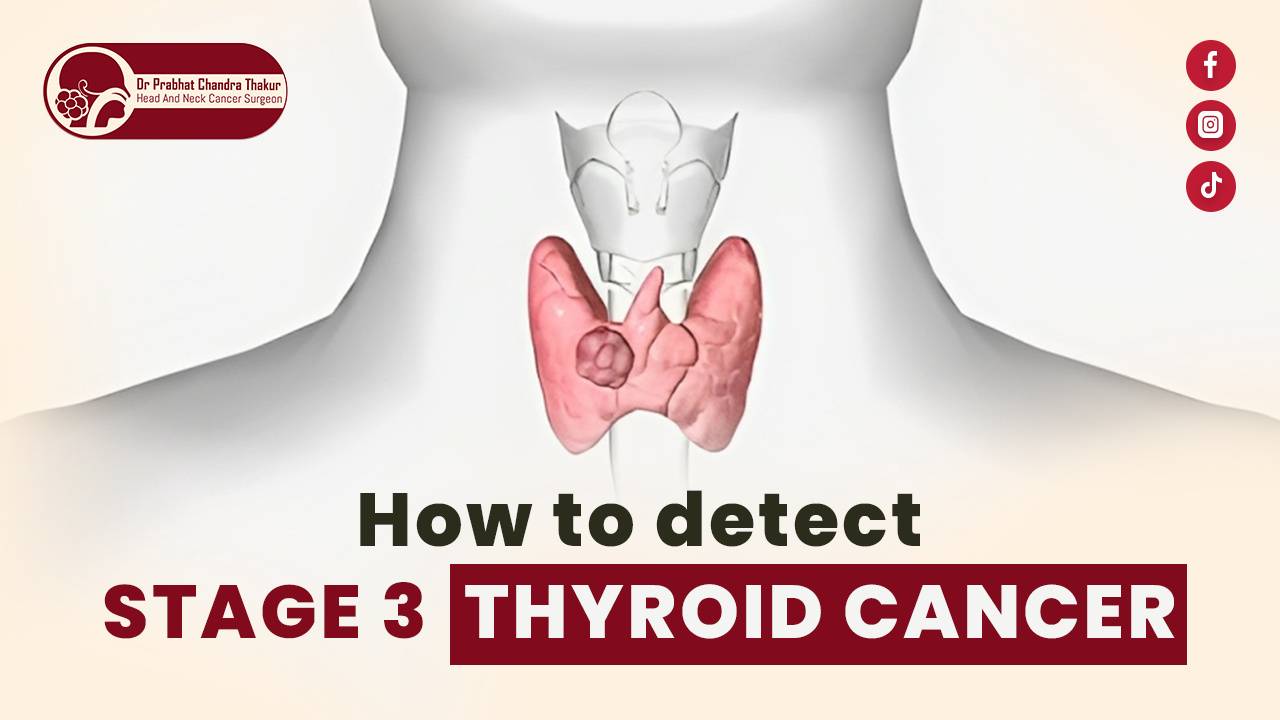
Introduction: Thyroid cancer, while relatively rare, can progress through different stages, with stage 3 indicating a more advanced level of spread. Early detection is crucial for effective treatment and improved outcomes. This article provides insights into the signs, symptoms, and diagnostic methods to detect stage 3 thyroid cancer. Signs and Symptoms: Detecting thyroid cancer in its early stages can be challenging as symptoms may be subtle or absent. However, as the cancer progresses, individuals with stage 3 thyroid cancer may experience the following signs: Changes in the Neck: Noticeable changes in the neck, such as swelling or the development of a lump (nodule), may be indicative of thyroid cancer. It’s important to monitor the size and consistency of any neck abnormalities. Voice Changes: Hoarseness or changes in voice quality may occur due to the involvement of the recurrent laryngeal nerve by the cancer. Difficulty Swallowing or Breathing: As the tumor grows and affects surrounding structures, individuals may experience difficulty swallowing or breathing. This can be a significant indicator of advanced disease. Persistent Cough: A persistent cough that is not associated with other respiratory conditions may be a symptom of thyroid cancer, particularly when the cancer has spread to nearby tissues. Pain in the Neck or Throat: Pain or discomfort in the neck or throat, especially in the absence of other explanations, should be evaluated, as it may be associated with advanced thyroid cancer. Diagnostic Methods: If symptoms or physical examination findings suggest the possibility of thyroid cancer, healthcare professionals may employ various diagnostic methods to confirm the diagnosis and determine the stage. These may include: Ultrasound Imaging: Ultrasound is a non-invasive imaging technique that can visualize the thyroid gland and identify any nodules or abnormalities. It helps determine the size and characteristics of thyroid lesions. Fine Needle Aspiration (FNA) Biopsy: FNA biopsy involves using a thin needle to extract a small tissue sample from the thyroid nodule. The sample is then examined under a microscope to assess whether cancer cells are present. CT Scan or MRI: Computed tomography (CT) scans or magnetic resonance imaging (MRI) may be used to provide detailed images of the thyroid gland and surrounding structures. These imaging techniques help evaluate the extent of tumor involvement. Blood Tests: Blood tests, such as thyroid function tests, may be conducted to assess the overall function of the thyroid gland and detect any abnormalities. Radioactive Iodine Scan: In some cases, a radioactive iodine scan may be performed to evaluate the thyroid’s ability to absorb iodine. This can help determine whether the cancer has spread beyond the thyroid. Conclusion: Detecting stage 3 thyroid cancer involves a combination of vigilant monitoring of symptoms, thorough physical examination, and diagnostic procedures. Individuals experiencing any of the mentioned symptoms, particularly those associated with advanced disease, should promptly consult with a healthcare professional. Early detection and accurate diagnosis are key factors in developing an effective treatment plan and improving the chances of successful outcomes for individuals with stage 3 thyroid cancer. Regular check-ups and open communication with healthcare providers contribute to proactive management and better overall health.

Recognizing the Symptoms of Stage 2 Early Stage Thyroid Cancer

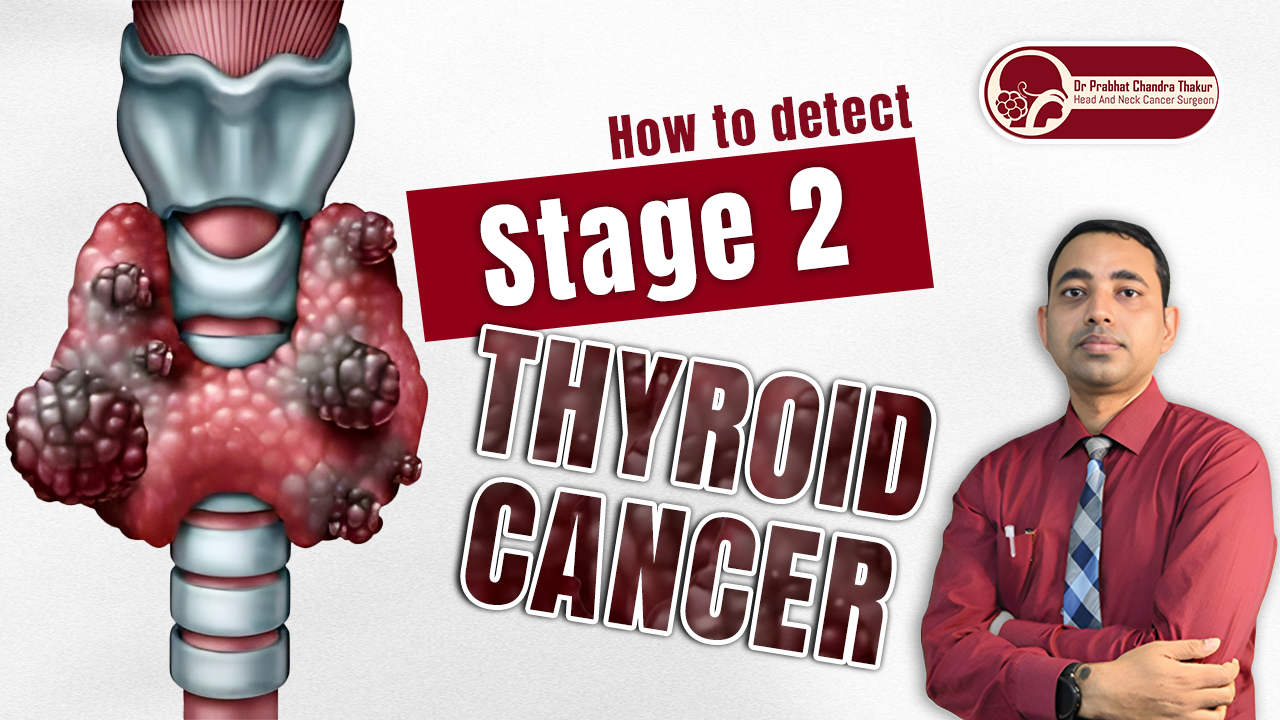
Stage 2 Thyroid Cancer

Introduction: Thyroid cancer is a type of cancer that begins in the cells of the thyroid gland, a small butterfly-shaped organ located in the front of the neck. In its early stages, thyroid cancer may not present noticeable symptoms, making it essential for individuals to be aware of potential signs, especially in Stage 2. Early detection plays a crucial role in successful treatment outcomes. In this article, we will explore the symptoms related with Stage 2 early stage thyroid cancer. Symptoms of Stage 2 Early Stage Thyroid Cancer: It’s important to note that these symptoms can be indicative of various health conditions, and experiencing one or more of these signs does not necessarily mean a person has thyroid cancer. However, if any of these symptoms persist or worsen, it is crucial to consult with a healthcare professional for a thorough evaluation and appropriate diagnostic tests. Conclusion: Recognizing the symptoms of Stage 2 early stage thyroid cancer is crucial for timely intervention and effective treatment. Regular check-ups, self-examinations, and prompt medical attention for any concerning symptoms can significantly improve the chances of successful outcomes in the management of thyroid cancer. If you or someone you know is experiencing these symptoms, seek medical advice promptly for a proper diagnosis and personalized treatment plan.

Understanding Stage 1 Early Stage Thyroid Cancer

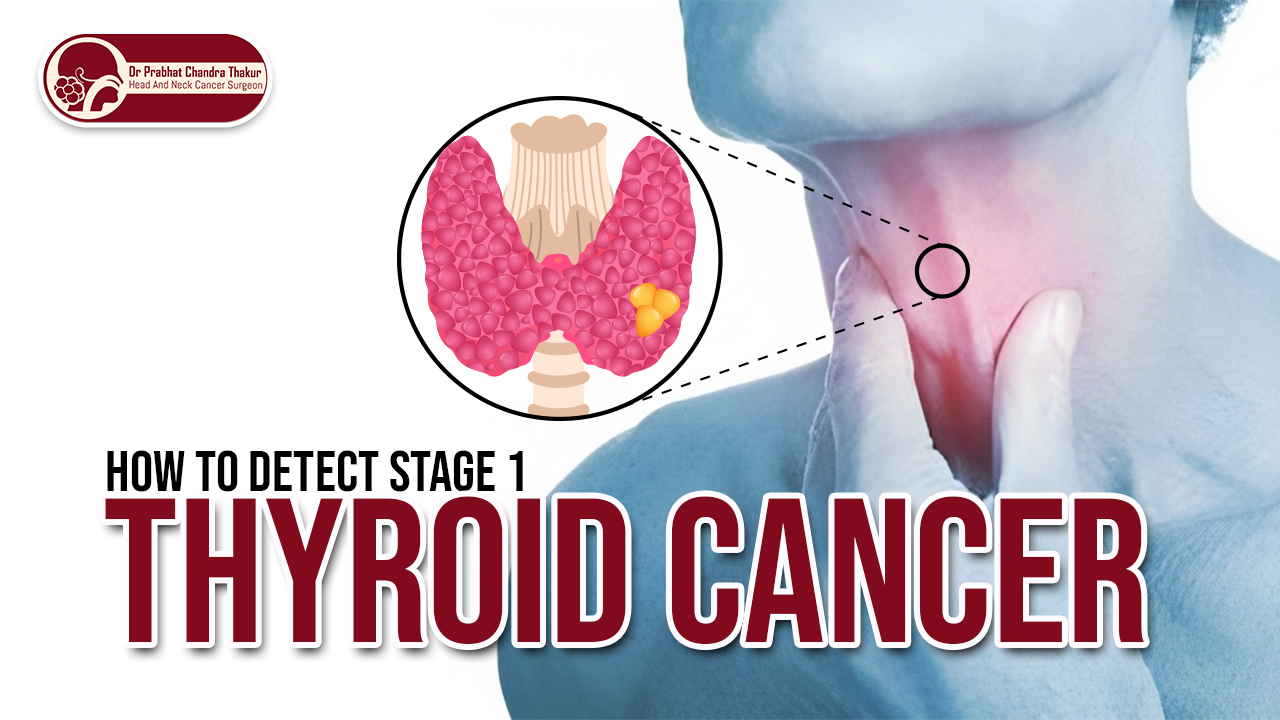
Stage Thyroid Cancer

Introduction: The thyroid gland is a butterfly-shaped organ in the front of the neck. Thyroid cancer is a type of cancer that starts in the cells of the thyroid gland. Thankfully, thyroid cancer is frequently identified early on, increasing the likelihood that treatment will be effective. The features, diagnosis, and possible treatments of Stage 1 early-stage thyroid cancer will all be discussed in this article. What is Stage 1 Early Stage Thyroid Cancer? When a thyroid cancer is in its early stages and has only reached the thyroid gland, it is referred to as stage 1 thyroid cancer. Determining the cancer’s extent and directing the right course of treatment are made possible by the staging system. In Stage 1, the thyroid is the only organ affected by the cancer; no other tissues or organs have been affected. Characteristics of Stage 1 Thyroid Cancer: Tumor Size:  In Stage 1 thyroid cancer, the tumor is usually small, with a diameter of less than 2 cm. One important determinant of the cancer’s stage is the tumor’s size. Lack of Invasion:  In the first stage, the thyroid’s cancer cells are contained there and haven’t spread to nearby lymph nodes, the esophagus, or the trachea. Diagnosis of Stage 1 Thyroid Cancer: Diagnosing thyroid cancer often involves a combination of imaging tests, blood tests, and a biopsy of the thyroid tissue. Common diagnostic procedures include: Ultrasound:  High-frequency sound waves are used to create detailed images of the thyroid, helping to determine the size and characteristics of any nodules or tumors. Fine Needle Aspiration (FNA) Biopsy:  A thin needle is used to collect a small sample of tissue from the thyroid for examination under a microscope. This helps to confirm the presence of cancer cells and determine their type. Blood Tests:  Thyroid function tests may be conducted to assess the levels of thyroid hormones and thyroid-stimulating hormone (TSH) in the blood. Treatment Options for Stage 1 Thyroid Cancer: Surgery, specifically a thyroidectomy, in which all or part of the thyroid gland is removed, is often the primary treatment for Stage 1 thyroid cancer. Additional treatments may be suggested depending on the type of thyroid cancer and individual factors. These could include: Radioactive Iodine Therapy:  This treatment may be recommended to destroy any remaining thyroid tissue or cancer cells after surgery.  Thyroid Hormone Replacement Therapy:  After thyroidectomy, patients may need to take thyroid hormone replacement medications to maintain normal thyroid function. Active Monitoring:  In some cases, especially with small, low-risk tumors, a healthcare provider may recommend active surveillance, closely monitoring the cancer without immediate intervention. Conclusion: Thyroid cancer is a localized and often treatable disease in its early stages. Early detection and management are critical to achieving effective results. If you or someone you know has been diagnosed with Stage 1 thyroid cancer, you must work closely with a healthcare team to determine the most effective treatment plan that is tailored to your specific circumstances. Regular follow-up and evaluations are required to ensure long-term health and well-being. Best Oral Cancer, Thyroid Cancer, Head and Neck Cancer Surgeon in Nepal Dr. Prabhat Chandra Thakur Designation: Consultant & Unit Chief/Program Director Head & Neck Oncology Qualification: MBBS, MS(ORL-HNS), Fellowship Head & Neck Oncology Department: Head and Neck Oncology Unit Special interest: Reconstructive surgery and Minimal Invasive surgery in Head & Neck Contact Now

What are the symptoms of thyroid cancer?

symptoms of thyroid cancer

Thyroid cancer is a relatively rare form of cancer that originates in the thyroid gland, a small butterfly-shaped organ located in the front of the neck. While thyroid cancer can often be more successfully treated compared to other types of cancer, it’s important to be aware of the symptoms and risk factors. Early detection is key to effective management. In this article we will try to “Discover common symptoms of thyroid cancer. Learn what to watch for and when to seek medical attention in Nepal.” Here are some common symptoms of thyroid cancer: A Lump in the Neck:  When you gently push on the front of your neck, you can frequently feel a lump or nodule in the thyroid gland, which is the most obvious sign of thyroid cancer. Even though these nodules are usually painless, a medical practitioner should nevertheless check them. Changes in the Voice:  Thyroid cancer can sometimes disrupt the nerves that regulate the vocal cords, causing alterations in the voice. You may experience chronic, inexplicable changes to your singing or speaking voice, as well as hoarseness. Difficulty Swallowing:  As thyroid cancer spreads, it can cause swallowing difficulties or discomfort, which is sometimes referred to as a lump or fullness in the throat. Neck Pain and Discomfort:  As thyroid cancer spreads, it can cause swallowing difficulties or discomfort, which is sometimes referred to as a lump or fullness in the throat. Enlarged Lymph Nodes:  Thyroid cancer can cause swelling near lymph nodes. You may notice swollen lymph nodes in your neck that are sensitive to the touch. Breathing Difficulties:  A large thyroid tumor may press against the windpipe (trachea) or esophagus in rare cases, causing breathing or swallowing difficulties. Persistent Cough:  A frequent cough that is not caused by a respiratory infection can be a sign of advanced thyroid cancer. Thyroid Function Changes:  Thyroid cancer patients may experience changes in thyroid hormone levels, which can cause symptoms such as unexplained weight changes, fatigue, or mood swings. It’s crucial to remember that a lot of these symptoms are non-specific and can be caused by a number of benign conditions. However, if you experience any of these symptoms, especially if they get worsen, you should seek medical attention immediately. Early detection and treatment provide the best chance of successful thyroid cancer management. Furthermore, certain risk factors, such as a family history of thyroid cancer, radiation exposure, and certain genetic syndromes, can increase the likelihood of developing thyroid cancer. Regular check-ups and communication with your healthcare provider can aid in the identification and management of these risk factors. Remember that most thyroid nodules are benign, but it’s always a good idea to be cautious and seek medical advice if you’re unsure. Best Oral Cancer, Thyroid Cancer, Head and Neck Cancer Surgeon in Nepal Dr. Prabhat Chandra Thakur Designation: Consultant & Unit Chief/Program Director Head & Neck Oncology Qualification: MBBS, MS(ORL-HNS), Fellowship Head & Neck Oncology Department: Head and Neck Oncology Unit Special interest: Reconstructive surgery and Minimal Invasive surgery in Head & Neck Contact Now

Oral cancer Diagnosis

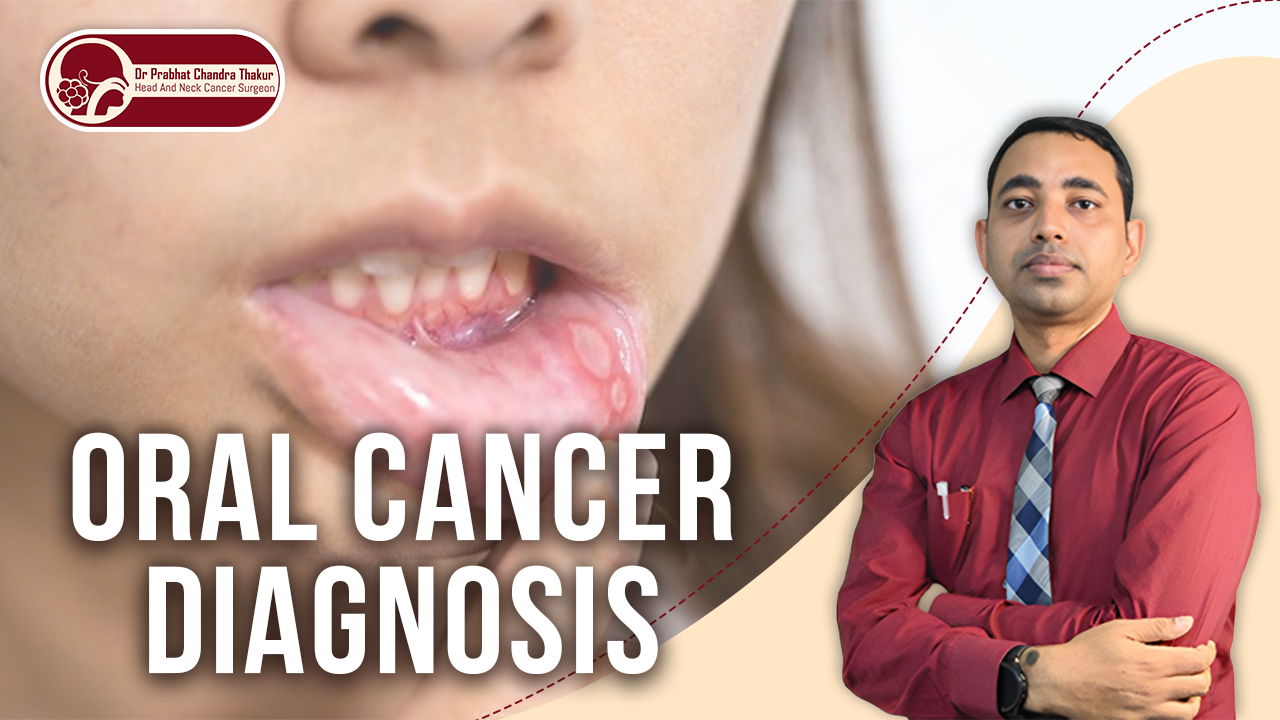
Oral cancer Diagnosis

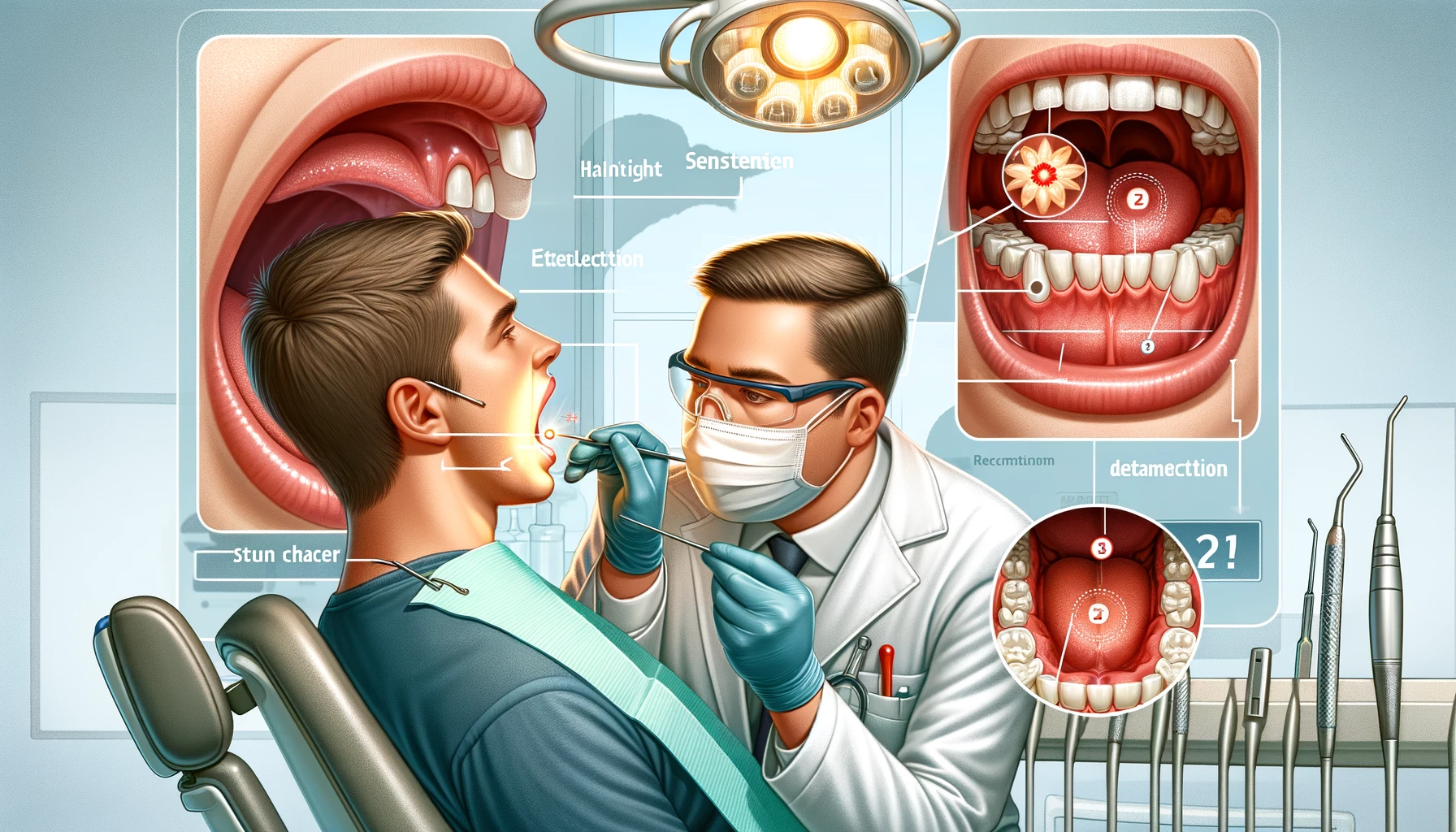
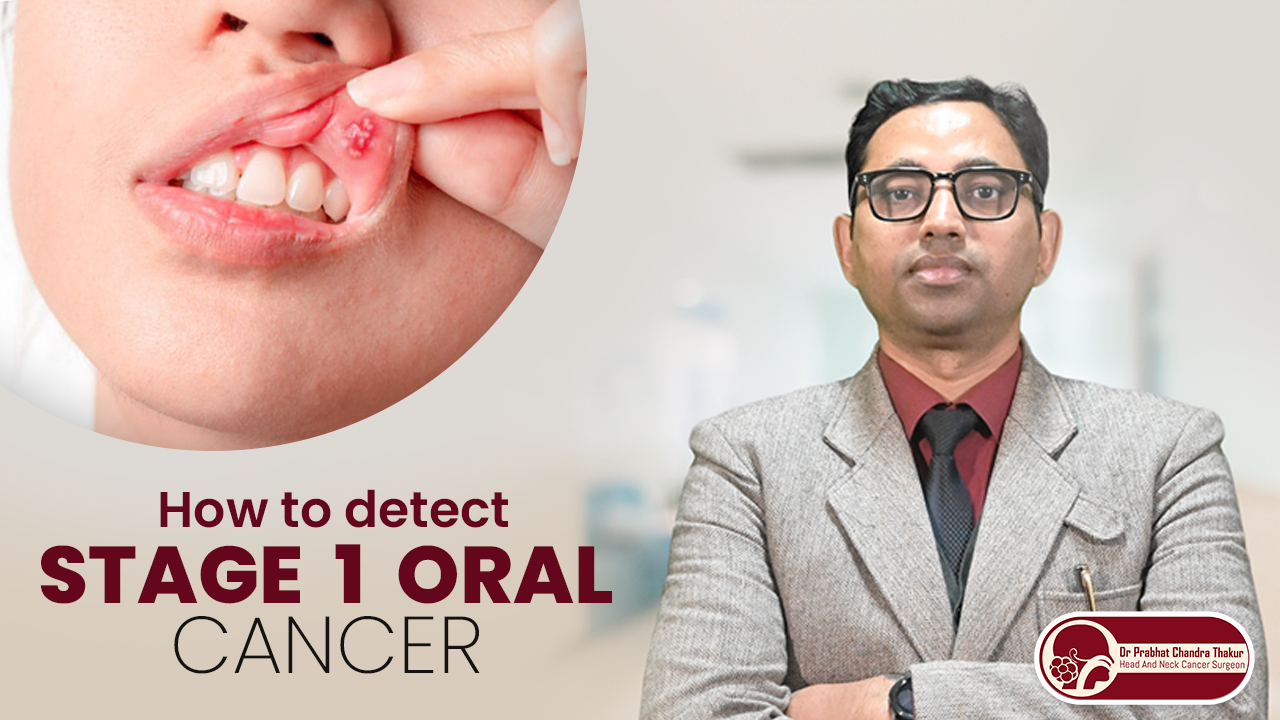
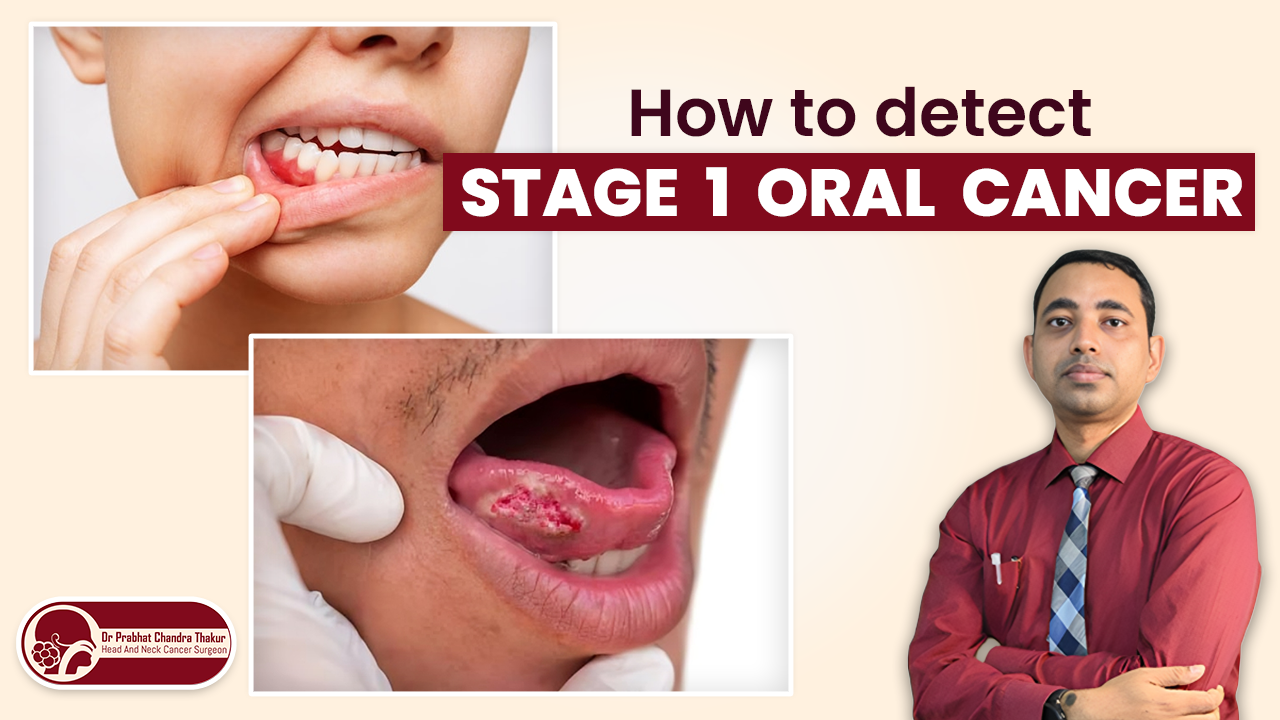
Diagnosing oral cancer is a crucial step in its management and treatment. Early detection can significantly improve the chances of successful treatment and recovery. Oral cancer, which includes cancers of the mouth, lips, tongue, and throat, can develop slowly and without noticeable symptoms in its early stages. Therefore, it is essential for both healthcare professionals and individuals to be aware of the various methods and procedures used for oral cancer diagnosis. It’s important to note that early diagnosis of oral cancer is key to successful treatment. Regular dental check-ups and prompt evaluation of any suspicious symptoms, such as persistent mouth sores or difficulty swallowing, can lead to earlier detection and a better prognosis. If oral cancer is diagnosed, the treatment plan will depend on factors like the stage of cancer, the patient’s overall health, and the location of the tumor. Treatment options may include surgery, radiation therapy, chemotherapy, or a combination of these approaches. Therefore, it’s essential for individuals to be proactive about their oral health and seek medical attention if they have any concerns about oral cancer. Best Oral Cancer, Thyroid Cancer, Head and Neck Cancer Surgeon in Nepal Dr. Prabhat Chandra Thakur Designation: Consultant & Unit Chief/Program Director Head & Neck Oncology Qualification: MBBS, MS(ORL-HNS), Fellowship Head & Neck Oncology Department: Head and Neck Oncology Unit Special interest: Reconstructive surgery and Minimal Invasive surgery in Head & Neck Contact Now

What Are the Treatments Available for Oral Cancer?

Treatment For Oral Cancer

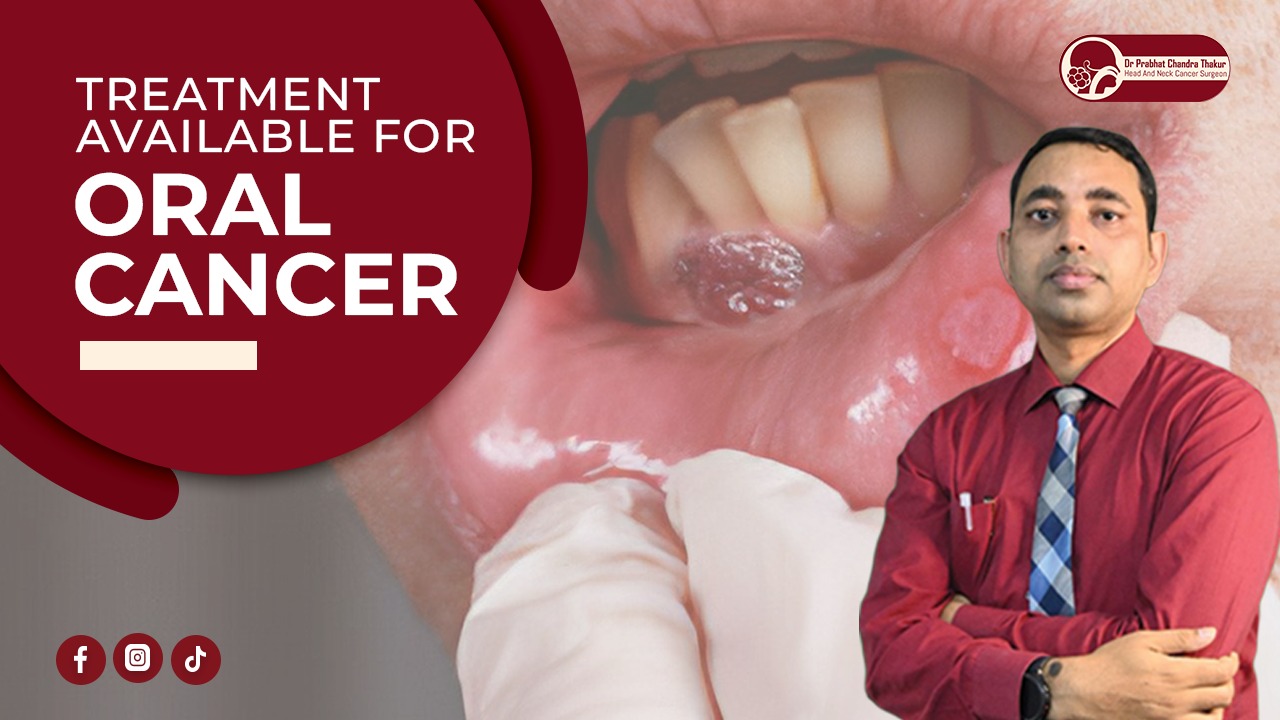
Oral cancer is a serious medical condition that affects thousands of people worldwide. It can develop in various parts of the mouth, including the lips, tongue, gums, and the lining of the cheeks. The treatment for oral cancer depends on factors such as the stage of the cancer, its location, and the overall health of the patient. Traditional treatment for oral cancer in Nepal include surgery, radiation therapy, and chemotherapy. However, there are also emerging and innovative treatments that offer new hope for patients diagnosed with this disease. I. Treatment Options for Oral Cancer: A. Surgery  B. Radiation Therapy  C. Chemotherapy  II. Multidisciplinary Approaches  A. Combined modality treatments  One of the most effective ways to treat oral cancer is through combined modality treatments. This approach combines different types of therapies, such as surgery, radiation therapy, and chemotherapy, to target the cancer from multiple angles. Combined modality treatments can help increase the chances of successful tumor removal and reduce the risk of cancer recurrence. B. Role of medical oncologists, radiation oncologists, and surgeons in treatment planning  The successful treatment of oral cancer relies on the expertise of various specialists, each playing a crucial role in treatment planning and execution. C. Personalized treatment plans Every patient’s oral cancer is unique, and treatment plans must be tailored to individual needs. Personalized treatment plans take into account factors such as the stage and location of the cancer, the patient’s overall health, and their preferences. A multidisciplinary team of healthcare professionals collaborates to create a treatment plan that offers the best chance of success while minimizing side effects and preserving quality of life. III. Emerging and Innovative Treatments  A. Immunotherapy:  Immunotherapy is a cutting-edge treatment option that has shown promise in the fight against oral cancer. This approach harnesses the power of the body’s immune system to target and destroy cancer cells. Immunotherapy drugs, such as checkpoint inhibitors, work by blocking the mechanisms that prevent immune cells from recognizing and attacking cancer cells. This can lead to a more effective immune response against oral cancer. While immunotherapy is not yet a standard treatment for all oral cancer cases, ongoing research and clinical trials are exploring its potential benefits. B. Photodynamic Therapy:  Photodynamic therapy (PDT) is a minimally invasive treatment option for oral cancer. It involves the use of a photosensitizing agent and laser light to selectively destroy cancer cells. The photosensitizer is administered to the patient either intravenously or topically and is absorbed by the cancer cells. When exposed to laser light, the photosensitizer becomes activated and generates reactive oxygen species, which can destroy the cancer cells. PDT is less invasive than surgery and can be a valuable option for treating early-stage oral cancers and precancerous lesions. C. Clinical Trials and Experimental Therapies:  Clinical trials are crucial in advancing the treatment options for oral cancer. These trials test new drugs, therapies, and treatment approaches to determine their safety and efficacy. Patients who participate in clinical trials have the opportunity to access cutting-edge treatments that may not yet be widely available. Experimental therapies, such as targeted therapies and gene therapies, are continually being explored in the quest to find more effective and less invasive treatments for oral cancer. D. Potential Benefits and Risks:  While emerging treatments offer hope and potential advantages for oral cancer patients, it’s important to acknowledge that they also come with potential risks and uncertainties. Each patient’s case is unique, and not all individuals will be eligible for or benefit from these innovative treatments. Furthermore, the long-term effects and success rates of these treatments are still being studied. Patients considering these treatments should discuss their options thoroughly with their healthcare team and weigh the potential benefits against the risks. IV. Rehabilitation and Supportive Care  Oral cancer treatment can be physically and emotionally challenging, and patients often require rehabilitation and supportive care to enhance their quality of life during and after treatment. This section discusses various aspects of rehabilitation and supportive care for oral cancer patients. A. Managing Treatment Side Effects (e.g., pain, difficulty swallowing) B. Speech Therapy and Rehabilitation C. Psychological and Emotional Support D. Nutritional Support V. Survivorship and Follow-Up  A. Life after Oral Cancer Treatment Surviving oral cancer is a courageous journey that often involves multiple treatment modalities such as surgery, radiation therapy, chemotherapy, and targeted therapy. While these treatments aim to eradicate cancer cells and promote recovery, life after oral cancer treatment can present unique challenges and considerations for survivors. In this section, we will explore what survivors can expect in their post-treatment journey and offer guidance on maintaining a healthy, fulfilling life. B. Importance of Regular Follow-Up Appointments After completing initial treatment for oral cancer, survivors should establish a schedule of regular follow-up appointments with their healthcare team. These appointments are essential for several reasons: C. Monitoring for Recurrence and Late Effects Survivors of oral cancer should be vigilant about their health and report any new symptoms or concerns to their healthcare team promptly. It’s essential to understand that survivorship is a journey, and with the right support and care, individuals can lead fulfilling lives after oral cancer treatment. VI. Preventing Oral Cancer  Oral cancer is a potentially life-threatening condition that affects the mouth and throat. While treatment options for oral cancer have advanced significantly in recent years, prevention remains a critical aspect of reducing the incidence of this disease. In this section, we will explore the various preventive measures individuals can take to lower their risk of developing oral cancer. A. Lifestyle Modifications: One of the most effective ways to prevent oral cancer is through lifestyle modifications. Certain habits and behaviors are known to increase the risk of developing this disease, and making positive changes can significantly reduce that risk. Key lifestyle modifications include: B. HPV Vaccination: Human papillomavirus (HPV) is a group of viruses that can infect the genital and oral areas. Some strains of HPV are known to increase the risk of oral cancer. Vaccination against HPV is a powerful preventive measure, particularly for young … Read more

Thyroid Cancer Awareness Month: Understanding, Prevention, and Support

Thyroid cancer awareness month

Introduction September is a Thyroid Cancer Awareness Month is a crucial time to shed light on this often overlooked but significant health concern. Thyroid cancer, though relatively rare compared to other cancers, can have a profound impact on individuals and their families. In this blog post, we will delve into the various aspects of thyroid cancer, from understanding the basics to prevention strategies and the importance of raising awareness and support. Understanding Thyroid Cancer What is Thyroid Cancer? The thyroid gland, a small butterfly-shaped organ located in the neck, plays a vital role in regulating our metabolism. Thyroid cancer occurs when abnormal cells begin to grow in this gland. There are several types of thyroid cancer, with papillary and follicular being the most common. Understanding these types is essential for early detection and treatment. Common Symptoms of Thyroid Cancer: Thyroid nodules, lumps or growths in the thyroid gland, are often the first sign of thyroid cancer. Other symptoms may include difficulty swallowing, hoarseness, and persistent neck pain. Being aware of these symptoms can help individuals seek medical attention when needed. Diagnosis and Screening Importance of Early Detection Early detection is crucial for successful thyroid cancer treatment. Routine check-ups and screenings can help identify thyroid nodules or abnormalities. If a nodule is found, a thyroid ultrasound and fine-needle aspiration biopsy may be recommended to determine whether it is cancerous. Treatment Options Surgery as the Primary Treatment: Surgery is the primary treatment for thyroid cancer. Depending on the extent and type of cancer, the surgeon may remove part or all of the thyroid gland. In some cases, nearby lymph nodes may also be removed to prevent the spread of cancer. Radiation Therapy and Chemotherapy: In cases where cancer has spread or cannot be completely removed, radiation therapy and chemotherapy may be necessary. These treatments target cancer cells and help prevent their growth and spread. Targeted Therapies and Immunotherapy: Emerging treatments like targeted therapies and immunotherapy are showing promise in treating advanced thyroid cancer. These therapies work by targeting specific molecules or bolstering the body’s immune system to fight cancer cells. Thyroid Cancer Survivor Stories Personal Triumphs: The journey of a thyroid cancer patient is filled with challenges, but many individuals have emerged as survivors and thrivers. Their stories inspire hope and resilience. Survivors often emphasize the importance of a strong support network and staying informed about treatment options. Prevention and Awareness Lifestyle Factors for Prevention: While there is no foolproof way to prevent thyroid cancer, adopting a healthy lifestyle can reduce your risk. This includes maintaining a balanced diet, regular exercise, and avoiding exposure to radiation. The Significance of Thyroid Cancer Awareness Month: Thyroid Cancer Awareness Month serves as a platform to educate and engage the public. By spreading awareness about symptoms, risk factors, and early detection, we can empower individuals to take charge of their health. Ways to Get Involved: There are numerous ways to get involved during Thyroid Cancer Awareness Month. Consider participating in local events, sharing informative posts on social media using dedicated hashtags, or donating to organizations dedicated to thyroid cancer research and support. Conclusion In conclusion, Thyroid Cancer Awareness Month provides an opportunity to learn about thyroid cancer, its prevention, and the importance of early detection and support. By understanding the basics of thyroid cancer, recognizing its symptoms, and taking proactive steps to promote awareness, we can make a meaningful impact in the fight against this disease. Together, we can provide hope, support, and a brighter future for those affected by thyroid cancer. Best Oral Cancer, Thyroid Cancer, Head and Neck Cancer Surgeon in Nepal Dr. Prabhat Chandra Thakur Designation: Consultant & Unit Chief/Program Director Head & Neck Oncology Qualification: MBBS, MS(ORL-HNS), Fellowship Head & Neck Oncology Department: Head and Neck Oncology Unit Special interest: Reconstructive surgery and Minimal Invasive surgery in Head & Neck Contact Now

Head and Neck Cancer Awareness Day in Nepal: Shining a Light on Early Detection and Hope

Head and Neck Cancer Awareness Day

Join us as we commemorate the Head and Neck Cancer Awareness Day in Nepal, a day dedicated to raising awareness about this prevalent but often overlooked form of cancer. On this special occasion, we unite to educate communities, support survivors, and advocate for early detection and prevention strategies. Let us come together to make a difference in the lives of those affected by this challenging disease. Why is Awareness Important: Head and Neck Cancer poses significant health risks, affecting vital areas like the mouth, throat, larynx, and nasal passages. By spreading awareness, we empower individuals to recognize potential symptoms and seek medical attention promptly. Early detection can lead to more effective treatments and improved outcomes for patients. Through our collective efforts, we strive to reduce the burden of head and neck cancer in Nepal and improve overall public health. Get Involved On this awareness day, we invite you to participate in various events and activities geared towards raising funds for research, supporting patients and their families, and promoting preventative measures. By engaging in community-driven initiatives, we strengthen the bonds that tie us together and amplify our impact on combating head and neck cancer. Significance of Support For those currently battling head and neck cancer, your support can make a world of difference. Reach out to local support groups and organizations, contribute to awareness campaigns, and be a source of encouragement for survivors. Let us create a compassionate network that fosters hope, resilience, and unity among patients and their caregivers. Prevention and Screening Prevention plays a vital role in reducing the incidence of head and neck cancer. Share valuable information about lifestyle choices that can minimize risk factors, such as tobacco cessation and alcohol moderation. Encourage regular screenings and check-ups, allowing for early diagnosis and timely intervention. Conclusion Together, we can be the driving force behind positive change in the fight against head and neck cancer. Let’s raise our voices, spread awareness, and foster a community that stands by those impacted by this disease. Join us on the Head and Neck Cancer Awareness Day in Nepal and be a part of this meaningful journey towards a healthier and cancer-free future. Spread the word: Share this message with friends, family, and colleagues. Follow us on social media for updates on events and ways to get involved. Together, we can make a significant impact on Head and Neck Cancer Awareness Day in Nepal and beyond. Best Oral Cancer, Thyroid Cancer, Head and Neck Cancer Surgeon in Nepal Dr. Prabhat Chandra Thakur Designation: Consultant & Unit Chief/Program Director Head & Neck Oncology Qualification: MBBS, MS(ORL-HNS), Fellowship Head & Neck Oncology Department: Head and Neck Oncology Unit Special interest: Reconstructive surgery and Minimal Invasive surgery in Head & Neck Contact Now

Are Nosebleeds a Sign of Cancer?

Are Nosebleeds a Sign of Cancer

Nosebleeds, also known as epistaxis, typically occur due to the rupture of blood vessels in the nose. While nosebleeds themselves do not directly cause neck cancer, persistent or recurrent nosebleeds can sometimes be a symptom or an indication of an underlying condition that may increase the risk of developing certain types of cancer. One such condition is nasopharyngeal cancer, which is a rare form of head and neck cancer. Nasopharyngeal cancer begins in the nasopharynx, the upper part of the throat located behind the nose. Persistent nosebleeds or blood-stained mucus, along with other symptoms like a lump in the neck, hearing loss, or difficulty swallowing, can be warning signs of nasopharyngeal cancer. However, it’s important to note that nosebleeds are a common occurrence and are usually not a cause for concern. It’s worth mentioning that neck cancer, or cancer of the neck itself, is not typically caused by nosebleeds. Neck cancer usually refers to cancer that originates in the structures of the neck, such as the lymph nodes, salivary glands, or thyroid gland. The development of neck cancer is usually attributed to factors like tobacco use, excessive alcohol consumption, exposure to certain chemicals or radiation, viral infections (such as human papillomavirus or Epstein-Barr virus), and genetic predisposition. If you are experiencing persistent or concerning symptoms such as frequent nosebleeds or any other health issues, it’s always advisable to consult a medical professional who can evaluate your condition, provide a proper diagnosis, and recommend appropriate treatment if necessary. Why nose bleeds occurs: The most common causes of nosebleeds include: In most cases, nosebleeds are not a cause for significant concern and can be managed at home by tilting the head forward, pinching the nostrils together, and applying pressure. However, if nosebleeds are frequent, severe, or accompanied by other concerning symptoms, it’s important to seek medical attention for further evaluation and appropriate treatment. Best Oral Cancer, Thyroid Cancer, Head and Neck Cancer Surgeon in Nepal Dr. Prabhat Chandra Thakur Designation: Consultant & Unit Chief/Program Director Head & Neck Oncology Qualification: MBBS, MS(ORL-HNS), Fellowship Head & Neck Oncology Department: Head and Neck Oncology Unit Special interest: Reconstructive surgery and Minimal Invasive surgery in Head & Neck Contact Now

Oral Cancer Questions & Answers

Oral Cancer Q&A

What is an interesting fact about oral cancer? Men develop oral cancer considerably more frequently than women, and the risk rises with age. Alcohol use and tobacco use both significantly increase the risk of oral cancer. How do you deal with oral cancer? A full recovery may be feasible with just surgery if the cancer has not advanced past the mouth or the oropharynx, the area of the throat at the rear of the mouth. It may be necessary to combine surgery, radiation, and chemotherapy if the cancer is big or has progressed to your neck. Can you kiss with oral cancer? Some people’s partners are concerned that they could contract cancer through kissing. However, cancer cannot be contracted by another person to reassure them. You and your partner are free to kiss and engage in any other form of physical contact that you find acceptable. What age is oral cancer most common? The age range from 60 to 74 was the most prevalent. Conclusions In Nepal, the trend of HNCs is on the rise, particularly oral malignancies. How long does oral cancer last? Overall, 68% of people with oral cancer survive for 5 years. Diagnosing oral cancer at an early, localized stage significantly increases 5-year survival rates. Can oral cancer spread to the lips? Lips, the tip of your tongue, the roof, and the floor of your mouth are all impacted by oral cancer. Is oral cancer hard to cure? A full recovery may be feasible with just surgery if the cancer has not advanced past the mouth or the oropharynx, the area of the throat at the rear of the mouth. What are the 3 ways cancer can spread? How Cancer Spreads extending into or encroaching on surrounding healthy tissue. passing through the walls of neighboring blood arteries or lymph nodes. reaching other bodily areas via the circulation and lymphatic system. What are the main causes of oral cancer? Oral cancer is most commonly brought on by: What happens after oral cancer? Changes in eating, talking, and looking can all occur following surgery for oral and oropharyngeal cancer. How successful is mouth cancer surgery? Five years following surgery, 96 (54%) of the 178 patients were still alive and oral cancer-free. Oral cancer claimed the lives of 44 individuals (24.7%), although other causes claimed the lives of 38 (20.3%). Stage-related overall survival rates following main surgery were: I 84%, II 71%, III 36%, and IV 28%. Can Stage 4 cancer survive? Many people with stage 4 cancer can live for years even though the general prognosis may be bad based on cases with prior patients and outdated therapies. Can Stage 4 cancer be cured? Even while therapy may increase overall survival and quality of life in stage 4 cancer, it is typically incurable. How long does oral cancer take to develop? Years may pass before oral cancer develops. After age 55, most people discover they have it. However, malignancies connected to HPV are developing in more young males. And Gender. Where is oral cancer most common? The most common locations for cancer in the oral cavity are: Best Oral Cancer, Thyroid Cancer, Head and Neck Cancer Surgeon in Nepal Dr. Prabhat Chandra Thakur Designation: Consultant & Unit Chief/Program Director Head & Neck Oncology Qualification: MBBS, MS(ORL-HNS), Fellowship Head & Neck Oncology Department: Head and Neck Oncology Unit Special interest: Reconstructive surgery and Minimal Invasive surgery in Head & Neck Contact Now