Mouth Cancer

Know about mouth cancer

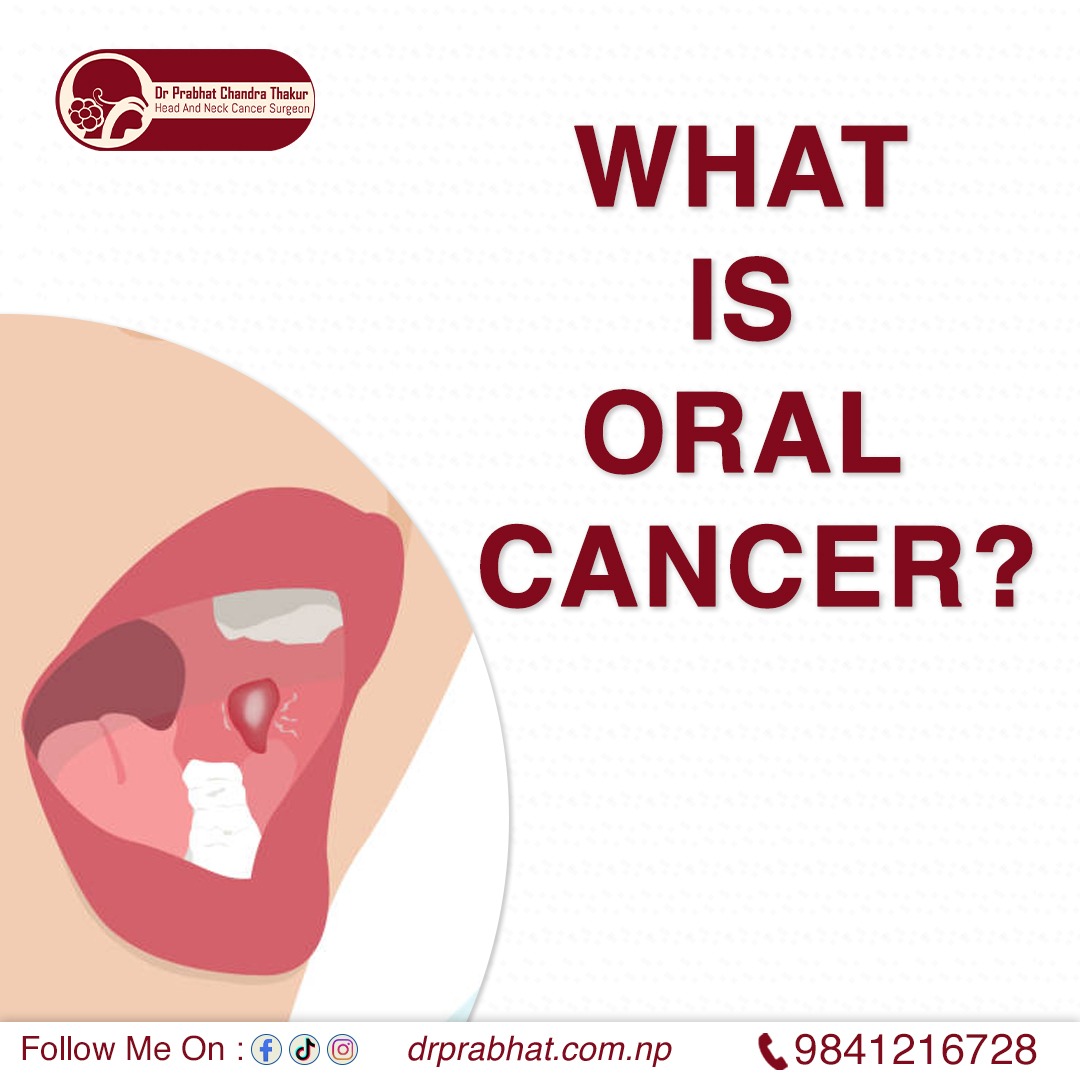
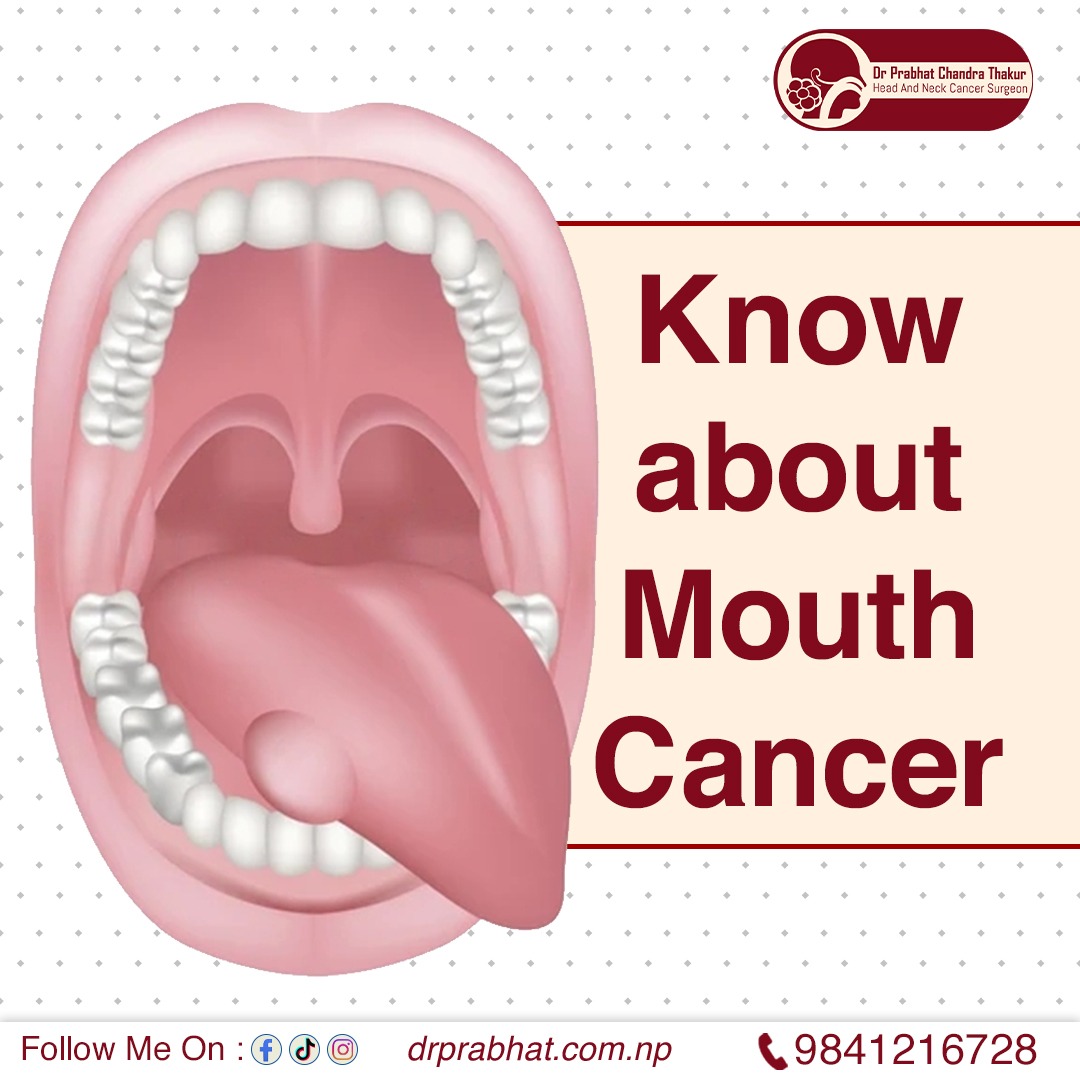
What is mouth cancer? Mouth cancer, also known as oral cancer, is a type of cancer that affects the tissues of the mouth and throat. It can develop in any part of the oral cavity, including the lips, tongue, gums, and cheeks, as well as the oropharynx (the back of the throat, including the tonsils) and the larynx (the voice box). In Nepal, Oral cancer cases were reported at 4.9 new cases per 100,000 men, based on a report generated. Mouth cancer is a serious condition that can be life-threatening if not caught and treated early. In this blog post, we will discuss everything you should know about Oral cancer, including its causes, symptoms, and treatment options. Which Body Parts Are Affected From Mouth cancer? The oral cavity is the area of the body that includes the lips, tongue, gums, cheeks, and hard and soft palates. It also includes the teeth, the floor of the mouth, and the area behind the wisdom teeth. Any of these areas can be affected by Oral cancer. • The lips are the most common area for lip cancer to develop. Lip cancer typically appears as a sore or a scaly patch on the lip that does not heal. • The tongue is another common area for Mouth cancer to develop. The cancerous cells may appear as a red or white patch on the tongue or as a sore that does not heal. • The gums are also a common area for Oral cancer to develop. The cancerous cells may appear as a red or white patch on the gums or as a sore that does not heal. • The cheeks, floor of the mouth, and the area behind the wisdom teeth are also areas that can be affected by Mouth cancer. In these areas, cancerous cells may appear as red or white patches or as sores that do not heal. It’s important to note that Oral cancer can also spread to other parts of the body, such as the lymph nodes in the neck. Causes and Risk Factors of Mouth cancer The exact cause of Mouth cancer is not known, but certain risk factors have been identified that increase the likelihood of developing the disease. The most common risk factors for Mouth cancer include the following: • Tobacco use: Smoking cigarettes or using smokeless tobacco (such as chewing tobacco or snuff) is the leading cause of Oral cancer.  • Alcohol consumption: Heavy alcohol use is also a major risk factor for Oral cancer. • Age: Mouth cancer is more common in people over the age of 50. • HPV infection: Human papillomavirus (HPV) is a sexually transmitted virus that has been linked to certain types of Oral cancer, particularly in the oropharynx.  • Sun exposure: Long-term sun exposure increases the risk of lip cancer. Symptoms of Mouth cancer There can be a variety of symptoms associated with Mouth cancer, depending on the location and stage of the disease. Some of the most common symptoms are: • You may experience pain or numbness at the corners of your mouth or on your lips • Unhealed sores or lumps on the lips or in the mouth • Having difficulty swallowing or speaking • A change in the way the teeth fit together during the mouth is close. • A white or red patch on the gums, tongue, or lining of the mouth • A sore throat or hoarseness that does not go away • A lump in the neck • Weight loss. It’ is important to know that these symptoms can also be caused by other conditions, such as cold sores or infections. However, if you experience any of these symptoms, be sure to see a doctor (oral/mouth cancer surgeon) or dentist to be examined. Diagnosis of Mouth cancer Diagnosing Mouth cancer involves identifying the signs and symptoms of the disease, as well as performing specific tests to confirm the diagnosis. If your doctor (Head and neck cancer surgeon) or dentist suspects that you may have Oral cancer, they will perform a thorough examination of your mouth and throat. They may also order additional tests, such as a biopsy, to confirm the diagnosis. Follow these steps to diagnosing Mouth cancer: Oral examination:  The first step in diagnosing Oral cancer is a thorough examination of the mouth and throat. During this exam, the dentist or doctor (oral/ mouth cancer surgeon) will look for any suspicious sores, lumps, or discolorations in the oral cavity. They may also feel for any lumps or hard areas in the lymph nodes in the neck. Biopsy:  If the oral examination reveals any suspicious areas, the next step is a biopsy. A biopsy involves removing a small piece of tissue from the suspicious area and analyzing it under a microscope. The only way to confirm an Oral cancer diagnosis is through a biopsy. Imaging tests:  Imaging tests, such as an X-ray, CT scan, or MRI, may be used to determine the stage of cancer and to check if it has spread to other parts of the body. Endoscopy:  An endoscopy may be performed to examine the throat, larynx, and pharynx. This procedure involves using a thin, lighted tube to look inside the throat. Other tests: Other tests such as blood tests, may be performed to check for the presence of cancer cells in the blood or to check the overall health of the patient. Preventive Measures of Mouth cancer? Preventing Mouth cancer is crucial to avoid the disease and its complications. Here are some preventive measures that can help reduce the risk of oral cancer: Quit smoking: Smoking and using smokeless tobacco are the leading cause of Oral cancer. Quitting smoking and avoiding smokeless tobacco can significantly reduce the risk of Mouth cancer. Limit alcohol consumption:  Heavy alcohol use is a major risk factor for Oral cancer. Limiting alcohol consumption can significantly reduce the risk of Oral cancer. Practice safe sun practices:  Prolonged exposure to the sun can increase the risk of … Read more

Oral Cancer Surgery

Oral cancer surgery

Oral Cancer Surgery For most people who have oral cancer, surgery is the primary treatment. It is usually possible to remove these tumors through the opening of the oral cavity, but in some cases, a more extensive surgical procedure may be required. Your surgical options will be determined by factors such as your tumor’s size, stage, and location. Types of Oral Cancer surgery: One or more of the following procedures may be recommended depending on the stage of your oral cancer. We provide an in-depth guide to the different types of operations used to treat oral cancer. Tumour resection: A tumour resection is an operation that removes the tumour. In an effort to eradicate as many cancer cells as possible, the margin, which surrounds the tumour, is also removed during this procedure. Often, a small tumour can be removed through the mouth if it is easily reached. Tumours that are larger or harder to reach may require incisions in the neck, face, or jawbone. Full or partial mandible resection : It is occasionally necessary to remove the mandible or perform a mandibulectomy when the tumour has grown into the jaw bone. The jawbone is removed in part or in its entirety during this procedure. Only a small piece of the bone may be removed if an X-ray shows the jawbone is normal and no cancer cells are found in the area. On the other hand, if the X-ray shows cancer in the jawbone, it may be necessary to remove the entire bone. Glossectomy: Depending on the size oftumourtumor, the type of glossectomy used to remove tongue cancer may vary. In cases of very small tumours, a partial glossectomy may be used to treat them. The entire tongue may need to be removed if the tumour is large enough to require a glossectomy. Maxillectomy: In this operation, the hard palate, which forms the front of the mouth, is removed. In some cases, a denture can be used to fill the hole left by the surgery. You will likely be referred to a prosthodontist by your doctor in order to have a prosthesis tailored to your mouth. In cases where the jawbone is removed in large portions or completely, a prosthesis may not be possible. In this case, it may be necessary to reconstruct the maxilla surgically. Laryngectomy: An oncologist performs a laryngectomy by removing both the voice box and the primary tumour. To remove as many cancer cells as possible, some tissue involved in swallowing may need to be removed when a large tumour has grown on the tongue or in the oropharynx. This process can result in food entering the windpipe (trachea) and the lungs, causing pneumonia. Occasionally, a laryngectomy is recommended when pneumonia is likely to occur. As part of this procedure, a hole in the neck’s skin is used to connect the windpipe to the lungs. After having a laryngectomy, it is not guaranteed that a patient will no longer be able to speak. What Are The Possible Oral Cancer Surgery Procedures? In some circumstances, it may be possible to regain vocal function following a laryngectomy through the use of several techniques. Neck dissection : When lymph nodes in the neck have been affected by oral cancer, this type of surgery is used to remove them. There are different treatment options for lymph node cancer based on its size and extent, including the following: • Selective or partial neck dissection to remove only part of a lymph node • A radical neck dissection is sometimes performed to remove most lymph nodes between the jawbone and collarbone on one side of the neck, as well as some muscles and nerves • Extensive muscle, nerve, and vein removal along with a radical neck dissection to remove nearly all lymph nodes in one side Pedicle or free flap Reconstruction: A large tumour may require some kind of repair in the mouth, throat or neck after it has been removed. It is sometimes necessary to perform a skin graft. A thin slice of skin is removed from the thigh and reattached to the oral cavity area that needs repair. Depending on the size of the defect, a piece of muscle or skin may need to be shifted from a nearby area, such as the chest. Microsurgery : The advancement of microvascular surgery has aided in the reconstruction of the oral cavity and oropharynx through the attachment of blood vessels under a microscope. As a result of these techniques, it may be possible to replace parts of the mouth, throat, or jawbone with tissue derived from distant parts of the body, such as the intestines, arm muscles, abdominal muscles, or even lower leg bones. Tracheostomy:  An opening in the windpipe and front of the neck may be made if a tumour in the oropharynx is too large to be completely removed. In some cases, the removal of a tumour may result in extensive swelling of the neck. A temporary tracheostomy, which is an incision made in the trachea, may be performed by your surgical oncology team to help ease your breathing until the swelling subsides. Gastrostomy tube:  It is sometimes possible to place a gastrostomy tube directly into the stomach. If an oral cavity or oropharynx cancer is preventing swallowing, this approach may be recommended. It may be possible to provide adequate nutrition to the patient via a gastrostomy tube. It is also possible to insert a feeding tube through the mouth into the stomach. A camera is attached to the end of a long, thin tube to perform this procedure, known as a percutaneous endoscopic gastrostomy, or PEG. A tube may be used to deliver liquid nutrients. Depending on the situation, these tubes may be inserted for a short or long time. You may leave them in after treatment if necessary to keep yourself healthy and fed. Once normal eating has been resumed, the tube can easily be removed. Dental extraction and implants:  It is possible to have to remove your … Read more

What is a Thyroid cancer?

What is Thyroid Cancer

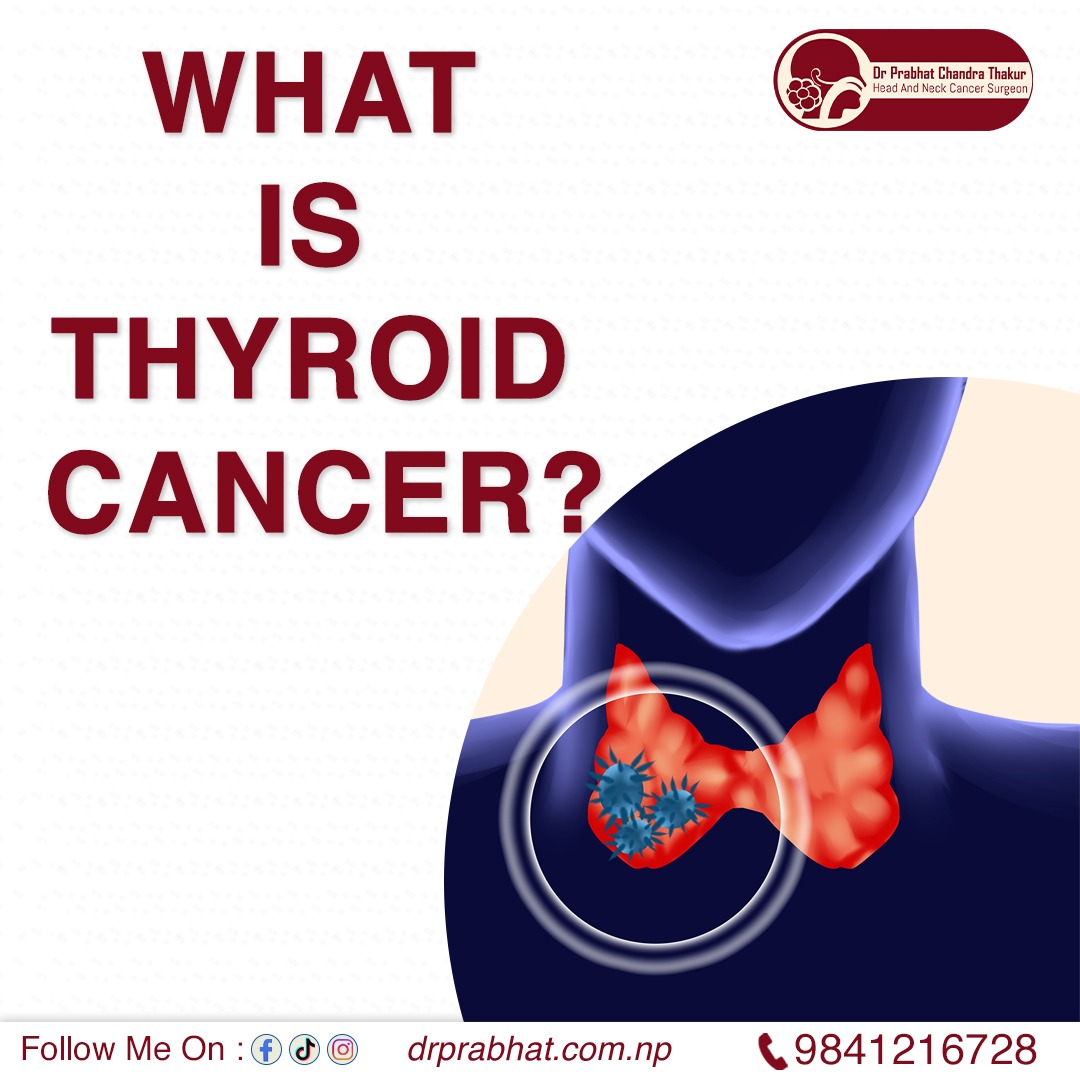
Thyroid cancer is a type of cancer that affects the thyroid gland and is still relatively uncommon but becoming more prevalent. With a five-year survival rate of more than 98% for papillary thyroid cancer and more than 80% for follicular thyroid cancer, the prognosis for thyroid cancer is usually favourable. However, medullary and anaplastic thyroid cancers have a worse prognosis and a reduced survival rate. Early detection and prompt therapy are essential for a successful course of treatment and a favourable prognosis. Anyone susceptible to developing thyroid cancer or who has a family history of the condition should undergo routine checkups and monitoring exams. Thyroid cancer is the growth of cells that originates in the thyroid. The thyroid is a small gland with a butterfly-like structure present at the base of the neck that produces hormones that regulate metabolism. Thyroid cancer: How common is it? With only 3% of all tumours being thyroid cancer, it is comparatively uncommon. But in recent years, its prevalence has grown. People in their 30s and older suffer from it the most frequently. It is two to three times more common in women than in men. What are the types of thyroid cancer? There are four main types: What are the risks factors of thyroid cancer? When the DNA of thyroid cells is altered, leading to the cells’ uncontrollable development and the growth of a lump, then risk factor is arise. Although the precise cause of thyroid cancer is unknown, several factors can elevate the risk such as: What signs and symptoms are present in thyroid cancer? Depending on the type and stage of cancer, symptoms can be change. There may be no symptoms at all in many cases, and cancer would only be noticed while a routine physical examination or imaging test. However, some typical signs and symptoms of this cancer are: How to diagnosis thyroid cancer? It is usually diagnosed through a combination of imaging tests, such as In addition, thyroid hormone levels may be further examined via blood tests to check for any irregularities. How to treat thyroid cancer? This cancer is treatment is depending on the type and stage of the disease, the patient’s age, and overall health.  Treatments comprise: Surgery: Surgery is typically the primary treatment for cancer. Sometimes it may be necessary to remove the complete thyroid gland. Radiation therapy: Following surgery, radiation treatment can be used to shrink tumours that cannot be surgically removed or to eradicate any cancer cells that may still be present. Radioiodine therapy: Radioiodine shrinks and kills cancerous cells in addition to the diseased thyroid tissue. the thyroid gland absorbs the majority of the radioiodine, and the remaining of your body is only slightly exposed to radiation. Chemotherapy: rarely used to treat thyroid cancer. It is useful in the last stage. Introduction to Head and Neck Cancer – Dr. Prabhat Chandra Thakur Best Oral Cancer, Thyroid Cancer, Head and Neck Cancer Surgeon in Nepal Dr. Prabhat Chandra Thakur Designation: Consultant & Unit Chief/Program Director Head & Neck Oncology Qualification: MBBS, MS(ORL-HNS), Fellowship Head & Neck Oncology Department: Head and Neck Oncology Unit Special interest: Reconstructive surgery and Minimal Invasive surgery in Head & Neck Contact Now

Introduction to Head and Neck Cancer

Introduction to Head and Neck Cancer

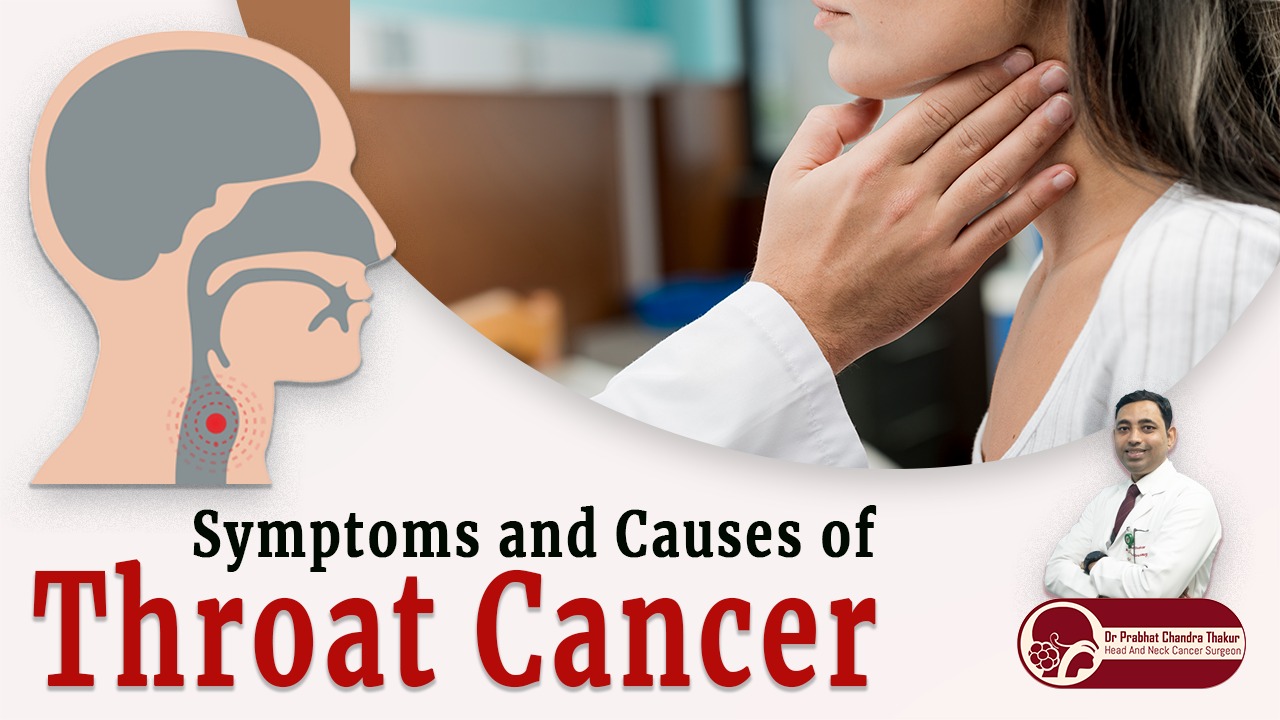
A six-to-one ratio exists between men and women who suffer from head and neck cancer. Fludeoxyglucose (FDG) PET/CT imaging has been used in several studies to stage, monitor, plan radiation therapy, and assess long-term follow-up in head and neck squamous cell carcinoma (SCC). This chapter discusses evidence-based recommendations regarding PET/CT examinations in head and neck cancers in addition to clinical information, benign findings, and risks of FDG PET/CT reading. What is Head and Neck Cancer? Cancer that appears in the mouth, throat, nose, salivary glands, oral cavity, and other parts of the head and neck is referred to as “head and neck cancer.” The most common type of head and neck cancer is squamous cell carcinoma. It comes from the tissues that border the throat, mouth, and nose.Human papillomavirus (HPV) exposure or a history of smoking are usually linked to squamous cell carcinoma. Salivary gland tumors, lymphomas, and sarcomas are a few less prevalent kinds of head andneck cancer. These malignancies can begin in any of the following locations:• The larynx, or voice box.• The nasal cavity is the space behind the nose where air travels.during breathing before reaching the throat.• mouth or oral cavity, which includes your tonsils, tongue, gums, andlips.• The gaps surrounding the nose that are coated with mucus-producing cells prevent the nose from drying out. Additionally, whether you sing or speak, they provide the space for your voice to resound.• The pharynx or the throat.• salivary glands, which produce saliva to keep meals wet and aid in digestion. Types Of Head and Neck Cancer There are five primary forms of head and neck cancer, each of which is identified by the region of the body in which it manifests. Let’s have a look at a particular types of head and neck cancer for further details. Cancer of the Larynx and Hypopharynx The voice box is another name for the larynx. This neck-based tube-shaped organ is crucial for speaking, swallowing, and breathing. It is situated at the very top of the trachea, the windpipe. The gullet isanother name for the hypopharynx. The larynx is covered by the bottom portion of the neck. Cancer of the paranasal sinuses and nasal cavity The area just behind the nose through which air travels on its journey to the throat is known as the nasal cavity. The air-filled regions that surround the nasal cavity are known as the paranasal sinuses. Cancer of Nasopharynx The airway behind the nose in the top region of the throat is called the nasopharynx. Cancer Of the Thyroid And Parathyroid The mouth and tongue are parts of the oral cavity. The center of the throat, from the tonsils to the tip of the voice box, is referred to as the oropharynx. Cancer Of The Salivary Glands Saliva is produced by the salivary gland. Saliva, which includes enzymes that start breaking down food, is the fluid that is secreted into the mouth to keep it moist. Skin Cancer Of Head Neck Region Skin cancer is a type of cancer that occurs when skin cells undergo abnormal growth and division. Generally, it occurs on exposed skin areas, such as the head and neck, where it is most prevalent. Symptoms of Head and Neck Cancer Head and neck cancer is rarely symptomatic when it is in its early stages. Symptoms of cancer can, however, appear when it spreads. Depending on where in the head or neck the cancer is located,symptoms might include:• Bleeding from the throat or mouth.• Breathing difficulties or loud breathing• Headaches.• Issues with hearing or earache. • Your mouth may have lumps, pimples, or swelling.• a nodule or bump on your neck.• Nosebleeds.• You feel numb in your mouth.• persistent discomfort or numbness in your neck, head, upper jaw, orface.• difficulty chewing or swallowing, or both.• patches of red or white on the tongue, gums, or mouth lining.• persistent sinus or nasal discomfort or obstruction.• continuous hoarseness or other vocal abnormalities, such as slurredspeaking• Hearing ringing.• a mouth ulcer or sore that doesn’t go away after a few weeks.• either double vision or eye swelling• neck lymph nodes that are swollen. Risk Factors and Causes of Head and Neck Cancer Cancers of the head and neck are associated with a number of risk factors. Alcohol and cigarette use are the primary risk factors. Head and neck cancer is more likely to occur in people over 40, and men are nearly three times more likely than women to get it. Compared to other Australians, those who identify as Aboriginal or Torres Strait Islander are more likely to acquire head and neck cancer. Other danger signs consist of:• The human papillomavirus (HPV) and the Epstein-Barr virus, amongother viruses, have been connected to head and neck cancers.• a lowered immunological response• Gum disease and poor oral hygiene have both been associated withoral cavity cancers.• being fat or overweight• betel nut, areca nut, gutka, or pan smoking or eating• using the sun (for head and neck skin cancer) • having received head and neck radiation treatment in the past• inheriting a disease like Fanconi anemia or Li-Fraumeni syndromethat is connected to head and neck cancer. How to Diagnose Head and Neck Cancer? Your healthcare professional will examine you and perhaps recommend diagnostic testing.These examinations and testing might involve:• a physical examination to assess the tongue, throat, neck, and nasaland oral canals. Additionally, your doctor may feel lumps on your neck, lips, gums, and cheeks.• Endoscopy: To inspect your voice box, throat, nasal cavity, or any other location where you are having symptoms, your doctor uses an endoscope, a thin, lighted tube. During the procedure, there is no painand it is done in a clinic setting.• tests in a lab using blood, urine, or other bodily samples• neck and head images of the regions within your head and neck can be produced using X-rays, CAT scans, MRIs, or PET scans. Which tests will best assess your symptoms will be decided by your doctor.Your doctor performs a biopsy, removing tissue for … Read more