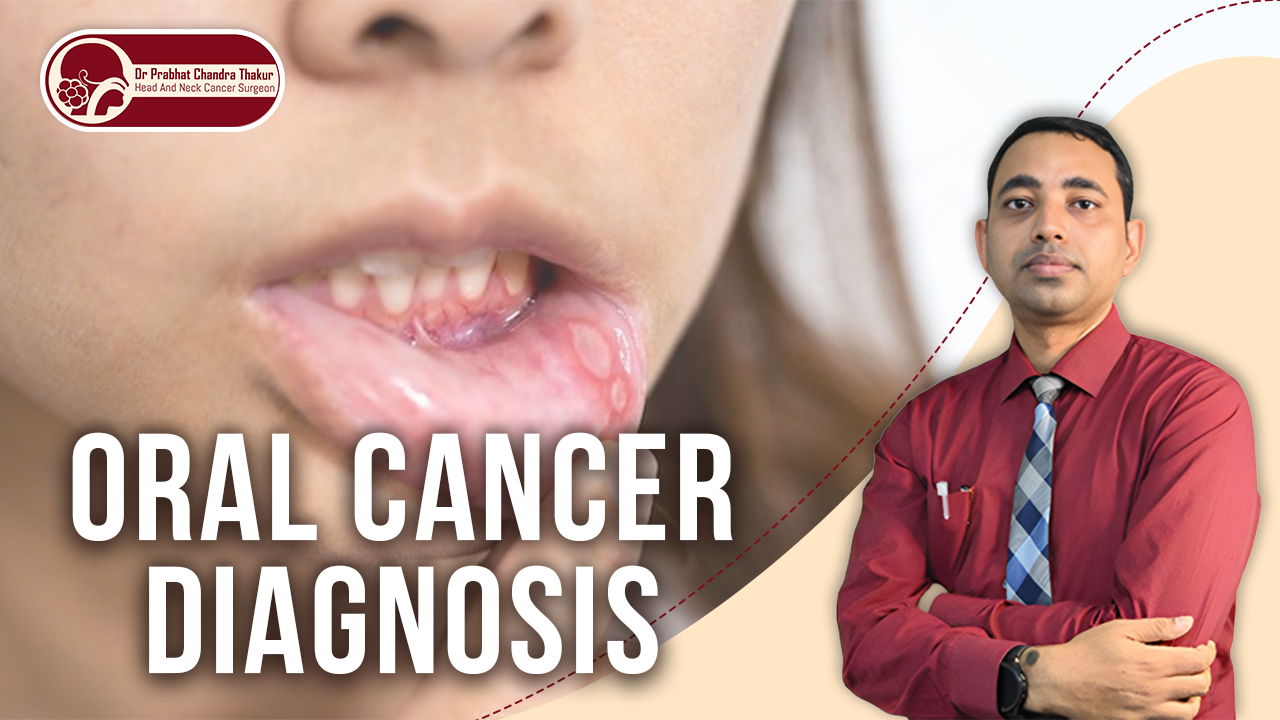
How to Detect Stage 3 Oral Cancer: A Comprehensive Guide

How to Detect Stage 3 Oral Cancer

Introduction: Oral cancer is a serious and potentially life-threatening condition that affects millions of people worldwide. Detecting oral cancer in its early stages greatly increases the chances of successful treatment and survival. In this article, we will delve into the specifics of detecting stage 3 oral cancer, building upon the foundation laid in our previous guide on detecting stage 2 oral cancer. Understanding Stage 3 Oral Cancer: Stage 3 oral cancer represents a more advanced progression of the disease compared to stage 2. At this stage, the cancer has grown larger and may have spread to nearby tissues, lymph nodes, or even distant organs. Early detection remains critical, as timely intervention can significantly impact treatment outcomes and overall prognosis. Symptoms to Watch For: While some symptoms of oral cancer may overlap with those of earlier stages, stage 3 oral cancer often presents with more pronounced and persistent signs. These may include: Diagnostic Procedures: Given the advanced nature of third stage oral cancer, a comprehensive diagnostic approach is essential for accurate assessment. Your healthcare provider may recommend the following tests: Interlinking with Stage 2 Oral Cancer Detection: Detecting stage 3 oral cancer often builds upon the awareness and vigilance developed in recognizing earlier stages. In our previous guide on detecting stage 2 oral cancer, we emphasized the importance of regular dental check-ups, self-examinations, and awareness of potential risk factors. By staying proactive and informed, individuals can increase their chances of detecting oral cancer at an early stage, when treatment options are most effective. Conclusion: Stage 3 oral cancer represents a critical juncture in the progression of the disease, underscoring the importance of vigilant monitoring and timely intervention. By recognizing the signs and symptoms associated with this advanced stage, individuals can take proactive steps to seek medical evaluation and pursue appropriate treatment. Together with ongoing efforts to raise awareness and promote early detection, we can make significant strides in combating oral cancer and improving outcomes for those affected by this devastating condition.

How to Detect Stage 2 Oral Cancer: A Comprehensive Guide

Stage 2 Oral Cancer

Introduction: Oral cancer is a serious condition that can be effectively treated when detected in its early stages. In our previous article, we discussed “How to Detect Stage 1 Oral Cancer,” emphasizing the importance of regular self-examinations and dental check-ups. In this follow-up guide, we will delve into the signs and symptoms specific to Stage 2 oral cancer, providing you with the knowledge to identify potential issues and seek prompt medical attention. Understanding Stage 2 Oral Cancer: Stage 2 oral cancer represents a progression from the initial stage, with the cancer cells now invading deeper layers of the oral tissues. The key to successful treatment lies in early detection, as it allows for more conservative and effective therapeutic interventions. Signs & Symptoms of Stage 2 Oral Cancer: Example: If you notice an ulcer on the inside of your cheek that doesn’t heal despite regular oral hygiene practices, it could be a potential sign of Stage 2 oral cancer. Example: If you find yourself frequently clearing your throat or experiencing discomfort while swallowing, especially if accompanied by other oral changes, it may be an indication of Stage 2 oral cancer. Example: If you suddenly develop a hoarse voice that persists for more than a few weeks, it’s important to consider the possibility of Stage 2 oral cancer and consult a healthcare professional for further evaluation. Conclusion: Detecting Stage 2 oral cancer requires vigilance and a proactive approach to oral health. Building upon the knowledge shared in our previous article on Stage 1 oral cancer detection, it is crucial to remain aware of any persistent changes in your oral cavity. Regular dental check-ups and self-examinations play a pivotal role in identifying potential issues early, improving the chances of successful treatment. If you notice any concerning signs or symptoms, don’t hesitate to consult with a healthcare professional promptly. Early detection saves lives.

Detecting Stage 1 Oral Cancer: A Comprehensive Guide and its Connection to Thyroid Cancer

Detect Stage 1 Oral Cancer

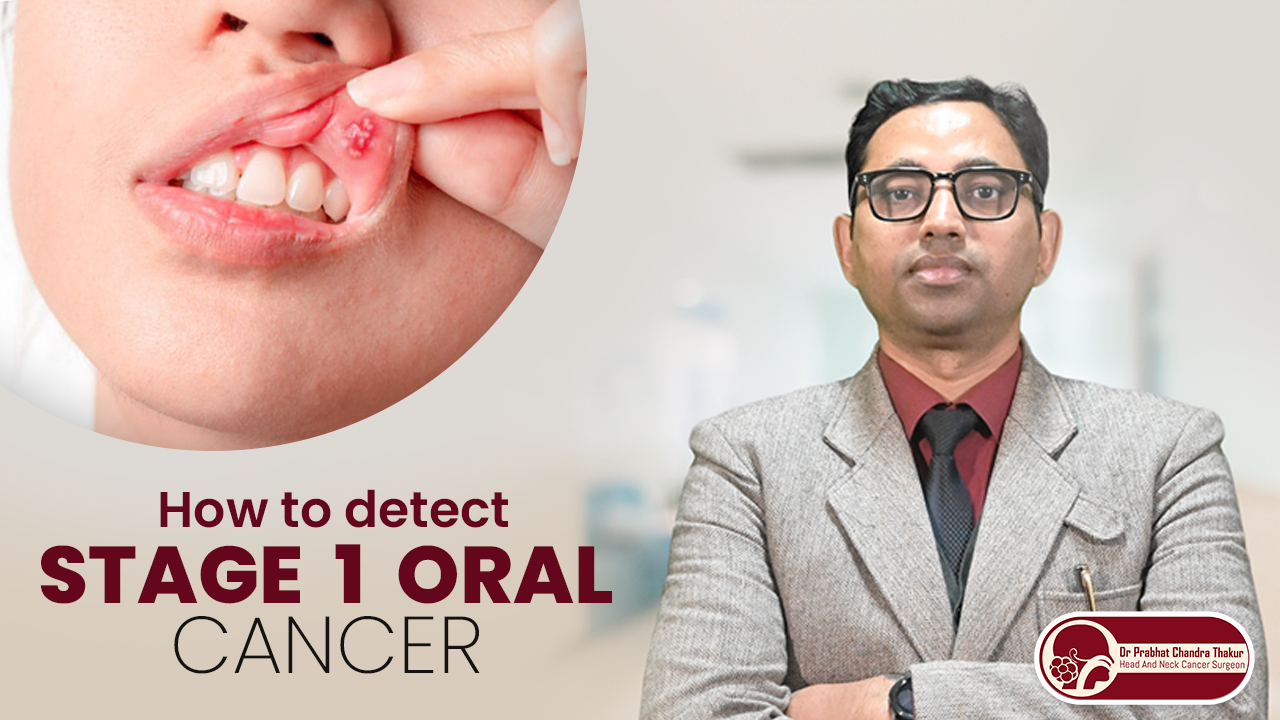
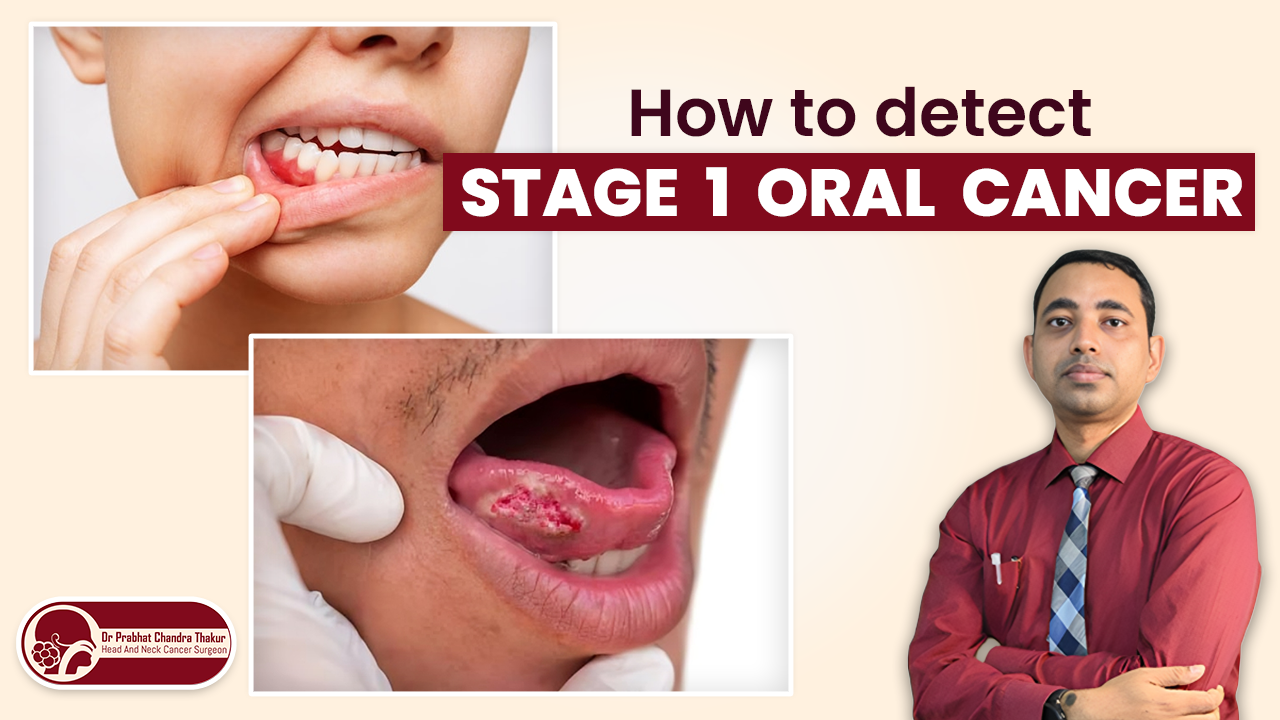
Introduction: Oral cancer is a serious health concern that affects various parts of the mouth, including the lips, tongue, cheeks, and throat. Detecting oral cancer at an early stage significantly improves the chances of successful treatment. This article aims to provide a comprehensive guide on how to detect Stage 1 oral cancer, emphasizing its relevance and connection to Stage 1 Thyroid Cancer. Understanding Stage 1 Oral Cancer: Stage 1 oral cancer is characterized by the presence of a tumor that is no larger than 2 centimeters and has not spread to nearby lymph nodes or other distant organs. Early detection is crucial, as it allows for less invasive treatment options and a higher likelihood of a positive outcome. Common Signs and Symptoms of Stage 1 Oral Cancer: Persistent Mouth Sores: Unexplained Bleeding: Difficulty Swallowing or Chewing: Persistent Sore Throat or Hoarseness: A sore throat that lasts for an extended period, along with hoarseness, might be indicative of early-stage oral cancer. Numbness or Tingling: Linking Oral Cancer to Thyroid Cancer: It is important to note the connection between oral cancer and thyroid cancer. While they affect different areas, both cancers share certain risk factors, such as smoking, excessive alcohol consumption, and a family history of cancer. Additionally, individuals diagnosed with Stage 1 Thyroid Cancer should be vigilant about their overall health, including oral health, as these cancers can coexist or contribute to each other’s development. Screening and Diagnosis: Regular dental check-ups and screenings play a crucial role in the early detection of oral cancer. Dentists may perform a thorough examination of the mouth, including the use of imaging tests such as X-rays or CT scans. In cases where abnormalities are detected, a biopsy may be recommended for a definitive diagnosis. Prevention and Lifestyle Changes: Quit Smoking: Smoking is a major risk factor for both oral and thyroid cancers. Quitting smoking significantly reduces the risk. Limit Alcohol Consumption: Maintain Oral Hygiene: Healthy Diet: Conclusion: Detecting Stage 1 oral cancer early is key to successful treatment and improved outcomes. By understanding the signs and symptoms, undergoing regular screenings, and adopting a healthy lifestyle, individuals can take proactive steps to protect their oral health. Furthermore, for those with a history of Stage 1 Thyroid Cancer, being aware of the interconnection between oral and thyroid cancers emphasizes the importance of holistic health management. Regular communication with healthcare professionals and a commitment to preventive measures can contribute to a healthier and cancer-free life.

What are the symptoms of thyroid cancer?

symptoms of thyroid cancer

Thyroid cancer is a relatively rare form of cancer that originates in the thyroid gland, a small butterfly-shaped organ located in the front of the neck. While thyroid cancer can often be more successfully treated compared to other types of cancer, it’s important to be aware of the symptoms and risk factors. Early detection is key to effective management. In this article we will try to “Discover common symptoms of thyroid cancer. Learn what to watch for and when to seek medical attention in Nepal.” Here are some common symptoms of thyroid cancer: A Lump in the Neck:  When you gently push on the front of your neck, you can frequently feel a lump or nodule in the thyroid gland, which is the most obvious sign of thyroid cancer. Even though these nodules are usually painless, a medical practitioner should nevertheless check them. Changes in the Voice:  Thyroid cancer can sometimes disrupt the nerves that regulate the vocal cords, causing alterations in the voice. You may experience chronic, inexplicable changes to your singing or speaking voice, as well as hoarseness. Difficulty Swallowing:  As thyroid cancer spreads, it can cause swallowing difficulties or discomfort, which is sometimes referred to as a lump or fullness in the throat. Neck Pain and Discomfort:  As thyroid cancer spreads, it can cause swallowing difficulties or discomfort, which is sometimes referred to as a lump or fullness in the throat. Enlarged Lymph Nodes:  Thyroid cancer can cause swelling near lymph nodes. You may notice swollen lymph nodes in your neck that are sensitive to the touch. Breathing Difficulties:  A large thyroid tumor may press against the windpipe (trachea) or esophagus in rare cases, causing breathing or swallowing difficulties. Persistent Cough:  A frequent cough that is not caused by a respiratory infection can be a sign of advanced thyroid cancer. Thyroid Function Changes:  Thyroid cancer patients may experience changes in thyroid hormone levels, which can cause symptoms such as unexplained weight changes, fatigue, or mood swings. It’s crucial to remember that a lot of these symptoms are non-specific and can be caused by a number of benign conditions. However, if you experience any of these symptoms, especially if they get worsen, you should seek medical attention immediately. Early detection and treatment provide the best chance of successful thyroid cancer management. Furthermore, certain risk factors, such as a family history of thyroid cancer, radiation exposure, and certain genetic syndromes, can increase the likelihood of developing thyroid cancer. Regular check-ups and communication with your healthcare provider can aid in the identification and management of these risk factors. Remember that most thyroid nodules are benign, but it’s always a good idea to be cautious and seek medical advice if you’re unsure. Best Oral Cancer, Thyroid Cancer, Head and Neck Cancer Surgeon in Nepal Dr. Prabhat Chandra Thakur Designation: Consultant & Unit Chief/Program Director Head & Neck Oncology Qualification: MBBS, MS(ORL-HNS), Fellowship Head & Neck Oncology Department: Head and Neck Oncology Unit Special interest: Reconstructive surgery and Minimal Invasive surgery in Head & Neck Contact Now

Oral cancer Diagnosis

Oral cancer Diagnosis

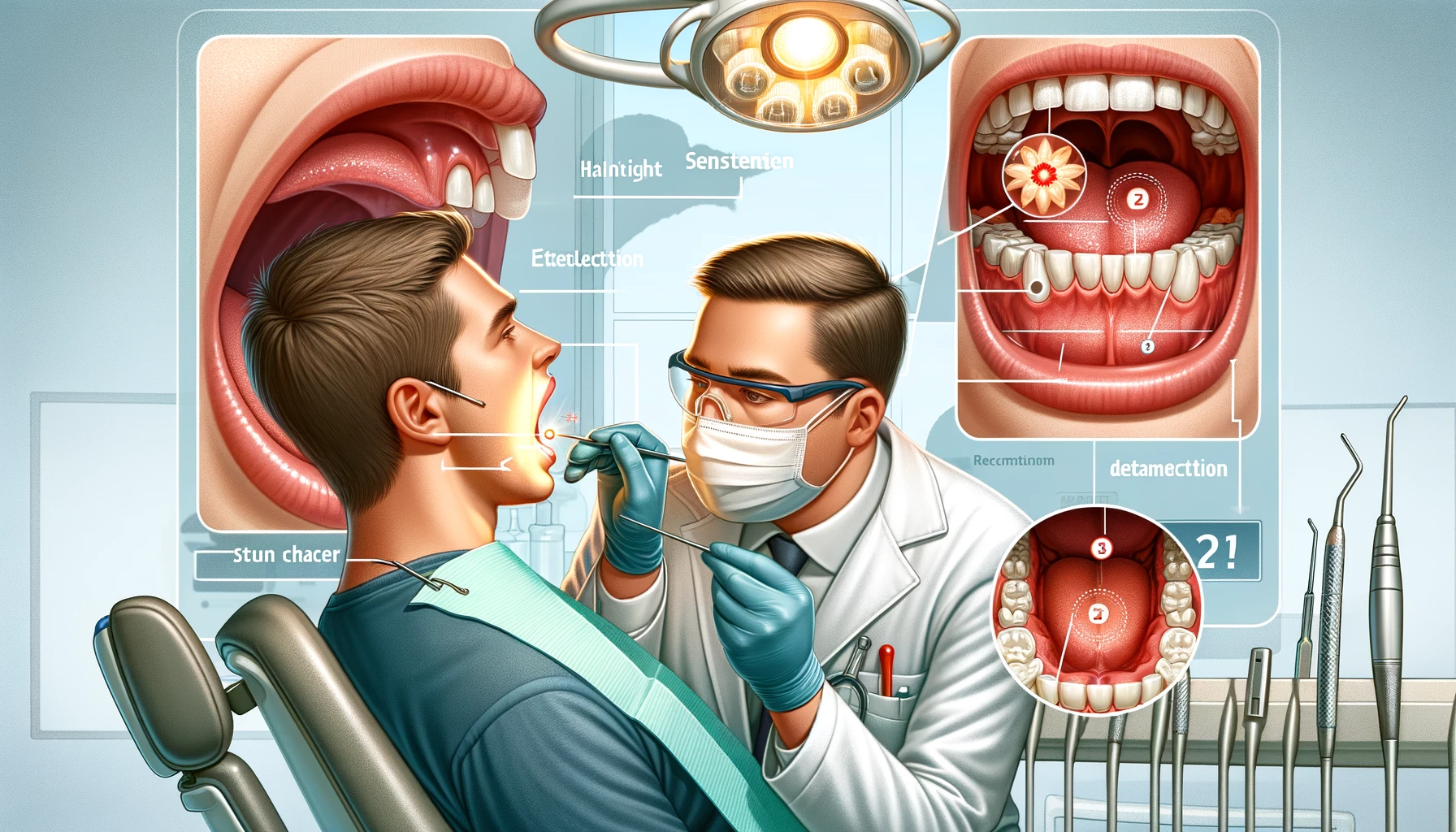
Diagnosing oral cancer is a crucial step in its management and treatment. Early detection can significantly improve the chances of successful treatment and recovery. Oral cancer, which includes cancers of the mouth, lips, tongue, and throat, can develop slowly and without noticeable symptoms in its early stages. Therefore, it is essential for both healthcare professionals and individuals to be aware of the various methods and procedures used for oral cancer diagnosis. It’s important to note that early diagnosis of oral cancer is key to successful treatment. Regular dental check-ups and prompt evaluation of any suspicious symptoms, such as persistent mouth sores or difficulty swallowing, can lead to earlier detection and a better prognosis. If oral cancer is diagnosed, the treatment plan will depend on factors like the stage of cancer, the patient’s overall health, and the location of the tumor. Treatment options may include surgery, radiation therapy, chemotherapy, or a combination of these approaches. Therefore, it’s essential for individuals to be proactive about their oral health and seek medical attention if they have any concerns about oral cancer. Best Oral Cancer, Thyroid Cancer, Head and Neck Cancer Surgeon in Nepal Dr. Prabhat Chandra Thakur Designation: Consultant & Unit Chief/Program Director Head & Neck Oncology Qualification: MBBS, MS(ORL-HNS), Fellowship Head & Neck Oncology Department: Head and Neck Oncology Unit Special interest: Reconstructive surgery and Minimal Invasive surgery in Head & Neck Contact Now
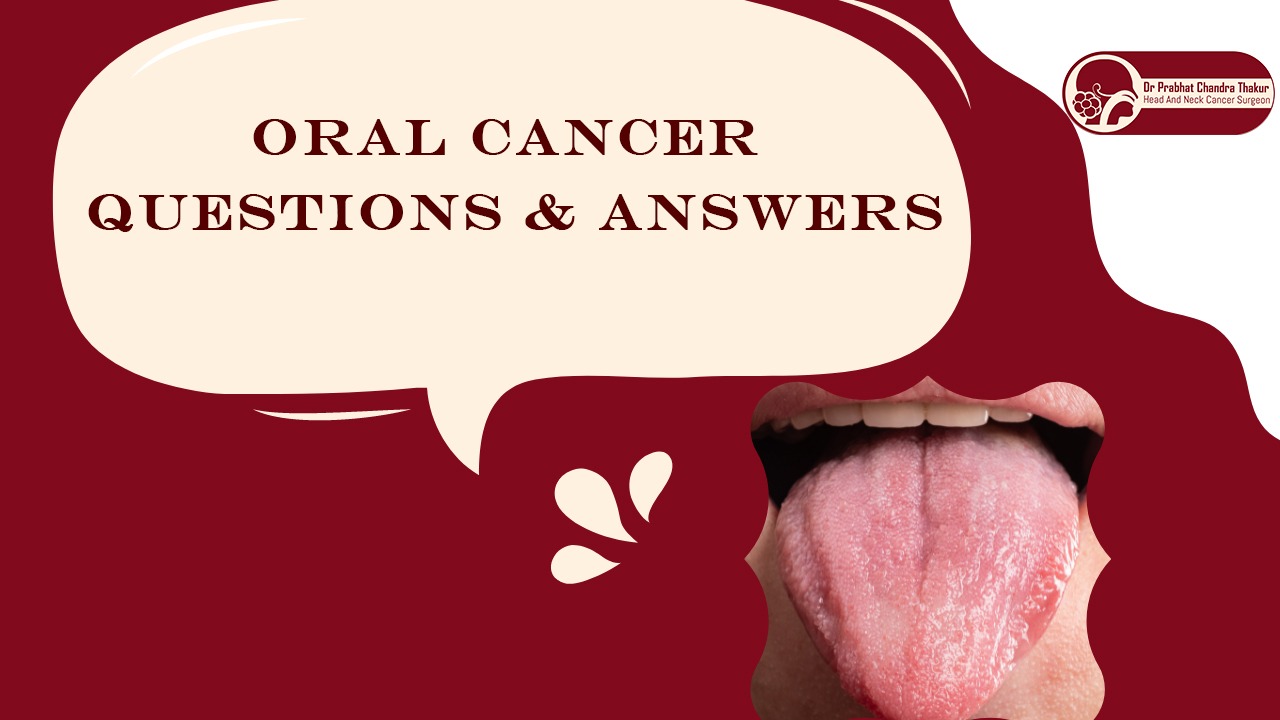
Oral Cancer Questions & Answers

Oral Cancer Q&A

What is an interesting fact about oral cancer? Men develop oral cancer considerably more frequently than women, and the risk rises with age. Alcohol use and tobacco use both significantly increase the risk of oral cancer. How do you deal with oral cancer? A full recovery may be feasible with just surgery if the cancer has not advanced past the mouth or the oropharynx, the area of the throat at the rear of the mouth. It may be necessary to combine surgery, radiation, and chemotherapy if the cancer is big or has progressed to your neck. Can you kiss with oral cancer? Some people’s partners are concerned that they could contract cancer through kissing. However, cancer cannot be contracted by another person to reassure them. You and your partner are free to kiss and engage in any other form of physical contact that you find acceptable. What age is oral cancer most common? The age range from 60 to 74 was the most prevalent. Conclusions In Nepal, the trend of HNCs is on the rise, particularly oral malignancies. How long does oral cancer last? Overall, 68% of people with oral cancer survive for 5 years. Diagnosing oral cancer at an early, localized stage significantly increases 5-year survival rates. Can oral cancer spread to the lips? Lips, the tip of your tongue, the roof, and the floor of your mouth are all impacted by oral cancer. Is oral cancer hard to cure? A full recovery may be feasible with just surgery if the cancer has not advanced past the mouth or the oropharynx, the area of the throat at the rear of the mouth. What are the 3 ways cancer can spread? How Cancer Spreads extending into or encroaching on surrounding healthy tissue. passing through the walls of neighboring blood arteries or lymph nodes. reaching other bodily areas via the circulation and lymphatic system. What are the main causes of oral cancer? Oral cancer is most commonly brought on by: What happens after oral cancer? Changes in eating, talking, and looking can all occur following surgery for oral and oropharyngeal cancer. How successful is mouth cancer surgery? Five years following surgery, 96 (54%) of the 178 patients were still alive and oral cancer-free. Oral cancer claimed the lives of 44 individuals (24.7%), although other causes claimed the lives of 38 (20.3%). Stage-related overall survival rates following main surgery were: I 84%, II 71%, III 36%, and IV 28%. Can Stage 4 cancer survive? Many people with stage 4 cancer can live for years even though the general prognosis may be bad based on cases with prior patients and outdated therapies. Can Stage 4 cancer be cured? Even while therapy may increase overall survival and quality of life in stage 4 cancer, it is typically incurable. How long does oral cancer take to develop? Years may pass before oral cancer develops. After age 55, most people discover they have it. However, malignancies connected to HPV are developing in more young males. And Gender. Where is oral cancer most common? The most common locations for cancer in the oral cavity are: Best Oral Cancer, Thyroid Cancer, Head and Neck Cancer Surgeon in Nepal Dr. Prabhat Chandra Thakur Designation: Consultant & Unit Chief/Program Director Head & Neck Oncology Qualification: MBBS, MS(ORL-HNS), Fellowship Head & Neck Oncology Department: Head and Neck Oncology Unit Special interest: Reconstructive surgery and Minimal Invasive surgery in Head & Neck Contact Now
“5 Surprising Facts About Oral Cancer You Need to Know!”

“5 Surprising Facts About Oral Cancer You Need to Know!”

In this article, I will share 5 Surprising Facts About Oral Cancer You must not ignore. Men are considerably more likely to develop oral cancer. Oral cancer risk increases with age, however, those as young as 55 are nonetheless at risk for the condition. Oral cancer is also twice as common in men as it is in women. Early detection and treatment are crucial. The early detection and treatment of oral cancer is one of the contributing causes to the 65% survival rate. The best method to protect yourself is to be aware of the warning signs of oral cancer and to consult your doctor as soon as you can. If you have any of the common signs, which include: Oral cancer risk is higher among smokers and heavy drinkers. Combining excessive drinking with smoking might greatly raise your risk of mouth cancer. When compared to a non-smoker, smoking cigarettes raises your risk of head and neck cancer by 15 times. Oral cancer may be diagnosed up to 100 times more frequently in heavy drinkers and smokers than in nondrinkers, according to research. HPV is to blame for the increase in cancer cases. The surge in oropharyngeal malignancies among younger, non-smokers, which affect the tonsils and base of the tongue, is caused by HPV and is linked to oral intercourse. The risk of HPV cancer increases with the number of oral sex partners an individual has. Most cases of oral cancer are preventable. Avoiding well-known risk factors like smoking and excessive alcohol use will help reduce your risk of acquiring oral cancer.  For instance, mouth cancer most frequently affects people over the age of 55 and males are two times more likely than women to get the condition. If you felt any of these types of facts, then you should consult Dr. Prabhat Chandra Thakur. Best Oral Cancer, Thyroid Cancer, Head and Neck Cancer Surgeon in Nepal Dr. Prabhat Chandra Thakur Designation: Consultant & Unit Chief/Program Director Head & Neck Oncology Qualification: MBBS, MS(ORL-HNS), Fellowship Head & Neck Oncology Department: Head and Neck Oncology Unit Special interest: Reconstructive surgery and Minimal Invasive surgery in Head & Neck Contact Now
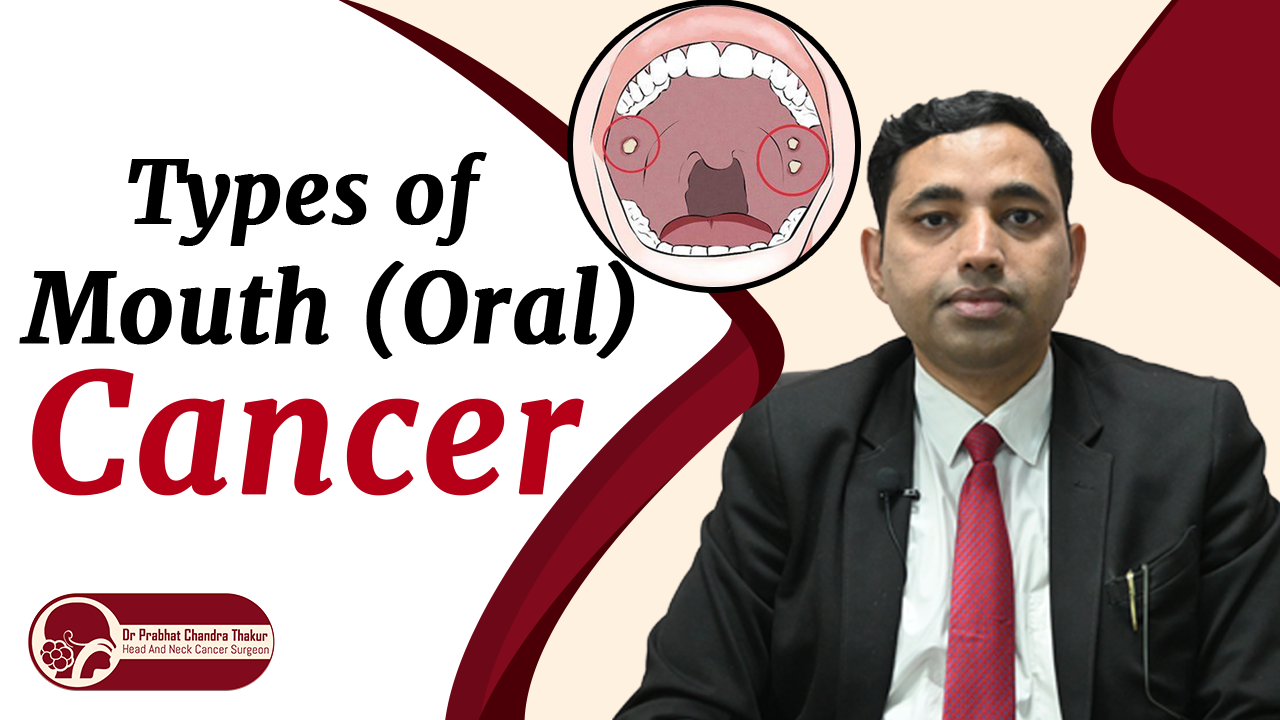
Types of Lip and Oral (mouth) Cancer

Types of mouth cancer by region by Dr. Prabhat

All potential sites for mouth cancer are the tongue, lips, gums, floor of the mouth, and roof of the mouth, which is also known as oral cancer. Types of mouth (oral) cancer based on where it occurs, mouth cancers can be categorized. Types of Oral (mouth) Cancer by Region Lips Cancer Lip cancer is the most common area of mouth cancer. It is both a skin cancer and an oral cancer, but is typically treated as an oral cancer depending on the location. If diagnosed early, the prognosis for lip cancer is favorable. With early detection, treatment is usually surgery without the need for radiation therapy, chemotherapy or lymph node removal. More advanced cases can result in the spread of tumors into nearby nerves and the jawbone which may require more extensive surgery and treatments.  Members of the reconstructive team at Penn Center for Head and Neck Cancer use the latest advancements to reconstruct defects of the upper lip with minimal to no scarring, while maintaining competence of the lips to prevent problems such as drooling or difficulty speaking.  Gums Cancer Most of the time, something grows on the outside of the gums to cause gum cancer. It is much of the time a mass and can be either red or white. It could also bleed. In contrast, gingivitis is an early-stage infection of the gumline brought on by the irritation-causing bacteria that live there naturally.     Smoking and chewing tobacco use are two of the risk factors that are shared by gum disease and gum cancer. Gum cancer, also known as cancer of the alveolar ridge, is more common in those who use of cigarettes and chewing tobacco. Fortunately, it is now much less common. Side effects of gum malignant growth might include: gums that are white, red, or dark; gums that are bleeding or cracking; gums that are thick. Surgery is almost always the first step if a relatively small lesion is present. However, if teeth are involved, we may also need to extract them. Also, if something is growing into the jawbone, it starts to build much more difficult surgeries that need to be replaced. After surgery, sometimes administer chemotherapy or radiation is given to a patient. However, decisions regarding care should always be made in a multidisciplinary setting. If detected early, gum cancer is highly curable. A head and neck cancer surgeon often performs surgery as part of the treatment. The objectives of gum cancer treatment are to cure the cancer; maintain your appearance and oral functions; and prevent the cancer from returning. Tongue Cancer Several kinds of diseases can influence the tongue. However, tongue malignant growth most frequently starts in the slim, level squamous cells that line the outer layer of the tongue. The kind of cells engaged with your tongue disease decides your therapy and treatment. The tongue is made up of two parts: Both the oral tongue and the base of the tongue can develop cancer. The oral tongue is the part you see when you jab your tongue out at somebody. This is the front 66% of your tongue. A category of cancers known as mouth (oral) cancer includes cancers that originate in this region of the tongue. The majority of tongue cancers have no known cause, but several risk factors have been identified. Smoking tobacco (pipes, cigars, and cigarettes) and regularly drinking a lot of alcohol are both harmful. Progressively, malignant growths at the base of the tongue are related with human papillomavirus (HPV), which significantly affects the prognosis and therapy of the disease. The side effects of tongue disease could include:     •           A red or white fix on the tongue that will not disappear •           An irritated throat that doesn’t disappear •           A sensitive area (ulcer) or bump on the tongue that doesn’t disappear •           Pain while gulping •           Deadness in the mouth that will not disappear •           Agony or consuming inclination over the tongue •           Issues moving your tongue or talking •           Unexplained draining from the tongue (that is not brought about by keeping quiet or another injury) •           Pain in the ear (uncommon) Keep in mind that these symptoms may be caused by a condition that is not as serious. However, just to be safe, it’s best to check your symptoms with your doctor. The following factors affect how tongue cancer is treated: The phase of your malignant growth. Where the malignant growth is on your tongue. Your overall wellbeing. Your mouth will be examined by your doctor, and questions about your symptoms will be asked. They might suggest an x-beam or CT (electronic tomography) examination is taken from various points and set up to show a more itemized picture. A biopsy, or oral tissue sample, may also be taken for testing. Surgery to remove cancer from the tongue is typically the treatment for tongue cancer. Additionally, targeted drug therapy, radiation therapy, and chemotherapy may be suggested. Advanced tongue cancer treatment can make it harder to talk and eat. You can better manage the changes brought on by treatment for tongue cancer by working with an experienced rehabilitation team. Conclusion We discussed Types of Lip and Oral (Mouth) Cancer by region above which is lip, jaw & gum, and tongue cancer also discussed how it occur. Best Oral Cancer, Thyroid Cancer, Head and Neck Cancer Surgeon in Nepal Dr. Prabhat Chandra Thakur Designation: Consultant & Unit Chief/Program Director Head & Neck Oncology Qualification: MBBS, MS(ORL-HNS), Fellowship Head & Neck Oncology Department: Head and Neck Oncology Unit Special interest: Reconstructive surgery and Minimal Invasive surgery in Head & Neck Contact Now