Tracheostomy: Procedure, Risks, Recovery, and Success Rates

Tracheostomy

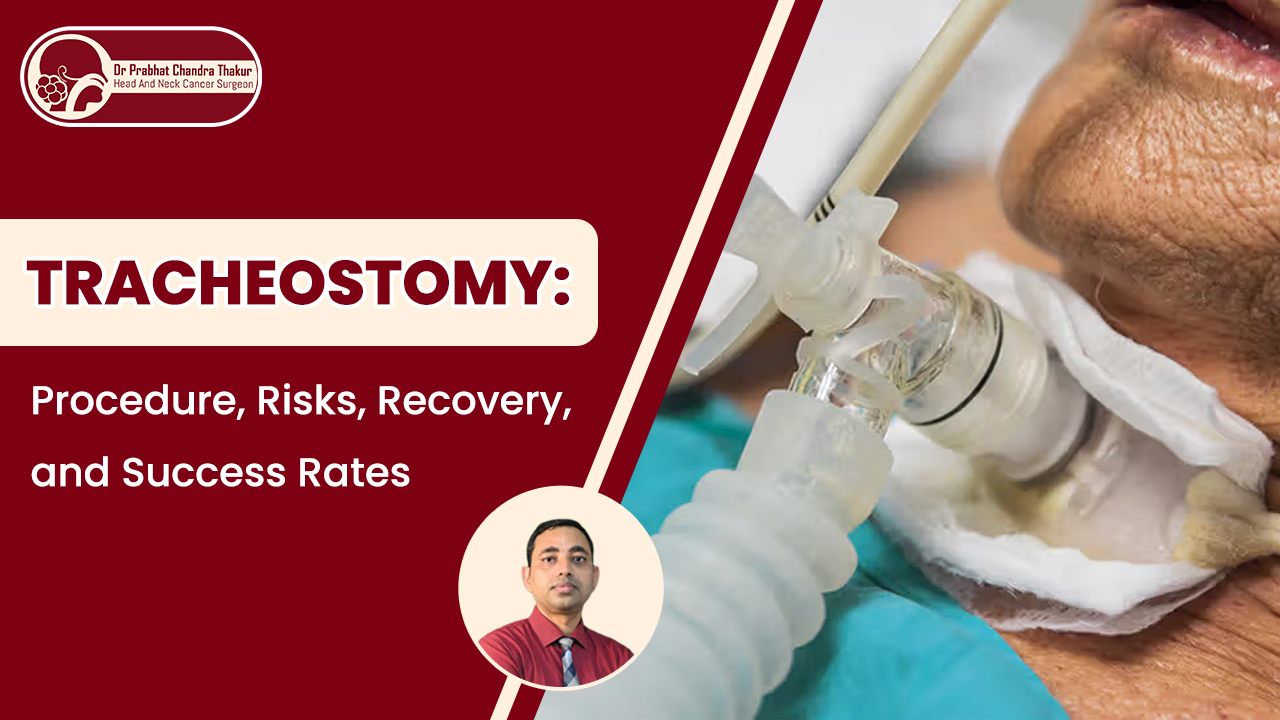
Introduction A tracheostomy is a surgical procedure that involves creating an opening in the neck to place a tube into a person’s windpipe (trachea). This tube allows air to enter the lungs, which is crucial for patients who have difficulty breathing due to various medical conditions. In Nepal, Dr. Prabhat Chandra Thakur is a leading expert in tracheostomy, renowned for his work in oral cancer, thyroid, head & neck cancer surgery, and endoscopic skull base surgery at the Nepal Cancer Hospital & Research Center, Harisiddhi, Lalitpur. Tracheostomy Procedure Dr. Prabhat Chandra Thakur explains that a tracheostomy procedure can be either an emergency or a planned procedure. Emergency tracheostomies are performed when there is sudden airway obstruction, while planned tracheostomies are scheduled for patients who require long-term ventilation support. Dr. Thakur emphasizes the importance of precision and care during the tracheostomy procedure to avoid damaging surrounding structures. Tracheostomy Risks As with any surgical procedure, tracheostomies carry certain risks and potential complications. Dr. Thakur highlights the following tracheostomy risks: Dr. Thakur and his team take extensive measures to minimize these tracheostomy risks and ensure patient safety. Tracheostomy Recovery Post-operative care is crucial for a successful tracheostomy recovery. Dr. Thakur provides the following guidelines for tracheostomy recovery: Tracheostomy Success Rates The success rate of tracheostomy procedures performed by Dr. Prabhat Chandra Thakur is exceptionally high, thanks to his expertise and meticulous approach. His training, which includes a GOLD MEDAL AWARD for the best outgoing resident in PGI Chandigarh, India, and fellowships in head & neck oncology from IFHNOS & Memorial Sloan Kettering, New York, and minimal invasive thyroid surgery from General Hospital, Bangkok, has equipped him with the skills to handle complex cases. Dr. Thakur’s focus on patient safety and post-operative care significantly contributes to the high tracheostomy success rates. Can a Person Still Talk After a Tracheostomy? Yes, a person can often still talk after a tracheostomy, although it may require some adjustment and specific techniques. Dr. Thakur explains that the ability to speak depends on the type of tracheostomy tube and whether a speaking valve is used. A speaking valve allows air to pass over the vocal cords, enabling speech. Speech therapy can also help patients adapt to speaking with a tracheostomy. Is a Tracheostomy Permanent or Temporary? The duration of a tracheostomy depends on the underlying condition and the patient’s recovery. Dr. Thakur explains that many tracheostomies are temporary and can be reversed once the patient no longer needs it. However, some patients, particularly those with chronic or severe conditions, may require a permanent tracheostomy. Can You Live a Normal Life After a Tracheostomy? Many patients with a tracheostomy can lead normal, fulfilling lives. Dr. Thakur notes that with proper care and support, patients can return to their daily activities. It may take some time to adjust, but many people find they can speak, eat, and perform other normal functions with minimal limitations, leading to a successful tracheostomy recovery. Dr. Prabhat Chandra Thakur’s extensive experience and dedication to patient care make him a leading expert in tracheostomy procedures in Nepal. His commitment to excellence ensures that patients receive the highest quality care, leading to successful outcomes and improved quality of life.

The Impact of Smokeless Tobacco in Head and Neck Cancer

life after head and neck cancer surgery

Smokeless tobacco is recognized globally for its significant role in head and neck cancers. Although people are generally aware of the dangers of smoking, the impact of smokeless tobacco in head and neck cancer is often underestimated. As Dr. Prabhat Chandra Thakur, the best head and neck cancer surgeon specializing in comprehensive cancer care and radiation oncology, I emphasize the importance of shedding light on the impact of smokeless tobacco in head and neck cancer. Understanding Smokeless Tobacco Smokeless tobacco includes products like chewing tobacco, snuff, snus, and gutka. These products are placed directly in the mouth, where they release nicotine and other harmful chemicals. The prolonged presence of these substances leads to the development of precancerous conditions like leukoplakia, which can eventually contribute to the impact of smokeless tobacco in head and neck cancer. The Epidemiology of Smokeless Tobacco In South Asian countries like Nepal, India, and Pakistan, smokeless tobacco is commonly consumed. Cultural norms, accessibility, affordability, and misconceptions about its safety all contribute to this prevalence. The World Health Organization reports that over 250 million people in South Asia alone are affected by the impact of smokeless tobacco in head and neck cancer. How Smokeless Tobacco Causes Cancer Smokeless tobacco contains a high concentration of nitrosamines and other carcinogens, which are absorbed directly by the oral tissues, leading to DNA damage. This damage triggers cellular changes that manifest as oral leukoplakia (white patches), erythroplakia (red patches), and oral submucous fibrosis (restricted mouth opening). Over time, these precancerous conditions lead to the development of squamous cell carcinoma, highlighting the direct impact of smokeless tobacco in head and neck cancer. Risks Associated with the Impact of Smokeless Tobacco in Head and Neck Cancer Oral Cavity CancersChewing tobacco and gutka contribute directly to cancers in the oral cavity, particularly in areas where the products are held. This often results in painful lesions that are difficult to treat, underlining the impact of smokeless tobacco in head and neck cancer. Pharyngeal CancerThe pharynx, connecting the mouth and nasal cavity to the esophagus, is prone to damage from smokeless tobacco. Prolonged exposure can cause a sore throat, pain while swallowing, and other symptoms, ultimately worsening the impact of smokeless tobacco in head and neck cancer. Laryngeal CancerThe use of smokeless tobacco raises the risk of laryngeal cancer, which may cause voice changes and coughing. In severe cases, the entire larynx may need to be removed. Prevention and Treatment Strategies Awareness Campaigns: Educational initiatives must emphasize the impact of smokeless tobacco in head and neck cancer to dispel myths about its safety. Early Screening: Early detection of precancerous conditions through visual examinations, biopsies, and molecular testing reduces the impact of smokeless tobacco in head and neck cancer. Behavioral Support: Counseling, pharmacotherapy, and community programs can encourage cessation, reducing the impact of smokeless tobacco in head and neck cancer. Regulatory Measures: Governments should enforce stricter regulations on smokeless tobacco products to minimize the impact of smokeless tobacco in head and neck cancer. Conclusion The impact of smokeless tobacco in head and neck cancer remains a serious problem worldwide. As the best head and neck cancer surgeon, my experience underscores the importance of education, early detection, and comprehensive treatment to mitigate this devastating health issue. Governments, healthcare providers, and communities should collaborate to reduce the impact of smokeless tobacco in head and neck cancer.

Head and Neck Cancer Surgery

Head and neck cancer is a formidable health challenge worldwide, and effective management of this disease is critical for improving patient outcomes. One of the leaders in the field of head and neck cancer surgery is Dr. Prabhat Chandra Thakur, a renowned surgeon based in Nepal. In this blog post, we will explore the complexities of head and neck cancer surgery and discuss Dr. Thakur’s contributions to this challenging field. Understanding Head and Neck Cancer Surgery Head and neck cancer surgery involves complex procedures aimed at removing cancerous tumors while minimizing damage to the organs of speech, swallowing, and appearance. This type of surgery can often entail the removal of vital structures, which necessitates innovative reconstruction techniques to restore form and function. The Role of Reconstruction in Cancer Surgery Reconstruction in head and neck cancer surgery is a critical aspect that seeks to repair areas damaged by cancer and its treatment. Techniques may include the transfer of bone, muscle, skin, and associated blood vessels. These procedures help patients regain their ability to perform essential functions and improve their overall quality of life post-surgery. Dr. Prabhat Chandra Thakur: A Leader in the Field Dr. Prabhat Chandra Thakur is known as one of the best oral cancer, thyroid, head & neck cancer surgeons at the Nepal Cancer Hospital & Research Center in Harisiddhi, Lalitpur. His expertise extends to endoscopic skull base surgery and sophisticated reconstructive techniques in the head and neck regions. Educational Background and Achievements Dr. Thakur’s impressive educational journey began with his graduation (MBBS) from B.P.KIHS, Dharan, followed by a Post-Graduation (MS) in Otolaryngology-Head and Neck Cancer Surgery from the prestigious PGI Chandigarh, India. He is also a recipient of the Gold Medal Award for the best outgoing resident at PGI Chandigarh, a testament to his dedication and skill. Specialized Fellowships and Training Further enhancing his surgical repertoire, Dr. Thakur has completed a GOLF fellowship in Head & Neck Oncology from the International Federation of Head & Neck Oncologic Societies (IFHNOS) and Memorial Sloan Kettering, New York. He also pursued a Minimal Invasive Thyroid Surgery Fellowship at the General Hospital, Bangkok. These experiences have equipped him with the knowledge and skills to perform cutting-edge surgeries in his field. The Impact of Advanced Surgical Techniques Dr. Thakur’s approach to head and neck cancer surgery not only focuses on the removal of tumors but also emphasizes aesthetic and functional reconstruction. His work in minimal invasive techniques and endoscopic procedures represents the forefront of efforts to reduce patient recovery time and improve cosmetic outcomes. A Comprehensive Care Philosophy At Nepal Cancer Hospital & Research Center, Dr. Thakur and his team are committed to providing holistic care. This includes pre-surgical counseling, advanced surgical treatment, and post-operative care, ensuring that each patient receives comprehensive support throughout their treatment journey. Conclusion: Leading the Way in Cancer Surgery Dr. Prabhat Chandra Thakur’s contributions to head and neck cancer surgery have set new standards in the field, particularly in Nepal. His expertise in both oncologic and reconstructive surgery enables him to offer the best possible outcomes for his patients, making him a pivotal figure in the fight against head and neck cancer. Patients and their families looking for exceptional care in head and neck cancer surgery may find in Dr. Thakur not only a skilled surgeon but also a compassionate healthcare provider dedicated to their recovery and well-being. Best Oral Cancer, Thyroid Cancer, Head and Neck Cancer Surgeon in Nepal Dr. Prabhat Chandra Thakur Designation: Consultant & Unit Chief/Program Director Head & Neck Oncology Qualification: MBBS, MS(ORL-HNS), Fellowship Head & Neck Oncology Department: Head and Neck Oncology Unit Special interest: Reconstructive surgery and Minimal Invasive surgery in Head & Neck Contact Now

How to Identify a Thyroid Issue: A Guide for Everyone

Thyroid Issue

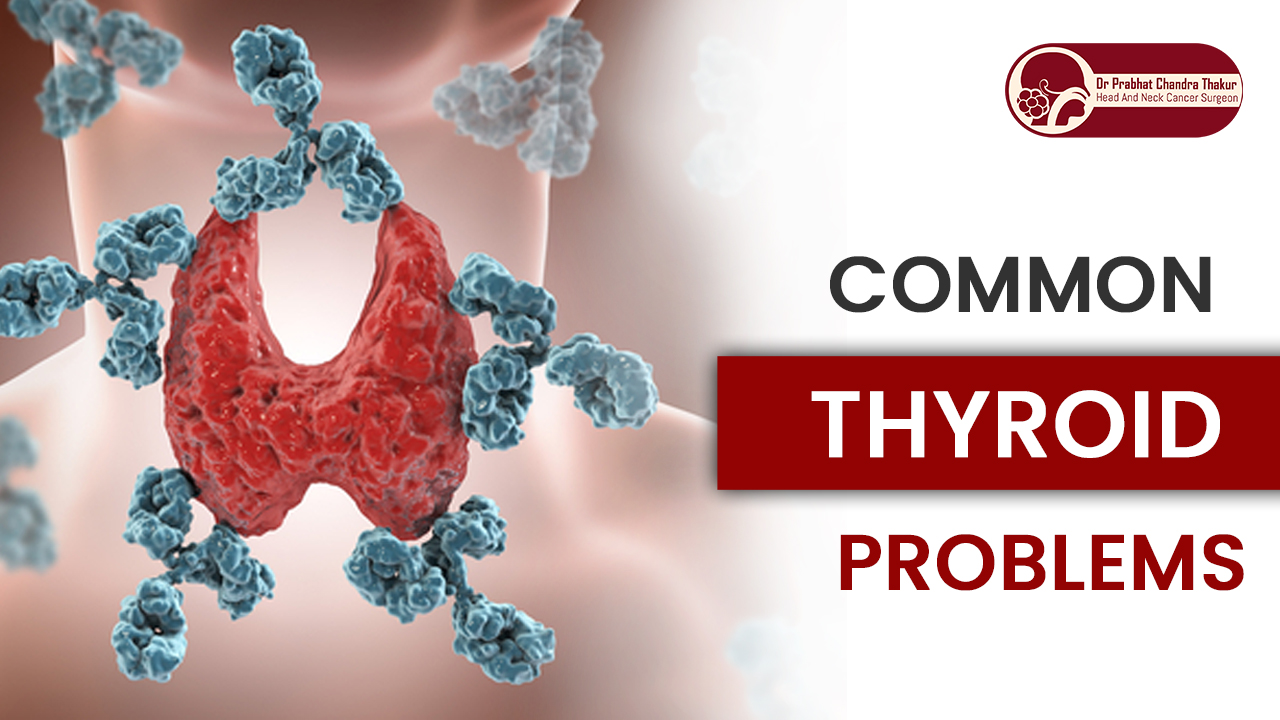
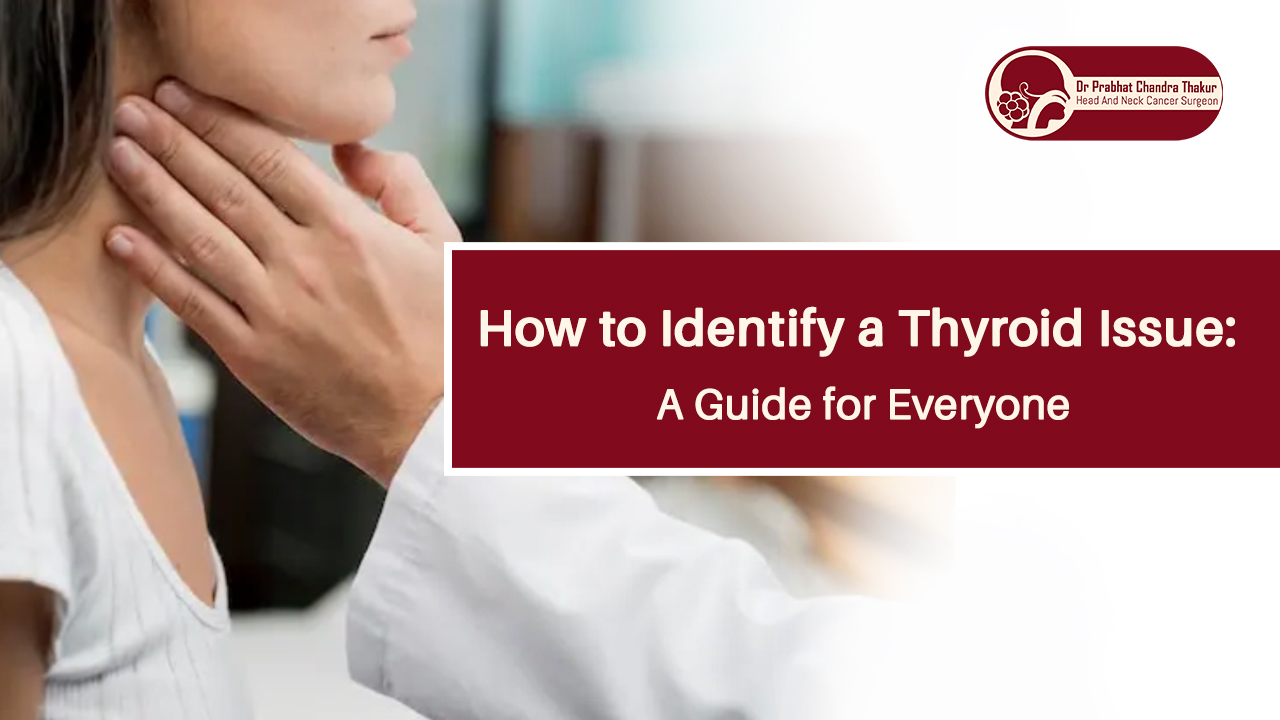
Introduction: Your body is like a complex machine, and sometimes, just like a machine, it can have problems. One common problem that people can have is with their thyroid. But what is a thyroid? And how do you know if something’s wrong with it? Let’s find out! What is the Thyroid? The thyroid is a small, butterfly-shaped gland located in your neck. Even though it’s small, it does big things! It produces hormones that help control many important functions in your body, like your metabolism, energy levels, and even how warm you feel. Signs of a Thyroid Issue: Sometimes, the thyroid doesn’t work the way it should. When this happens, it can cause problems. Here are some signs that something might be wrong with your thyroid: Feeling Tired or Weak: If you feel tired all the time, even when you’ve had enough sleep, it could be a sign of a thyroid issue. Your body needs thyroid hormones to help it have energy, so when your thyroid isn’t working right, you might feel weak or exhausted. Changes in Weight: Have you noticed sudden changes in your weight, even if you’re not trying to lose or gain weight? Your thyroid helps control your metabolism, so if it’s not working well, it can make it hard for your body to manage weight properly. Feeling Cold or Hot: Thyroid hormones help regulate your body temperature. If you always feel cold, even when others are warm, or if you’re always sweating and feeling too hot, it might be because of a thyroid problem. Changes in Heart Rate: Your heart rate, how fast your heart beats, can be affected by your thyroid. If you notice your heart racing or beating too slowly, it could be a sign of a thyroid issue. Changes in Mood: Feeling sad, anxious, or irritable for no clear reason? Your thyroid hormones also play a role in your mood. When they’re off-balance, it can affect how you feel emotionally. Conclusion: If you notice any of these signs, it’s essential to talk to a grown-up you trust, like your parents or a doctor. They can help you figure out if there’s a problem with your thyroid and what to do about it. Remember, taking care of your health is essential, and knowing how to recognize signs of issues like thyroid problems can help you stay happy and healthy!

How to hygiene your oral on Oral Health Day

oral hygiene

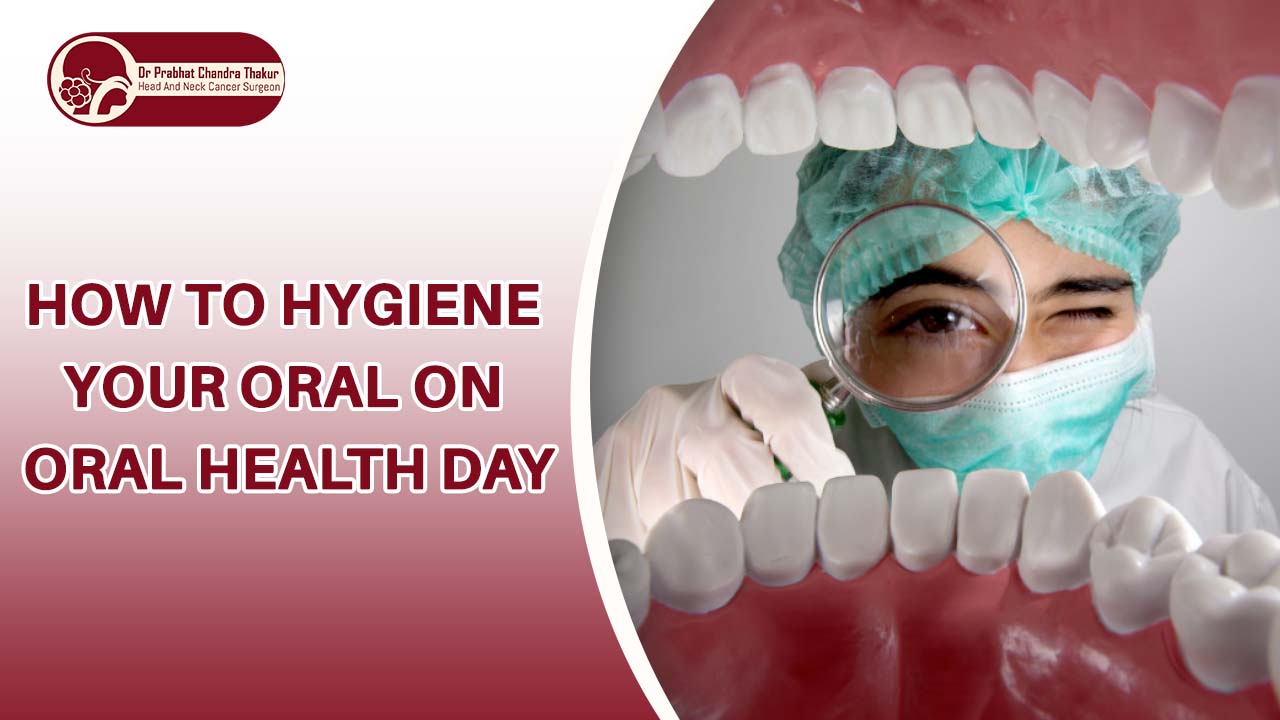
Introduction: Taking care of your mouth is super important for keeping your teeth strong and your smile bright! By practicing good oral hygiene, you can prevent cavities, bad breath, and gum disease. Let’s learn some easy steps to keep your mouth feeling fresh and clean. 1. Brushing Your Teeth: What is brushing? Brushing your teeth means using a special tool called a toothbrush to clean your teeth. How do you brush? Put a pea-sized amount of toothpaste on your toothbrush and brush in small circles on all sides of your teeth. Don’t forget to brush your tongue too! Why is brushing important? Brushing helps remove food and bacteria that can cause cavities and bad breath. 2. Flossing: What is flossing? Flossing is using a thin piece of string called dental floss to clean between your teeth where your toothbrush can’t reach. How do you floss? Take a piece of floss about as long as your arm, wrap it around your fingers, and gently slide it between each tooth. Why is flossing important? Flossing helps remove food particles and plaque from between your teeth, preventing cavities and gum disease. 3. Eating Healthy Foods: What are healthy foods for your mouth? Foods like fruits, vegetables, cheese, and yogurt are good for your teeth because they contain important vitamins and minerals. What foods should you avoid? Sugary snacks and drinks like candy, soda, and cookies can stick to your teeth and cause cavities. Why is eating healthy important? Eating healthy foods helps keep your teeth strong and your gums healthy. 4. Visiting the Dentist: What does the dentist do? The dentist checks your teeth and gums to make sure they’re healthy, and they can clean your teeth too. How often should you visit the dentist? It’s a good idea to see the dentist every 6 months for a check-up. Why is visiting the dentist important? The dentist can catch any problems early and help keep your mouth healthy. 5. Drinking Water: Why is water good for your mouth? Water helps wash away food particles and bacteria that can cause cavities and bad breath. How much water should you drink? Try to drink at least 6-8 glasses of water every day. When should you drink water? Drink water after meals and snacks to help keep your mouth clean. Conclusion: Taking care of your oral hygiene doesn’t have to be complicated. By following these simple steps, you can keep your mouth clean and healthy for years to come. Remember to brush, floss, eat healthy foods, and visit your dentist regularly. Your mouth will thank you!

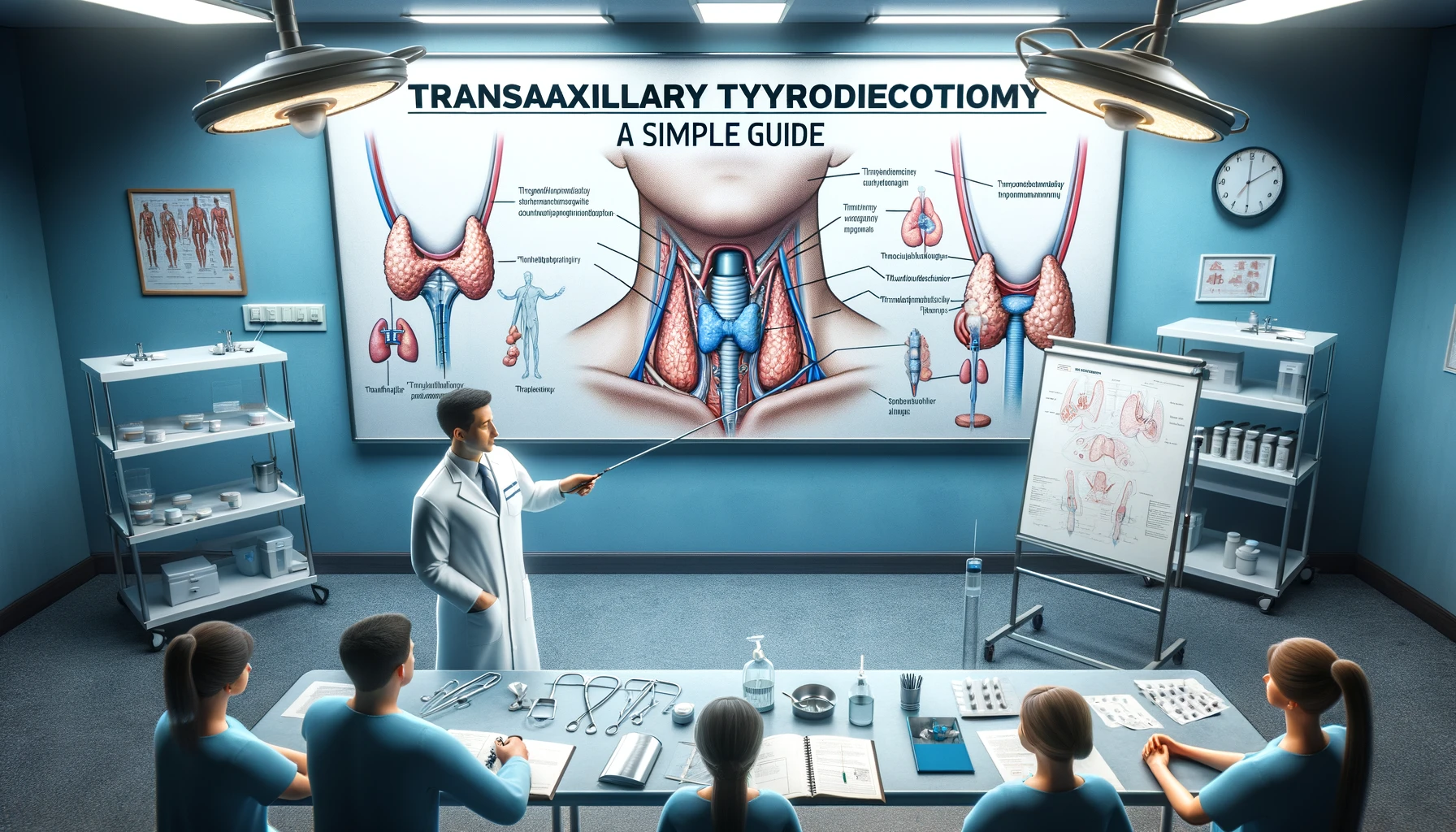
Transaxillary Thyroidectomy: A Simple Guide

Transaxillary Thyroidectomy: A Simple Guide

Introduction: Unveiling the Mystery Hey there, young explorers! Today, we’re diving into a fascinating world of science and medicine to learn about something called transaxillary thyroidectomy. It might sound like a tongue twister, but don’t worry, we’ll break it down together in a fun and easy way! What is Transaxillary Thyroidectomy? Okay, let’s start with the basics. Transaxillary thyroidectomy is a special kind of surgery that doctors use to remove a gland called the thyroid. Now, you might be wondering, what’s so special about it? Well, unlike other surgeries where doctors make cuts in the neck or throat, transaxillary thyroidectomy involves making a tiny cut in the armpit to reach the thyroid gland. Why Do People Need Transaxillary Thyroidectomy? The thyroid gland is like a superhero in your body. It helps control things like your energy levels, heart rate, and even how fast you grow. But sometimes, the thyroid can get sick and cause problems. When that happens, doctors might need to remove it to make you feel better. Let’s Talk Numbers: Stats About Thyroid Surgery Did you know that thyroid problems are quite common? In fact, millions of people around the world have issues with their thyroid glands. Sometimes, these problems can be fixed with medicine, but other times, surgery is the best option. Every year, thousands of people undergo thyroid surgery to help them feel healthier and happier. How Does Transaxillary Thyroidectomy Work? Now, let’s get into the nitty-gritty of how this surgery actually happens. Imagine your body is like a big puzzle, and the thyroid gland is one of the pieces hiding under your skin, near your throat. Instead of going through the front like most surgeons do, doctors who perform transaxillary thyroidectomy take a sneaky shortcut through the armpit! Using special tools and a tiny camera, they carefully navigate through the layers of tissue until they reach the thyroid gland. Once they find it, they can remove it without leaving any big scars on your neck. Benefits of Transaxillary Thyroidectomy One of the coolest things about transaxillary thyroidectomy is that it leaves behind hardly any visible scars. That means you can still wear your favorite tank tops and raise your arms up high without anyone knowing you had surgery! Not only that, but because the incision is in a less sensitive area, patients often experience less pain and a faster recovery compared to traditional thyroid surgery methods. Are There Any Risks? Like with any surgery, there are always some risks involved. While transaxillary thyroidectomy is considered safe, there’s a small chance of things like bleeding, infection, or damage to nearby structures like nerves or blood vessels. But don’t worry too much! Doctors are super skilled and take lots of precautions to keep you safe during surgery. Conclusion: Transaxillary thyroidectomy might be a big word, but now you know it’s just a fancy way of saying “surgery to remove the thyroid gland through the armpit.” Pretty cool, right? Just remember, if you ever hear someone talking about thyroid surgery or transaxillary thyroidectomy, you’ll be able to impress them with your newfound knowledge! And who knows, maybe one day you’ll grow up to be a doctor and perform these amazing surgeries yourself! Until then, keep asking questions, exploring the world around you, and never stop learning! References:

What are the symptoms of tongue cancer, and how is it treated?

What are the symptoms of tongue cancer

Introduction: Tongue cancer is a serious condition that affects the tongue, which is an important part of our mouth. It’s essential to know about its symptoms and treatments to stay healthy and catch any problems early. What is Tongue Cancer? Tongue cancer is when harmful cells grow on the tongue. These cells can form a lump or sore, which can be painful. Symptoms of Tongue Cancer: How is Tongue Cancer Treated? If someone has tongue cancer, doctors have different ways to help them get better. Here are some common treatments: Conclusion: Tongue cancer might sound scary, but if we know the symptoms and get help early, we can fight it. Remember, if you notice any changes in your tongue or have any problems, it’s important to tell an adult you trust. Doctors and other grown-ups are here to help keep us healthy and strong.

How to Detect Stage 3 Oral Cancer: A Comprehensive Guide

How to Detect Stage 3 Oral Cancer

Introduction: Oral cancer is a serious and potentially life-threatening condition that affects millions of people worldwide. Detecting oral cancer in its early stages greatly increases the chances of successful treatment and survival. In this article, we will delve into the specifics of detecting stage 3 oral cancer, building upon the foundation laid in our previous guide on detecting stage 2 oral cancer. Understanding Stage 3 Oral Cancer: Stage 3 oral cancer represents a more advanced progression of the disease compared to stage 2. At this stage, the cancer has grown larger and may have spread to nearby tissues, lymph nodes, or even distant organs. Early detection remains critical, as timely intervention can significantly impact treatment outcomes and overall prognosis. Symptoms to Watch For: While some symptoms of oral cancer may overlap with those of earlier stages, stage 3 oral cancer often presents with more pronounced and persistent signs. These may include: Diagnostic Procedures: Given the advanced nature of third stage oral cancer, a comprehensive diagnostic approach is essential for accurate assessment. Your healthcare provider may recommend the following tests: Interlinking with Stage 2 Oral Cancer Detection: Detecting stage 3 oral cancer often builds upon the awareness and vigilance developed in recognizing earlier stages. In our previous guide on detecting stage 2 oral cancer, we emphasized the importance of regular dental check-ups, self-examinations, and awareness of potential risk factors. By staying proactive and informed, individuals can increase their chances of detecting oral cancer at an early stage, when treatment options are most effective. Conclusion: Stage 3 oral cancer represents a critical juncture in the progression of the disease, underscoring the importance of vigilant monitoring and timely intervention. By recognizing the signs and symptoms associated with this advanced stage, individuals can take proactive steps to seek medical evaluation and pursue appropriate treatment. Together with ongoing efforts to raise awareness and promote early detection, we can make significant strides in combating oral cancer and improving outcomes for those affected by this devastating condition.

How to Detect Stage 2 Oral Cancer: A Comprehensive Guide

Stage 2 Oral Cancer

Introduction: Oral cancer is a serious condition that can be effectively treated when detected in its early stages. In our previous article, we discussed “How to Detect Stage 1 Oral Cancer,” emphasizing the importance of regular self-examinations and dental check-ups. In this follow-up guide, we will delve into the signs and symptoms specific to Stage 2 oral cancer, providing you with the knowledge to identify potential issues and seek prompt medical attention. Understanding Stage 2 Oral Cancer: Stage 2 oral cancer represents a progression from the initial stage, with the cancer cells now invading deeper layers of the oral tissues. The key to successful treatment lies in early detection, as it allows for more conservative and effective therapeutic interventions. Signs & Symptoms of Stage 2 Oral Cancer: Example: If you notice an ulcer on the inside of your cheek that doesn’t heal despite regular oral hygiene practices, it could be a potential sign of Stage 2 oral cancer. Example: If you find yourself frequently clearing your throat or experiencing discomfort while swallowing, especially if accompanied by other oral changes, it may be an indication of Stage 2 oral cancer. Example: If you suddenly develop a hoarse voice that persists for more than a few weeks, it’s important to consider the possibility of Stage 2 oral cancer and consult a healthcare professional for further evaluation. Conclusion: Detecting Stage 2 oral cancer requires vigilance and a proactive approach to oral health. Building upon the knowledge shared in our previous article on Stage 1 oral cancer detection, it is crucial to remain aware of any persistent changes in your oral cavity. Regular dental check-ups and self-examinations play a pivotal role in identifying potential issues early, improving the chances of successful treatment. If you notice any concerning signs or symptoms, don’t hesitate to consult with a healthcare professional promptly. Early detection saves lives.

Detecting Stage 1 Oral Cancer: A Comprehensive Guide and its Connection to Thyroid Cancer

Detect Stage 1 Oral Cancer

Introduction: Oral cancer is a serious health concern that affects various parts of the mouth, including the lips, tongue, cheeks, and throat. Detecting oral cancer at an early stage significantly improves the chances of successful treatment. This article aims to provide a comprehensive guide on how to detect Stage 1 oral cancer, emphasizing its relevance and connection to Stage 1 Thyroid Cancer. Understanding Stage 1 Oral Cancer: Stage 1 oral cancer is characterized by the presence of a tumor that is no larger than 2 centimeters and has not spread to nearby lymph nodes or other distant organs. Early detection is crucial, as it allows for less invasive treatment options and a higher likelihood of a positive outcome. Common Signs and Symptoms of Stage 1 Oral Cancer: Persistent Mouth Sores: Unexplained Bleeding: Difficulty Swallowing or Chewing: Persistent Sore Throat or Hoarseness: A sore throat that lasts for an extended period, along with hoarseness, might be indicative of early-stage oral cancer. Numbness or Tingling: Linking Oral Cancer to Thyroid Cancer: It is important to note the connection between oral cancer and thyroid cancer. While they affect different areas, both cancers share certain risk factors, such as smoking, excessive alcohol consumption, and a family history of cancer. Additionally, individuals diagnosed with Stage 1 Thyroid Cancer should be vigilant about their overall health, including oral health, as these cancers can coexist or contribute to each other’s development. Screening and Diagnosis: Regular dental check-ups and screenings play a crucial role in the early detection of oral cancer. Dentists may perform a thorough examination of the mouth, including the use of imaging tests such as X-rays or CT scans. In cases where abnormalities are detected, a biopsy may be recommended for a definitive diagnosis. Prevention and Lifestyle Changes: Quit Smoking: Smoking is a major risk factor for both oral and thyroid cancers. Quitting smoking significantly reduces the risk. Limit Alcohol Consumption: Maintain Oral Hygiene: Healthy Diet: Conclusion: Detecting Stage 1 oral cancer early is key to successful treatment and improved outcomes. By understanding the signs and symptoms, undergoing regular screenings, and adopting a healthy lifestyle, individuals can take proactive steps to protect their oral health. Furthermore, for those with a history of Stage 1 Thyroid Cancer, being aware of the interconnection between oral and thyroid cancers emphasizes the importance of holistic health management. Regular communication with healthcare professionals and a commitment to preventive measures can contribute to a healthier and cancer-free life.