Head and Neck Cancer Awareness: What Every Community Can Do
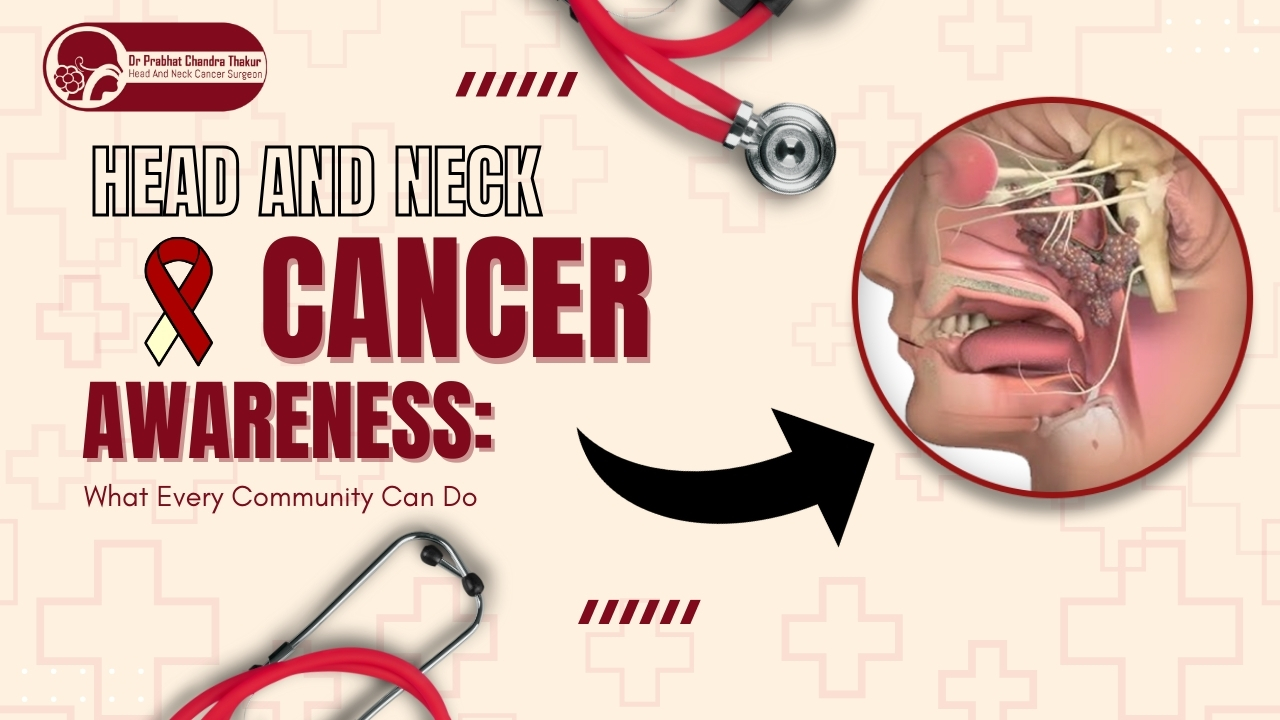
Head and Neck Cancer

Understanding Head and Neck Cancer: Why Awareness Matters Imagine a small gathering in a local town hall where neighbors chat about daily life, children play in the background, and elders offer advice from their years of experience. Health topics often come up discussions about seasonal flu, common colds, or even more familiar conditions like diabetes and hypertension. But rarely do you hear anyone mention head and neck cancer. Despite being the sixth most common type of cancer worldwide, it remains under-discussed, leading to delayed diagnoses and higher mortality rates. Many people don’t realize that persistent hoarseness, a lingering sore throat, or an unusual lump in the neck could be early warning signs of head and neck cancer. While smoking and alcohol use are widely recognized risk factors, lesser-known causes like HPV infections and exposure to certain workplace chemicals also contribute to its development. Early detection dramatically increases the chances of successful treatment, but the key challenge lies in the widespread lack of awareness. In countries like Nepal, where healthcare access may be limited in rural areas, community-driven awareness can bridge this critical gap. The responsibility of combating head and neck cancer doesn’t rest solely on doctors or hospitals it lies in the hands of every community member. By fostering conversations, organizing events, and sharing vital information, communities can become the first line of defense against this silent threat. For expert guidance, consulting a Head and Neck Cancer Surgeon or an ENT Specialist can be life-saving. The Role of Healthcare Professionals and Communities in Cancer Awareness Fighting head and neck cancer is not just the job of healthcare professionals; it requires a collective effort from various sectors of the community. Each group, from doctors to local leaders, plays a pivotal role in spreading awareness and promoting early detection. Healthcare professionals, like Dr. Prabhat Chandra Thakur, a leading Head and Neck Cancer Surgeon and ENT Specialist, stand at the forefront of this battle. With their knowledge and authority, they can educate patients on recognizing early symptoms, dispel common myths, and emphasize the importance of regular check-ups. Beyond individual consultations, doctors can lead public health initiatives, conduct free screening camps, and offer educational talks to make reliable medical information accessible to all. However, medical professionals can’t do it alone. Community leaders and local organizations have the power to mobilize people and organize events. Whether it’s an NGO hosting a health seminar or a village elder advocating for regular health check-ups, these influencers play a critical role in shaping public attitudes toward health. Schools and educational institutions also have a role in this ecosystem. By integrating health education into their curriculum, they can equip young people with knowledge about risk factors like tobacco and alcohol use, fostering healthier lifestyles from an early age. In today’s digital age, media outlets and social media influencers hold significant sway. Traditional media like radio and newspapers can reach older and rural populations, while platforms like Facebook and Instagram are ideal for engaging younger audiences. Together, these groups can form a network that supports widespread awareness and early intervention. Practical Steps Communities Can Take to Combat Head and Neck Cancer Awareness is only the first step taking action is what truly makes a difference in the fight against head and neck cancer. Communities have several practical ways to move from knowledge to impact. By taking these steps, communities can transform passive awareness into life-saving action, ensuring that head and neck cancer is identified and treated as early as possible. Effective Communication Formats for Cancer Awareness Choosing the right format is crucial for effective communication. Different people absorb information in different ways, so it’s important to use a variety of mediums to reach as many individuals as possible. By using a mix of these formats, communities can create an inclusive and effective approach to head and neck cancer awareness. Who Should Be Targeted in Head and Neck Cancer Awareness Campaigns? To make awareness efforts truly effective, it’s essential to target the right audiences. Different groups have unique needs and vulnerabilities, and tailoring messages to them ensures the information is both relevant and impactful. By targeting these groups, communities can create a comprehensive strategy that addresses both prevention and early detection, ultimately saving lives. Conclusion Head and neck cancer might not always be a common topic of conversation, but it should be. Through community-driven awareness, early detection, and preventive action, we can significantly reduce the burden of this often-overlooked disease. Whether you’re a healthcare professional, a teacher, a parent, or a community leader, you have a role to play. Together, with experts like Dr. Prabhat Chandra Thakur, a leading ENT Specialist and Head and Neck Cancer Surgeon, we can create informed communities, promote early diagnosis, and ultimately, save lives. Now is the time to act because awareness is the first step toward prevention.
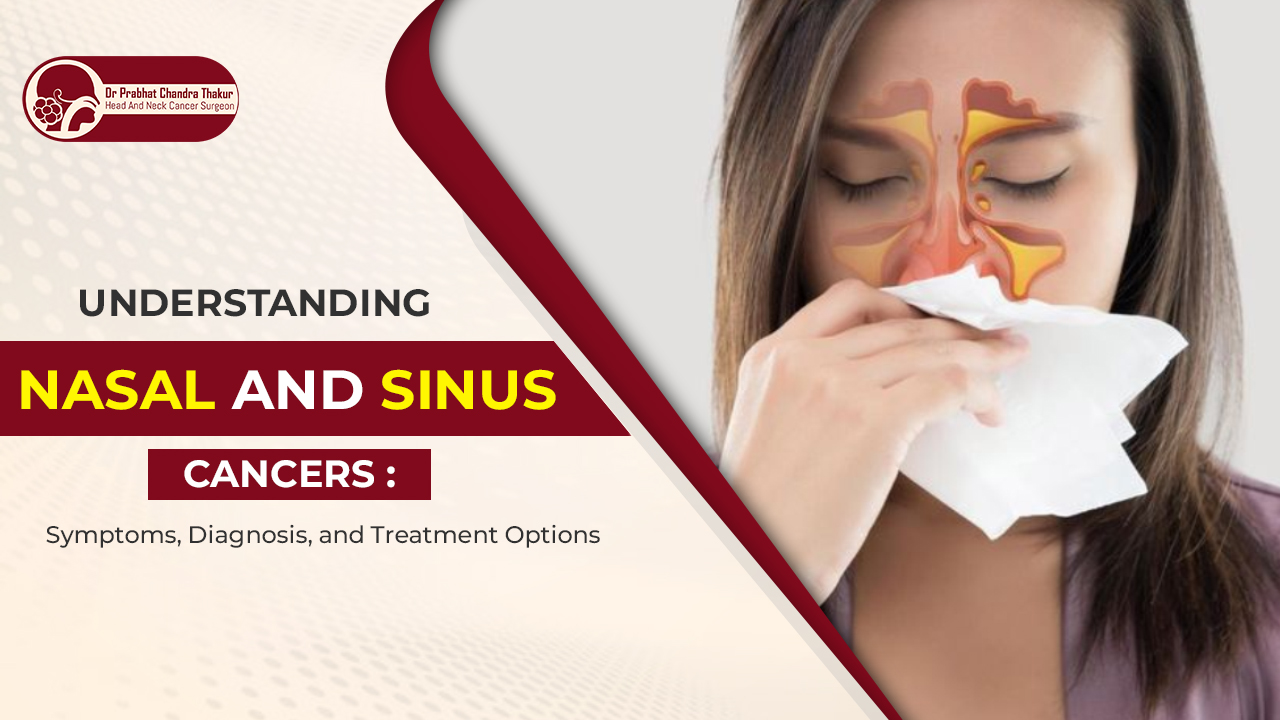
Understanding Nasal and Sinus Cancers: Symptoms, Diagnosis, and Treatment Options

Nasal and Sinus Cancer

Nasal and sinus cancers are rare but serious conditions that originate in the nasal cavity or paranasal sinuses. These cancers encompass various types, including squamous cell carcinoma, adenocarcinoma, and sinonasal undifferentiated carcinoma, among others. Despite their rarity, their impact on affected individuals can be profound, underscoring the importance of early diagnosis and appropriate treatment. This comprehensive guide delves into the symptoms, causes, diagnostic methods, and treatment options for nasal and sinus cancers. It also highlights the expertise of Dr. Prabhat Chandra Thakur, a renowned ENT specialist in Nepal. What Are Nasal and Sinus Cancers? Nasal cancer refers to malignant growths within the nasal cavity, while sinus cancer involves the paranasal sinuses. These cancers arise from the uncontrolled growth of cells that can invade surrounding tissues and spread to other parts of the body. Types of Sinonasal Cancers: If you suspect symptoms of these cancers, consulting an experienced ENTdoctor, such as Dr. Prabhat Chandra Thakur, is critical. Symptoms of Nasal and Sinus Cancers Early symptoms of nasal and sinus cancers often resemble common conditions like sinusitis, making diagnosis challenging. Key symptoms include: If you experience these symptoms persistently, consult an expert like Dr. Prabhat Chandra Thakur, whose team specializes in prompt and accurate diagnosis. Causes and Risk Factors The exact causes of nasal and sinus cancers are not fully understood, but several risk factors have been identified: Addressing these risk factors and seeking regular consultations with an ENT specialist in Nepal can reduce your chances of developing these cancers. Diagnosis of Nasal and Sinus Cancers Diagnosing nasal and sinus cancers involves a combination of advanced imaging and biopsies. Dr. Prabhat Chandra Thakur employs state-of-the-art diagnostic tools, ensuring precision in identifying the type and stage of cancer. Treatment Options for Nasal and Sinus Cancers Treating nasal and sinus cancers involves a multidisciplinary approach, combining various therapies based on the cancer type and stage. Here are the main options: 1. Surgery 2. Radiation Therapy Radiation is used to destroy cancer cells, often in conjunction with surgery. Proton therapy is an advanced form of radiation that minimizes damage to surrounding healthy tissues. 3. Chemotherapy Certain tumor types respond well to chemotherapy, either as a standalone treatment or alongside surgery and radiation. 4. Immunotherapy Immunotherapy boosts the body’s natural defenses to fight cancer and is an emerging area of research with promising results. Under the guidance of Dr. Prabhat Chandra Thakur, patients receive personalized treatment plans incorporating the latest advancements in medical science. Why Choose Dr. Prabhat Chandra Thakur for ENT Care in Nepal? Dr. Prabhat Chandra Thakur is a trusted name in ENT care in Nepal, offering unparalleled expertise in diagnosing and treating nasal and sinus cancers. With a patient-centered approach, he combines cutting-edge techniques with compassionate care to achieve the best outcomes. Services Offered: Located in Nepal, Dr. Prabhat Chandra Thakur is your go-to specialist for ENT-related concerns, including nasal and sinus cancers. How to Prevent Nasal and Sinus Cancers While not all risk factors can be eliminated, taking these preventive measures can reduce your risk: For those in Nepal, consulting Dr. Prabhat Chandra Thakur can provide invaluable insights into prevention and early detection. Conclusion Nasal and sinus cancers are rare but treatable, especially with early detection and expert care. If you’re experiencing symptoms or seeking a trusted ENT doctor in Nepal, look no further than Dr. Prabhat Chandra Thakur. With his advanced diagnostic tools and personalized treatment plans, you’re in safe hands. Visit drprabhat.com.np today to schedule a consultation and take the first step toward better health. Empower yourself with knowledge, and don’t delay seeking care.

Top ENT Surgeon in Nepal

Top ENT Surgeon in Nepal

Are you struggling with persistent sinus issues, trouble hearing, or recurring throat infections? You’re not alone! These problems can be frustrating, but the right care can make all the difference. In Nepal, Dr. Prabhat Chandra Thakur has been a beacon of hope for countless patients dealing with ear, nose, and throat (ENT) conditions. Known for his exceptional skills and compassionate approach, Dr. Prabhat Chandra Thakur has earned the trust of his patients as one of Nepal’s leading ENT surgeons. If you’re searching for the Top ENT Surgeon in Nepal, you’ve found the right expert. Let’s explore why he’s the go-to choice for ENT care and how he can help you or your loved ones regain a better quality of life. What Does an ENT Surgeon Do? Let’s start with the basics. ENT surgeons, or otolaryngologists, specialize in diagnosing and treating conditions of the ear, nose, throat, and related areas in the head and neck. From fixing hearing problems to performing life-saving surgeries for head and neck cancers, ENT specialists cover a broad range of care. Why You Need an ENT Specialist Did you know untreated ENT issues can lead to serious complications? For example: That’s why consulting the Best ENT Specialist in Nepal, Dr. Prabhat Chandra Thakur, is so important. Meet Dr. Prabhat Chandra Thakur If you’re looking for someone who combines expertise with genuine care, Dr. Prabhat Chandra Thakur is the name to know. Recognized as the Top ENT Surgeon in Nepal, he has dedicated his career to helping patients overcome ENT challenges. A Passion for Healing Dr. Prabhat Chandra Thakur’s journey in medicine began with a simple goal: to improve lives. After earning his medical degree, he pursued specialized training in otolaryngology and head & neck surgery. Today, his passion for patient care is evident in every consultation, surgery, and follow-up. Comprehensive ENT Care by Dr. Prabhat Chandra Thakur As the Best ENT Doctor in Nepal, Dr. Thakur treats a wide range of ENT conditions, including: Whether it’s a simple diagnosis or a complex surgery, Dr. Prabhat Chandra Thakur ensures you’re in expert hands. Why Patients Trust Dr. Prabhat Chandra Thakur When you’re unwell, it’s not just about finding a doctor, it’s about finding someone who truly cares. That’s exactly what sets Dr. Prabhat Chandra Thakur apart. 1. Expertise You Can Rely On Dr. Thakur’s extensive experience in handling complex ENT cases makes him the Top ENT Surgeon in Nepal. He is known for his precision in surgeries and his ability to deliver successful outcomes. 2. A Personal Touch Have you ever felt rushed during a doctor’s visit? That won’t happen with Dr. Prabhat Chandra Thakur. He listens, understands, and explains treatment options clearly. 3. Affordable and Accessible Care Healthcare costs can be challenging, but Dr. Prabhat Chandra Thakur ensures his ENT services are affordable. As the Best ENT Specialist in Nepal, he offers high-quality care at reasonable rates. Real Stories from Patients Hearing from others can help you feel more confident. Here are real stories from Dr. Prabhat Chandra Thakur’s patients: Sarita R., Kathmandu“I had been dealing with sinus pain for years. Dr. Thakur’s treatment changed my life. He truly is the Best ENT Doctor in Nepal!” Bikram S., Pokhara“Dr. Prabhat performed thyroid surgery for me. He explained every step clearly and made me feel comfortable. I’m so grateful to have found the Top ENT Surgeon in Nepal.” Services Offered by Dr. Prabhat Chandra Thakur Dr. Thakur provides a full range of ENT services, making him the Top ENT Specialist in Nepal: Ear Care Nose and Sinus Care Throat Care Head and Neck Surgery Tips for Maintaining Healthy Ears, Nose, and Throat Even with access to the Best ENT Specialist in Nepal, prevention is key. Dr. Thakur recommends: Book an Appointment with Dr. Prabhat Chandra Thakur If you’re ready to take control of your ENT health, don’t wait. Dr. Prabhat Chandra Thakur, the Top ENT Surgeon in Nepal, is here to help. Taking the first step toward better health is simple. Trust the Best ENT Specialist in Nepal to provide the care you deserve.

Head and Neck Cancer Treatment in Nepal

Head and Neck Cancer Treatment in Nepal

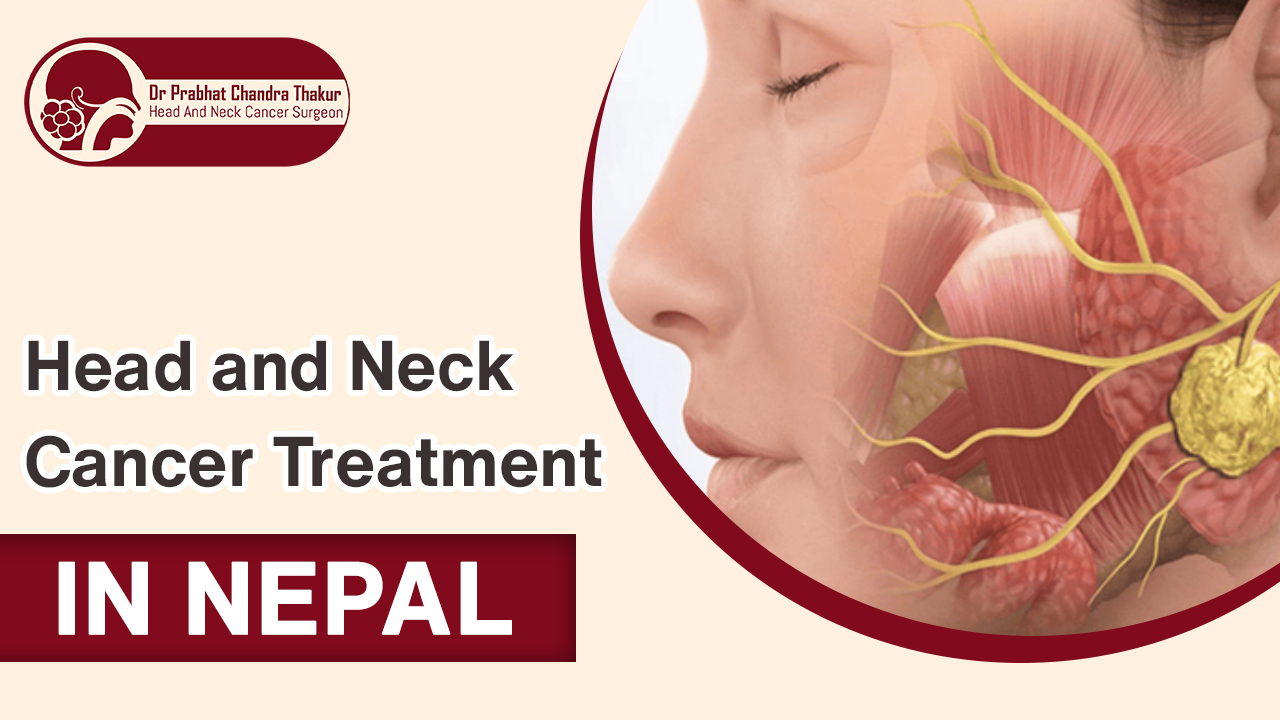
Head and neck cancers are a growing health concern worldwide, and Nepal is no exception. These cancers, which affect vital areas such as the mouth, throat, and thyroid, require expert care due to their complex nature. Dr. Prabhat Chandra Thakur, a renowned ENT surgeon and head and neck cancer specialist in Nepal, is at the forefront of providing advanced and compassionate cancer treatment. His expertise and patient-centered approach have earned him recognition as one of the best head and neck cancer surgeons in Nepal. Understanding Head and Neck Cancer Head and neck cancers primarily arise from the squamous cells lining the surfaces of the head and neck regions. These cancers can occur in areas like the oral cavity, pharynx, larynx, nasal cavity, and salivary glands. Common risk factors include tobacco use, excessive alcohol consumption, and HPV infections.  Symptoms often include: Given the serious nature of these cancers, early detection and treatment are essential. Dr. Prabhat Thakur emphasizes regular check-ups, especially for those at risk. For individuals in Nepal aged 30 and above, recognizing early signs and seeking prompt medical attention can significantly improve treatment outcomes. Advanced Treatment Techniques When it comes to treating head and neck cancers, Dr. Prabhat Chandra Thakur employs cuttingedge techniques to ensure the best possible outcomes. His expertise spans a range of procedures, from minimally invasive surgeries to complex reconstructions. Some of the advanced treatments offered include: Focus on Patient-Centered Care Dr. Prabhat Chandra Thakur is deeply committed to providing a patient-centered approach to cancer care. His philosophy revolves around empathy, trust, and personalized care, recognizing that each patient’s journey is unique. From the initial diagnosis to post-surgical recovery, Dr. Thakur focuses on ensuring that patients are well-informed and supported. His dedication is particularly evident in his work with patients requiring speech and swallowing rehabilitation after surgery. Furthermore, his compassionate care extends to providing emotional support, helping patients and their families navigate the challenges of cancer treatment. Why Dr. Prabhat Chandra Thakur is the Best Choice for Head and Neck Cancer Treatment? Dr. Prabhat Chandra Thakur’s extensive experience and innovative techniques make him the top choice for head and neck cancer treatment in Nepal. Patients trust his ability to handle complex cases with precision, especially those involving delicate areas like the throat and thyroid. His training from world-renowned institutions such as Memorial Sloan Kettering Cancer Center in New York and IFHNOS has equipped him with the expertise to offer world-class cancer care within Nepal. Additionally, Dr. Thakur’s patient-first philosophy sets him apart, ensuring that patients receive both the technical expertise and compassionate care needed to navigate cancer treatment successfully. He also places a strong emphasis on community outreach and education, helping to raise awareness about cancer prevention and early detection, which is particularly crucial for high-risk groups in Nepal. Conclusion If you’re searching for the best head and neck cancer surgeon in Nepal, Dr. Prabhat Chandra Thakur stands out for his advanced treatment techniques, patient-centered approach, and dedication to improving cancer care. Whether you need treatment for oral cancer, thyroid cancer, or any other ENT-related cancer, Dr. Thakur’s expertise ensures you will receive the highest level of care, right here in Nepal.

Head and Neck Cancer Surgery

Head and neck cancer is a formidable health challenge worldwide, and effective management of this disease is critical for improving patient outcomes. One of the leaders in the field of head and neck cancer surgery is Dr. Prabhat Chandra Thakur, a renowned surgeon based in Nepal. In this blog post, we will explore the complexities of head and neck cancer surgery and discuss Dr. Thakur’s contributions to this challenging field. Understanding Head and Neck Cancer Surgery Head and neck cancer surgery involves complex procedures aimed at removing cancerous tumors while minimizing damage to the organs of speech, swallowing, and appearance. This type of surgery can often entail the removal of vital structures, which necessitates innovative reconstruction techniques to restore form and function. The Role of Reconstruction in Cancer Surgery Reconstruction in head and neck cancer surgery is a critical aspect that seeks to repair areas damaged by cancer and its treatment. Techniques may include the transfer of bone, muscle, skin, and associated blood vessels. These procedures help patients regain their ability to perform essential functions and improve their overall quality of life post-surgery. Dr. Prabhat Chandra Thakur: A Leader in the Field Dr. Prabhat Chandra Thakur is known as one of the best oral cancer, thyroid, head & neck cancer surgeons at the Nepal Cancer Hospital & Research Center in Harisiddhi, Lalitpur. His expertise extends to endoscopic skull base surgery and sophisticated reconstructive techniques in the head and neck regions. Educational Background and Achievements Dr. Thakur’s impressive educational journey began with his graduation (MBBS) from B.P.KIHS, Dharan, followed by a Post-Graduation (MS) in Otolaryngology-Head and Neck Cancer Surgery from the prestigious PGI Chandigarh, India. He is also a recipient of the Gold Medal Award for the best outgoing resident at PGI Chandigarh, a testament to his dedication and skill. Specialized Fellowships and Training Further enhancing his surgical repertoire, Dr. Thakur has completed a GOLF fellowship in Head & Neck Oncology from the International Federation of Head & Neck Oncologic Societies (IFHNOS) and Memorial Sloan Kettering, New York. He also pursued a Minimal Invasive Thyroid Surgery Fellowship at the General Hospital, Bangkok. These experiences have equipped him with the knowledge and skills to perform cutting-edge surgeries in his field. The Impact of Advanced Surgical Techniques Dr. Thakur’s approach to head and neck cancer surgery not only focuses on the removal of tumors but also emphasizes aesthetic and functional reconstruction. His work in minimal invasive techniques and endoscopic procedures represents the forefront of efforts to reduce patient recovery time and improve cosmetic outcomes. A Comprehensive Care Philosophy At Nepal Cancer Hospital & Research Center, Dr. Thakur and his team are committed to providing holistic care. This includes pre-surgical counseling, advanced surgical treatment, and post-operative care, ensuring that each patient receives comprehensive support throughout their treatment journey. Conclusion: Leading the Way in Cancer Surgery Dr. Prabhat Chandra Thakur’s contributions to head and neck cancer surgery have set new standards in the field, particularly in Nepal. His expertise in both oncologic and reconstructive surgery enables him to offer the best possible outcomes for his patients, making him a pivotal figure in the fight against head and neck cancer. Patients and their families looking for exceptional care in head and neck cancer surgery may find in Dr. Thakur not only a skilled surgeon but also a compassionate healthcare provider dedicated to their recovery and well-being. Best Oral Cancer, Thyroid Cancer, Head and Neck Cancer Surgeon in Nepal Dr. Prabhat Chandra Thakur Designation: Consultant & Unit Chief/Program Director Head & Neck Oncology Qualification: MBBS, MS(ORL-HNS), Fellowship Head & Neck Oncology Department: Head and Neck Oncology Unit Special interest: Reconstructive surgery and Minimal Invasive surgery in Head & Neck Contact Now

Understanding Stage 1 Early Stage Thyroid Cancer

Stage Thyroid Cancer

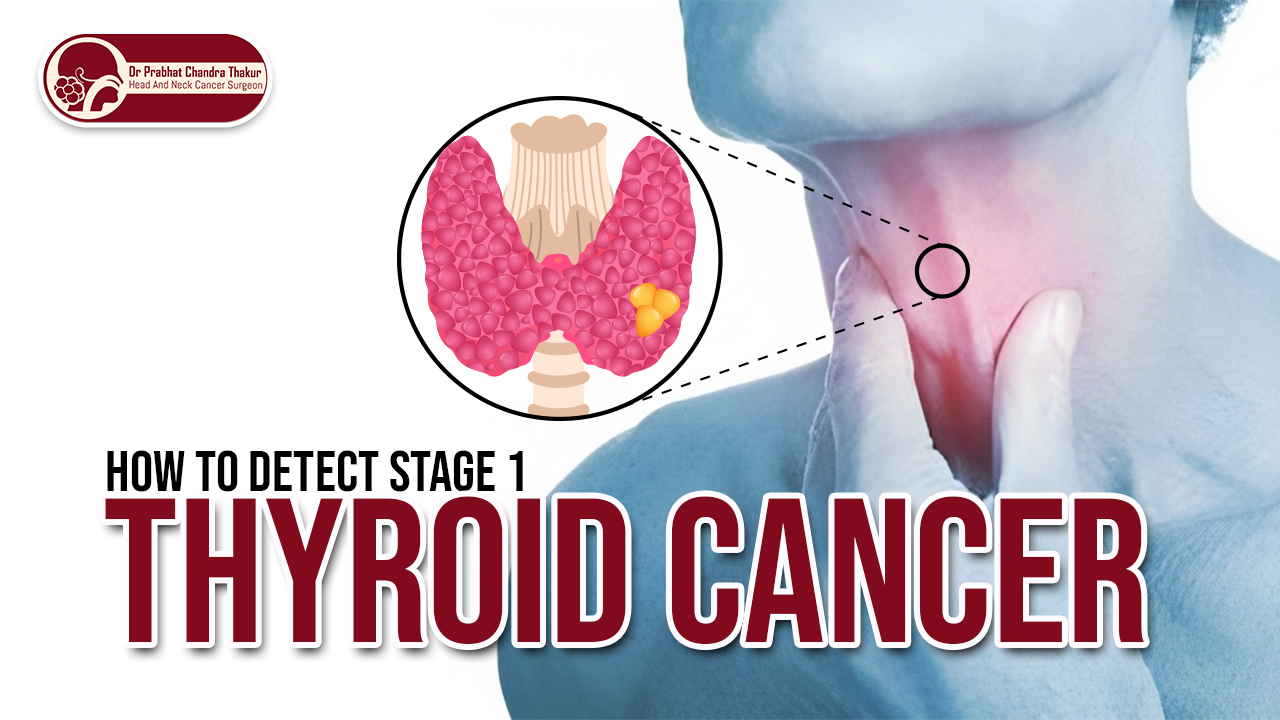
Introduction: The thyroid gland is a butterfly-shaped organ in the front of the neck. Thyroid cancer is a type of cancer that starts in the cells of the thyroid gland. Thankfully, thyroid cancer is frequently identified early on, increasing the likelihood that treatment will be effective. The features, diagnosis, and possible treatments of Stage 1 early-stage thyroid cancer will all be discussed in this article. What is Stage 1 Early Stage Thyroid Cancer? When a thyroid cancer is in its early stages and has only reached the thyroid gland, it is referred to as stage 1 thyroid cancer. Determining the cancer’s extent and directing the right course of treatment are made possible by the staging system. In Stage 1, the thyroid is the only organ affected by the cancer; no other tissues or organs have been affected. Characteristics of Stage 1 Thyroid Cancer: Tumor Size:  In Stage 1 thyroid cancer, the tumor is usually small, with a diameter of less than 2 cm. One important determinant of the cancer’s stage is the tumor’s size. Lack of Invasion:  In the first stage, the thyroid’s cancer cells are contained there and haven’t spread to nearby lymph nodes, the esophagus, or the trachea. Diagnosis of Stage 1 Thyroid Cancer: Diagnosing thyroid cancer often involves a combination of imaging tests, blood tests, and a biopsy of the thyroid tissue. Common diagnostic procedures include: Ultrasound:  High-frequency sound waves are used to create detailed images of the thyroid, helping to determine the size and characteristics of any nodules or tumors. Fine Needle Aspiration (FNA) Biopsy:  A thin needle is used to collect a small sample of tissue from the thyroid for examination under a microscope. This helps to confirm the presence of cancer cells and determine their type. Blood Tests:  Thyroid function tests may be conducted to assess the levels of thyroid hormones and thyroid-stimulating hormone (TSH) in the blood. Treatment Options for Stage 1 Thyroid Cancer: Surgery, specifically a thyroidectomy, in which all or part of the thyroid gland is removed, is often the primary treatment for Stage 1 thyroid cancer. Additional treatments may be suggested depending on the type of thyroid cancer and individual factors. These could include: Radioactive Iodine Therapy:  This treatment may be recommended to destroy any remaining thyroid tissue or cancer cells after surgery.  Thyroid Hormone Replacement Therapy:  After thyroidectomy, patients may need to take thyroid hormone replacement medications to maintain normal thyroid function. Active Monitoring:  In some cases, especially with small, low-risk tumors, a healthcare provider may recommend active surveillance, closely monitoring the cancer without immediate intervention. Conclusion: Thyroid cancer is a localized and often treatable disease in its early stages. Early detection and management are critical to achieving effective results. If you or someone you know has been diagnosed with Stage 1 thyroid cancer, you must work closely with a healthcare team to determine the most effective treatment plan that is tailored to your specific circumstances. Regular follow-up and evaluations are required to ensure long-term health and well-being. Best Oral Cancer, Thyroid Cancer, Head and Neck Cancer Surgeon in Nepal Dr. Prabhat Chandra Thakur Designation: Consultant & Unit Chief/Program Director Head & Neck Oncology Qualification: MBBS, MS(ORL-HNS), Fellowship Head & Neck Oncology Department: Head and Neck Oncology Unit Special interest: Reconstructive surgery and Minimal Invasive surgery in Head & Neck Contact Now

5 myths about Head and Neck cancer

Myths about head and neck cancer

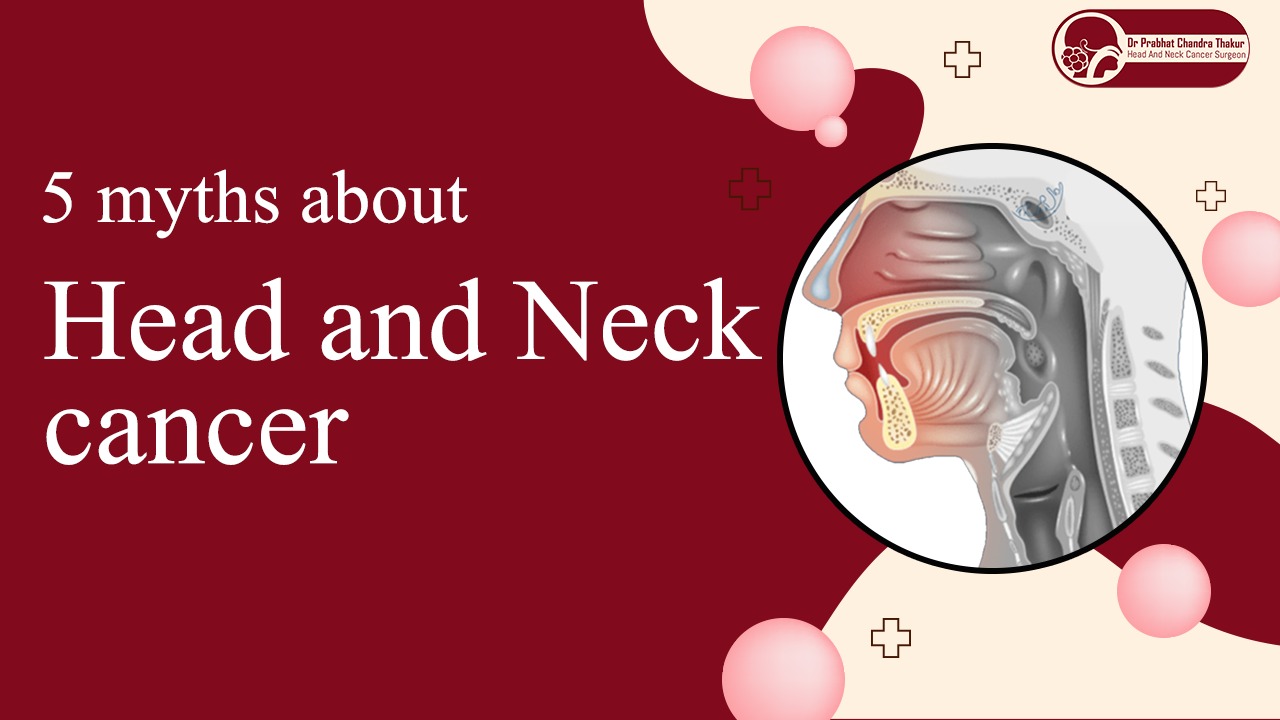
Many people have some myths about head and neck cancer so, don’t worry I will discuss 5 myths about head and neck cancer. Radiation from mobile phones and microwaves can induce brain tumors. This is untrue. Studies have shown that radiofrequency radiation (RFR) emitted by these gadgets will first affect the skin before reaching the brain. Additionally, the calcium in the skull further shields the brain from these radiofrequency radiations. Males and females have the same number of HPV-positive cancer cases. HPV-positive oropharyngeal cancer is 2.8 to 5 times more common in males than in women. Variations in sexual behavior have been shown to have a role in the difference between men and women. Reduced smoking rates have had little effect on the prevalence of head and neck cancer. There is a higher chance of developing cancer if you use smokeless tobacco. The prevalence of head and neck cancer linked to smokeless tobacco varies based on geographical smokeless tobacco usage. Smokeless tobacco usage has been linked to more than 50% of oral cancer cases in both men and women. Alcohol abuse increases the risk of head and neck cancer. When compared to people who never drink, those who use alcohol often (more than or equivalent to three drinks per day) have a 2-fold higher risk of getting head and neck cancer. Hot food or excessive hot food consumption raises the risk of throat cancer. Too much hot food or drink does not raise the risk of throat cancer. Radiation exposure, asbestos, nickel, or wood dust inhalation, poor dental hygiene, and infection with the human papillomavirus are some other cancer risk factors. Best Oral Cancer, Thyroid Cancer, Head and Neck Cancer Surgeon in Nepal Dr. Prabhat Chandra Thakur Designation: Consultant & Unit Chief/Program Director Head & Neck Oncology Qualification: MBBS, MS(ORL-HNS), Fellowship Head & Neck Oncology Department: Head and Neck Oncology Unit Special interest: Reconstructive surgery and Minimal Invasive surgery in Head & Neck Contact Now