Papillary Thyroid Cancer

papilary thyroid cancer

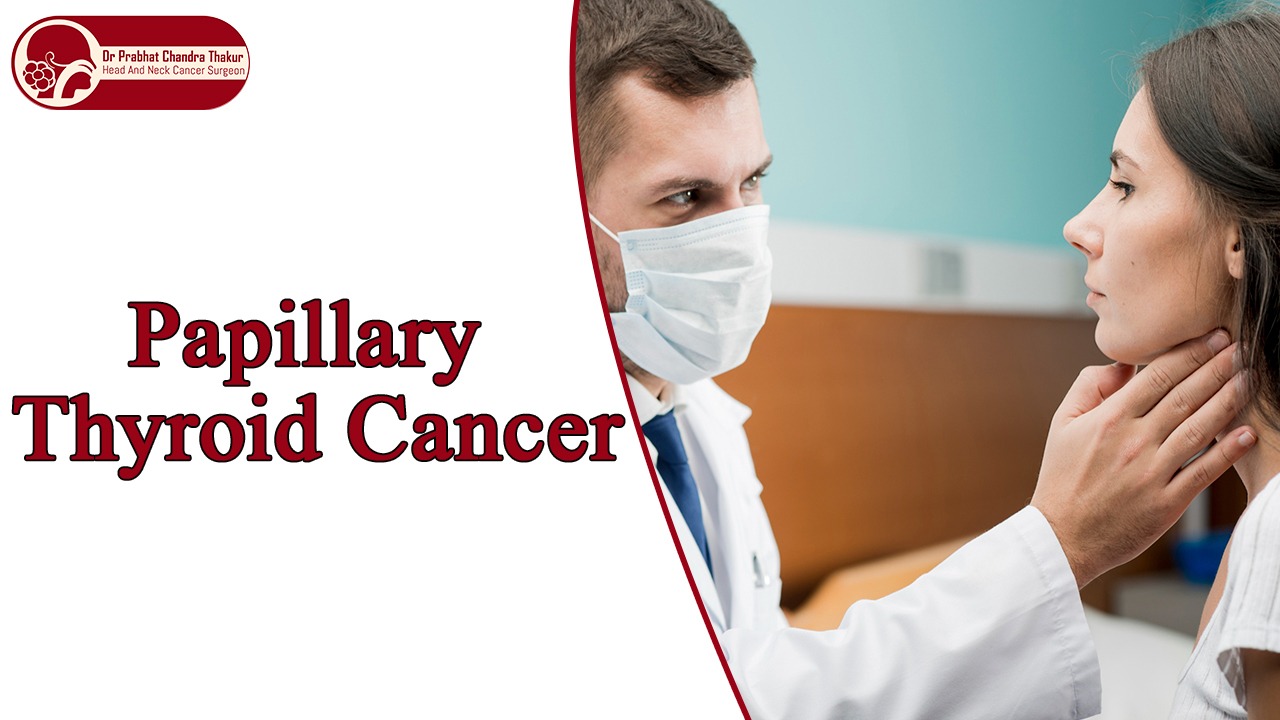
The most prevalent type of thyroid cancer is papillary thyroid cancer, which is also known as papillary thyroid carcinoma. This article will discuss papillary thyroid malignant growth rudiments, including papillary thyroid disease side effects, medicines, and prognosis. Papillary Thyroid Carcinoma Papillary thyroid carcinoma is the most well-known thyroid malignant growth. Papillary thyroid cancer accounts for about 80% of all cases of thyroid cancer. the most prevalent form of well-differentiated thyroid cancer and the most prevalent form of radiation-induced thyroid cancer. In healthy thyroid parenchyma, papillary carcinoma manifests as an irregular solid or cystic mass or nodule. Papillary carcinoma can be either overtly or minimally invasive, despite its well-differentiated characteristics. These tumors might easily spread to other organs. Tumors with papillary structures are more likely to invade blood vessels than lymphatic systems. Symptoms & Treatment The majority of papillary thyroid cancers are asymptomatic, meaning that they do not cause symptoms. A lot of patients won’t even know they’re there. Patients with huge knobs might see a substantial mass (for example a mass they can feel) or a noticeable mass (for example a mass they can see). Compressive symptoms, such as difficulty swallowing, food or pills becoming “stuck” when swallowed, and pressure or shortness of breath when lying flat, may be caused by very large nodules. In instances of cutting-edge malignant growth that is developing (for example attacking) into encompassing designs, patients might foster dryness or trouble gulping. Non-tender, firm, growing, and/or non-shrinking lymph nodes in the neck are indicative of an increased risk of cancer. Patients with compressive side effects, expanded lymph hubs, roughness, as well as a quickly developing knob ought to look for clinical assessment immediately. The treatment for papillary thyroid cancer is determined by the size of the tumor and whether or not it has metastasized. The most common treatment for PTC is surgery. Contingent upon the growth’s size and area, your specialist might eliminate part of your thyroid organ (lobectomy) or the entirety of your organ (thyroidectomy). If you have cancer in the lymph nodes of your neck, your surgeon may remove the affected lymph nodes during or after your first thyroid surgery.You will need to take thyroid hormone replacement medication for the rest of your life if you have a total thyroidectomy. The following are additional PTC treatments: • Therapy with radioiodine, or radioactive iodine • Radiation treatment • Chemical therapy Risk factors It is also known as papillary thyroid carcinoma, has no known cause, but there are risk factors that can make you more likely to get it. Papillary thyroid cancer is the most prevalent of the four main types of thyroid cancer. Having any of the gamble factors recorded underneath may improve the probability that you will foster any type of thyroid disease, including papillary thyroid malignant growth: Having a personal or family history of certain genetic syndromes, being exposed to high levels of radiation from nuclear accidents or weapons testing, having a personal or family history of goiters, receiving whole-body radiation for bone marrow treatment, or having a family history of thyroid cancer Note: If you have papillary thyroid cancer, you will need to see your medical team regularly to keep track of how your treatment is going. Long-term monitoring is also required every six to twelve months for at least five years to check for cancer recurrence. Is papillary thyroid cancer deadly Up to 80% of all thyroid tumors are papillary. This disease type develops gradually. Although papillary thyroid cancer frequently spreads to lymph nodes in the neck, treatment is very effective for the condition. Thyroid papillary cancer is extremely curable and rarely causes death. What is the recurrence rate of papillary thyroid cancer Although papillary thyroid carcinoma (PTC) has a good survival rate, recurrence is still a major concern, as up to 20% of patients will experience recurrence at some point in their lives. However, you can stop it from happening again. After your surgery, your doctor may recommend regular follow-up appointments to help catch papillary thyroid carcinoma early and help prevent its recurrence. For the first two years, this usually means seeing an endocrinologist or surgeon every six months, and then every year after that. Thyroid papillary cancer: a response to questions Best Oral Cancer, Thyroid Cancer, Head and Neck Cancer Surgeon in Nepal Dr. Prabhat Chandra Thakur Designation: Consultant & Unit Chief/Program Director Head & Neck Oncology Qualification: MBBS, MS(ORL-HNS), Fellowship Head & Neck Oncology Department: Head and Neck Oncology Unit Special interest: Reconstructive surgery and Minimal Invasive surgery in Head & Neck Contact Now

5 myths about Head and Neck cancer

Myths about head and neck cancer

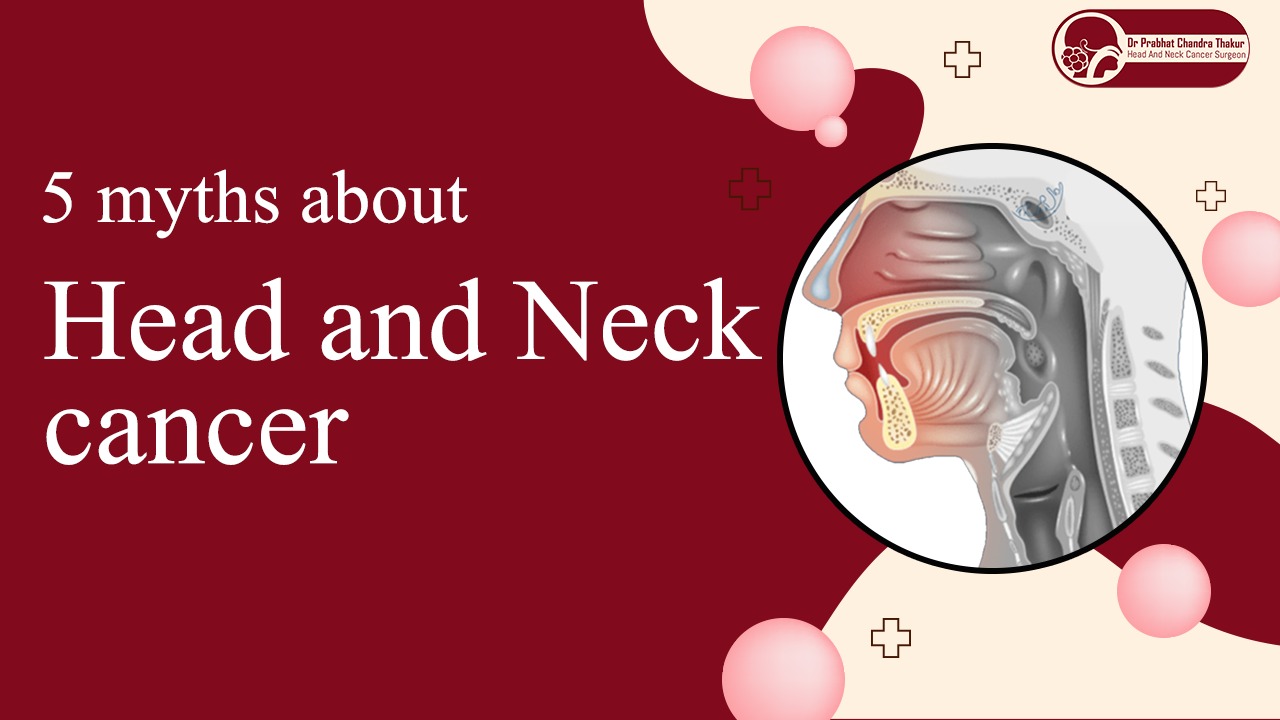
Many people have some myths about head and neck cancer so, don’t worry I will discuss 5 myths about head and neck cancer. Radiation from mobile phones and microwaves can induce brain tumors. This is untrue. Studies have shown that radiofrequency radiation (RFR) emitted by these gadgets will first affect the skin before reaching the brain. Additionally, the calcium in the skull further shields the brain from these radiofrequency radiations. Males and females have the same number of HPV-positive cancer cases. HPV-positive oropharyngeal cancer is 2.8 to 5 times more common in males than in women. Variations in sexual behavior have been shown to have a role in the difference between men and women. Reduced smoking rates have had little effect on the prevalence of head and neck cancer. There is a higher chance of developing cancer if you use smokeless tobacco. The prevalence of head and neck cancer linked to smokeless tobacco varies based on geographical smokeless tobacco usage. Smokeless tobacco usage has been linked to more than 50% of oral cancer cases in both men and women. Alcohol abuse increases the risk of head and neck cancer. When compared to people who never drink, those who use alcohol often (more than or equivalent to three drinks per day) have a 2-fold higher risk of getting head and neck cancer. Hot food or excessive hot food consumption raises the risk of throat cancer. Too much hot food or drink does not raise the risk of throat cancer. Radiation exposure, asbestos, nickel, or wood dust inhalation, poor dental hygiene, and infection with the human papillomavirus are some other cancer risk factors. Best Oral Cancer, Thyroid Cancer, Head and Neck Cancer Surgeon in Nepal Dr. Prabhat Chandra Thakur Designation: Consultant & Unit Chief/Program Director Head & Neck Oncology Qualification: MBBS, MS(ORL-HNS), Fellowship Head & Neck Oncology Department: Head and Neck Oncology Unit Special interest: Reconstructive surgery and Minimal Invasive surgery in Head & Neck Contact Now
“5 Surprising Facts About Oral Cancer You Need to Know!”

“5 Surprising Facts About Oral Cancer You Need to Know!”

In this article, I will share 5 Surprising Facts About Oral Cancer You must not ignore. Men are considerably more likely to develop oral cancer. Oral cancer risk increases with age, however, those as young as 55 are nonetheless at risk for the condition. Oral cancer is also twice as common in men as it is in women. Early detection and treatment are crucial. The early detection and treatment of oral cancer is one of the contributing causes to the 65% survival rate. The best method to protect yourself is to be aware of the warning signs of oral cancer and to consult your doctor as soon as you can. If you have any of the common signs, which include: Oral cancer risk is higher among smokers and heavy drinkers. Combining excessive drinking with smoking might greatly raise your risk of mouth cancer. When compared to a non-smoker, smoking cigarettes raises your risk of head and neck cancer by 15 times. Oral cancer may be diagnosed up to 100 times more frequently in heavy drinkers and smokers than in nondrinkers, according to research. HPV is to blame for the increase in cancer cases. The surge in oropharyngeal malignancies among younger, non-smokers, which affect the tonsils and base of the tongue, is caused by HPV and is linked to oral intercourse. The risk of HPV cancer increases with the number of oral sex partners an individual has. Most cases of oral cancer are preventable. Avoiding well-known risk factors like smoking and excessive alcohol use will help reduce your risk of acquiring oral cancer.  For instance, mouth cancer most frequently affects people over the age of 55 and males are two times more likely than women to get the condition. If you felt any of these types of facts, then you should consult Dr. Prabhat Chandra Thakur. Best Oral Cancer, Thyroid Cancer, Head and Neck Cancer Surgeon in Nepal Dr. Prabhat Chandra Thakur Designation: Consultant & Unit Chief/Program Director Head & Neck Oncology Qualification: MBBS, MS(ORL-HNS), Fellowship Head & Neck Oncology Department: Head and Neck Oncology Unit Special interest: Reconstructive surgery and Minimal Invasive surgery in Head & Neck Contact Now

Types of Lip and Oral (mouth) Cancer

Types of mouth cancer by region by Dr. Prabhat

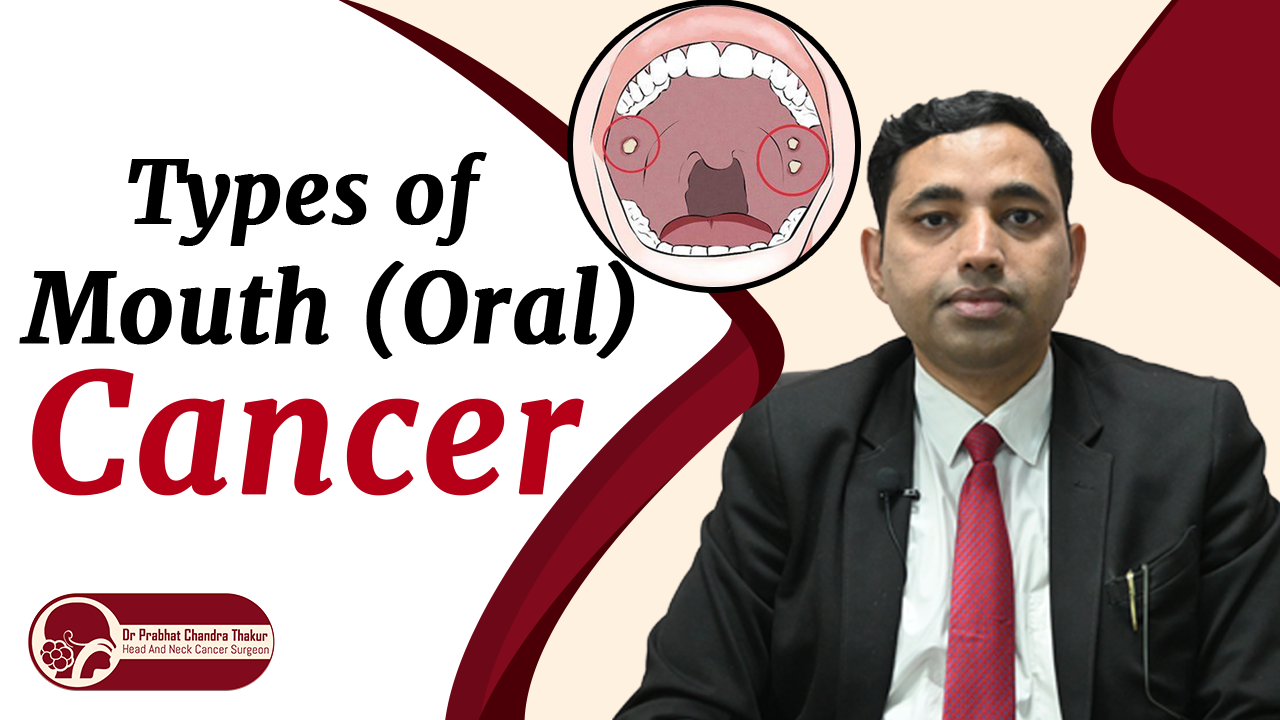
All potential sites for mouth cancer are the tongue, lips, gums, floor of the mouth, and roof of the mouth, which is also known as oral cancer. Types of mouth (oral) cancer based on where it occurs, mouth cancers can be categorized. Types of Oral (mouth) Cancer by Region Lips Cancer Lip cancer is the most common area of mouth cancer. It is both a skin cancer and an oral cancer, but is typically treated as an oral cancer depending on the location. If diagnosed early, the prognosis for lip cancer is favorable. With early detection, treatment is usually surgery without the need for radiation therapy, chemotherapy or lymph node removal. More advanced cases can result in the spread of tumors into nearby nerves and the jawbone which may require more extensive surgery and treatments.  Members of the reconstructive team at Penn Center for Head and Neck Cancer use the latest advancements to reconstruct defects of the upper lip with minimal to no scarring, while maintaining competence of the lips to prevent problems such as drooling or difficulty speaking.  Gums Cancer Most of the time, something grows on the outside of the gums to cause gum cancer. It is much of the time a mass and can be either red or white. It could also bleed. In contrast, gingivitis is an early-stage infection of the gumline brought on by the irritation-causing bacteria that live there naturally.     Smoking and chewing tobacco use are two of the risk factors that are shared by gum disease and gum cancer. Gum cancer, also known as cancer of the alveolar ridge, is more common in those who use of cigarettes and chewing tobacco. Fortunately, it is now much less common. Side effects of gum malignant growth might include: gums that are white, red, or dark; gums that are bleeding or cracking; gums that are thick. Surgery is almost always the first step if a relatively small lesion is present. However, if teeth are involved, we may also need to extract them. Also, if something is growing into the jawbone, it starts to build much more difficult surgeries that need to be replaced. After surgery, sometimes administer chemotherapy or radiation is given to a patient. However, decisions regarding care should always be made in a multidisciplinary setting. If detected early, gum cancer is highly curable. A head and neck cancer surgeon often performs surgery as part of the treatment. The objectives of gum cancer treatment are to cure the cancer; maintain your appearance and oral functions; and prevent the cancer from returning. Tongue Cancer Several kinds of diseases can influence the tongue. However, tongue malignant growth most frequently starts in the slim, level squamous cells that line the outer layer of the tongue. The kind of cells engaged with your tongue disease decides your therapy and treatment. The tongue is made up of two parts: Both the oral tongue and the base of the tongue can develop cancer. The oral tongue is the part you see when you jab your tongue out at somebody. This is the front 66% of your tongue. A category of cancers known as mouth (oral) cancer includes cancers that originate in this region of the tongue. The majority of tongue cancers have no known cause, but several risk factors have been identified. Smoking tobacco (pipes, cigars, and cigarettes) and regularly drinking a lot of alcohol are both harmful. Progressively, malignant growths at the base of the tongue are related with human papillomavirus (HPV), which significantly affects the prognosis and therapy of the disease. The side effects of tongue disease could include:     •           A red or white fix on the tongue that will not disappear •           An irritated throat that doesn’t disappear •           A sensitive area (ulcer) or bump on the tongue that doesn’t disappear •           Pain while gulping •           Deadness in the mouth that will not disappear •           Agony or consuming inclination over the tongue •           Issues moving your tongue or talking •           Unexplained draining from the tongue (that is not brought about by keeping quiet or another injury) •           Pain in the ear (uncommon) Keep in mind that these symptoms may be caused by a condition that is not as serious. However, just to be safe, it’s best to check your symptoms with your doctor. The following factors affect how tongue cancer is treated: The phase of your malignant growth. Where the malignant growth is on your tongue. Your overall wellbeing. Your mouth will be examined by your doctor, and questions about your symptoms will be asked. They might suggest an x-beam or CT (electronic tomography) examination is taken from various points and set up to show a more itemized picture. A biopsy, or oral tissue sample, may also be taken for testing. Surgery to remove cancer from the tongue is typically the treatment for tongue cancer. Additionally, targeted drug therapy, radiation therapy, and chemotherapy may be suggested. Advanced tongue cancer treatment can make it harder to talk and eat. You can better manage the changes brought on by treatment for tongue cancer by working with an experienced rehabilitation team. Conclusion We discussed Types of Lip and Oral (Mouth) Cancer by region above which is lip, jaw & gum, and tongue cancer also discussed how it occur. Best Oral Cancer, Thyroid Cancer, Head and Neck Cancer Surgeon in Nepal Dr. Prabhat Chandra Thakur Designation: Consultant & Unit Chief/Program Director Head & Neck Oncology Qualification: MBBS, MS(ORL-HNS), Fellowship Head & Neck Oncology Department: Head and Neck Oncology Unit Special interest: Reconstructive surgery and Minimal Invasive surgery in Head & Neck Contact Now
Lip cancer

Image showing girl with lip cancer

Overview This article entails how you get lip cancer, and how can you identify and prevent cancer. A lump or sore on your lip that doesn’t go away could be an early sign of lips cancer, which is a type of oral cancer. Lip malignant growth can influence anybody, however, it’s mostly considered normal in guys with fair complexion beyond 50 years old. The condition is more common in people who smoke, drink a lot of alcohol, or spend a lot of time in the sun. Additionally, individuals who have had an organ transplant and are immunocompromised may be at greater risk. Lip cancer Symptoms: The following are the symptoms of lips cancer: • A persistent mouth sore, lesion, blister, ulcer, or lump • A reddish or white patch on the lip • bleeding or pain in the lips • Jaw swelling It’s possible that lip cancer has no symptoms. Dental specialists frequently first notice lip malignant growth during a normal dental test. However, on the off chance that you have a sore or irregularity all the rage, it doesn’t guarantee to mean you have lip disease. Talk about any symptoms with your dental specialist or specialist. Causes: Oral cancer is often linked to tobacco and heavy alcohol use lip cancers are linked to tobacco use, and if you drink in addition to using tobacco you are at an even higher risk. Lip cancer, which is strongly linked to tobacco use and alcohol consumption, also has several risk factors including: Risk factors: Your lifestyle and actions have a significant impact on your risk of lip cancer.  Factors that might build your risk for lip cancerous growth include: Tobacco use is linked to the majority of oral cancers. When compared to people who only use one of the two substances, those who use both tobacco and alcohol face an even greater risk. Consult your physician if you have any lip cancer symptoms. They will examine your lips and other parts of your mouth to look for abnormalities and try to figure out what might be the problem. Lip cancer Prevention: Avoiding all forms of tobacco use, excessive alcohol consumption, and exposure to both natural and artificial sunlight; particularly tanning beds, are all ways to reduce your risk of developing lip cancer. Many instances of lip malignant growth are first found by dental specialists. Keeping your regular dental appointments with a licensed professional is therefore essential, particularly if you are more likely to develop lip cancer. Reduce your risk for lips cancer growth by staying away from common risk factors: • Quit smoking. The most significant risk factor for mouth and lip cancer is smoking. Consider stopping, if you are a smoker. • Don’t drink a lot of alcohol. Be careful not to overindulge in alcohol. • Use the right kind of sunscreen. When you are outside, use a lip balm with an SPF and wear sunscreen every day to prevent other types of skin cancer. •Lessen your risk for HPV. Think about getting vaccinated against HPV and practicing safe sex. • Participate in regular oral cancer screenings. Your essential consideration doctor or your dental specialist can play out these screenings to guarantee that no irregularities have created. Best Oral Cancer, Thyroid Cancer, Head and Neck Cancer Surgeon in Nepal Dr. Prabhat Chandra Thakur Designation: Consultant & Unit Chief/Program Director Head & Neck Oncology Qualification: MBBS, MS(ORL-HNS), Fellowship Head & Neck Oncology Department: Head and Neck Oncology Unit Special interest: Reconstructive surgery and Minimal Invasive surgery in Head & Neck Contact Now
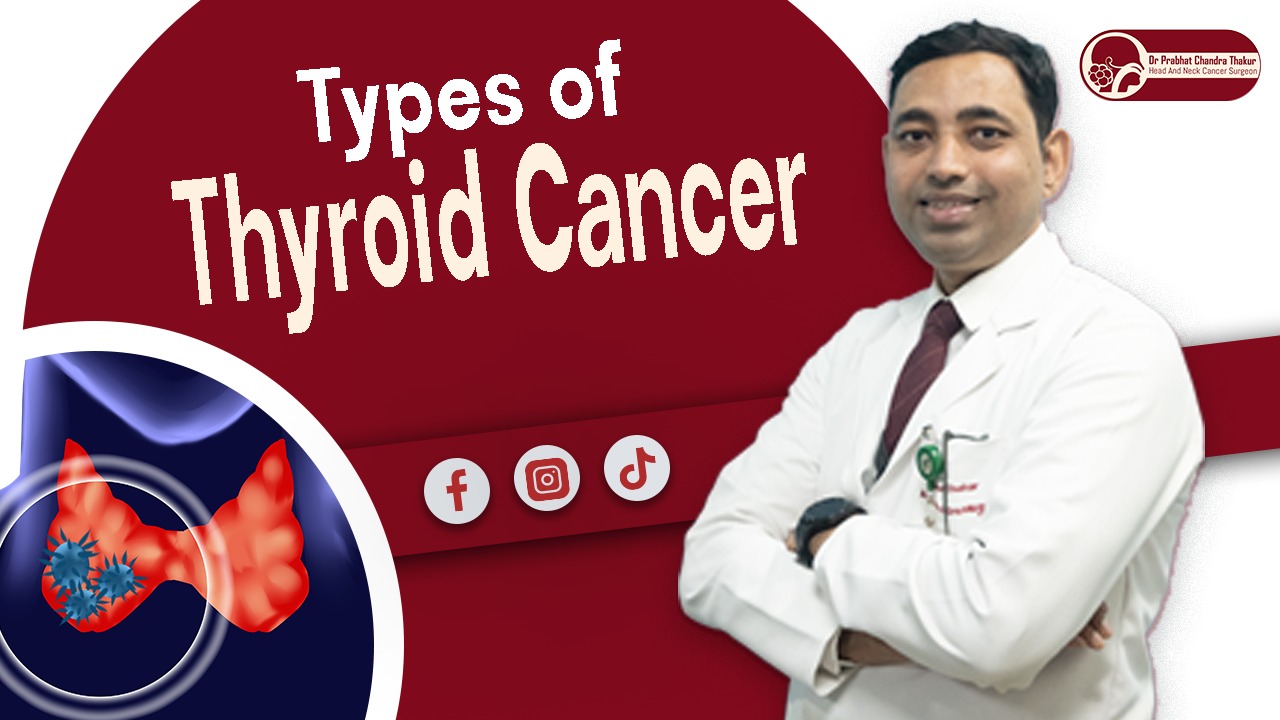
Types of Thyroid Cancer

Types of Thyroid cancer

Second, only to ovarian carcinoma, thyroid carcinoma is the most common endocrine cancer that results in death. Thyroid cancer is now on the rise at a rate faster than any other type of cancer. Therefore, this article aims to discuss the commonness of thyroid malignancies among types of thyroid cancer. Thyroid cancer is one of the most common cancers among all cancer in the context of Nepal. According to data from Kathmandu Post, 2019, it has a 10-year survival rate in more than 90% of patients after treatment, making it one of the relatively better cancers to get. The thyroid gland can be affected by a variety of cancers, which are categorized according to their similarity to normal thyroid cells under a microscope (differentiated vs. undifferentiated) and the type of cell they originate from. Thyroid cancer can be one of four main types: The differentiated (papillary or follicular) form of thyroid cancer accounts for more than 80% of patients and has a 97% cure rate. However, in uncommon cases, thyroid disease is aggressive and spreads quickly or returns. A subset of patients may also have a form that does not respond well to treatment with radioactive iodine. Papillary thyroid cancer Papillary carcinomas are differentiated, slow-growing cancers that originate in follicular cells and can spread to one or both thyroid lobes. This is the most prevalent form of thyroid cancer i.e., 75 % overall, affecting women between the ages of 40 and 50 in approximately 80% of cases. This kind of cancer can spread to lymph nodes in the neck that are nearby, but it is generally treatable and has a good prognosis (a good chance of survival). The differentiated form is present in more than 90% of thyroid cancer patients. According to the American Cancer Society, the good news is that this kind of thyroid cancer has a very high survival rate i.e., 98% for women and 93 % for men. Follicular thyroid cancer As per the data from Medscape, Follicular carcinoma, also known as follicular thyroid cancer, is the second most common thyroid cancer in women (15%) and typically occurs between the ages of 40 and 60 and is responsible for about one in ten cases. It occurs more frequently in nations where iodine intake in the diet is low. Despite being slightly more aggressive than papillary cancer, it is associated with a favorable prognosis in the majority of cases. Follicular carcinomas are more likely to spread than papillary cancers via hematogenous spread to other organs, such as the lungs or the bones, but they rarely spread to nearby lymph nodes. Medullary thyroid cancer As opposed to papillary or follicular cancers, medullary thyroid cancer, also known as medullary thyroid carcinoma, is more aggressive and less differentiated. These develop in parafollicular cells (C-cells, which are derived from neural crest cells) and account for approximately 3% of thyroid cancers. As a result, they raise calcitonin levels and are associated with MEN 2 syndrome (both 2a and 2b) in 20% of cases data from TeachMeSurgery. The medullary subtype of thyroid cancer will account for about 4% of all cases. Compared to more differentiated thyroid cancers, these cancers are more likely to spread to lymph nodes and other organs. Thyroid blood tests can also detect high levels of calcitonin and carcinoembryonic antigen (CEA) that they frequently release. Both lymphatic and medullary routes can spread medullary carcinoma; Sadly, the prognosis for the nodal disease is extremely poor. MTC is known to be of two types: 1.         Sporadic (80% of cases, frequently in more seasoned grown-ups) 2.         Familial (usually present in early adulthood or childhood). This type spreads all the more quickly. The gene that causes familial MTC can be found through a blood test. Genetic testing is something you should inquire about with your doctor if you have a family history of thyroid cancer. Anaplastic thyroid cancer Anaplastic thyroid cancer is deadliest types of thyroid cancer. The most undifferentiated form of thyroid cancer, also known as anaplastic thyroid carcinoma, resembles the thyroid gland’s normal cells in the least. They will generally develop quickly with early neighborhood attacks and frequently spread when shown. The prognosis is poor and treatment is frequently steady. It is a rare form of thyroid cancer that affects about 2% of thyroid cancer cases. These uncommon tumors, which cause 5% of thyroid cancers, typically affect the elderly and are extremely aggressive. Hürthle cell thyroid cancer Hurthle cell growths are a variation of follicular neoplasms wherein oxyphil cells prevail, an intriguing thyroid disease. About 3% of all thyroid cancers are caused by this subtype of follicular carcinoma. They will quite often develop and spread all the more rapidly. There are additionally a few intriguing (2-4% of cases) sub-types called: Columnar, Tall Cell, Separate, Diffuse Sclerosis, and Hürthle Cell carcinoma (otherwise called Oxyphil Cell Carcinoma). Other forms Thyroid sarcoma and thyroid lymphoma are two other extremely uncommon types. Only 1% to 2% of all thyroid cancers are caused by thyroid lymphomas. They typically affect people over the age of 60. They may develop B-cell symptoms and compressive signs at a rapid rate. NOTE: Patients with thyroid cancer generally have an excellent prognosis, even those with aggressive forms. Best Oral Cancer, Thyroid Cancer, Head and Neck Cancer Surgeon in Nepal Dr. Prabhat Chandra Thakur Designation: Consultant & Unit Chief/Program Director Head & Neck Oncology Qualification: MBBS, MS(ORL-HNS), Fellowship Head & Neck Oncology Department: Head and Neck Oncology Unit Special interest: Reconstructive surgery and Minimal Invasive surgery in Head & Neck Contact Now

Throat Cancer

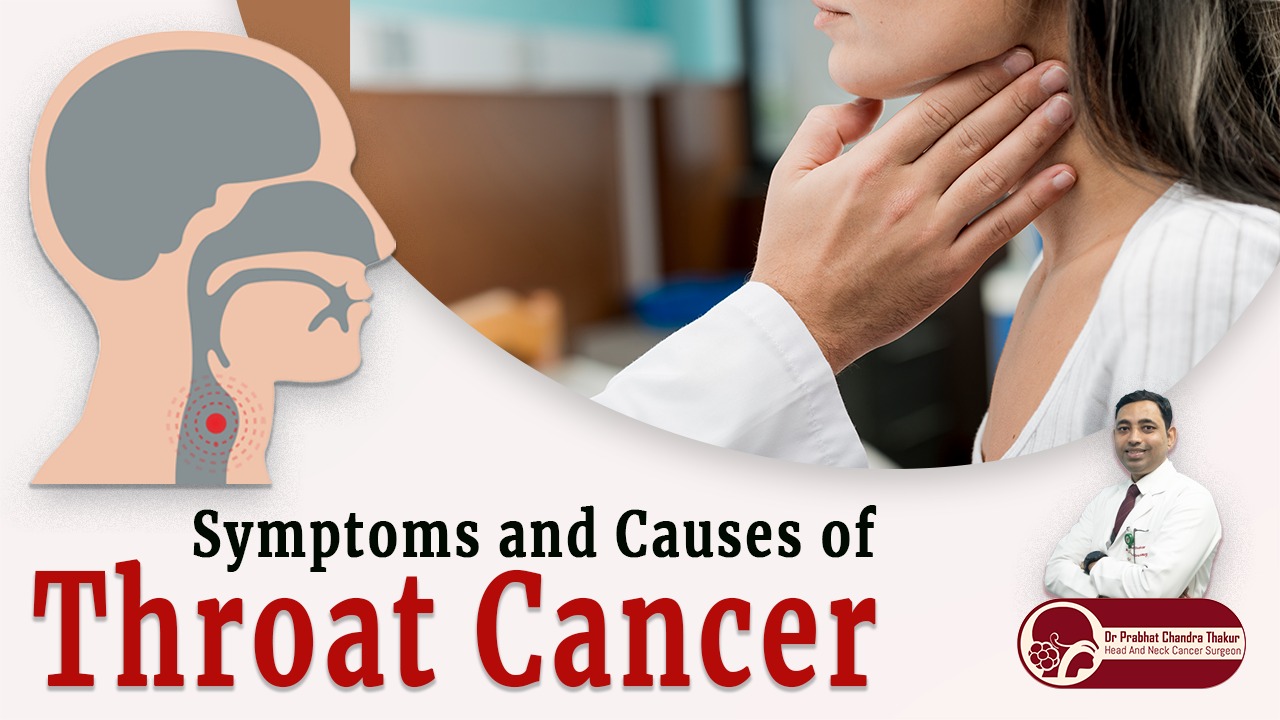
Symptoms and causes of throat cancer

Overview: In this article, I will discuss detail information about Throat cancer so you can easily understand symptoms and prevention without any help of doctor. In the case of throat cancer, it usually develops in the larynx, vocal cords, tonsils, or pharynx. These cancers may be identified more in people who have been exposed to toxins such as cigarettes, smoke, and asbestos. This article here entails the causes of throat cancer together with the diagnosis and prevention that you can practice to eliminate or reduce its possibility to occur. What is throat cancer when the cells in your throat undergo genetic changes, these mutations allow cells to proliferate uncontrollably and remain alive even after healthy cells normally die. These collecting cells in your throat can create cancerous growth ensuing throat cancer. It is a generic term for cancers that occur in the throat (pharyngeal cancer) or the voice box. (laryngeal cancer). Though, It is relatively uncommon compared with other cancer as per the article Causes, Symptoms, and Diagnosis (healthline.com) The muscular tube that begins behind your nose and ends in your neck has two main areas that doctors call the pharynx and head & neck cancer. These areas are one of the main parts that have the highest risk of cancer. In addition, a voice box that sits just below your throat also is susceptible to throat cancer. Causes The cause of throat cancer, yet, is not clear but there are risk factors that may increase your risk of developing one: •           Tobacco use, including smoking and biting tobacco •           Over-the-top liquor use •           Viral contaminations, including human papillomavirus (HPV) and Epstein-Barr infection •           A diet lacking in fruits and vegetables •           Gastroesophageal reflux infection (GERD) •           Exposed to poisonous substances Signs and symptoms of throat cancer The signs and symptoms of throat cancer often resemble those conditions that are much less serious. In the early stages of the disease, it may be difficult to recognize the symptoms. Because Many of the symptoms of it, such as a sore throat or hoarseness, are the same as those of a head cold as throat cancer is a type of head and neck cancer. Early detection signs A persistent sore throat you are experiencing might be the most common early warning sign of it. If the sore throat lasts for more than two weeks, you ought to see a doctor immediately. According to the American Cancer Society, sore throat that lasts for more than two weeks can cause serious conditions. Advanced symptoms Numerous symptoms are shared by the three main types of throat cancer: hypopharyngeal cancer, laryngeal cancer, and oropharyngeal cancer, which includes oral cancers as well.  Nevertheless, much malignant growth of throat cancer doesn’t foster in the beginning phases of the disease. Some signs and symptoms include: If you notice any new, persistent signs and symptoms it is important to make an appointment with your doctor. Because the majority of symptoms of are not specific to the disease, your doctor will probably first diagnose, and provide you required medication, and tests with typical causes. Diagnosis of throat cancer Your doctor will want to know about your symptoms as well as your medical history. They may suspect cancer in some portion of the throat if you’ve been having symptoms such as a painful throat, hoarseness, and chronic cough with no improvement and no apparent reason. To ensure throat cancer, your doctor will do a direct or indirect laryngoscopy to determine the condition of your throat and the extent of cancer growth. What after the diagnosis If your doctor discovers malignant cells in your throat, the doctor will conduct additional tests to find out the stage of your cancer. The most basic method of staging throat tumors uses a number system ranging from 0 to 4. Depending on where and which part of the throat is the tumor in or the array of its spread in the area. This will help the doctor determine the best treatment options for you. Prevention: There is no quite such method to prevent this cancer but you can lower your risk by: By quitting smoking, you can lower your risk of contracting diseases. The most significant factor in throat cancers is smoking. Additionally, it notably increases tobacco smoke’s capacity to cause cancer. So, keeping away from liquor as well as smoking is particularly substantial for your health. Laryngeal and hypopharyngeal cancers have been linked to malnutrition, excess weight, and vitamin deficiencies. Following a good dieting example might assist you with reducing the risk of these tumors. “The American Cancer Society says that eating a healthy diet is better than adding vitamins to a diet that is otherwise unhealthy”. Together with reducing the amount of added fat, sugar, and highly processed, increasing your regular exercise can be beneficial. Oral sex and multiple sex partners are more likely to be infected with the human papillomavirus (HPV). Individuals who smoke are bound to get HPV contaminations, presumably because the smoke harms their immune system or the cells that line the throat. If you want to lower your chances of getting an oral HPV infection, talk to your doctor about getting the HPV vaccine. Treatment: The treatment of this cancer includes a various number of specialists such as: The oncologist, radiation oncologist, pathologist, and anesthesiologist. Moreover, your treatments will include surgery, radiation therapy (radiotherapy), chemotherapy, or a combination of these depending on the stage and type of cancer. Best Oral Cancer, Thyroid Cancer, Head and Neck Cancer Surgeon in Nepal Dr. Prabhat Chandra Thakur Designation: Consultant & Unit Chief/Program Director Head & Neck Oncology Qualification: MBBS, MS(ORL-HNS), Fellowship Head & Neck Oncology Department: Head and Neck Oncology Unit Special interest: Reconstructive surgery and Minimal Invasive surgery in Head & Neck Contact Now
Head & Neck Cancer Doctor in Nepal

Head and Neck Cancer Doctor in Nepal

In this article, I will discuss with you how to find head & neck cancer doctor in Nepal and Which qualities should have to be the best cancer doctor. so, let’s start. An oncologist is also known as a cancer expert. An oncologist is a doctor who treats cancer and gives medical care to cancer patients. Some doctors in large cancer centers only treat patients with particular types of cancer. You might be able to find an oncologist who focuses on treating head and neck, breast, prostate, lung, colorectal, or other types of cancer, for example. This is especially useful if you have an uncommon or difficult-to-treat cancer. Think about the qualities you want your doctor to have before you start searching for one. Qualities of the best head & neck cancer doctor Certain suggestions are given below to differentiate the best head and neck cancer doctor based on qualities such as choice; what you would like your doctor to have or the type of cancer you have (medical needs); and what you expect. Aside from these qualities, the doctor should have the following: • Knowledge and expertise • Communication skills • Willingness to answer questions • Availability and accessibility • Care approach based on collaboration Why is it essential for a doctor to have these attributes? Doctors make patients feel at ease and relaxed, listen to their concerns, and explain complex medical ideas in layman’s terms. It is also advantageous to be able to work as part of a team and to listen to various points of view from the patient’s perspective. Understanding the qualities mentioned above and having such qualities in a doctor demonstrates the doctor’s capability and success rate. For instance, Dr. Prabhat Chandra Thakur brings his expertise in Remote access Endoscopic Thyroid & Neck surgery, Endoscopic skull base surgery, and Reconstruction in the Head & Neck at Nepal Cancer Hospital & Research Center, Harisiddhi, Lalitpur. He also has received the GOLD MEDAL AWARD for the best outgoing resident in PGI CHANDIGARH, INDIA. In addition to his Experience in  More Than 5000 Major & Minor Head And Neck Cancer Surgery Along With Reconstruction. The Pioneer Of Scarless Thyroid Surgery (Endoscopic Thyroidectomy) In Nepal, A Procedure Performed At Only A Few Centers In The World. These attributes define him as the best doctor in this sector of head and neck cancer. How to find the best doctor for head and neck cancer You can consider these following steps: Research: To achieve a better result, research must be conducted before any implementation. Making up your mind about what you need and what you should have is possible with the aid of research. Researching cancer, the type of cancer, and the service you require will help you understand the need for searching for a doctor. Get started by conducting an extensive study on head and neck cancer, including its types, stages, treatment options, and potential specialists. Seek out credible sources, such as medical websites and cancer groups. Credentials: Look for cancer specialists, oral surgeons (ear, nose, and throat specialists), and head and neck surgeons who are board-certified. Examine their educational history, training, certifications, and years of expertise in treating head and neck cancer. According to Advanced Data Systems Corporation, medical credentialing verifies that nurses and doctors have received appropriate training and certification, as well as the necessary professional experience to provide healthcare services to patients. It is a critical component of maintaining good safety standards in the medical profession. Experience: Consider doctors with extensive expertise in managing head and neck cancer cases, as they may have a better grasp of the disease and better treatment outcomes. To make a choice a doctor’s work experience should provide you with an understanding of what a Doctor does, how to work in a team in a caring environment, and an understanding of the skills and traits required of a Doctor to have expertise in head and neck cancer. Like, Dr. Prabhat, his engagement his experience, and his knowledge of disease and its cure make him more familiar with the circumstances, and is considered the preferred choice as the best head and neck doctor. Referrals: It necessitates the patient’s trust in a doctor, which is not simple to come by: especially when dealing with a patient’s health. Patients are usually referred to a specialist by their general care physician or a hospital doctor. Although Patient to Patient referrals are much less prevalent, they should still be discussed. Patients facing certain health problems may speak with a friend or family member who is also dealing with a similar problem. In such cases, qualification expertise and experience are more prominent. Communication thereby increases personal preferences as well as referrals amongst family and friends circle. Communication:  Look for feedback from clients and testimonials about the doctors you’re thinking about seeing. These can reveal information about their counseling manner, communication abilities, and general patient satisfaction. Examine reputable online review websites or request referrals from previous patients and doctors. Nonetheless, Active listening and sensitivity go hand in hand when it comes to patients. Being a cancer doctor is a necessary component for better health outcomes, and it is one of the most important aspects because patients frequently regard doctors as a source of mental support. Personal preferences: Doctors and other professionals should improve their communication skills for a variety of reasons, including • the ability to successfully engage with a “difficult” patient; • adjusting for language barriers such as accents or colloquial expressions; and • presenting diagnosis and/or treatment options. • Providing a positive patient experience and a higher level of satisfaction • Improving patient adherence to medications or treatments • Demonstrating empathy for patients/patient care • Gaining a clear grasp of patient needs or medical issues Furthermore, the survivor and the service that the patients receive, determine the preference. While preference is also influenced by availability, accessibility, sort of cancer references, and affordability as well. Various treatment options are available depending on the type of cancer; however, … Read more

Oral Cancer Awareness Month is April 2023

Oral Cancer Awareness Month 2023

April month is known as oral cancer awareness month, a yearly observance emphasizing the fact that early detection of oral cancer can reduce morbidity and improve long-term survival. The observance also highlights the significance of including oral cancer screenings in routine dental exams. Oral Cancer is the fifth most common cancer in the context of Nepal. In addition, tobacco and alcohol use have increased in Nepal, leading to higher cancer DALYs. Why Oral Cancer: Awareness is Important Several cancers that start in the region of the mouth are known as oral cancer. Oral cancer occurs on the lips, tongue, and floor of the mouth in common but can also affect cheeks, gums, roofs, tonsils, and salivary glands. Oral cancer can spread throughout your mouth and throat to other areas of your head and neck when left untreated. Early screening is therefore necessary. It is important to identify mouth cancer or pre-cancerous lesions in their early stages to increase the likelihood of successful treatment and cure. This involves early detection and removal of cancer or lesions along with awareness in more prone areas and age groups before they become more advanced. Cancer Awareness plays an important role in the reduction of oral cancer cases. How can we celebrate Oral Cancer Awareness Recognizing and comprehending the reality of oral cancer, whether in April or any other month, is important. April is Oral Cancer Awareness Month, which is observed by reminding everyone to perform monthly self-check for oral cancer and by raising awareness about oral cancer which is often ignored but is a serious disease. You must see your medical adviser regularly to maintain yourself and your mouth healthy. Causes There are various reasons to be infected with oral cancer, one of which HPV human papillomavirus is the main risk factor. Other risk factors include: According to the oral cancer doctor, these factors show symptoms that cause pre-cancer or lesions such as white spots in the mouth. Signs The signs and symptoms of this condition include: Dr. Prabhat Chandra Thakur says the most common symptom of oral cancer is when the white spots appear in the mouth and don’t go away even after weeks. Yet people are not aware of it which results in more serious conditions of oral cancer. Early detection is crucial together with oral cancer awareness A stage describes oral cancer’s location, if cancer has grown, or penetrated the surface of the area where it was found. In My 10 years of experience and while working as ENT in Bharatpur on analysis the case of an initial staged patient was comparatively low in contrast to late staged cases. This could be because of a lack of oral cancer awareness. People were not aware of or say usually avoid the conditions until and unless they become serious. Prabhat Chandra Thakur says I have performed more than 5000 major & minor head and neck cancer surgery along with reconstruction. And in this experience, the cases of oral cancer were quite high of those in later stages say 3rd and 4th stages. Oral Cancer awareness should be spread as it is cured if found and treated at an early stage (when it’s small and has not spread). According to the National Institutes of Health, more than 75% i.e. 75 out of 100 people survive their cancer for 1 year or more after they are diagnosed. Around 55 out of 100 people (around 55%) survive their cancer for 5 years or more after diagnosis. Oral Cancer Prevention and Treatment The observance also highlights the significance of including oral cancer screenings in routine dental exams. Preventative measures, such as regular dental checkups and reducing tobacco and alcohol use, can help reduce the risk of developing oral cancer. The best method to reduce your risk of developing oral cancer is to stop smoking or using tobacco products. Even after many years of use, quitting tobacco reduces your chance of developing oral cancers significantly. Treatment for oral cancer may include surgery, radiation therapy, and chemotherapy. The majority of people with stage I or II oral cavity cancers respond well to surgery and/or radiation therapy. Another possibility is chemoradiation, which combines chemotherapy and radiation. Both surgery and radiation are effective treatments for oral cancers. Is something abruptly making you feel awful? Don’t put it off. Call us right away to schedule an appointment with the doctor and let us put your mind at ease. Message from the doctor:  We all need to know as adults about oral health when to see the doctor and how oral cancer awareness is vital for early detection and cure. Oral Cancer Questions & Answers What is an interesting fact about oral cancer? Men develop oral cancer considerably more frequently than women, and the risk rises with age. Alcohol use and tobacco use both significantly increase the risk of oral cancer. How do you deal with oral cancer? A full recovery may be feasible with just surgery if the cancer has not advanced past the mouth or the oropharynx, the area of the throat at the rear of the mouth. It may be necessary to combine surgery, radiation, and chemotherapy if the cancer is big or has progressed to your neck. Can you kiss with oral cancer? Some people’s partners are concerned that they could contract cancer through kissing. However, cancer cannot be contracted by another person to reassure them. You and your partner are free to kiss and engage in any other form of physical contact that you find acceptable. What age is oral cancer most common? The age range from 60 to 74 was the most prevalent. Conclusions In Nepal, the trend of HNCs is on the rise, particularly oral malignancies. How long does oral cancer last? Overall, 68% of people with oral cancer survive for 5 years. Diagnosing oral cancer at an early, localized stage significantly increases 5-year survival rates. Can oral cancer spread to the lips? Lips, the tip of your tongue, the roof, and the floor of your mouth are … Read more

What is Oral Cancer ?

My experience as a oral cancer Surgeon

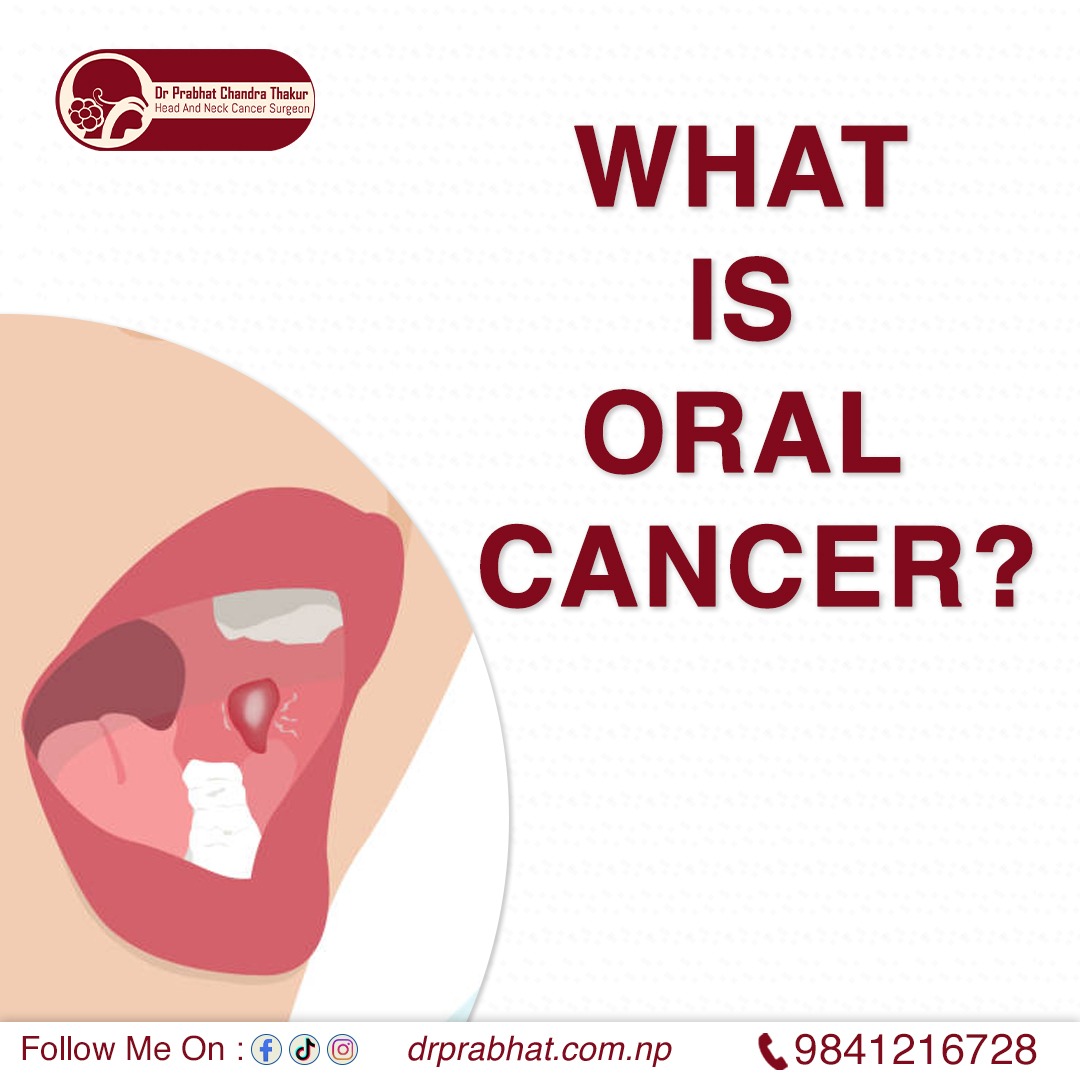
Oral cancer, also known as mouth cancer, refers to a group of cancers that can occur in various parts of the mouth. Symptoms of oral cancer can resemble common issues such as sores or white patches in the mouth that may bleed. What Causes Oral Cancer? It is also known as mouth cancer or oral cavity cancer, can develop due to a variety of factors. Here are some of the most common causes of mouth cancer: Tobacco use Alcohol consumption Human Papillomavirus (HPV) Infection Sun exposure Poor oral hygiene Family history Age Gender What Are the Symptoms of Oral Cancer? The symptoms of oral cancer may vary depending on the location and stage of the cancer. The most common symptoms of mouth cancer include: Mouth sores or ulcers that don’t heal within a few weeks Red or white patches in the mouth or on the tongue Pain or difficulty swallowing A persistent sore throat or feeling that something is caught in the throat Hoarseness or a change in voice Numbness or tingling in the mouth or on the lips Swelling or lumps in the mouth, neck, or throat Loose teeth or dentures that no longer fit properly Earache or pain around the ear Unexplained weight loss The symptoms of oral cancer may vary depending on the location and stage of the cancer. The most common symptoms of mouth cancer include: If you notice any of these changes, contact your dentist or health care professional immediately. This is a serious condition that can affect various parts of Lips Gums Tongue Inner lining of the cheeks Roof of the mouth Floor of the mouth (under the tongue) Risks Factors Associated with Oral Cancer There are several risk factors associated include: tobacco and alcohol use, human papillomavirus (HPV) infection, and a weakened immune system. Prevention of Mouth Cancer Here are some methods for lowering your risk of developing and preventing it: Avoid tobacco and alcohol: Tobacco and alcohol use are two of the most significant risk factors for mouth cancer. If you smoke or chew tobacco, consider quitting. If you drink alcohol, do so in moderation. Practice good oral hygiene: Brush your teeth at least twice a day and floss daily to remove food particles and bacteria that can cause mouth cancer. Get regular dental checkups: Visit your dentist at least twice a year for regular checkups. Your dentist can screen you for oral cancer and detect any signs early. Eat a healthy diet: Eat a diet that is rich in fruits and vegetables, which are high in antioxidants that can help prevent mouth cancer. Protect your lips from the sun: Use a lip balm that contains SPF to protect your lips from the harmful UV rays of the sun. Get vaccinated for HPV: The HPV vaccine can protect against certain strains of HPV that can cause oral cancer. Be aware of the signs and symptoms: If you notice any unusual lumps, bumps, or sores in your mouth or throat, or experience any pain or difficulty swallowing, see your doctor or dentist right away. By following these preventative measures, you can reduce your risk of developing mouth cancer and increase your chances of catching it early, when it is most treatable. FAQ What are the 5 Signs of Oral Cancer? • A sore, irritation, lump or thick patch in your mouth, lip, or throat. • A white or red patch in your mouth. • A sore throat or a feeling that something is caught in your throat. • Difficulty chewing, swallowing, or speaking. • Difficulty moving your jaw or tongue. What Causes Oral Cancer? Risk factors for developing mouth cancer include: smoking or using products that contain tobacco. drinking alcohol – smokers who are also heavy drinkers have a much higher risk compared to the population at large. infection with the human papilloma virus (HPV), the virus that causes genital warts. What is the first stage of Mouth Cancer? Stage 0 cancer or carcinoma in situ (CIS) means your cancer is at a very early stage. Some doctors prefer to call this pre cancer. There are cancer cells but they are all contained within the lining of the mouth. Is Stage 1 Oral Cancer Curable? Stages I and II oral cavity cancer Most patients with stage I or II oral cavity cancers do well when treated with surgery and/or radiation therapy. Is Oral Cancer Painful? The most common symptom of oral cancer is an ulcer or sore in the mouth or on the lip that doesn’t heal. Another common symptom of oral cancer is pain in the mouth that doesn’t go away. Best Oral Cancer, Thyroid Cancer, Head and Neck Cancer Surgeon in Nepal Dr. Prabhat Chandra Thakur Designation: Consultant & Unit Chief/Program Director Head & Neck Oncology Qualification: MBBS, MS(ORL-HNS), Fellowship Head & Neck Oncology Department: Head and Neck Oncology Unit Special interest: Reconstructive surgery and Minimal Invasive surgery in Head & Neck Contact Now