Thyroid Surgery in Nepal: Advanced Care by Dr. Prabhat Chandra Thakur

Thyroid Surgery in NEpal

Introduction Thyroid surgery has become a crucial treatment option for a growing number of patients in Nepal affected by thyroid disorders. With increasing awareness, improved diagnostic techniques, and access to skilled surgical professionals, Nepal now offers safe, affordable, and advanced options for thyroid gland treatment. Among the country’s leading experts, Dr. Prabhat Chandra Thakur stands out as one of the best thyroid surgeon in Nepal. His extensive surgical experience and patient-centered approach have helped numerous individuals regain their health and confidence. Thyroid surgery in Nepal addresses a wide range of conditions including goiter, thyroid nodules, hyperthyroidism, and thyroid cancer. Advances in surgical techniques, post-operative care, and hormone management have significantly improved outcomes. Understanding Thyroid Disorders The thyroid is a butterfly-shaped endocrine gland located at the base of the neck. It plays a key role in regulating metabolism, temperature, and energy through the secretion of hormones such as thyroxine (T4) and triiodothyronine (T3). Common Thyroid Conditions Requiring Surgical Attention: Early detection through blood tests (T3, T4, TSH), ultrasound, and Fine Needle Aspiration Cytology (FNAC) helps determine the nature of the thyroid disorder and the need for surgery. Indications for Thyroid Surgery Surgical treatment becomes necessary when: Diagnosis is confirmed using imaging studies (ultrasound, CT), blood tests, laryngoscopy (if vocal cord involvement is suspected), and FNAC. Decisions are based on current clinical guidelines and individualized assessment. Types of Thyroid Surgery Performed in Nepal Different surgical procedures are offered depending on the underlying condition, severity, and pathology. 1. Hemithyroidectomy (Lobectomy) 2. Total Thyroidectomy 3. Subtotal Thyroidectomy 4. Completion Thyroidectomy In advanced hospitals across Nepal, including the facilities where Dr. Prabhat Chandra Thakur operates, modern techniques like nerve monitoring, minimal incision thyroidectomy, and cosmetically sensitive closure are practiced to minimize complications and enhance recovery. Surgical Technique and Patient Care Surgery is typically performed under general anesthesia. A horizontal incision is made along a natural crease in the neck. Great care is taken to identify and preserve the recurrent laryngeal nerve to protect voice function and the parathyroid glands to prevent hypocalcemia. Postoperative Recovery Voice rest, calcium supplements, and wound care are part of post-surgery instructions provided by Dr. Prabhat and his surgical team. Choosing the Best Thyroid Surgeon in Nepal Among the top thyroid surgeons in Nepal, Dr. Prabhat Chandra Thakur has earned wide recognition for excellence in ENT and Head & Neck Surgery. With a track record of high surgical success, low complication rates, and compassionate care, he has become a preferred choice for patients from within and outside the country. Dr. Prabhat Chandra Thakur’s Expertise Includes: Patients value his thorough evaluation, clear communication, and ethical treatment approach. His clinic integrates advanced ENT care with tailored thyroid management services. Recovery and Life After Thyroid Surgery Life after thyroid surgery is generally normal with proper follow-up and hormone balance. Dr. Prabhat ensures each patient receives: Patients who undergo partial thyroidectomy often retain normal hormone levels, while those undergoing total thyroidectomy require lifelong levothyroxine therapy. Monitoring ensures optimal dosage and long-term well-being. Research and Advances in Thyroid Surgery in Nepal Medical colleges and specialty centers in Nepal are increasingly participating in thyroid research and case reporting. With surgeons like Dr. Prabhat contributing to clinical knowledge, thyroid surgery outcomes continue to improve. Training programs for young ENT and surgical residents are also expanding, raising the national standard of care. Use of nerve monitoring, radiofrequency ablation for nodules, and thyroid cancer registries are examples of progress in the field. Frequently Asked Questions Is thyroid surgery safe in Nepal? Yes. With trained ENT/head-neck surgeons and improved facilities, the procedure is safe and effective. What is the recovery time after surgery? Most patients recover in 1–2 weeks. Normal activities can usually resume after 7–10 days. Will lifelong medication be required? Only after total thyroidectomy. Partial surgeries may not require hormone replacement. Are voice changes permanent? Temporary hoarseness can occur. Permanent voice changes are rare when the recurrent laryngeal nerve is preserved. Can thyroid cancer be cured with surgery? Yes, especially in early-stage cases. Surgery is the main treatment followed by radioactive iodine when needed. Conclusion Thyroid surgery in Nepal has reached a high level of safety, affordability, and effectiveness. With expert surgeons like Dr. Prabhat Chandra Thakur at the forefront, patients receive comprehensive evaluation, precise surgical care, and long-term follow-up. From benign goiters to thyroid cancers, the management of thyroid diseases now matches international standards. Patients seeking the best thyroid surgeon in Nepal can rely on Dr. Prabhat’s expertise and ethical approach to treatment.

Neck Lumps and Throat Swelling: Why Early Detection Could Save Your Life

Neck Lumps

Noticing a lump in your neck or swelling in your throat can be unsettling. While some cases are benign, others may signal serious conditions that require urgent medical attention. This blog highlights why early detection is critical and how experts like Dr. Prabhat Chandra Thakur, one of Nepal’s most trusted thyroid surgeons, are making a life-saving difference. What Causes Neck Lumps and Throat Swelling? There are several reasons you might feel a lump or swelling in your neck or throat. Understanding the potential causes helps you make informed decisions about when to seek help. Infections : Common infections such as the flu, strep throat, or mononucleosis can cause lymph nodes in the neck to swell. These nodes act as filters for harmful substances, and they swell as they work to fight off infection. Typically, these lumps are soft, tender, and move slightly under the skin. However, if they persist beyond a few weeks or grow rapidly, they need further evaluation. Thyroid Disorders ; The thyroid gland, located at the front of your neck, can enlarge due to conditions like goiter, thyroid nodules, or thyroid cancer. Goiter is often caused by iodine deficiency or autoimmune diseases like Hashimoto’s thyroiditis or Graves’ disease. Nodules may be benign but still require monitoring, and a small percentage can be cancerous. A specialist like Dr. Prabhat Chandra Thakur can accurately diagnose and treat thyroid-related issues using advanced tools and techniques. Cysts and Benign Tumors : Sebaceous cysts, lipomas (fatty tumors), and other benign growths can also present as neck lumps. These are usually non-cancerous and slow-growing. While they’re often harmless, they can sometimes become infected or grow to a size that causes discomfort, necessitating removal. Malignancies : Cancers of the head, neck, thyroid, or lymphatic system can also present as a lump in the neck. Unlike benign causes, these lumps are typically hard, immovable, and painless. Malignant tumors require immediate attention, and early diagnosis can vastly improve survival rates. That’s why specialists like Dr. Thakur emphasize not ignoring persistent or unusual swelling. Why Early Detection Matters? Higher Treatment Success Rates : Conditions like thyroid cancer and lymphomas respond significantly better when diagnosed early. Treatment in the early stages is often less aggressive and more effective, increasing the chance of complete recovery and reducing the risk of recurrence. Less Invasive Treatments : Early detection can often mean that non-invasive or minimally invasive treatments are possible. For example, smaller thyroid nodules might be treated with observation or minimally invasive surgery rather than extensive procedures. Dr. Thakur uses cutting-edge techniques that prioritize patient safety and comfort. Lower Healthcare Costs : Treating a condition at an advanced stage is often more expensive. Early-stage interventions typically require fewer hospital visits, shorter recovery times, and less intensive therapy. Detecting issues early not only improves health outcomes but also reduces financial strain. When Should You See a Specialist? Lump Lasts More Than Two Weeks : A lump or swelling that doesn’t go away after two weeks warrants medical evaluation. Chronic symptoms could signal something more serious than a temporary infection and should be checked by a head and neck specialist. Rapid Growth or Firm Texture : If the lump grows quickly or feels hard and immovable, it may not be benign. These characteristics often require immediate diagnostic procedures, such as imaging or biopsy, to determine their nature. Accompanying Symptoms : Symptoms like hoarseness, difficulty swallowing, shortness of breath, or unexplained weight loss are red flags. These could point to more advanced conditions that demand urgent intervention. Why Choose Dr. Prabhat Chandra Thakur? Dr. Prabhat Chandra Thakur is widely recognized as one of Nepal’s leading thyroid and head & neck surgeons. With over 12 years of experience and hundreds of successful procedures, he combines precision, compassion, and innovation in every case. Final Thoughts A lump in the neck or swelling in the throat is never something to ignore. Even when the cause is benign, timely evaluation is always the safest path. When something feels off, trust your instincts and consult a specialist. For residents of Nepal and beyond, Dr. Prabhat Chandra Thakur stands out as a trusted expert in thyroid and head & neck surgery. His commitment to early detection and surgical excellence continues to save lives every day. If you’ve noticed something unusual don’t wait. Early detection truly can save your life.

Recovery After Thyroid Surgery: What to Expect | Dr. Prabhat Chandra Thakur

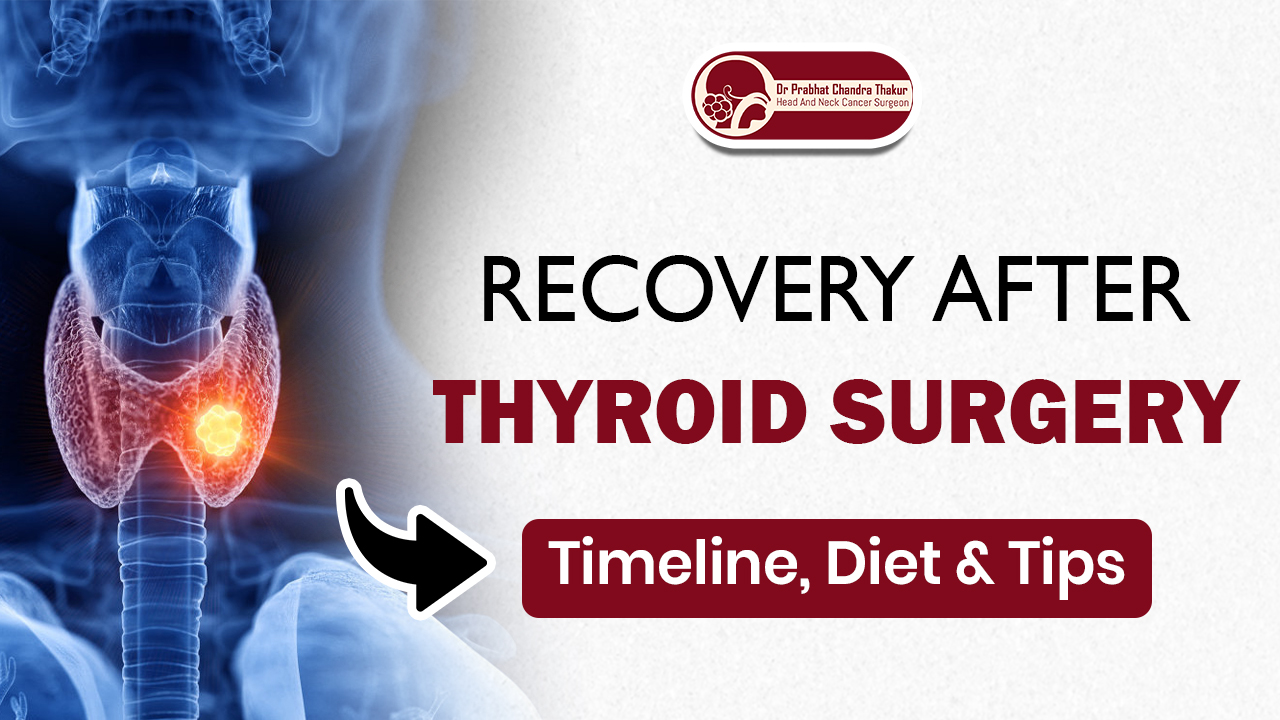
Thyroid surgery

Thyroid surgery can be a daunting prospect, but knowing what to expect during recovery helps ease anxiety and sets realistic expectations. Each year, thousands undergo thyroidectomy to treat conditions like thyroid nodules, goiter, hyperthyroidism, or thyroid cancer. Recovery varies from person to person, but understanding the phases can make the journey smoother. Dr. Prabhat Chandra Thakur, a leading ENT, head and neck surgeon in Nepal, has performed hundreds of thyroid surgeries. With his patient-first approach and surgical precision, Dr. Thakur emphasizes not just a successful operation, but a smooth and confident recovery journey. What Is Thyroid Surgery? Thyroid surgery, or thyroidectomy, involves the partial or total removal of the thyroid gland. This butterfly-shaped gland, located in the neck, regulates important hormones that control metabolism, heart rate, and body temperature. Surgery may be necessary to address: The type and extent of surgery will influence your recovery timeline. Recovery Timeline After Thyroid Surgery Day 1: Immediate Post-Op Phase After surgery, patients are usually monitored for a few hours or overnight. Dr. Thakur ensures that all vital signs are stable before discharge. What to Expect: Dr. Thakur’s Advice: “Don’t panic about voice changes. It’s common due to nerve irritation and usually resolves in days or weeks.” Week 1: Early Healing By the first week, most patients are recovering at home. Common symptoms: Dos: Don’ts: Weeks 2–4: Regaining Normalcy Improvements: Dr. Thakur typically schedules a follow-up during this period. Possible issues: Management Tips: One Month and Beyond: Long-Term Recovery Patients often return to work within 2–4 weeks, but complete internal healing takes longer. At this stage: Dr. Thakur’s Long-Term Goal: “Full function, hormone balance, and a scar so discreet that it doesn’t affect confidence.” Potential Complications & How Dr. Thakur Minimizes Risks While thyroid surgery is generally safe, complications can occur: Dr. Thakur uses advanced techniques, nerve monitoring, and meticulous surgical methods to reduce risks. His track record shows low complication rates and high patient satisfaction. Tips for a Smooth Recovery Frequently Asked Questions 1. How long before I can return to work?Most people return within 2–4 weeks, depending on job type and recovery pace. 2. Will I need lifelong medication?If your entire thyroid is removed, yes. Dr. Thakur will prescribe and monitor thyroxine dosage. 3. Is the scar permanent?The scar fades significantly over time. Proper care helps minimize its appearance. 4. Can I speak normally again?Yes, in most cases. Temporary hoarseness is common but resolves. Persistent issues are rare. 5. When can I exercise again?Light walking is encouraged early. Strenuous workouts can resume after 4–6 weeks with clearance. Dr. Prabhat Chandra Thakur: Your Partner in Healing Recovery is not just about healing the body it’s about restoring confidence, energy, and peace of mind. Dr. Prabhat Chandra Thakur brings a wealth of surgical expertise and compassionate care to every case. His focus on follow-up, patient education, and holistic recovery ensures you feel supported every step of the way. Book your consultation with Dr. Thakur today at drprabhat.com.np

Head and Neck Cancer Treatment in Nepal

Head and Neck Cancer Treatment

Head and neck cancers represent a significant health challenge globally, and Nepal is no exception. These malignancies, which affect areas such as the oral cavity, pharynx, larynx, nasal cavity, and salivary glands, can profoundly impact essential functions like speaking, swallowing, and breathing. Addressing these cancers requires specialized expertise and comprehensive care. In Nepal, Dr. Prabhat Chandra Thakur stands out as a leading figure in the diagnosis, treatment, and management of head and neck cancers Understanding Head and Neck Cancers Head and neck cancers primarily originate from the squamous cells lining the moist surfaces of the head and neck regions. Common risk factors include tobacco use, excessive alcohol consumption, human papillomavirus (HPV) infection, and prolonged sun exposure. Symptoms often manifest as persistent sores, lumps, difficulty swallowing, changes in voice, or unexplained weight loss. Early detection is crucial, as it significantly enhances treatment outcomes and survival rates. The Landscape of Head and Neck Cancer in Nepal In Nepal, the incidence of head and neck cancers has been on the rise. A study conducted at B.P. Koirala Memorial Cancer Hospital (BPKMCH) indicated an increasing trend in these cancers, with variations observed based on anatomical sites and gender. Notably, males exhibited higher rates of oral cavity, tonsil, pharynx, and larynx cancers compared to females. The study emphasized the need for heightened awareness, screening programs, and HPV vaccination to mitigate the growing burden of these cancers in Nepal. Dr. Prabhat Chandra Thakur: A Pioneer in Head and Neck Cancer Treatment Dr. Prabhat Chandra Thakur is a distinguished ENT surgeon and head and neck oncologist based in Nepal. His academic journey began with an MBBS from B.P. Koirala Institute of Health Sciences (BPKIHS), Dharan, followed by a Master of Surgery (MS) in Otolaryngology-Head & Neck Surgery from the prestigious Post-Graduate Institute of Medical Education & Research (PGIMER), Chandigarh, India, where he was honored with the Gold Medal Award for Best Outgoing Resident. Further enhancing his expertise, Dr. Thakur pursued a fellowship in Head & Neck Oncology from the International Federation of Head & Neck Oncological Societies (IFHNOS) and Memorial Sloan Kettering Cancer Center in New York. He also completed a fellowship in Minimal Invasive Thyroid Surgery from Police General Hospital, Bangkok, Thailand. ​ With a career spanning over a decade, Dr. Thakur has performed more than 5,000 major head and neck cancer surgeries, including complex reconstructions. He is a pioneer of scarless minimal invasive thyroid surgery (endoscopic thyroidectomy) in Nepal, a procedure performed at only a few centers worldwide. Comprehensive Services Offered by Dr. Thakur Dr. Thakur’s practice encompasses a wide range of services tailored to address various head and neck conditions:​ Patient-Centered Approach and Community Engagement Beyond his surgical expertise, Dr. Thakur is deeply committed to patient education and community outreach. He regularly conducts awareness programs emphasizing the importance of early detection and prevention of head and neck cancers. His patient-first philosophy ensures that individuals receive not only top-tier medical care but also the necessary support and counseling throughout their treatment journey. ​ Dr. Thakur’s dedication extends to academic contributions, with numerous articles published in indexed journals. He is also actively involved in professional societies, holding memberships in organizations such as the Society of Otolaryngology of Nepal (SOL), the Foundation of Head & Neck Oncology (FHNO), and the Asia Pacific Thyroid Society (APTS). ​ Advancements in Head and Neck Cancer Treatment in Nepal The landscape of head and neck cancer treatment in Nepal has witnessed significant advancements, with institutions like the Nepal Cancer Hospital and Research Center (NCHRC) playing a pivotal role. NCHRC offers comprehensive cancer care, including surgical oncology, medical oncology, and radiation oncology, ensuring that patients have access to multidisciplinary treatment approaches. Moreover, initiatives like the Binaytara Foundation Cancer Center in Janakpur have been instrumental in addressing cancer care disparities in rural Nepal. Since its inception in April 2022, the center has launched head and neck cancer treatment programs, emphasizing the need for accessible and affordable cancer care in underserved regions. ​ Conclusion Head and neck cancers pose a formidable health challenge, but with specialists like Dr. Prabhat Chandra Thakur leading the way, Nepal is making significant strides in providing advanced and compassionate care.

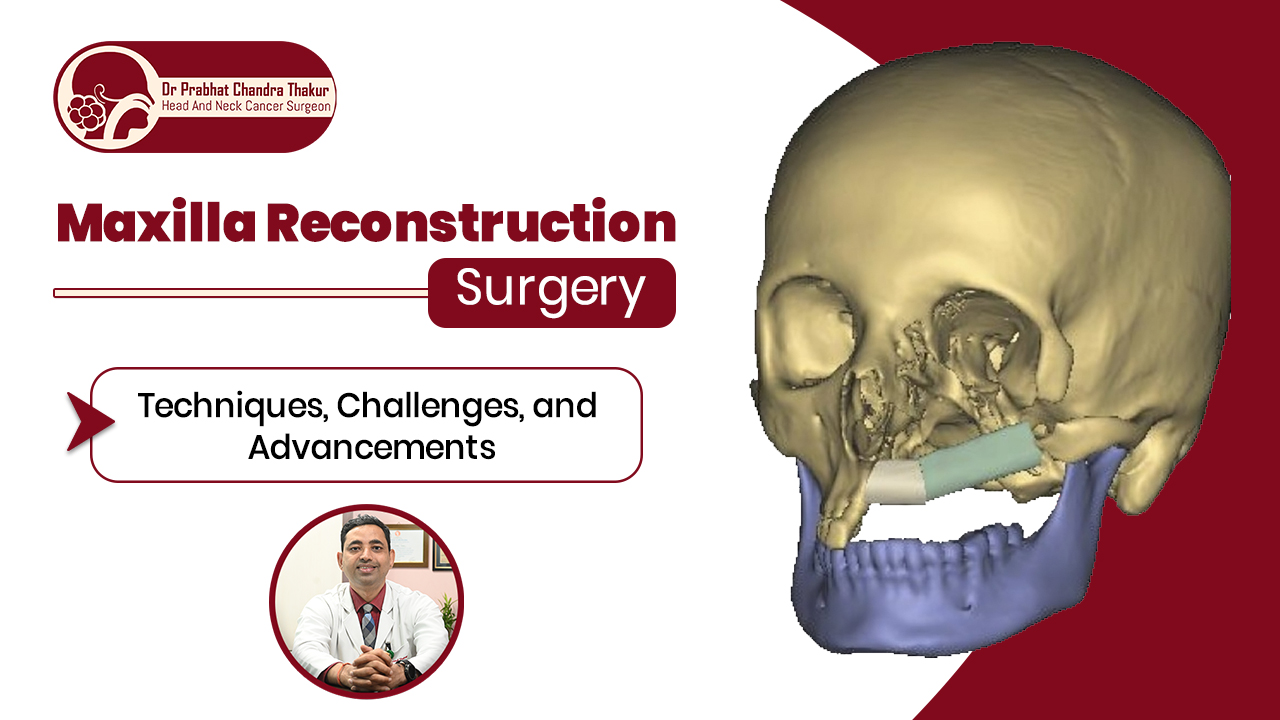
Maxilla Reconstruction Surgery: Techniques, Challenges, and Advancements

Maxilla reconstruction surgery

Introduction Maxilla reconstruction surgery is an evolving field in maxillofacial surgery, aimed at restoring both function and aesthetics for patients with maxillary defects. These defects may arise due to trauma, cancer resections, congenital anomalies, or infections, leading to impaired speech, swallowing, mastication, and facial deformity. Unlike mandibular reconstruction, maxillary reconstruction presents unique challenges due to its complex anatomical structure and functional demands. Dr. Prabhat Chandra Thakur, one of Nepal’s leading head & neck surgeons, specializes in advanced reconstructive techniques to restore maxillary defects. His expertise in microsurgical reconstruction, free flaps, and maxillofacial surgery has made him a trusted name in Nepal for patients seeking maxilla reconstruction surgery. Why Maxilla Reconstruction Is Important? A defect in the maxilla can significantly impact a patient’s quality of life. The maxillary bone provides: Maxillary defects can be rehabilitated through prosthetic obturators or surgical reconstruction, with surgical reconstruction offering more long-term benefits in function and aesthetics. Common Causes of Maxillary Defects Reconstructive Techniques for Maxillary Defects 1. Prosthetic Rehabilitation (Obturators) Historically, maxillary defects were rehabilitated using obturator prostheses, which cover the palatal defect to aid in speech and swallowing. While obturators are simple and non-invasive, they often fail in larger defects due to: Recent studies suggest that free flap reconstruction provides better quality of life compared to obturators, particularly in cases of large or posteriorly placed defects. 2. Surgical Reconstruction Surgical reconstruction remains the gold standard for moderate to severe maxillary defects. Several reconstructive methods exist: A. Regional Soft Tissue Flaps B. Free Tissue Transfer (Free Flaps) Free flap techniques provide bone support, orbital integrity, and dental rehabilitation. The most commonly used free flaps include: 3. Use of Titanium Mesh & Alloplastic Implants For orbital support, titanium mesh is sometimes used in combination with soft tissue or bone grafts. However, mesh extrusion rates are high, especially after post-operative radiation therapy. Classification of Maxillary Defects Multiple classification systems exist for maxillary defects, but Brown’s Classification is widely used. It divides defects into: Dr. Prabhat Chandra Thakur follows an individualized approach based on defect severity, patient health, and functional goals to choose the best reconstructive option. Challenges in Maxillary Reconstruction Maxillary reconstruction presents multiple challenges, including: Latest Advances in Maxillary Reconstruction 1. 3D Printing & Virtual Surgical Planning 2. Tissue Engineering & Stem Cell Therapy 3. Distraction Osteogenesis Dr. Prabhat Chandra Thakur: Leading Maxillofacial & Reconstructive Surgeon in Nepal Dr. Prabhat Chandra Thakur is a renowned thyroid and head & neck surgeon in Nepal, with extensive experience in maxillary and mandibular reconstruction. His expertise in microvascular surgery, free flaps, and craniofacial reconstruction has restored function and aesthetics for many patients with maxillectomy defects. He is known for:✅ Advanced reconstructive techniques for maxillary defects✅ Patient-centered approach with customized treatment plans✅ Minimally invasive and innovative solutions for better outcomes✅ Extensive experience in free flap surgery and post-cancer reconstructions If you or a loved one requires maxilla reconstruction surgery in Nepal, Dr. Prabhat Chandra Thakur is the specialist to consult. Conclusion Maxillary reconstruction is a challenging but highly rewarding surgical field that significantly improves functionality, aesthetics, and quality of life for patients with maxillary defects. While obturator prostheses remain an option, surgical reconstruction with free flaps is increasingly preferred due to its superior outcomes. With advancements in microsurgery, virtual planning, and regenerative medicine, the future of maxilla reconstruction continues to evolve. Dr. Prabhat Chandra Thakur remains at the forefront of this field, offering state-of-the-art maxillary reconstruction in Nepal.

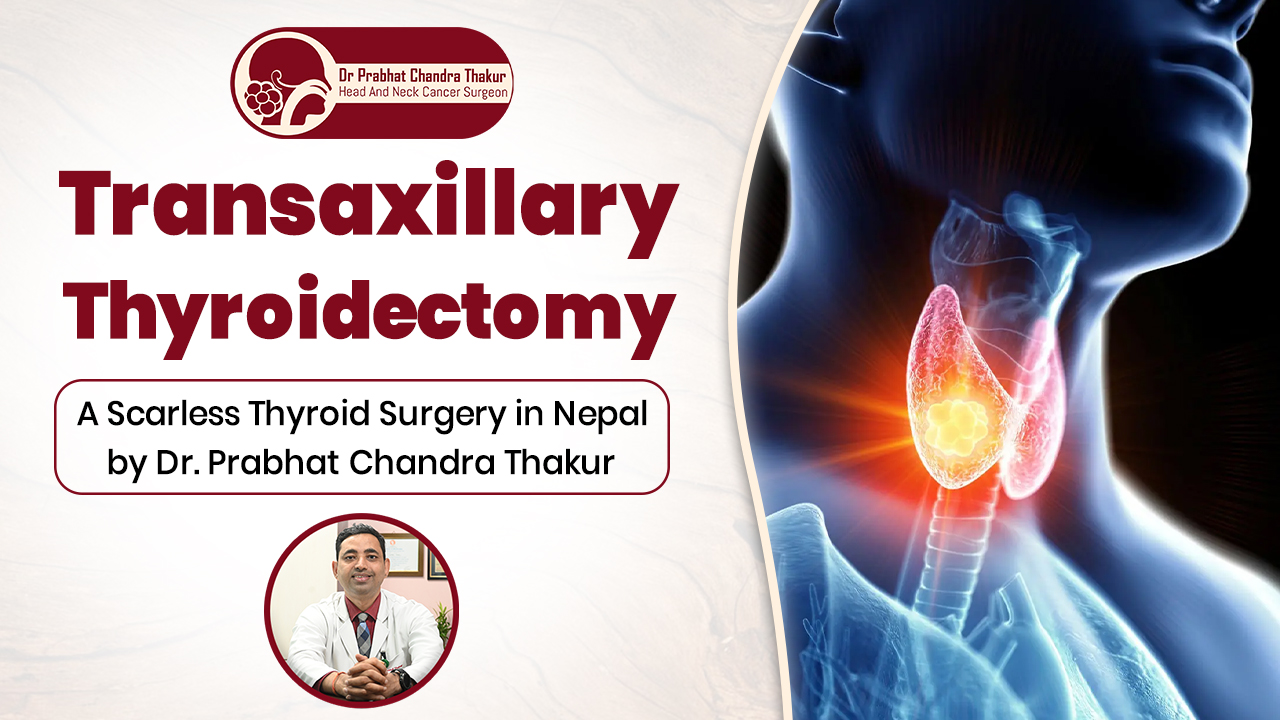
Transaxillary Thyroidectomy: A Scarless Thyroid Surgery in Nepal by Dr. Prabhat Chandra Thakur

Transaxillary Thyroidectomy

Introduction: Advancing Thyroid Surgery in Nepal Thyroid disorders are increasingly common, affecting millions worldwide, including many in Nepal. Traditional thyroid surgeries often leave visible scars on the neck, causing cosmetic concerns for patients. However, medical advancements now offer Transaxillary Thyroidectomy a scarless, minimally invasive thyroid surgery that ensures both health and aesthetics. Dr. Prabhat Chandra Thakur, a leading thyroid specialist, is the only doctor performing Transaxillary Thyroidectomy in Nepal. His expertise has brought world-class thyroid care to the country, making him the go-to surgeon for patients looking for a safe, effective, and aesthetically superior thyroid surgery. What is Transaxillary Thyroidectomy? Transaxillary Thyroidectomy is an advanced, minimally invasive surgical technique where the thyroid gland is removed through a small incision in the armpit (axilla), completely avoiding the neck. This approach ensures that no visible scars appear on the front of the neck, making it an excellent choice for individuals concerned about post-surgical marks. Key Features of Transaxillary Thyroidectomy: ✅ Scarless Surgery: The incision is hidden under the armpit, making it an ideal option for patients who do not want visible scars. ✅ Minimally Invasive: Smaller incisions mean less tissue damage, less pain, and faster recovery. ✅ Lower Risk of Nerve Damage: The surgical approach avoids direct contact with the vocal cord nerves, reducing complications. ✅ Best for Cosmetic Concerns: Particularly beneficial for women and professionals who want to avoid visible surgical marks. Why Traditional Thyroid Surgery is Not Always the Best Option Traditional open thyroid surgery requires a large incision on the front of the neck, often leaving a permanent, visible scar. This not only affects a patient’s confidence and appearance but also increases the risk of postoperative pain and complications. Comparison: Traditional vs. Transaxillary Thyroidectomy Feature Traditional Thyroidectomy Transaxillary Thyroidectomy Incision Site Front of the neck Under the armpit (axilla) Scar Visibility Highly visible Completely hidden Pain & Recovery More pain, longer recovery Less pain, faster healing Cosmetic Outcome Visible neck scar No visible scars Ideal For All patients Patients concerned about appearance and scarring With the introduction of Transaxillary Thyroidectomy in Nepal, patients now have access to a more advanced and cosmetically superior alternative. Dr. Prabhat Chandra Thakur: Nepal’s Pioneer in Transaxillary Thyroidectomy Dr. Prabhat Chandra Thakur is Nepal’s leading thyroid surgeon, specializing in scarless and minimally invasive thyroid surgeries. He is the only doctor in Nepal performing Transaxillary Thyroidectomy, making him a pioneer in bringing this advanced surgical technique to the country. “My goal is to provide patients with the most advanced and safest thyroid treatments available, ensuring not just their health but also their confidence in their appearance.“ – Dr. Prabhat Chandra Thakur Why Choose Dr. Prabhat Chandra Thakur? ✔ Only Surgeon in Nepal Performing Transaxillary Thyroidectomy ✔ Years of Experience in Thyroid Surgery ✔ Expert in Minimally Invasive Techniques ✔ Internationally Trained in Advanced Thyroid Surgery ✔ High Success Rate & Patient Satisfaction His expertise in scarless thyroid surgery has made him the top choice for patients who want the best care without compromising on aesthetics. Who Can Benefit from Transaxillary Thyroidectomy? This advanced technique is suitable for patients diagnosed with: It is especially recommended for younger patients, professionals, and individuals concerned about visible scars after surgery. Step-by-Step Process of Transaxillary Thyroidectomy 1️.Preoperative Assessment: 2️.Surgical Procedure: 3️.Post-Surgical Recovery: Success Stories: Changing Lives in Nepal Dr. Prabhat Chandra Thakur has helped numerous patients regain their confidence through scarless thyroid surgery. 🌟 Patient Testimonial:“I was worried about having a visible scar after thyroid surgery. But thanks to Dr. Prabhat, I had a Transaxillary Thyroidectomy, and now there’s no scar on my neck! The recovery was smooth, and I feel great.” – Happy Patient His expertise is revolutionizing thyroid treatment in Nepal, attracting patients from all over the country. Frequently Asked Questions (FAQs) 1. Is Transaxillary Thyroidectomy Safe? Yes! When performed by an expert like Dr. Prabhat Chandra Thakur, it is a safe, effective, and well-established procedure. 2. How Long is the Recovery Time? Most patients recover within a week, compared to the longer recovery period of traditional thyroid surgery. 3. Will There Be Any Scars? No visible scars! The incision is hidden in the armpit, leaving the neck completely unmarked. Conclusion: Transforming Thyroid Surgery in Nepal Dr. Prabhat Chandra Thakur is the only surgeon in Nepal offering Transaxillary Thyroidectomy, bringing world-class, scarless thyroid surgery to patients. With minimally invasive techniques, faster recovery, and no visible scars, this procedure is the future of thyroid surgery. If you or a loved one needs thyroid treatment, consult Dr. Prabhat Chandra Thakur today and experience the best thyroid care in Nepal! 📞 Book Your Consultation Now!

Head and Neck Cancer Awareness: What Every Community Can Do

Head and Neck Cancer

Understanding Head and Neck Cancer: Why Awareness Matters Imagine a small gathering in a local town hall where neighbors chat about daily life, children play in the background, and elders offer advice from their years of experience. Health topics often come up discussions about seasonal flu, common colds, or even more familiar conditions like diabetes and hypertension. But rarely do you hear anyone mention head and neck cancer. Despite being the sixth most common type of cancer worldwide, it remains under-discussed, leading to delayed diagnoses and higher mortality rates. Many people don’t realize that persistent hoarseness, a lingering sore throat, or an unusual lump in the neck could be early warning signs of head and neck cancer. While smoking and alcohol use are widely recognized risk factors, lesser-known causes like HPV infections and exposure to certain workplace chemicals also contribute to its development. Early detection dramatically increases the chances of successful treatment, but the key challenge lies in the widespread lack of awareness. In countries like Nepal, where healthcare access may be limited in rural areas, community-driven awareness can bridge this critical gap. The responsibility of combating head and neck cancer doesn’t rest solely on doctors or hospitals it lies in the hands of every community member. By fostering conversations, organizing events, and sharing vital information, communities can become the first line of defense against this silent threat. For expert guidance, consulting a Head and Neck Cancer Surgeon or an ENT Specialist can be life-saving. The Role of Healthcare Professionals and Communities in Cancer Awareness Fighting head and neck cancer is not just the job of healthcare professionals; it requires a collective effort from various sectors of the community. Each group, from doctors to local leaders, plays a pivotal role in spreading awareness and promoting early detection. Healthcare professionals, like Dr. Prabhat Chandra Thakur, a leading Head and Neck Cancer Surgeon and ENT Specialist, stand at the forefront of this battle. With their knowledge and authority, they can educate patients on recognizing early symptoms, dispel common myths, and emphasize the importance of regular check-ups. Beyond individual consultations, doctors can lead public health initiatives, conduct free screening camps, and offer educational talks to make reliable medical information accessible to all. However, medical professionals can’t do it alone. Community leaders and local organizations have the power to mobilize people and organize events. Whether it’s an NGO hosting a health seminar or a village elder advocating for regular health check-ups, these influencers play a critical role in shaping public attitudes toward health. Schools and educational institutions also have a role in this ecosystem. By integrating health education into their curriculum, they can equip young people with knowledge about risk factors like tobacco and alcohol use, fostering healthier lifestyles from an early age. In today’s digital age, media outlets and social media influencers hold significant sway. Traditional media like radio and newspapers can reach older and rural populations, while platforms like Facebook and Instagram are ideal for engaging younger audiences. Together, these groups can form a network that supports widespread awareness and early intervention. Practical Steps Communities Can Take to Combat Head and Neck Cancer Awareness is only the first step taking action is what truly makes a difference in the fight against head and neck cancer. Communities have several practical ways to move from knowledge to impact. By taking these steps, communities can transform passive awareness into life-saving action, ensuring that head and neck cancer is identified and treated as early as possible. Effective Communication Formats for Cancer Awareness Choosing the right format is crucial for effective communication. Different people absorb information in different ways, so it’s important to use a variety of mediums to reach as many individuals as possible. By using a mix of these formats, communities can create an inclusive and effective approach to head and neck cancer awareness. Who Should Be Targeted in Head and Neck Cancer Awareness Campaigns? To make awareness efforts truly effective, it’s essential to target the right audiences. Different groups have unique needs and vulnerabilities, and tailoring messages to them ensures the information is both relevant and impactful. By targeting these groups, communities can create a comprehensive strategy that addresses both prevention and early detection, ultimately saving lives. Conclusion Head and neck cancer might not always be a common topic of conversation, but it should be. Through community-driven awareness, early detection, and preventive action, we can significantly reduce the burden of this often-overlooked disease. Whether you’re a healthcare professional, a teacher, a parent, or a community leader, you have a role to play. Together, with experts like Dr. Prabhat Chandra Thakur, a leading ENT Specialist and Head and Neck Cancer Surgeon, we can create informed communities, promote early diagnosis, and ultimately, save lives. Now is the time to act because awareness is the first step toward prevention.

All You Need to Know About Thyroid Diseases

Thyroid Diseases

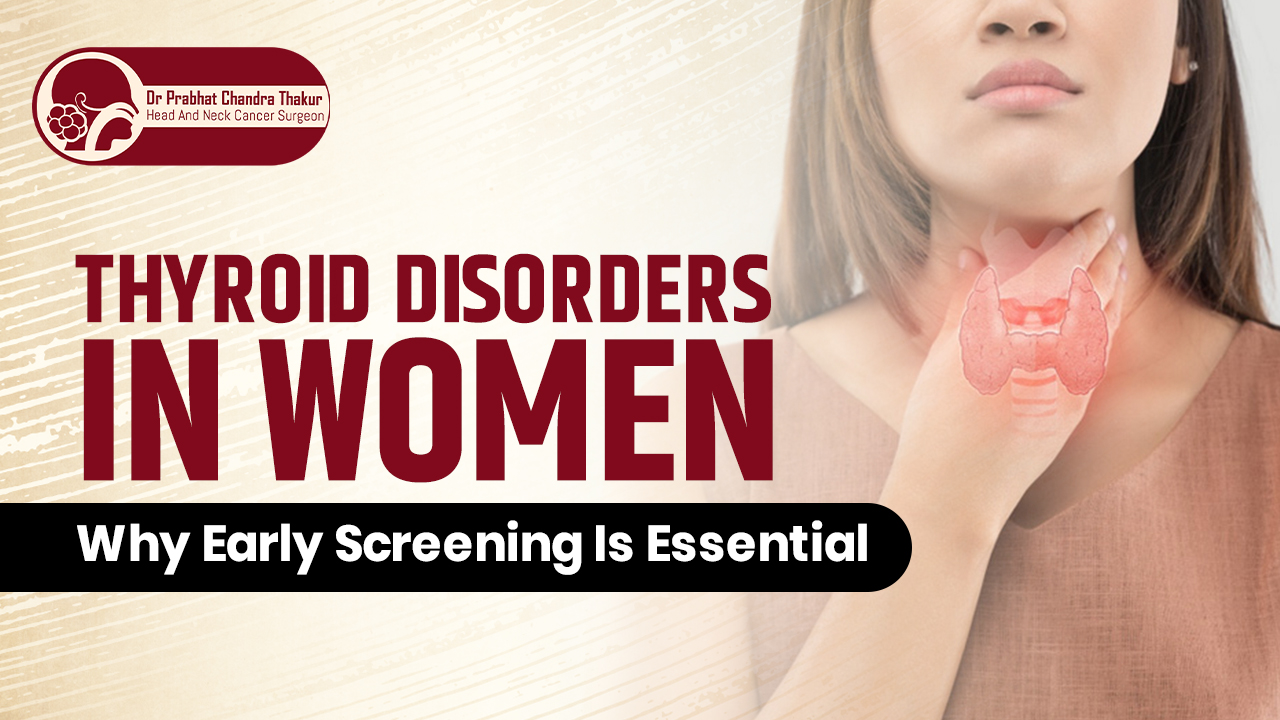
The thyroid gland is a small, butterfly shaped organ located at the base of the neck, responsible for producing hormones that regulate metabolism, energy levels, and overall bodily functions. Despite its small size, the thyroid plays a vital role in maintaining various physiological processes. Thyroid diseases can lead to severe health problems if not detected and treated in time. If you are experiencing symptoms of thyroid disorders, seeking medical attention from an experienced specialist is crucial. Dr. Prabhat Chandra Thakur, widely recognized as the best thyroid surgeon in Nepal, has extensive experience in diagnosing and treating thyroid diseases using advanced surgical techniques. This article provides a comprehensive guide to thyroid diseases, their causes, symptoms, treatment options, and why Dr. Prabhat Chandra Thakur is the best choice for thyroid care in Nepal. What Are the Functions of the Thyroid Gland? The thyroid gland produces thyroid hormones, primarily triiodothyronine (T3) and thyroxine (T4), which influence various bodily functions, including: ✅ Regulating Metabolism – Controls how the body uses energy ✅ Maintaining Heart Rate & Blood Pressure – Affects cardiovascular health ✅ Supporting Brain Function – Essential for cognitive development and memory ✅ Managing Growth & Development – Especially critical during childhood ✅ Regulating Cholesterol Levels – Helps maintain healthy cholesterol balance ✅ Affecting Body Temperature – Helps regulate heat production ✅ Supporting Fertility & Menstrual Cycle – Plays a role in reproductive health ✅ Strengthening Muscles & Bones – Helps in bone density and muscle strength When the thyroid is overactive (hyperthyroidism) or underactive (hypothyroidism), it can lead to serious health complications. Signs & Symptoms of Thyroid Diseases Thyroid disorders often mimic other health conditions, making them difficult to detect. However, early symptoms include: 🔹 Unexplained Weight Changes – Sudden weight gain or loss 🔹 Mood Swings & Anxiety – Irritability, nervousness, or depression 🔹 Fatigue & Weakness – Feeling excessively tired despite rest 🔹 Throat Discomfort & Hoarseness – Sore throat or difficulty swallowing 🔹 Temperature Sensitivity – Feeling too hot (hyperthyroidism) or too cold (hypothyroidism) 🔹 Irregular Heart Rate & Blood Pressure – Rapid heartbeat or slow pulse 🔹 Hair Loss & Dry Skin – Brittle hair, hair thinning, and skin changes If you notice persistent symptoms, consulting a specialist like Dr. Prabhat Chandra Thakur is essential for early diagnosis and treatment. Common Thyroid Diseases The thyroid gland can develop several disorders, leading to either excessive hormone production (hyperthyroidism) or insufficient hormone production (hypothyroidism). Some common thyroid conditions include: 1. Goiter A goiter refers to the abnormal enlargement of the thyroid gland. It can result from iodine deficiency, hormonal imbalances, or underlying thyroid conditions. 2. Hyperthyroidism (Overactive Thyroid) Hyperthyroidism occurs when the thyroid gland produces excessive thyroid hormones, leading to symptoms like: ✔ Rapid heartbeat ✔ Weight loss despite increased appetite ✔  Nervousness and irritability ✔  Increased sweating ✔  Muscle weakness Graves’ disease is the most common cause of hyperthyroidism. 3. Hypothyroidism (Underactive Thyroid) Hypothyroidism happens when the thyroid gland does not produce enough hormones, causing:✔  Fatigue and sluggishness ✔  Unexplained weight gain ✔  Depression and mood swings ✔  Cold intolerance ✔  Dry skin and brittle hair Hashimoto’s thyroiditis is a common cause of hypothyroidism. 4. Thyroid Cancer Thyroid cancer develops when abnormal cells grow uncontrollably in the thyroid gland. Symptoms may include:✔  A lump in the neck✔  Difficulty swallowing✔  Hoarseness or voice changes✔  Swollen lymph nodes Early detection and surgical intervention by an expert like Dr. Prabhat Chandra Thakur can significantly improve treatment outcomes. 5. Thyroid Nodules Thyroid nodules are lumps or growths in the thyroid gland. While most are benign, some may be cancerous. A biopsy is often required to determine if further treatment is necessary. 6. Thyroiditis (Inflammation of the Thyroid) Thyroiditis refers to inflammation of the thyroid gland, often caused by viral infections or autoimmune conditions. Symptoms may resemble hyperthyroidism or hypothyroidism. Who Is at Risk of Developing Thyroid Diseases? The risk of thyroid disorders increases due to several factors, including: ✔  Age – Higher risk as individuals get older ✔  Gender – Women are more prone to thyroid issues ✔  Family History – Genetic predisposition to thyroid conditions ✔  Iodine Deficiency – Essential for thyroid hormone production ✔  Autoimmune Diseases – Conditions like Hashimoto’s or Graves’ disease Diagnosis of Thyroid Disease Diagnosing thyroid disorders involves comprehensive medical evaluation and specialized tests, such as: 🔹 Physical Examination – Checking for lumps or swelling in the neck 🔹 Blood Tests – Measuring TSH, T3, and T4 levels🔹 Ultrasound & Imaging – Identifying nodules or abnormal growths 🔹 Fine-Needle Aspiration Biopsy (FNAB) – Testing thyroid nodules for cancer Dr. Prabhat Chandra Thakur is a renowned specialist who provides accurate diagnosis and personalized treatment for thyroid diseases in Nepal. Treatment Options for Thyroid Diseases The treatment for thyroid disorders depends on the type and severity of the condition. Common treatments include: ✅ Medications – Thyroid hormone replacement for hypothyroidism; anti-thyroid drugs for hyperthyroidism ✅ Radioactive Iodine Therapy – Used to shrink an overactive thyroid gland ✅ Surgery (Thyroidectomy) – Removal of part or all of the thyroid gland for cancer, nodules, or severe goiter Dr. Prabhat Chandra Thakur, a leading thyroid surgeon in Nepal, specializes in scarless minimally invasive thyroid surgery, ensuring the best outcomes with minimal discomfort. Can Thyroid Diseases Be Prevented? While not all thyroid diseases are preventable, you can reduce your risk by: ✔  Eating a Balanced Diet – Include iodine-rich foods like seafood, eggs, and dairy ✔  Managing Stress – Chronic stress can affect thyroid function ✔  Regular Exercise – Helps regulate hormones and metabolism ✔  Getting Routine Check-Ups – Early detection can prevent complications Why Choose Dr. Prabhat Chandra Thakur for Thyroid Surgery in Nepal? Dr. Prabhat Chandra Thakur is one of Nepal’s most trusted thyroid surgeons, known for his expertise in head and neck surgeries. His commitment to excellence, along with his advanced techniques in scarless thyroid surgery, has made him a pioneer in the field. If you or a loved one are experiencing thyroid-related symptoms, don’t delay seeking expert care. Book … Read more

5 Key Facts About Thyroid Cancer

Thyroid Cancer

Thyroid cancer is a prevalent endocrine disorder that impacts people worldwide. Its rising prevalence demands awareness, early detection, and expert care. In Nepal, Dr. Prabhat Chandra Thakur is recognized as the best thyroid surgeon, offering cutting-edge treatments and compassionate care for thyroid-related issues. With his expertise, patients have access to accurate diagnosis and effective treatment options tailored to their needs. In this blog, we’ll explore five essential facts about thyroid cancer, shedding light on the condition while emphasizing the role of Dr. Prabhat Chandra Thakur in thyroid cancer care. 1. Thyroid Cancer: The Most Common Endocrine Cancer Thyroid cancer is the most common cancer affecting the endocrine system, which comprises glands responsible for hormone production. In the United States alone, over 44,000 new cases are reported annually, with similar trends in Asia, including Nepal. Despite its prevalence, the prognosis for thyroid cancer is often favorable, particularly when diagnosed early. Dr. Prabhat Chandra Thakur highlights that many thyroid cancer cases can be managed effectively, with patients achieving long-term survival and excellent quality of life. He emphasizes the importance of regular check-ups, especially for those with risk factors such as family history or radiation exposure. 2. Symptoms Are Subtle, and Early Detection Is Crucial One of the challenges in diagnosing thyroid cancer is the subtlety of its symptoms in the early stages. Many patients may not experience any noticeable signs. The most common symptom is a painless lump or swelling in the neck, which may go unnoticed. Other symptoms, such as persistent hoarseness, difficulty swallowing, or a feeling of tightness in the throat, often emerge in later stages. Dr. Thakur advises individuals to pay attention to any changes in their neck area and seek medical attention promptly. His clinic is equipped with advanced diagnostic tools, such as ultrasound imaging and fine-needle aspiration biopsy, to ensure accurate and timely diagnosis. 3. Early Detection: Don’t Ignore Neck Lumps If you notice any new lump in the neck, do not ignore it get it checked in time. Early detection is crucial for effective thyroid cancer treatment. Dr. Prabhat Chandra Thakur emphasizes that regular self-examination of the neck can be a lifesaving habit. Even a small, painless lump or swelling might indicate an underlying thyroid issue that needs attention. Dr. Prabhat Chandra Thakur offers state-of-the-art diagnostic services to detect thyroid problems at their earliest stages. By raising awareness about the importance of neck checks and timely diagnosis, he ensures patients receive prompt, personalized, and effective care. 4. Women Are at a Higher Risk Than Men Thyroid cancer is three times more common in women than in men. Women are typically diagnosed at a younger age (40s to 50s) compared to men (60s to 70s). While the exact reasons remain unclear, hormonal factors may play a role. In Nepal, societal norms often prevent women from seeking timely medical care. Dr. Thakur emphasizes the importance of breaking these barriers by encouraging regular screenings, especially for women with symptoms or a family history of thyroid disorders. His approach is patient-centered, ensuring that every individual feels supported and informed throughout their treatment journey. 5. Advances in Treatment Have Transformed Outcomes Historically, thyroid cancer treatment involved complete removal of the thyroid gland, followed by radioactive iodine therapy. While effective, this approach often required lifelong hormone replacement therapy and carried risks of complications. Today, advancements in medical science have made it possible to offer less aggressive treatments for early-stage thyroid cancer. For instance: Dr. Prabhat Chandra Thakur is at the forefront of these advancements in Nepal. His state-of-the-art surgical techniques and commitment to using the latest treatment protocols ensure that patients receive world-class care. Types of Thyroid Cancer and Their Characteristics Thyroid cancer is classified into four primary types, each with distinct features: a. Papillary Thyroid Cancer b. Follicular Thyroid Cancer c. Medullary Thyroid Cancer d. Anaplastic Thyroid Cancer Dr. Prabhat Chandra Thakur’s expertise in diagnosing and treating all types of thyroid cancer ensures that patients receive personalized care tailored to their specific condition. Why Choose Dr. Prabhat Chandra Thakur? Dr. Prabhat Chandra Thakur is widely regarded as Nepal’s best thyroid surgeon, with years of experience in managing complex thyroid conditions. His dedication to patient care and utilization of advanced medical technologies have earned him recognition as a leader in his field. Key Highlights of Dr. Thakur’s Practice: Raising Awareness About Thyroid Cancer Public awareness is a vital component of reducing the impact of thyroid cancer. Dr. Prabhat Chandra Thakur frequently engages in community outreach programs to educate people about the importance of early detection and regular check-ups. Simple Steps to Protect Yourself: Patient Testimonials Patients treated by Dr. Prabhat Chandra Thakur often share inspiring stories of recovery and hope. Many have praised his compassionate approach and the personalized care they received. Here’s what one patient had to say: “Dr. Thakur saved my life. His expertise and kindness made a challenging journey manageable. I am grateful for his care and would recommend him to anyone dealing with thyroid issues.” Conclusion Thyroid cancer, while serious, is a manageable condition with the right medical care. With advancements in diagnosis and treatment, patients can expect excellent outcomes, particularly when under the care of an experienced specialist like Dr. Prabhat Chandra Thakur. As Nepal’s leading thyroid surgeon, Dr. Thakur combines expertise, compassion, and state-of-the-art technology to deliver world-class care. If you or a loved one are concerned about thyroid health, don’t wait schedule a consultation with Dr. Thakur today by visiting his official website. Let’s spread awareness and work together to combat thyroid cancer effectively.

Understanding Nasal and Sinus Cancers: Symptoms, Diagnosis, and Treatment Options

Nasal and Sinus Cancer

Nasal and sinus cancers are rare but serious conditions that originate in the nasal cavity or paranasal sinuses. These cancers encompass various types, including squamous cell carcinoma, adenocarcinoma, and sinonasal undifferentiated carcinoma, among others. Despite their rarity, their impact on affected individuals can be profound, underscoring the importance of early diagnosis and appropriate treatment. This comprehensive guide delves into the symptoms, causes, diagnostic methods, and treatment options for nasal and sinus cancers. It also highlights the expertise of Dr. Prabhat Chandra Thakur, a renowned ENT specialist in Nepal. What Are Nasal and Sinus Cancers? Nasal cancer refers to malignant growths within the nasal cavity, while sinus cancer involves the paranasal sinuses. These cancers arise from the uncontrolled growth of cells that can invade surrounding tissues and spread to other parts of the body. Types of Sinonasal Cancers: If you suspect symptoms of these cancers, consulting an experienced ENTdoctor, such as Dr. Prabhat Chandra Thakur, is critical. Symptoms of Nasal and Sinus Cancers Early symptoms of nasal and sinus cancers often resemble common conditions like sinusitis, making diagnosis challenging. Key symptoms include: If you experience these symptoms persistently, consult an expert like Dr. Prabhat Chandra Thakur, whose team specializes in prompt and accurate diagnosis. Causes and Risk Factors The exact causes of nasal and sinus cancers are not fully understood, but several risk factors have been identified: Addressing these risk factors and seeking regular consultations with an ENT specialist in Nepal can reduce your chances of developing these cancers. Diagnosis of Nasal and Sinus Cancers Diagnosing nasal and sinus cancers involves a combination of advanced imaging and biopsies. Dr. Prabhat Chandra Thakur employs state-of-the-art diagnostic tools, ensuring precision in identifying the type and stage of cancer. Treatment Options for Nasal and Sinus Cancers Treating nasal and sinus cancers involves a multidisciplinary approach, combining various therapies based on the cancer type and stage. Here are the main options: 1. Surgery 2. Radiation Therapy Radiation is used to destroy cancer cells, often in conjunction with surgery. Proton therapy is an advanced form of radiation that minimizes damage to surrounding healthy tissues. 3. Chemotherapy Certain tumor types respond well to chemotherapy, either as a standalone treatment or alongside surgery and radiation. 4. Immunotherapy Immunotherapy boosts the body’s natural defenses to fight cancer and is an emerging area of research with promising results. Under the guidance of Dr. Prabhat Chandra Thakur, patients receive personalized treatment plans incorporating the latest advancements in medical science. Why Choose Dr. Prabhat Chandra Thakur for ENT Care in Nepal? Dr. Prabhat Chandra Thakur is a trusted name in ENT care in Nepal, offering unparalleled expertise in diagnosing and treating nasal and sinus cancers. With a patient-centered approach, he combines cutting-edge techniques with compassionate care to achieve the best outcomes. Services Offered: Located in Nepal, Dr. Prabhat Chandra Thakur is your go-to specialist for ENT-related concerns, including nasal and sinus cancers. How to Prevent Nasal and Sinus Cancers While not all risk factors can be eliminated, taking these preventive measures can reduce your risk: For those in Nepal, consulting Dr. Prabhat Chandra Thakur can provide invaluable insights into prevention and early detection. Conclusion Nasal and sinus cancers are rare but treatable, especially with early detection and expert care. If you’re experiencing symptoms or seeking a trusted ENT doctor in Nepal, look no further than Dr. Prabhat Chandra Thakur. With his advanced diagnostic tools and personalized treatment plans, you’re in safe hands. Visit drprabhat.com.np today to schedule a consultation and take the first step toward better health. Empower yourself with knowledge, and don’t delay seeking care.