Robotics Surgery in Nepal: How Effective Is It Compared to Normal Surgery?
robotics surgery in Nepal

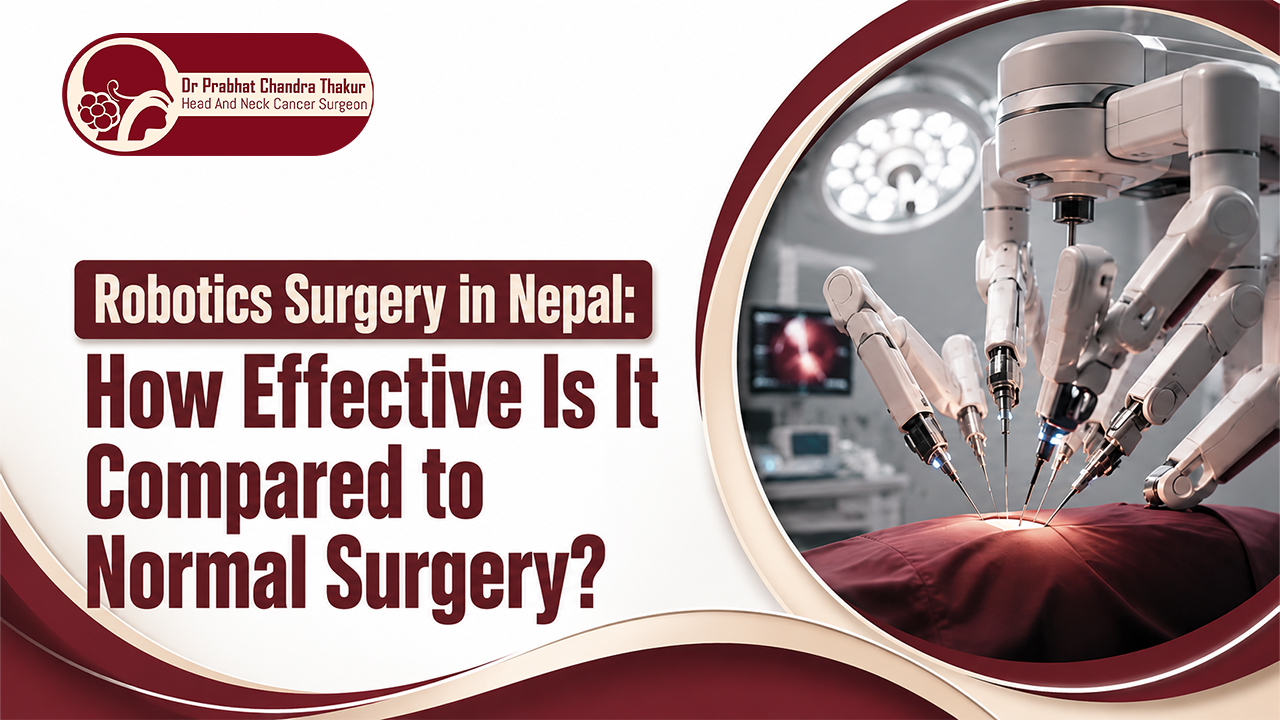
Robotics surgery in Nepal is an emerging topic for patients who want to understand whether advanced surgical technology can make operations safer, more precise, and easier to recover from. In simple words, robotic surgery is a type of minimally invasive surgery where the surgeon controls robotic instruments through a console. The robot does not operate by itself. The surgeon remains fully in control throughout the procedure. For ENT, thyroid, head and neck, and cancer related conditions, robotic and endoscopic surgical techniques may help in selected patients. However, robotic surgery is not automatically better for everyone. The right approach depends on the disease, stage, location, patient’s health, surgeon’s expertise, available technology, and expected benefit. This article explains what robotic surgery means, how it differs from conventional surgery, where it may be useful, and what patients in Nepal should ask before choosing it. Medical note: This article is for educational purposes only. It should not replace consultation with a qualified surgeon, ENT doctor, or cancer specialist. What Is Robotics Surgery? Robotics surgery in Nepal refers to the use of robotic assisted surgical systems to help doctors perform operations through small openings or hidden access routes. In many cases, robotic surgery is part of a broader category called minimally invasive surgery. A robotic system usually includes: Component What It Does Surgeon console The surgeon controls the instruments from here Robotic arms Hold and move surgical instruments Camera system Gives a magnified view of the surgical field Surgical instruments Cut, dissect, grasp, and stitch tissues Operating team Assists with anesthesia, instruments, monitoring, and patient safety The important point is this: robotic surgery is surgeon controlled surgery. It is not automatic surgery. The surgeon’s training, experience, and judgment remain more important than the machine itself. Why Are Patients Talking About Robotic Surgery? Patients are interested in robotic surgery because it is often associated with smaller cuts, better A more accurate answer is: Robotic surgery can be useful in selected patients, but it is not necessary or suitable for every disease. For thyroid, head and neck, and ENT conditions, the decision should be based on medical need, anatomy, diagnosis, safety, cancer principles, and surgeon expertise. Robotics Surgery vs Normal Surgery: What Is the Difference? Normal surgery usually means open surgery, where the surgeon makes an incision to directly reach the organ or tumor. Robotic surgery uses robotic instruments controlled by the surgeon, usually through smaller or hidden incisions. Feature Open Surgery Robotic Surgery Incision Usually larger and direct Smaller or hidden access in selected cases View Direct surgical view Magnified 3D camera view Instrument movement Surgeon’s hands directly Surgeon controls robotic arms Recovery Depends on procedure May be faster in selected cases Pain Depends on incision and surgery type May be less in some minimally invasive procedures Scar Usually visible at incision site May be smaller or hidden depending on approach Cost Often lower Often higher due to technology Suitability Suitable for many cases Suitable only for selected patients Safety Depends on surgeon and case Depends on surgeon, case, and technology Neither method is “always best.” A safe open surgery is better than an inappropriate robotic surgery. How Effective Is Robotic Surgery? Robotic surgery can be effective when the patient is properly selected and the surgeon is trained in that specific procedure. Its main value is not that it is “modern,” but that it can improve access, visualization, precision, and cosmetic outcomes in certain operations. For thyroid surgery, several approaches exist. Mayo Clinic notes that thyroidectomy may be performed through conventional neck incision, transoral access through the mouth, or endoscopic approaches using smaller incisions and camera guidance. In selected thyroid cases, remote-access or scarless techniques can reduce visible neck scarring. However, these approaches also require special training, careful patient selection, and a clear understanding of risks. A medical review on transoral endoscopic thyroidectomy vestibular approach reported that TOETVA can provide excellent cosmetic results and similar complication rates to standard open thyroidectomy in selected cases, while also noting that larger studies are needed to compare long-term quality of life, voice outcomes, and cancer-related outcomes. So, robotic or scarless surgery can be helpful, but it should not be treated as a marketing label. What Are the Benefits of Robotic Surgery? Robotic surgery may offer several benefits in selected patients. Possible Benefit What It Means for Patients Smaller or hidden incision Less visible scarring in some procedures Better visualization Magnified camera view helps the surgeon see small structures Greater precision Robotic instruments may allow refined movements Less tissue handling May reduce trauma in some procedures Faster recovery Possible in selected minimally invasive operations Better cosmetic outcome Especially relevant in neck and thyroid surgery Access to difficult areas May help in selected head and neck cases These benefits are not guaranteed. They depend on the operation type, surgeon experience, patient condition, and disease stage. What Are the Limitations of Robotic Surgery? Robotic surgery also has limitations. Limitation Why It Matters Not suitable for all patients Large tumors, advanced cancer, or complex anatomy may need open surgery Higher cost Robotic systems and instruments can increase expenses Requires trained team Surgeon and operating room team need specific expertise Longer setup time Some robotic procedures may take longer Technology dependence Equipment availability matters Different risk profile Some approaches have unique risks Cancer safety must come first Cosmetic benefit should not compromise cancer treatment For thyroid surgery, the American Thyroid Association states that surgery may be needed for suspicious thyroid nodules, thyroid cancer, large goiter causing swallowing or breathing problems, and certain types of hyperthyroidism. The reason for surgery helps decide the type of operation needed. This is why patients should ask: “Is robotic surgery medically appropriate for my case?” rather than only asking, “Is robotic surgery available?” Is Robotic Surgery Useful for Thyroid Surgery? Robotic and endoscopic techniques may be useful in selected thyroid operations, especially when avoiding a visible neck scar is important. Traditional thyroid surgery usually involves a small incision in the lower front of the neck. In many patients, … Read more
Best Thyroid Surgeon in Nepal — Dr. Prabhat Chandra Thakur

Best Thyroid Surgeon in Nepal

1. Introduction Thyroid surgery is a critical medical procedure involving the partial or complete removal of the thyroid gland, often performed to treat thyroid cancer, large goiters, nodules, or hormone imbalance. This butterfly‑shaped gland sits close to essential nerves, blood vessels, and the voice box, making thyroid surgery one of the most delicate operations in endocrine care. In Nepal, access to advanced thyroid care has grown rapidly, especially with the emergence of minimally invasive and scarless procedures. Still, the success of thyroid surgery depends on the expertise of the surgeon, their precision, experience, and clinical judgment. That’s why choosing the Best Thyroid Surgeon in Nepal is about safety, quality, and outcomes. Dr. Prabhat Chandra Thakur, widely recognized as the Best Thyroid Surgeon in Nepal, combines global training, decades of experience, and an unwavering commitment to patient‑centered care. His patients benefit from fewer complications, faster recovery, and excellent long‑term results. With thyroid disorders increasing across Nepal, more individuals are seeking not just effective treatment but surgical excellence. 2. Understanding the Role of a Thyroid Surgeon A thyroid surgeon is a highly specialized medical professional trained to diagnose and operate on conditions affecting the thyroid gland. These include thyroid nodules, goiters, hyperthyroidism, and thyroid cancer each demanding a tailored surgical approach. Thyroidectomy may involve removing a part of the gland (lobectomy) or the entire gland (total thyroidectomy). Because the thyroid lies near the recurrent laryngeal nerve (which controls speech) and the parathyroid glands (which regulate calcium), even minor errors can affect voice or calcium balance. 3. Qualifications of the Best Thyroid Surgeon in Nepal Behind every successful thyroid surgery lies rigorous academic training and specialized clinical exposure. Dr. Prabhat Chandra Thakur represents surgical excellence through extensive education and global training. After earning his MBBS degree, Dr. Thakur completed his postgraduate specialization in Otolaryngology Head & Neck Surgery (MS ENT) from a reputable institution. He further advanced his expertise through international fellowships in thyroid and head & neck oncology training that adds global insight and technical depth to his practice. Dr. Thakur’s training includes time at globally respected centers, and his achievements during training such as earning the prestigious Gold Medal at PGIMER, Chandigarh highlight his academic brilliance and clinical performance. He remains active in international surgical societies and participates in ongoing medical education to stay at the forefront of thyroid surgical care. When evaluating the Best Thyroid Surgeon in Nepal, credentials like these demonstrate deep commitment, continuous learning, and dedication to clinical excellence. 4. Advanced Surgical Techniques in Nepal Thyroid surgery has evolved dramatically, moving from large incisions to modern techniques focused on comfort and faster healing. Today, Dr. Prabhat Chandra Thakur offers advanced surgical options tailored to patient needs. Scarless thyroid surgery, also known as remote‑access endoscopic thyroidectomy, avoids visible neck scars by using incisions under the arm or behind the ear, a breakthrough in patient‑friendly care. While conventional open thyroidectomy may still be necessary in certain complex cases, Dr. Thakur utilizes micro‑incision approaches, advanced nerve monitoring devices, and high‑resolution imaging to maximize safety and outcomes. By combining skilled technique with cutting‑edge technology, he defines modern thyroid care in Nepal. 5. Clinical Experience and Case Volume Clinical experience is one of the strongest indicators of surgical excellence. Dr. Prabhat Chandra Thakur has over a decade of specialized practice with thousands of thyroid surgeries from standard lobectomies to complex cancer resections and redo operations. This depth of experience allows him to recognize anatomical variations, anticipate challenges, and manage intraoperative risks effectively. Whether handling large retrosternal goiters or recurrent thyroid disease, his expertise ensures precise surgeries with minimal complications. Patients treated by Dr. Thakur benefit from shorter hospital stays, rapid recovery, and excellent long‑term outcomes, a testament to why he’s widely acknowledged as the Best Thyroid Surgeon in Nepal. 6. Preoperative & Postoperative Care Standards Exceptional thyroid surgery doesn’t begin and end in the operating theatre it involves comprehensive care throughout the surgical journey. Before surgery, Dr. Thakur conducts thorough evaluations, including ultrasound imaging, fine‑needle aspiration cytology (FNAC), thyroid function tests, and voice assessments. He educates patients about surgical plans, risks, anesthesia, and recovery expectations to build confidence and clarity. After surgery, patients receive attentive monitoring for complications such as hypocalcemia or voice changes. Dr. Thakur provides detailed postoperative guidance on wound care, activity levels, and follow‑ups. With support from multidisciplinary teams including endocrinologists and speech therapists patients enjoy smooth and structured recoveries. 7. Results, Safety Record & Patient Outcomes Outcomes speak louder than words. Under Dr. Prabhat Chandra Thakur’s care, complication rates remain low, recoveries are swift, and patient satisfaction is consistently high. Advanced tools like intraoperative nerve monitoring (IONM) protect the recurrent laryngeal nerve, reducing risks to voice quality. Precise preservation of parathyroid glands ensures stable calcium levels post‑surgery. Long‑term results reveal high levels of success, even for thyroid cancer patients. Recurrence rates are low when proper surgical planning and postoperative care are combined with Dr. Thakur’s meticulous technique. 8. Recognitions, Awards & Memberships Professional recognition reflects excellence and Dr. Prabhat Chandra Thakur’s accomplishments confirm his leadership in thyroid surgery. He has received top honors including the Gold Medal from PGIMER, Chandigarh, and maintains active memberships in international surgical societies. Through research contributions, publications, and participation in global forums, Dr. Thakur continues to shape the field of endocrine surgery both in Nepal and abroad. 9. Ethical, Patient‑Centered Care Model Surgical excellence requires more than skill; it requires empathy, ethics, and respect. Dr. Thakur emphasizes transparent communication, informed consent, and a patient‑first approach. He avoids unnecessary procedures, respects cultural values, and supports patients emotionally through every step of care. His involvement in community outreach and public education programs reflects a deep commitment to health beyond the clinic, a hallmark of the Best Thyroid Surgeon in Nepal. 10. Frequently Asked Questions What makes someone the Best Thyroid Surgeon in Nepal? Extensive experience, advanced training, low complication rates, and compassionate care are key all embodied by Dr. Prabhat Chandra Thakur. How much does thyroid surgery cost in Nepal? Costs vary by hospital, condition … Read more

Thyroid Disorders and Thyroid Cancer Treatment in Nepal: When to See a Thyroid Specialist Doctor

thyroid cancer surgeon in Nepal

A Comprehensive Guide by a Thyroid Cancer Surgeon in Nepal Thyroid disorders are among the most commonly underdiagnosed health conditions in South Asia. In Nepal, thousands of people live with untreated thyroid problems ranging from hormonal imbalance to thyroid nodules and thyroid cancer often mistaking early symptoms for stress or lifestyle-related issues. With increasing awareness and improved diagnostic facilities, more patients are now actively searching for the best doctor for thyroid in Nepal and a qualified thyroid specialist doctor in Nepal who can provide accurate diagnosis and advanced treatment. This article reflects the clinical expertise and experience of Dr. Prabhat Chandra Thakur, a senior thyroid and endocrine surgeon with 15+ years of dedicated experience in managing complex thyroid disorders and thyroid cancer in Nepal. Understanding the Thyroid Gland and Its Role in the Body The thyroid is a small, butterfly-shaped gland located at the front of the neck. Despite its size, it plays a crucial role in regulating the body’s metabolism, energy levels, heart rate, digestion, temperature, and overall hormonal balance. When the thyroid does not function properly, it can affect nearly every organ system. This is why early evaluation by a thyroid specialist doctor in Nepal is essential when symptoms arise. Thyroid Disorders in Nepal: A Growing Health Concern Thyroid-Related Statistics In Nepal, limited routine screening and delayed consultation mean many patients present late, often requiring surgical intervention by a thyroid cancer surgeon in Nepal. Common Thyroid Disorders Seen in Nepal 1. Hypothyroidism A condition where the thyroid produces insufficient hormones. Common symptoms: 2. Hyperthyroidism Excess thyroid hormone production. Common symptoms: 3. Thyroid Nodules Lumps or growths in the thyroid gland. Most are benign, but some may be cancerous. 4. Thyroid Cancer A malignant growth in the thyroid gland requiring specialized evaluation and, often, surgery. Thyroid Cancer: What Patients in Nepal Should Know Thyroid cancer is one of the most treatable cancers when detected early. However, lack of awareness often delays diagnosis. Types of Thyroid Cancer Type Characteristics Papillary Most common, slow-growing Follicular Can spread to lungs/bones Medullary Linked to genetic factors Anaplastic Rare, aggressive Accurate diagnosis and surgical planning by an experienced thyroid cancer surgeon in Nepal significantly improve outcomes. Symptoms That Require Immediate Thyroid Evaluation You should consult a thyroid specialist doctor in Nepal if you notice: These symptoms do not always indicate cancer, but timely evaluation is critical. How Thyroid Disorders Are Diagnosed A structured diagnostic approach includes: Diagnostic Tests Test Purpose Thyroid function tests (T3, T4, TSH) Hormonal assessment Ultrasound Nodule evaluation FNAC (biopsy) Cancer detection CT/MRI Advanced staging Radioisotope scan Functional assessment A comprehensive evaluation ensures that patients receive the right treatment at the right time. When Is Thyroid Surgery Required? Not all thyroid conditions need surgery. However, surgery is recommended when: This is where the expertise of a thyroid cancer surgeon in Nepal becomes critical. Thyroid Cancer Surgery: What Makes Expertise Essential Thyroid surgery is delicate. The thyroid lies close to: An experienced surgeon minimizes complications and ensures complete cancer removal. Dr. Prabhat Chandra Thakur brings 15+ years of surgical experience, having managed hundreds of thyroid surgeries with a strong focus on patient safety, precision, and long-term outcomes. His expertise places him among the most trusted names for patients searching for the best doctor for thyroid in Nepal. Why Experience Matters in Thyroid Cancer Treatment Surgeon Experience vs Outcomes Factor Impact Accurate staging Better treatment planning Complete tumor removal Lower recurrence Nerve preservation Voice safety Post-op management Faster recovery Patients with thyroid cancer benefit significantly when treated by a seasoned thyroid specialist doctor in Nepal rather than general surgical care. Thyroid Cancer Treatment Pathway in Nepal Standard Treatment Approach This structured pathway ensures high survival and quality of life. Life After Thyroid Surgery Most patients return to normal life after surgery. With proper follow-up: Education and guidance from a thyroid specialist doctor in Nepal play a key role in recovery. Myths About Thyroid Disease and Thyroid Cancer ❌ Thyroid nodules are always cancer❌ Thyroid cancer is fatal❌ Surgery leads to lifelong disability These myths often delay care. Evidence-based guidance from experienced specialists helps patients make informed decisions. Why Choose Dr. Prabhat Chandra Thakur? Patients across Nepal trust Dr. Prabhat Chandra Thakur because of: These qualities align with what patients expect when searching for the best doctor for thyroid in Nepal. Frequently Asked Questions (FAQs) Who is a thyroid specialist doctor in Nepal? A doctor trained in diagnosing and treating thyroid disorders, including surgical and non-surgical care. Is thyroid cancer curable? Yes. When detected early, thyroid cancer has an excellent survival rate. When should I see a thyroid cancer surgeon in Nepal? If biopsy suggests cancer or if nodules cause symptoms, surgical consultation is essential. Is lifelong medication required after thyroid surgery? It depends on the extent of surgery. Many patients require hormone replacement. Where can I get advanced thyroid care in Nepal? Specialized care is available through experienced thyroid specialists and surgeons. Medical Review Note This content is written for patient education and aligns with internationally accepted endocrine and oncologic guidelines. Clinical insights reflect the real-world experience of Dr. Prabhat Chandra Thakur, whose work in thyroid disease and thyroid cancer treatment in Nepal emphasizes safety, ethics, and long-term patient outcomes. Early Care Saves Lives Thyroid disorders and thyroid cancer are highly manageable when diagnosed early and treated appropriately. The key lies in recognizing symptoms, seeking timely evaluation, and choosing an experienced thyroid cancer surgeon in Nepal. If you or a loved one is experiencing thyroid-related symptoms or has been diagnosed with a thyroid condition, consulting a qualified thyroid specialist doctor in Nepal can make a life-changing difference. With expert care, evidence-based treatment, and long-term follow-up, patients can expect excellent outcomes and a healthy future.

ENT Specialist in Kathmandu – Dr. Prabhat Chandra Thakur

ENT Specialist in Kathmandu

Dr. Prabhat Chandra Thakur is a highly recognized ENT Specialist, Head & Neck Oncosurgeon, and Thyroid Surgeon based in Kathmandu, Nepal. He is associated with the Nepal Cancer Hospital & Research Center in Harisiddhi, Lalitpur an advanced cancer treatment institution in Nepal. As a medical entity, Dr. Prabhat Chandra Thakur is known for his expertise in: He has performed more than 5000+ head and neck cancer surgeries, which establishes him as one of Nepal’s most experienced surgeons in this domain. Profile: Dr. Prabhat Chandra Thakur Entity Type Value Name Dr. Prabhat Chandra Thakur Profession ENT Specialist, Head & Neck Oncosurgeon Location Entity Kathmandu, Nepal Primary Hospital Nepal Cancer Hospital & Research Center Specializations Oral Cancer, Thyroid Surgery, Head & Neck Cancer, Endoscopic Surgery Awards Gold Medal, PGI Chandigarh Training Entities PGI Chandigarh (India), Memorial Sloan Kettering (USA), BPKIHS (Nepal), IFHNOS, Bangkok General Hospital Qualifications & International Training  Surgical Achievements Statistics Head & Neck Disease Burden in Kathmandu, Nepal – Estimated Annual Cases Condition Annual Cases (Approx.) Relevance to Dr. Prabhat Thyroid Disorders 18,000+ Specialist in thyroid surgery Oral Cancer 11,000+ Expert in oral cancer surgery Head & Neck Cancer 9,000+ Fellowship-trained H&N oncologist Sinus Disorders 30,000+ Performs advanced endoscopic sinus surgery Throat Infections 50,000+ ENT specialist & surgeon Conditions Treated ENT Conditions Cancer Conditions Surgical Procedures Where Dr. Prabhat Practices Nepal Cancer Hospital & Research Center  a major oncology entity in Nepal located in Harisiddhi, Lalitpur. FAQs 1. Who is the best ENT Specialist in Kathmandu? Dr. Prabhat Chandra Thakur, an ENT Specialist and Head & Neck Oncosurgeon at Nepal Cancer Hospital, is widely recognized due to his experience, international training, and surgical outcomes. 2. Does Dr. Prabhat perform Scarless Thyroid Surgery? Yes. He is one of the pioneers of Endoscopic Thyroidectomy (Scarless Thyroid Surgery) in Nepal. 3. What is Dr. Prabhat’s specialty? He specializes in ENT, Head & Neck Cancer Surgery, Oral Cancer, Thyroid Surgery, Skull Base Surgery, and reconstructive surgery. 4. Where is Dr. Prabhat located? He practices in Kathmandu Valley, mainly at the Nepal Cancer Hospital & Research Center in Harisiddhi, Lalitpur. 5. Is he trained internationally? Yes. His training includes PGI Chandigarh (India), Memorial Sloan Kettering Cancer Center (USA), and Bangkok General Hospital (Thailand). 6. How many surgeries has he performed? He has performed 5000+ head & neck cancer surgeries, making him one of the most experienced surgeons in Nepal. 7. What cancers does he treat? He treats oral cancer, thyroid cancer, laryngeal cancer, salivary gland tumors, and other head & neck malignancies. 8. Does he perform sinus and skull base surgery? Yes. He performs endoscopic sinus and skull base surgeries using advanced minimally invasive techniques. 9. Can I book an appointment online? Yes. Appointments can be scheduled through the Nepal Cancer Hospital’s appointment desk or via his website (drprabhat.com.np). Conclusion Dr. Prabhat Chandra Thakur is a leading ENT Specialist, Head & Neck Oncosurgeon, and Thyroid Surgeon based in Kathmandu, Nepal. With global training, advanced surgical skills, and over 5000 successful surgeries, he is one of Nepal’s most trusted names in ENT and head & neck cancer care. For patients seeking expert ENT services, cancer treatment, or minimally invasive surgery, Dr. Prabhat provides world-class care within Nepal.

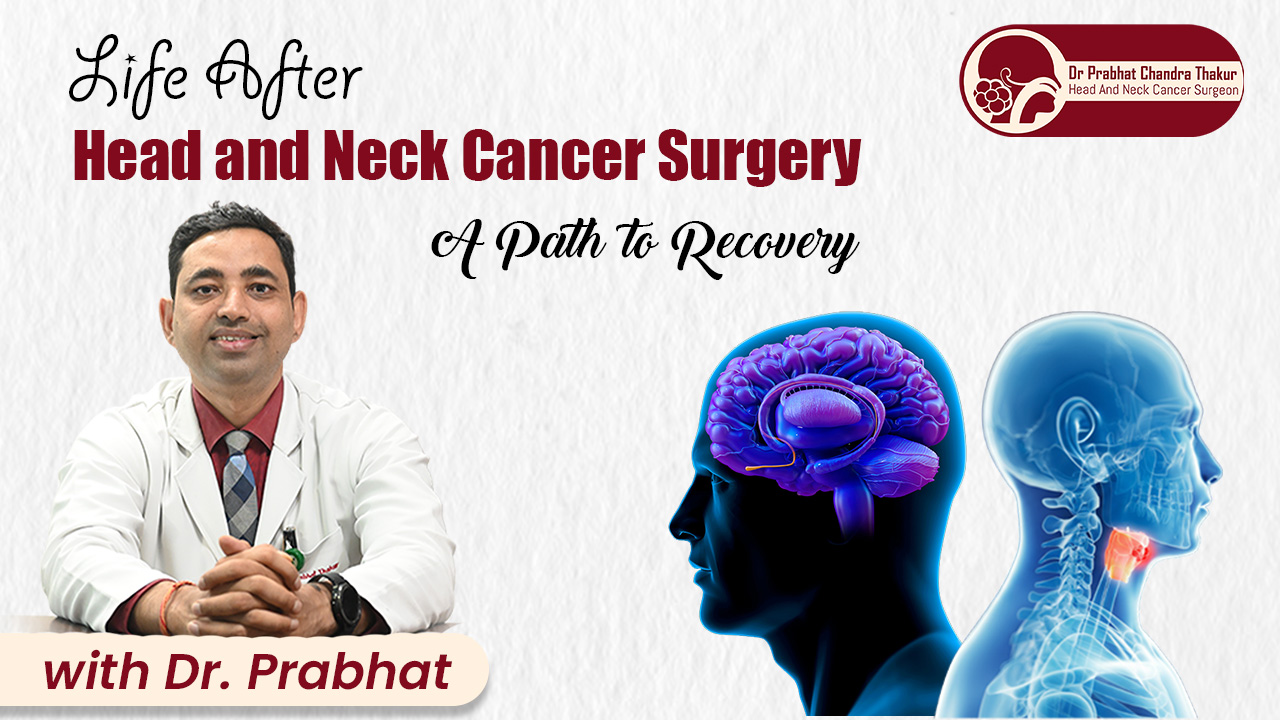
Life After Head and Neck Cancer Surgery: A Path to Recovery with Dr. Prabhat

head and neck cancer

Introduction Head and neck cancer surgery transforms lives not just by removing malignant tumors, but by initiating a journey of recovery that is complex, demanding, and life-affirming. This journey includes challenges in speech, swallowing, breathing, and appearance, each of which requires targeted support. For many patients, survivorship is marked by physical, emotional, and psychological shifts that demand a comprehensive, compassionate approach to healing. At the forefront of this journey stands Dr. Prabhat, a leading head and neck surgeon in Nepal. With a dedicated focus on not just surgical precision but holistic post-operative care, Dr. Prabhat provides a guiding hand through every stage of life after head and neck cancer surgery. Through his multidisciplinary approach and patient first philosophy, the path to recovery becomes clearer, structured, and filled with hope. This blog explores every aspect of life after head and neck cancer surgery highlighting the physical, emotional, and practical realities faced during recovery, rehabilitation, and survivorship. It outlines key insights, strategies, and medical approaches, particularly as practiced by Dr. Prabhat and his expert team. Understanding Head and Neck Cancer Surgery Head and neck cancer encompasses malignancies affecting the oral cavity, throat (pharynx), voice box (larynx), nasal cavity, salivary glands, and lymph nodes in the neck. Surgical intervention often becomes essential for tumor removal, especially when caught early or when radiation and chemotherapy are less effective. Surgery can range from minor excisions to complex procedures such as partial or total laryngectomy, neck dissection, or reconstructive surgery using grafts or flaps. Each surgery type impacts essential functions: speaking, eating, breathing, and facial aesthetics. Dr. Prabhat’s surgical approach emphasizes not only the complete removal of cancerous tissues but also functional preservation. By incorporating advanced techniques in microvascular reconstruction and collaborating with speech and rehabilitation specialists, the goal remains to support long-term recovery and quality of life. Immediate Post-Surgical Phase: Recovery and Rehabilitation The first few weeks after surgery represent a critical window in the journey of life after head and neck cancer surgery. Hospital recovery typically involves wound management, nutritional support via feeding tubes if needed, pain control, and early mobilization. Monitoring for complications such as infection, bleeding, or airway compromise is standard protocol. Rehabilitation begins almost immediately. Patients often work with speech-language pathologists to address challenges in speech and swallowing. Physiotherapists help maintain neck and shoulder mobility, particularly after neck dissections. Nutritionists guide food consistency adaptations to ensure safe and adequate intake. Dr. Prabhat’s team integrates rehabilitation planning from the surgical stage itself, reducing recovery time and improving functional outcomes. Psychological support also forms part of this early phase, as patients begin adjusting to changes in appearance or physical ability. Medium Term Adjustments: Functional and Lifestyle Changes In the weeks and months following discharge, functional adaptations become central to everyday life. Life after head and neck cancer surgery often requires adjustments in communication, diet, oral hygiene, and personal care routines. Communication and Speech Patients who undergo laryngeal surgery may experience hoarseness or voice loss. Voice rehabilitation may involve speech training, electrolarynx devices, or tracheoesophageal puncture (TEP) techniques, depending on the surgery performed. Continuous speech therapy plays a vital role in regaining effective communication. Swallowing and Nutrition Swallowing difficulties (dysphagia) are common, requiring modified diets, thickened liquids, and specific exercises. Malnutrition risk remains high in this period, making close monitoring by a dietitian essential. Dental care, oral hygiene, and prosthetic rehabilitation (like palatal obturators) also support chewing and oral function. Physical and Sensory Changes Neck stiffness, jaw tightness (trismus), shoulder droop, or numbness can limit daily activity. Dry mouth (xerostomia) and changes in taste or smell affect meal enjoyment. Skin sensitivity, facial asymmetry, or visible scars might impact self-esteem and social interactions. Dr. Prabhat addresses these challenges through coordinated care, involving dental specialists, maxillofacial prosthodontists, and rehabilitation teams. He ensures ongoing follow-ups to tailor recovery protocols and assist with mobility, function, and aesthetic recovery. Long-Term Survivorship and Quality of Life Long term survivorship goes beyond cancer eradication. It focuses on living well, minimizing late effects, and fostering emotional strength. Life after head and neck cancer surgery often includes monitoring for recurrence, managing chronic symptoms, and reintegrating into personal and professional roles. Long-Term Effects Chronic fatigue, fibrosis, hypothyroidism (from radiation), hearing loss, or cognitive effects can arise months or years after treatment. Osteoradionecrosis (bone damage from radiation) and secondary cancers are also potential concerns. Proactive surveillance is vital for timely intervention. Emotional and Psychological Well-Being Body image concerns, anxiety about recurrence, depression, and social isolation are frequently reported. Support groups, counseling, and mindfulness practices have proven beneficial in rebuilding confidence and reducing emotional distress. Social and Occupational Reintegration Returning to work, resuming family roles, and engaging socially are signs of successful rehabilitation. Employers, caregivers, and community networks play critical roles in this reintegration. Speech intelligibility, appearance, and physical stamina influence readiness. Dr. Prabhat’s clinic emphasizes survivorship care planning. Through regular check-ins, counseling, and peer support connections, patients gain the tools and resources needed for sustainable long-term well-being. The Role of Specialist Care: Why Dr. Prabhat’s Approach Matters A successful life after head and neck cancer surgery is not just the result of one procedure but of ongoing, multidisciplinary care. Dr. Prabhat leads one of Nepal’s most progressive head and neck surgical practices, distinguished by commitment to long-term survivorship. His approach includes: This comprehensive care framework ensures that recovery continues beyond the operating room, addressing all the dimensions of life after head and neck cancer surgery. Practical Recommendations for Patients and Families Navigating the path ahead becomes more manageable with preparation and support. Patients and caregivers benefit from proactive involvement in rehabilitation and open communication with the care team. Key Recommendations: Practical education empowers patients and families to regain control and resilience. Dr. Prabhat’s team provides customized guidance tailored to every recovery milestone. Conclusion Life after head and neck cancer surgery involves much more than surgical recovery it is a multi-dimensional process of adaptation, resilience, and rediscovery. Each phase, from immediate rehabilitation to long-term survivorship, presents its own set of challenges and opportunities. With the … Read more

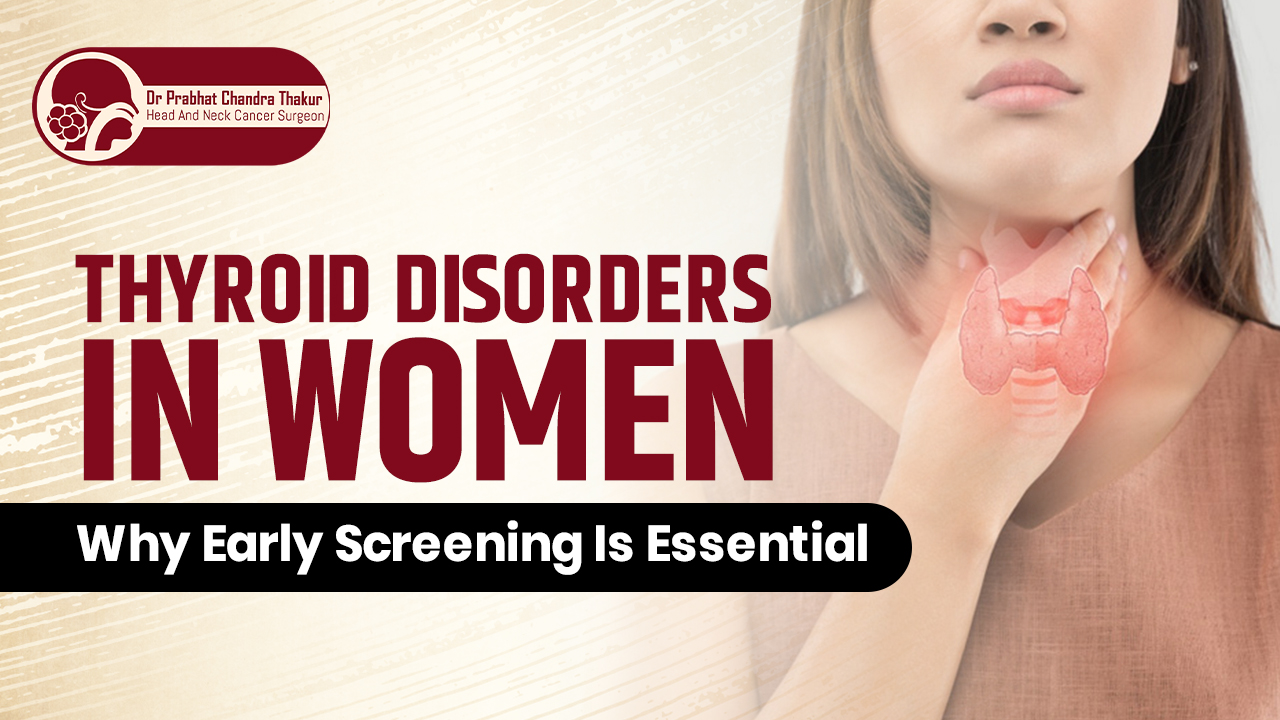
Thyroid Disorders in Women: Why Early Screening Is Essential

thyroid disorders in women

Thyroid disorders in women: When we think about women’s health, conversations often center around reproductive health, heart health, or even bone health. But there’s one small gland that’s often overlooked , the thyroid. And yet, this tiny organ plays a big role, especially for women. In fact, women are five to eight times more likely than men to develop thyroid problems. According to the American Thyroid Association, about 1 in 8 women will face a thyroid disorder at some point in their life. But here’s the catch: symptoms often go unnoticed or are mistaken for common life stressors, hormonal shifts, or aging. That’s why early screening matters more than ever. In this post, we’ll break down why women are more at risk, how to recognize potential symptoms, and how early screening can lead to better outcomes. Why women are particularly at risk There are a few key reasons thyroid disorders are more common in women: Autoimmune Factors: Many thyroid disorders like Hashimoto’s or Graves’ disease stem from autoimmune conditions. Women are generally more prone to autoimmune issues, which increases their risk of thyroid dysfunction. Hormonal Changes: Big hormonal shifts like puberty, pregnancy, and menopause can all influence thyroid function. These life events make women’s thyroid health more vulnerable over time. Age and Life Stages: The risk increases with age. Studies show that up to 16% of women aged 65–74 may have higher than normal TSH levels, suggesting an underactive thyroid. Misdiagnosis or Overlooked Symptoms: Tired all the time? Gaining weight? Feeling anxious or moody? These symptoms are easy to brush off or blame on stress or hormones, which means thyroid issues often go undiagnosed. The Most Common Thyroid Disorder in Women Hypothyroidism (Underactive thyroid) One of the most common female thyroid problems is hypothyroidism. In this condition, the thyroid gland produces too little thyroid hormone, slowing down metabolism and affecting many bodily systems. According to one review, prevalence rates in women ranged from 0.6% to 5.9%, depending on diagnostic criteria. sciencedirect.comOver time, mild (subclinical) hypothyroidism is also common. For example, the Colorado Thyroid Disease Prevalence Study found about 8 % of people (mean age 56) had subclinical hypothyroidism; in older women the rate rose to 14‑21 % in some age groups. NCBI Symptoms may include fatigue, cold intolerance, weight gain, dry skin, hair loss, constipation, mood changes, and menstrual irregularities. Because these overlap with many other conditions, thyroid screening can help clarify the cause. Hyperthyroidism (Overactive thyroid) In hyperthyroidism the thyroid produces too much hormone, accelerating metabolism and affecting body systems. It’s less common than hypothyroidism, but carries its own risks (such as rapid heart rate, anxiety, heat intolerance, weight loss).In women, autoimmune causes (such as Graves’ disease) are a major factor. The female:male ratio is significantly skewed. Siemens HealthineersRecognising these disorders early helps prevention of complications (e.g., heart rhythm issues, bone loss, fertility problems).   Recognising thyroid symptoms in women Thyroid symptoms can mimic so many other things such as stress, PMS, menopause, and pregnancy it’s important to look for patterns rather than isolated issues. If you’re dealing with several of the following symptoms, it’s worth talking to your doctor: Fatigue that doesn’t improve with rest Difficulty losing weight or unexplained weight gain Always feeling cold or overly hot Dry skin, hair thinning, or hair loss Mood swings, anxiety, or depression Irregular periods or fertility issues Brain fog or slowed thinking Heart palpitations or tremors If any of these sound familiar, don’t ignore them. A simple thyroid blood test could give you clarity. The role of thyroid screening & early detection You don’t have to wait for symptoms to get worse before acting. Here’s why early thyroid screening can make a real difference: It’s common: One in eight women will experience a thyroid disorder. It often starts quietly: Many cases begin subtly and go undetected for years. It affects more than just energy levels: Your thyroid can impact fertility, heart health, mental health, and bone strength. Treatment works: Whether it’s medication or lifestyle changes, thyroid issues are manageable especially when caught early. You don’t need to screen everyone but you should if you have risk factors like: A family history of thyroid disease Autoimmune conditions You’re pregnant, postpartum, or entering menopause You’re experiencing unexplained symptoms Screening is usually a simple blood test to check your TSH, and sometimes T3, T4, or thyroid antibodies if needed. How female thyroid problems affect fertility, pregnancy & menopause Fertility & Menstrual Cycles Thyroid hormones play a key role in ovulation and menstrual regularity. An imbalance can cause irregular periods or stop them altogether and make it harder to conceive. Pregnancy & Postpartum Pregnancy demands more from your thyroid. If undiagnosed, thyroid disorders during pregnancy can lead to complications like miscarriage, premature birth, or developmental issues in the baby. Postpartum thyroiditis (inflammation of the thyroid after giving birth) affects around 5% of new moms. Menopause & Beyond Symptoms of thyroid dysfunction (fatigue, mood swings, weight gain) can overlap with menopause. After menopause, the risk for thyroid issues increases, making it even more crucial to monitor your levels. Supporting thyroid health naturally & lifestyle tips While medical treatment is important, your daily habits also play a big role in thyroid support. Here’s what you can do: Eat for your thyroid: Nutrients like iodine, selenium, zinc, and vitamin D support thyroid function. Talk to your doctor before taking supplements. Manage stress: Chronic stress affects hormone balance. Try yoga, meditation, or even simple breathing exercises. Exercise regularly: Movement supports metabolism, energy levels, and mood. Maintain a healthy weight: Especially important if you’ve been diagnosed with hypothyroidism. Avoid toxins: Endocrine disruptors in some plastics, pesticides, or personal care products can interfere with hormone balance. Stay proactive with checkups: Even if you feel okay, check in with your doctor especially during hormonal transitions. Final Thought In women thyroid disorders are more common than many people realize and often overlooked. From periods to pregnancy to menopause, your thyroid plays a role in almost every phase of your life. The good news? … Read more

Why Dr. Prabhat Chandra Thakur is Nepal’s Leading Thyroid Surgeon: What Every Patient Should Know About Thyroid Health?

Best Thyroid Surgeon in Nepal

Introduction Thyroid problems are becoming increasingly common around the world, including in Nepal. From fatigue and weight fluctuations to anxiety and unexplained swelling in the neck, thyroid-related disorders often affect daily life in ways patients may not immediately recognize. Yet despite how widespread these conditions are, they often go undiagnosed or untreated until serious complications arise. That’s where specialized thyroid care becomes essential and few names stand out in this field like Dr. Prabhat Chandra Thakur, often referred to as the best thyroid surgeon in Nepal. With extensive training in head and neck oncology, minimally invasive thyroid surgery, and a remarkable reputation for patient care, Dr. Thakur has emerged as a trusted figure for those seeking effective and compassionate treatment. This blog will guide you through everything you need to know about thyroid health, when to seek help, and why Dr. Prabhat Chandra Thakur should be your first choice if you’re looking for expert thyroid care or surgery in Nepal. Understanding the Thyroid Gland The thyroid gland is a small, butterfly-shaped organ located at the base of your neck, just below the Adam’s apple. Despite its small size, it plays a big role in regulating your body’s metabolism the process by which your body converts food into energy. It does this by producing essential hormones: thyroxine (T4) and triiodothyronine (T3). When the thyroid gland functions properly, your body runs like a well-oiled machine. But when it malfunctions, a range of health issues can develop. Here are the most common thyroid disorders: Understanding these conditions is the first step in recognizing the importance of expert thyroid evaluation and care. And in Nepal, Dr. Prabhat Chandra Thakur leads the field in providing both diagnosis and advanced surgical solutions for these disorders. Symptoms of Thyroid Problems Thyroid disorders often develop silently, with symptoms that are easy to ignore or attribute to stress, aging, or other health conditions. That’s why early recognition is so important. Knowing what to look for can help you seek medical care before complications arise. Here are some common symptoms based on the type of thyroid disorder: Symptoms of Hypothyroidism (Underactive Thyroid): Symptoms of Hyperthyroidism (Overactive Thyroid): Symptoms Suggestive of Thyroid Cancer or Nodules: If you or a loved one experiences any of these symptoms, especially for an extended period, it’s important to consult a thyroid specialist. Early intervention not only improves treatment outcomes but also ensures peace of mind. Diagnostic Process: How Thyroid Conditions Are Detected When it comes to thyroid issues, accurate diagnosis is key. Misdiagnosis or delayed diagnosis can lead to prolonged suffering or missed signs of serious conditions like thyroid cancer. At the forefront of thyroid diagnostics in Nepal is Dr. Prabhat Chandra Thakur, whose systematic and evidence-based approach ensures patients receive the most precise evaluation possible. Key Diagnostic Steps Include: Under the care of Dr. Thakur, patients benefit from access to modern diagnostic facilities and international-standard protocols at Nepal Cancer Hospital & Research Center. His emphasis on precision helps ensure the right diagnosis from the very beginning, which is critical for effective treatment planning. Treatment Options for Thyroid Disorders Treatment for thyroid disorders varies significantly depending on the type and severity of the condition. While some issues can be managed with medication, others especially structural abnormalities or cancer may require surgical intervention. Non-Surgical Treatments: When Is Surgery Required? Thyroid surgery becomes necessary in the following situations: Surgical treatment called a thyroidectomy may involve removing part (lobectomy) or all (total thyroidectomy) of the gland, depending on the case. Surgery is a critical moment in a patient’s journey and choosing the right surgeon makes all the difference. That’s why more and more patients in Nepal and beyond turn to Dr. Prabhat Chandra Thakur. Why Choose Dr. Prabhat Chandra Thakur: Nepal’s Leading Thyroid Surgeon When facing thyroid surgery, patients want confidence not just in the outcome, but in the hands that will guide them through it. Dr. Prabhat Chandra Thakur is widely recognized as the best thyroid surgeon in Nepal, known for his advanced surgical skills, patient-centered approach, and exceptional success rates. Here’s why patients and medical peers alike trust Dr. Thakur: ✅ Pioneer in Minimally Invasive Thyroid Surgery Dr. Thakur is among the few surgeons in Nepal proficient in Remote Access Endoscopic Thyroid Surgery, which offers: ✅ Trusted by Patients from All Over Nepal From Kathmandu to Pokhara and beyond, patients travel to the Nepal Cancer Hospital & Research Center in Lalitpur for access to Dr. Thakur’s expertise. Many testimonials highlight not just surgical success, but also his warmth, communication skills, and ethical approach to care. ✅ Holistic, Patient-Centered Care Surgery is more than a technical procedure it’s a journey that includes emotional, physical, and psychological components. Dr. Thakur understands this, taking time to explain options, involve families, and ensure patients feel informed and empowered throughout. “I had a large thyroid lump for years. Dr. Prabhat’s surgery not only removed it with no visible scar but also gave me my confidence back.” – Patient testimonial Modern Surgical Techniques: Remote Access Endoscopic Thyroid Surgery One of the most significant advancements in thyroid care is the development of remote access endoscopic thyroid surgery. Traditional thyroidectomy often leaves a noticeable scar across the neck, which can be a cosmetic concern especially for younger patients or those in public-facing professions. What Is Remote Access Endoscopic Thyroid Surgery? This technique involves removing the thyroid gland using tiny instruments inserted through small incisions, typically in less visible areas like: These methods allow surgeons to avoid the neck altogether—delivering excellent cosmetic results with no visible scar. Benefits of Endoscopic Thyroid Surgery: As a surgeon trained in this specialized technique, Dr. Prabhat Chandra Thakur offers his patients the most advanced and minimally invasive thyroid surgical options available in Nepal today. His experience in these procedures, gained from international centers like MSKCC New York and General Hospital Bangkok, puts him at the forefront of thyroid surgery innovation—not just in Nepal, but in South Asia. Frequently Asked Questions About Thyroid Surgery Patients facing thyroid surgery often … Read more

Thyroid Surgery in Nepal: Advanced Care by Dr. Prabhat Chandra Thakur

Thyroid Surgery in NEpal

Introduction Thyroid surgery has become a crucial treatment option for a growing number of patients in Nepal affected by thyroid disorders. With increasing awareness, improved diagnostic techniques, and access to skilled surgical professionals, Nepal now offers safe, affordable, and advanced options for thyroid gland treatment. Among the country’s leading experts, Dr. Prabhat Chandra Thakur stands out as one of the best thyroid surgeon in Nepal. His extensive surgical experience and patient-centered approach have helped numerous individuals regain their health and confidence. Thyroid surgery in Nepal addresses a wide range of conditions including goiter, thyroid nodules, hyperthyroidism, and thyroid cancer. Advances in surgical techniques, post-operative care, and hormone management have significantly improved outcomes. Understanding Thyroid Disorders The thyroid is a butterfly-shaped endocrine gland located at the base of the neck. It plays a key role in regulating metabolism, temperature, and energy through the secretion of hormones such as thyroxine (T4) and triiodothyronine (T3). Common Thyroid Conditions Requiring Surgical Attention: Early detection through blood tests (T3, T4, TSH), ultrasound, and Fine Needle Aspiration Cytology (FNAC) helps determine the nature of the thyroid disorder and the need for surgery. Indications for Thyroid Surgery Surgical treatment becomes necessary when: Diagnosis is confirmed using imaging studies (ultrasound, CT), blood tests, laryngoscopy (if vocal cord involvement is suspected), and FNAC. Decisions are based on current clinical guidelines and individualized assessment. Types of Thyroid Surgery Performed in Nepal Different surgical procedures are offered depending on the underlying condition, severity, and pathology. 1. Hemithyroidectomy (Lobectomy) 2. Total Thyroidectomy 3. Subtotal Thyroidectomy 4. Completion Thyroidectomy In advanced hospitals across Nepal, including the facilities where Dr. Prabhat Chandra Thakur operates, modern techniques like nerve monitoring, minimal incision thyroidectomy, and cosmetically sensitive closure are practiced to minimize complications and enhance recovery. Surgical Technique and Patient Care Surgery is typically performed under general anesthesia. A horizontal incision is made along a natural crease in the neck. Great care is taken to identify and preserve the recurrent laryngeal nerve to protect voice function and the parathyroid glands to prevent hypocalcemia. Postoperative Recovery Voice rest, calcium supplements, and wound care are part of post-surgery instructions provided by Dr. Prabhat and his surgical team. Choosing the Best Thyroid Surgeon in Nepal Among the top thyroid surgeons in Nepal, Dr. Prabhat Chandra Thakur has earned wide recognition for excellence in ENT and Head & Neck Surgery. With a track record of high surgical success, low complication rates, and compassionate care, he has become a preferred choice for patients from within and outside the country. Dr. Prabhat Chandra Thakur’s Expertise Includes: Patients value his thorough evaluation, clear communication, and ethical treatment approach. His clinic integrates advanced ENT care with tailored thyroid management services. Recovery and Life After Thyroid Surgery Life after thyroid surgery is generally normal with proper follow-up and hormone balance. Dr. Prabhat ensures each patient receives: Patients who undergo partial thyroidectomy often retain normal hormone levels, while those undergoing total thyroidectomy require lifelong levothyroxine therapy. Monitoring ensures optimal dosage and long-term well-being. Research and Advances in Thyroid Surgery in Nepal Medical colleges and specialty centers in Nepal are increasingly participating in thyroid research and case reporting. With surgeons like Dr. Prabhat contributing to clinical knowledge, thyroid surgery outcomes continue to improve. Training programs for young ENT and surgical residents are also expanding, raising the national standard of care. Use of nerve monitoring, radiofrequency ablation for nodules, and thyroid cancer registries are examples of progress in the field. Frequently Asked Questions Is thyroid surgery safe in Nepal? Yes. With trained ENT/head-neck surgeons and improved facilities, the procedure is safe and effective. What is the recovery time after surgery? Most patients recover in 1–2 weeks. Normal activities can usually resume after 7–10 days. Will lifelong medication be required? Only after total thyroidectomy. Partial surgeries may not require hormone replacement. Are voice changes permanent? Temporary hoarseness can occur. Permanent voice changes are rare when the recurrent laryngeal nerve is preserved. Can thyroid cancer be cured with surgery? Yes, especially in early-stage cases. Surgery is the main treatment followed by radioactive iodine when needed. Conclusion Thyroid surgery in Nepal has reached a high level of safety, affordability, and effectiveness. With expert surgeons like Dr. Prabhat Chandra Thakur at the forefront, patients receive comprehensive evaluation, precise surgical care, and long-term follow-up. From benign goiters to thyroid cancers, the management of thyroid diseases now matches international standards. Patients seeking the best thyroid surgeon in Nepal can rely on Dr. Prabhat’s expertise and ethical approach to treatment.

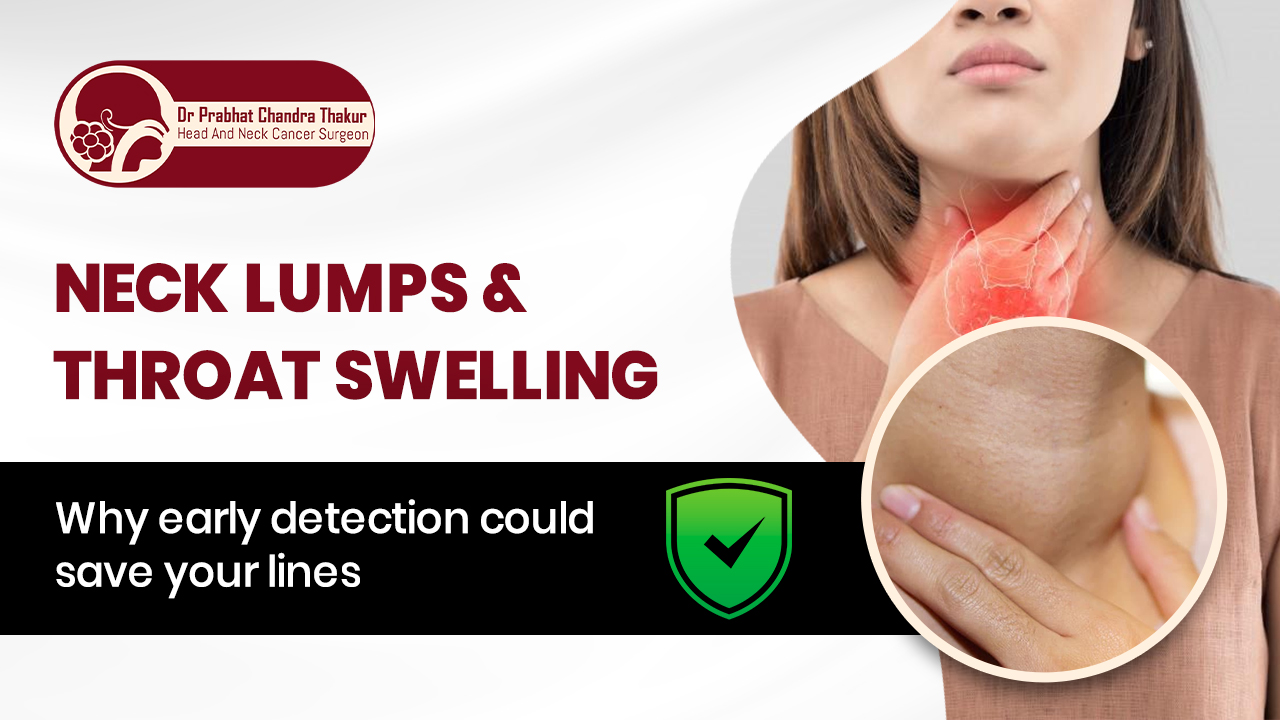
Neck Lumps and Throat Swelling: Why Early Detection Could Save Your Life

Neck Lumps

Noticing a lump in your neck or swelling in your throat can be unsettling. While some cases are benign, others may signal serious conditions that require urgent medical attention. This blog highlights why early detection is critical and how experts like Dr. Prabhat Chandra Thakur, one of Nepal’s most trusted thyroid surgeons, are making a life-saving difference. What Causes Neck Lumps and Throat Swelling? There are several reasons you might feel a lump or swelling in your neck or throat. Understanding the potential causes helps you make informed decisions about when to seek help. Infections : Common infections such as the flu, strep throat, or mononucleosis can cause lymph nodes in the neck to swell. These nodes act as filters for harmful substances, and they swell as they work to fight off infection. Typically, these lumps are soft, tender, and move slightly under the skin. However, if they persist beyond a few weeks or grow rapidly, they need further evaluation. Thyroid Disorders ; The thyroid gland, located at the front of your neck, can enlarge due to conditions like goiter, thyroid nodules, or thyroid cancer. Goiter is often caused by iodine deficiency or autoimmune diseases like Hashimoto’s thyroiditis or Graves’ disease. Nodules may be benign but still require monitoring, and a small percentage can be cancerous. A specialist like Dr. Prabhat Chandra Thakur can accurately diagnose and treat thyroid-related issues using advanced tools and techniques. Cysts and Benign Tumors : Sebaceous cysts, lipomas (fatty tumors), and other benign growths can also present as neck lumps. These are usually non-cancerous and slow-growing. While they’re often harmless, they can sometimes become infected or grow to a size that causes discomfort, necessitating removal. Malignancies : Cancers of the head, neck, thyroid, or lymphatic system can also present as a lump in the neck. Unlike benign causes, these lumps are typically hard, immovable, and painless. Malignant tumors require immediate attention, and early diagnosis can vastly improve survival rates. That’s why specialists like Dr. Thakur emphasize not ignoring persistent or unusual swelling. Why Early Detection Matters? Higher Treatment Success Rates : Conditions like thyroid cancer and lymphomas respond significantly better when diagnosed early. Treatment in the early stages is often less aggressive and more effective, increasing the chance of complete recovery and reducing the risk of recurrence. Less Invasive Treatments : Early detection can often mean that non-invasive or minimally invasive treatments are possible. For example, smaller thyroid nodules might be treated with observation or minimally invasive surgery rather than extensive procedures. Dr. Thakur uses cutting-edge techniques that prioritize patient safety and comfort. Lower Healthcare Costs : Treating a condition at an advanced stage is often more expensive. Early-stage interventions typically require fewer hospital visits, shorter recovery times, and less intensive therapy. Detecting issues early not only improves health outcomes but also reduces financial strain. When Should You See a Specialist? Lump Lasts More Than Two Weeks : A lump or swelling that doesn’t go away after two weeks warrants medical evaluation. Chronic symptoms could signal something more serious than a temporary infection and should be checked by a head and neck specialist. Rapid Growth or Firm Texture : If the lump grows quickly or feels hard and immovable, it may not be benign. These characteristics often require immediate diagnostic procedures, such as imaging or biopsy, to determine their nature. Accompanying Symptoms : Symptoms like hoarseness, difficulty swallowing, shortness of breath, or unexplained weight loss are red flags. These could point to more advanced conditions that demand urgent intervention. Why Choose Dr. Prabhat Chandra Thakur? Dr. Prabhat Chandra Thakur is widely recognized as one of Nepal’s leading thyroid and head & neck surgeons. With over 12 years of experience and hundreds of successful procedures, he combines precision, compassion, and innovation in every case. Final Thoughts A lump in the neck or swelling in the throat is never something to ignore. Even when the cause is benign, timely evaluation is always the safest path. When something feels off, trust your instincts and consult a specialist. For residents of Nepal and beyond, Dr. Prabhat Chandra Thakur stands out as a trusted expert in thyroid and head & neck surgery. His commitment to early detection and surgical excellence continues to save lives every day. If you’ve noticed something unusual don’t wait. Early detection truly can save your life.

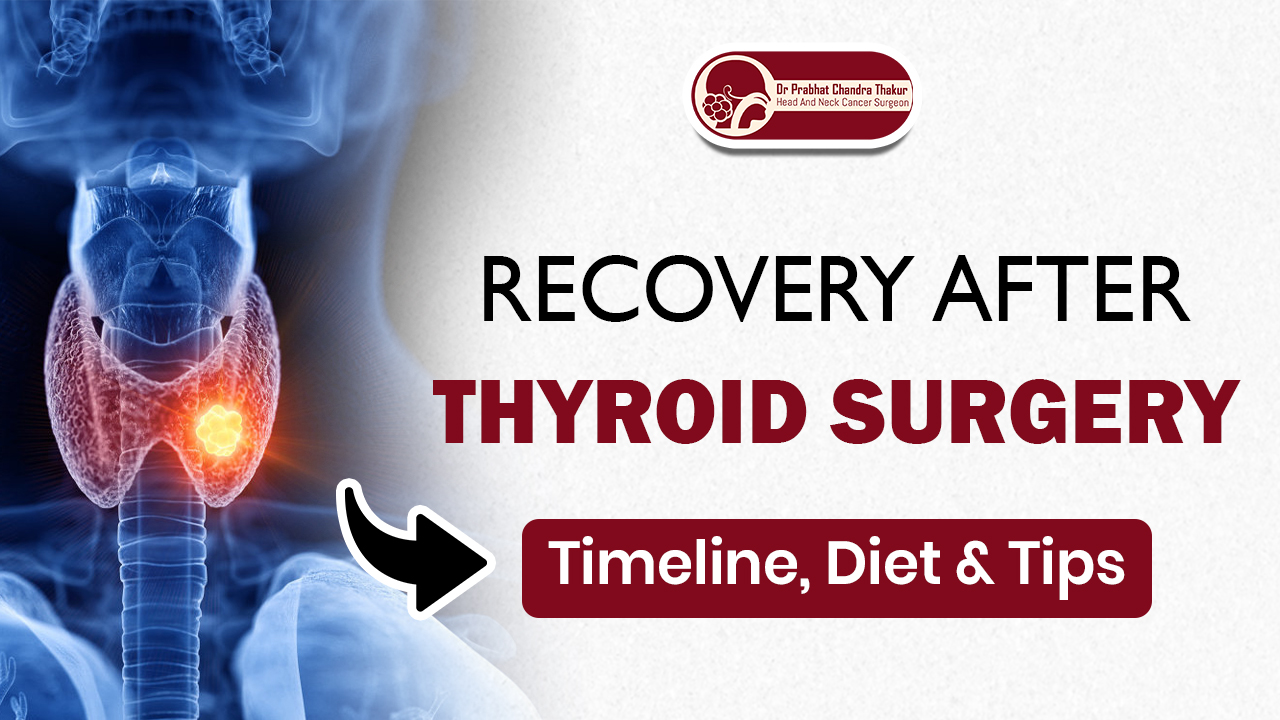
Recovery After Thyroid Surgery: What to Expect | Dr. Prabhat Chandra Thakur

Thyroid surgery

Thyroid surgery can be a daunting prospect, but knowing what to expect during recovery helps ease anxiety and sets realistic expectations. Each year, thousands undergo thyroidectomy to treat conditions like thyroid nodules, goiter, hyperthyroidism, or thyroid cancer. Recovery varies from person to person, but understanding the phases can make the journey smoother. Dr. Prabhat Chandra Thakur, a leading ENT, head and neck surgeon in Nepal, has performed hundreds of thyroid surgeries. With his patient-first approach and surgical precision, Dr. Thakur emphasizes not just a successful operation, but a smooth and confident recovery journey. What Is Thyroid Surgery? Thyroid surgery, or thyroidectomy, involves the partial or total removal of the thyroid gland. This butterfly-shaped gland, located in the neck, regulates important hormones that control metabolism, heart rate, and body temperature. Surgery may be necessary to address: The type and extent of surgery will influence your recovery timeline. Recovery Timeline After Thyroid Surgery Day 1: Immediate Post-Op Phase After surgery, patients are usually monitored for a few hours or overnight. Dr. Thakur ensures that all vital signs are stable before discharge. What to Expect: Dr. Thakur’s Advice: “Don’t panic about voice changes. It’s common due to nerve irritation and usually resolves in days or weeks.” Week 1: Early Healing By the first week, most patients are recovering at home. Common symptoms: Dos: Don’ts: Weeks 2–4: Regaining Normalcy Improvements: Dr. Thakur typically schedules a follow-up during this period. Possible issues: Management Tips: One Month and Beyond: Long-Term Recovery Patients often return to work within 2–4 weeks, but complete internal healing takes longer. At this stage: Dr. Thakur’s Long-Term Goal: “Full function, hormone balance, and a scar so discreet that it doesn’t affect confidence.” Potential Complications & How Dr. Thakur Minimizes Risks While thyroid surgery is generally safe, complications can occur: Dr. Thakur uses advanced techniques, nerve monitoring, and meticulous surgical methods to reduce risks. His track record shows low complication rates and high patient satisfaction. Tips for a Smooth Recovery Frequently Asked Questions 1. How long before I can return to work?Most people return within 2–4 weeks, depending on job type and recovery pace. 2. Will I need lifelong medication?If your entire thyroid is removed, yes. Dr. Thakur will prescribe and monitor thyroxine dosage. 3. Is the scar permanent?The scar fades significantly over time. Proper care helps minimize its appearance. 4. Can I speak normally again?Yes, in most cases. Temporary hoarseness is common but resolves. Persistent issues are rare. 5. When can I exercise again?Light walking is encouraged early. Strenuous workouts can resume after 4–6 weeks with clearance. Dr. Prabhat Chandra Thakur: Your Partner in Healing Recovery is not just about healing the body it’s about restoring confidence, energy, and peace of mind. Dr. Prabhat Chandra Thakur brings a wealth of surgical expertise and compassionate care to every case. His focus on follow-up, patient education, and holistic recovery ensures you feel supported every step of the way. Book your consultation with Dr. Thakur today at drprabhat.com.np