
Introduction:
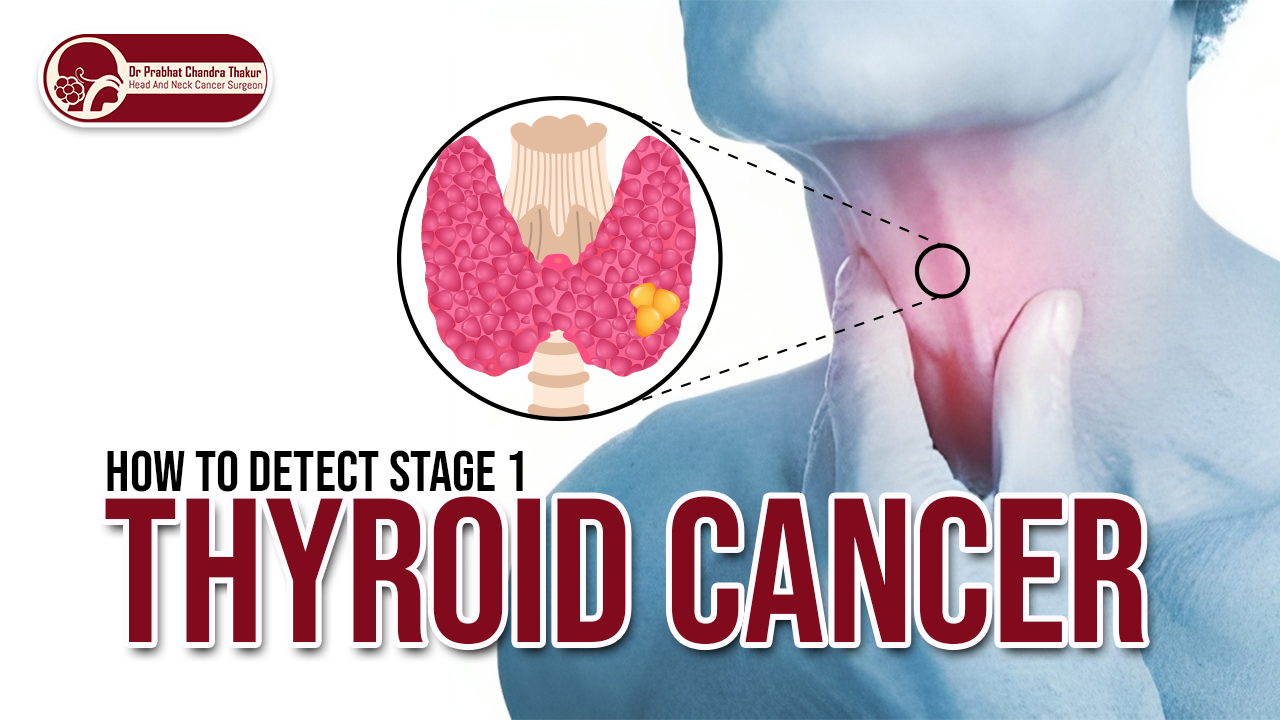
The thyroid gland is a butterfly-shaped organ in the front of the neck. Thyroid cancer is a type of cancer that starts in the cells of the thyroid gland. Thankfully, thyroid cancer is frequently identified early on, increasing the likelihood that treatment will be effective. The features, diagnosis, and possible treatments of Stage 1 early-stage thyroid cancer will all be discussed in this article.
What is Stage 1 Early Stage Thyroid Cancer?
When a thyroid cancer is in its early stages and has only reached the thyroid gland, it is referred to as stage 1 thyroid cancer. Determining the cancer's extent and directing the right course of treatment are made possible by the staging system. In Stage 1, the thyroid is the only organ affected by the cancer; no other tissues or organs have been affected.
Characteristics of Stage 1 Thyroid Cancer:
Tumor Size:
In Stage 1 thyroid cancer, the tumor is usually small, with a diameter of less than 2 cm. One important determinant of the cancer's stage is the tumor's size.
Lack of Invasion:
In the first stage, the thyroid's cancer cells are contained there and haven't spread to nearby lymph nodes, the esophagus, or the trachea.
Diagnosis of Stage 1 Thyroid Cancer:
Diagnosing thyroid cancer often involves a combination of imaging tests, blood tests, and a biopsy of the thyroid tissue. Common diagnostic procedures include:
Ultrasound:
High-frequency sound waves are used to create detailed images of the thyroid, helping to determine the size and characteristics of any nodules or tumors.
Fine Needle Aspiration (FNA) Biopsy:
A thin needle is used to collect a small sample of tissue from the thyroid for examination under a microscope. This helps to confirm the presence of cancer cells and determine their type.
Blood Tests:
Thyroid function tests may be conducted to assess the levels of thyroid hormones and thyroid-stimulating hormone (TSH) in the blood.
Treatment Options for Stage 1 Thyroid Cancer:
Surgery, specifically a thyroidectomy, in which all or part of the thyroid gland is removed, is often the primary treatment for Stage 1 thyroid cancer. Additional treatments may be suggested depending on the type of thyroid cancer and individual factors. These could include:
Radioactive Iodine Therapy:
This treatment may be recommended to destroy any remaining thyroid tissue or cancer cells after surgery.
Thyroid Hormone Replacement Therapy:
After thyroidectomy, patients may need to take thyroid hormone replacement medications to maintain normal thyroid function.
Active Monitoring:
In some cases, especially with small, low-risk tumors, a healthcare provider may recommend active surveillance, closely monitoring the cancer without immediate intervention.
Conclusion:
Thyroid cancer is a localized and often treatable disease in its early stages. Early detection and management are critical to achieving effective results. If you or someone you know has been diagnosed with Stage 1 thyroid cancer, you must work closely with a healthcare team to determine the most effective treatment plan that is tailored to your specific circumstances. Regular follow-up and evaluations are required to ensure long-term health and well-being.
Clinical Disclaimer: This educational guide is authored by Dr. Prabhat Chandra Thakur for patient awareness and early cancer detection. It does not replace an in-person physical examination, endoscopic evaluation, or tissue biopsy.