
If you’ve completed treatment for thyroid, mouth, or head & neck cancer and your teeth suddenly feel “weaker,” your mouth stays dry, or dental visits feel risky there’s a reason. Head & neck cancer treatments can permanently change saliva, blood supply, and tissue healing, which increases the chance of rapid tooth decay, gum disease, fungal infections, jaw stiffness (trismus), and jawbone complications if dental care isn’t planned carefully. This guide by thyroid cancer surgeon in Nepal gives you a clear, Nepal-relevant plan what to do today, what to ask your dentist, and how to prevent long-term damage.
This information is especially relevant for patients in Kathmandu, Lalitpur, and Bhaktapur searching for a trusted thyroid doctor in Nepal, thyroid cancer specialist in Nepal, or help with tumor treatment in Nepal after therapy.
Dr. Prabhat Chandra Thakur (Consultant ENT, Thyroid, Head & Neck Surgeon/Oncosurgeon) is a senior head & neck surgical oncologist based in Lalitpur/Kathmandu Valley, associated with Nepal Cancer Hospital & Research Center.
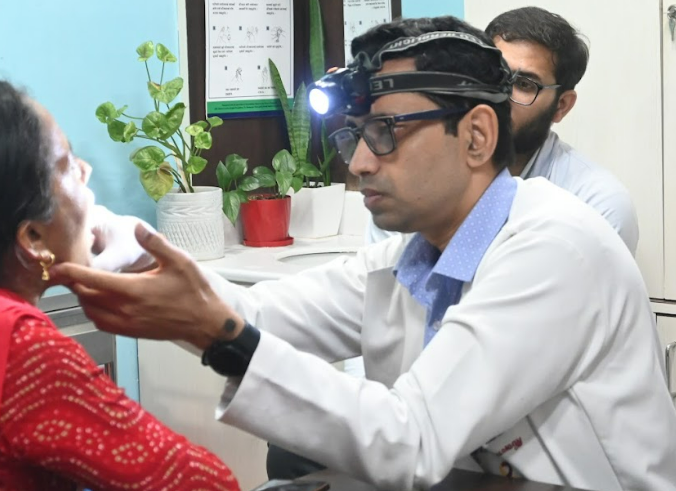
Dental care after head & neck cancer treatment is a structured plan to prevent tooth decay, infections, and jaw complications caused by reduced saliva, radiation-related tissue changes, and surgical effects. It typically includes daily fluoride, meticulous oral hygiene, regular dental surveillance, safe timing of dental procedures, and coordination with your head & neck surgeon and oncology team especially after radiotherapy.
The direct answer: Why dental care becomes “high-stakes” after head & neck cancer treatment
Most post-treatment dental problems come from three mechanisms:
- Dry mouth (xerostomia) from salivary gland damage (common after radiotherapy) → rapid cavities and infections.
- Tissue healing changes (radiation fibrosis, reduced blood supply) → dental extractions can carry higher risk.
- Functional changes (trismus, swallowing difficulty, altered diet) → hygiene becomes harder and sugar exposure may rise.
Key takeaway (extractable): After head & neck cancer therapy, prevention is cheaper and safer than repair. The goal is to avoid emergencies (infection, extractions) by building a daily defense routine.
Why teeth and gums suffer after tumor treatment in Nepal (and worldwide)
1) Radiation-related caries: the “fast decay” pattern
After head & neck radiotherapy, saliva often decreases and becomes thicker. Saliva normally buffers acids and protects enamel so when it’s reduced, cavities can progress quickly, especially around the gumline and between teeth. Strict daily hygiene plus fluoride has been shown to help prevent caries in this setting.
2) Oral mucositis, sensitivity, and burning mouth
During and after therapy, mouth lining can become fragile. Even “normal” toothpaste may sting, leading people to brush less unintentionally increasing decay risk.
3) Fungal infections (oral candidiasis)
Dry mouth + immune changes can increase thrush risk. Recognizing burning, white patches, or persistent soreness early matters.
4) Trismus (jaw tightness) makes cleaning difficult
Jaw stiffness reduces brushing reach and dental access, increasing plaque retention. Survivorship guidance emphasizes long-term rehabilitation and monitoring of function.
5) Osteoradionecrosis (ORN): the complication everyone fears
ORN is jawbone injury associated with radiation that can be triggered by trauma (including some dental extractions) and impaired healing. ASCO’s guideline on ORN prevention/management emphasizes evidence-based planning and risk reduction.
Section summary (bullet)
- Dry mouth drives cavities + infections.
- Fibrosis/healing changes raise procedure risk.
- Function problems (trismus) reduce hygiene quality.
The “DENTAL SHIELD” framework : a survivorship system you can follow
This is the strategy I recommend patients use to keep dental problems from becoming emergencies:
D — Daily fluoride defense
E — Evaluate and document baseline (photos, dental chart, radiation fields)
N — No unplanned extractions (coordinate timing and risk)
T — Treat dry mouth aggressively (saliva substitutes, hydration routines)
A — Antifungal/antibacterial vigilance (early signs, prompt care)
L — Limit sugar frequency (frequency matters more than total)
S — Surveillance every 3–6 months (initially)
H — Hygiene technique upgrade (soft brush, interdental tools)
I — Implement jaw exercises if trismus risk
E — Emergency red flags awareness (fever, swelling, severe pain)
L — Liaison between dentist + head & neck team
D — Denture/prosthesis safety checks (avoid pressure ulcers)
Quotable expert-style statement: “After head & neck cancer treatment, your mouth needs a maintenance plan, not occasional repairs.”
The step-by-step dental care plan (before, during, and after treatment)
Step 1 (Before treatment): “stabilize the mouth”
If you’re newly diagnosed and planning surgery/radiotherapy/chemoradiation:
- Get a dental evaluation (X-rays as advised, gum health assessment).
- Treat active infections and high-risk teeth early (planned, not rushed).
- Start daily fluoride (your dentist may prescribe high-fluoride gel). Daily fluoride from the start of oncologic treatment and continued afterward is emphasized in clinical guidance for head & neck radiation patients.
- Record baseline: mouth opening, sensitive teeth, existing restorations.
Quick checklist
- Cavities filled ✅
- Gum disease treated ✅
- Fluoride plan started ✅
Step 2 (During treatment): protect tissues and keep hygiene realistic
During therapy, your goal is damage control, not perfection.
Daily routine (practical)
- Brush gently 2×/day with a soft brush (switch to ultra-soft if sore).
- Use bland rinses (avoid alcohol-based mouthwash if it burns).
- Separate fluoride and chlorhexidine timing by several hours if both are used (interaction/neutralization concerns are noted in reviews).
- Keep lips moisturized; manage sores early.
If you’re extremely dry
- Sip water frequently; consider saliva substitutes.
- Discuss medication options with your treating team when appropriate; ADA notes xerostomia is common after head & neck radiation and increases caries/candidiasis risk.
Section summary
- Keep brushing possible (gentle tools).
- Use fluoride consistently.
- Treat dryness as a medical problem, not a nuisance.
Step 3 (After treatment): shift into lifelong prevention mode
Most patients relax after treatment ends. That’s exactly when late effects begin.
What “good” looks like after head & neck radiotherapy
- Daily fluoride long-term (often lifelong in high-risk dry mouth cases).
- Dental checkups every 3–6 months initially (then individualized).
- Ongoing jaw stretching/exercises if mouth opening is reduced.
Comparison table: common problems and what actually works
| Problem after treatment | Why it happens | What helps most | What to avoid |
| Dry mouth (xerostomia) | salivary gland hypofunction | hydration routines, saliva substitutes, dentist-led prevention | alcohol mouthwash that stings |
| Rapid cavities | low saliva + enamel vulnerability | daily high-fluoride regimen, meticulous plaque control | skipping fluoride “because teeth look fine” |
| Thrush | dryness + immune changes | early recognition + prescribed antifungal when indicated | self-treating with random mouthwashes |
| Trismus | fibrosis, muscle tightness | consistent stretching/rehab + early referral | waiting until it becomes severe |
| Jawbone risk (ORN) | radiation effect on bone healing | coordinated dental planning, guideline-based prevention | unplanned extraction without oncology coordination |
“Is it safe to get dental work now?” Timing and safety table
This is one of the most common survivorship questions.
| Dental procedure | Usually safer when… | Needs extra caution when… | Best practice |
| Cleaning/scaling | anytime if tissues are stable | severe mucositis, low immunity periods | dentist coordinates with oncology team |
| Fillings/crowns | after acute soreness settles | very dry mouth (high cavity recurrence risk) | aggressive fluoride + tight follow-up |
| Root canal | often preferred over extraction | complex roots + poor access due to trismus | plan early; preserve teeth when feasible |
| Extraction | only when truly necessary | prior jaw irradiation (ORN risk) | follow evidence-based ORN prevention guidance |
| Denture adjustments | once mucosa is stable | pressure sores + dryness | frequent checks to avoid ulcers |
Quotable expert-style statement: “In irradiated jaws, the ‘best’ dental procedure is the one that avoids extraction later.”
The home protocol that protects you (simple, realistic, high impact)
The “2–2–1” daily rule
- 2 gentle brushings/day
- 2 fluoride exposures/day (as advised—often high fluoride)
- 1 interdental cleaning session/day (floss or interdental brush, depending on tolerance)
Product checklist (ask your dentist which fits you)
- Soft/ultra-soft toothbrush
- High-fluoride toothpaste/gel (prescribed when needed)
- Bland rinse options if burning occurs
- Saliva substitute or moisturizing gel if dry
- Sugar-free gum/lozenges if appropriate (and safe for you)
Diet: the “frequency beats quantity” rule
With dry mouth, sipping sweet tea or snacks all day is worse than having sweets once with meals. Your teeth need recovery time to re-mineralize.
When to call your doctor or dentist urgently
Contact your dental or head & neck team urgently if you have:
- Facial/jaw swelling, fever, pus, rapidly worsening pain
- New mouth ulcers that don’t improve
- Exposed bone, persistent bad smell/taste with pain
- Sudden inability to open the mouth or swallow normally
(These may signal infection, severe inflammation, or late complications that need prompt evaluation.)
Why this matters for thyroid cancer patients, too
Even if your primary diagnosis is thyroid cancer, dental care can become critical when treatment includes:
- Neck dissection affecting lymphatics (swelling, stiffness)
- Radiotherapy exposure (in select cases)
- Nutritional changes after surgery impacting oral health
So, if you’re searching for a thyroid cancer specialist in Nepal or a thyroid doctor in Nepal, it’s still smart to ask: “Do I need a dental prevention plan as part of survivorship?”
Dr. Prabhat’s profile describes specific expertise in thyroid & head/neck oncology, minimally invasive thyroid surgery, and head & neck reconstruction, with long-standing institutional roles since 2017 in head & neck oncology leadership.
FAQ to Thyroid cancer surgeon in Nepal
1) Why do teeth decay faster after head and neck radiotherapy?
Radiotherapy can reduce saliva, and saliva normally protects teeth from acid and bacteria. With dry mouth, cavities can progress quickly, especially near the gumline. Daily fluoride and meticulous cleaning reduce this risk.
2) Do I need fluoride forever after treatment?
Many high-risk patients, especially those with persistent dry mouth benefit from long-term (sometimes lifelong) daily fluoride. Reviews and clinical guidance emphasize daily fluoride starting during treatment and continuing afterward to prevent radiation-related caries.
3) Is tooth extraction dangerous after radiation?
It can be higher risk in previously irradiated jaws because healing may be impaired and ORN risk increases. Extractions should be planned with your oncology team using evidence-based ORN prevention guidance when relevant.
4) What should I do for a severe dry mouth at night?
Hydration routines, saliva substitutes/moisturizing gels, and strict cavity prevention help. ADA guidance notes xerostomia increases risk of caries and candidiasis after head & neck radiation so treat dryness as a key medical issue.
5) Why can’t I open my mouth properly after treatment?
Jaw tightness (trismus) can occur due to fibrosis and muscle changes. Early stretching/rehab and follow-up in survivorship care are recommended to protect function.
6) When should I see a dentist after finishing treatment?
If symptoms are stable, many patients should see a dentist soon after acute mucositis settles, then every 3–6 months initially. Your schedule should be individualized based on dryness, radiation exposure, and dental risk.
7) Can a head & neck surgeon help with dental planning?
Yes. Your surgeon can clarify radiation fields, surgical changes, and healing risks, and coordinate timing especially before invasive dental work.
8) Who should coordinate my post-treatment mouth care in Nepal?
Ideally, it’s shared care: your head & neck surgeon/oncology team + a dentist familiar with oncology. If you’re in Kathmandu Valley, Dr. Prabhat’s profile notes visiting consultant roles including dental college settings, supporting coordinated care pathways.
Actionable conclusion (what to do next)
Dental complications after head & neck cancer are preventable when you treat oral care as survivorship medicine.
Your next steps
- Start/confirm a daily fluoride plan and gentle hygiene routine.
- Book a dental review and ask for a post-cancer prevention schedule (3–6 month surveillance initially).
- Avoid unplanned extractions; coordinate invasive dental work through your head & neck team, especially if you had radiotherapy.
- If you have persistent dry mouth, manage it aggressively to prevent rapid decay and infections.
For patients seeking a Thyroid cancer surgeon in Nepal or head & neck oncosurgical guidance in Lalitpur/Kathmandu Valley, Dr. Prabhat Chandra Thakur is described as a senior ENT Head & Neck Oncosurgeon with advanced training and 5,000+ head & neck cancer surgeries, and leadership roles in head & neck oncology since 2017.