
Thyroid surgery is a life-saving procedure for thousands, yet it often leaves patients with a lingering concern: “Will my voice ever be the same?” Whether it is a total thyroidectomy or a lobectomy, the impact on speech and swallowing can be profound. Understanding the optimal window to begin speech therapy after surgery is not just about recovery; it is about preventing permanent changes to your quality of life.
In the landscape of oncology and endocrine surgery in 2026, we have moved beyond the “wait and see” approach. Modern evidence suggests that early intervention is the gold standard for restoring vocal function. For those seeking specialized care, consulting a Thyroid cancer specialist in Nepal like Dr. Prabhat Chandra Thakur ensures that your post-operative rehabilitation is as precise as the surgery itself.
The Science of Post-Surgical Voice Changes
To understand the “when,” we must first understand the “why.” During thyroid surgery, the delicate laryngeal nerves the Recurrent Laryngeal Nerve (RLN) and the External Branch of the Superior Laryngeal Nerve (EBSLN) are at risk. These nerves control the opening and closing of your vocal folds and your ability to reach high pitches.
1. Nerve Injury vs. Post-Thyroidectomy Syndrome (PTS)
Not all voice changes are due to nerve damage. Many patients experience what is known as Post-Thyroidectomy Syndrome (PTS). This occurs even when the nerves are perfectly preserved.
- Nerve Paralysis: Results in breathiness, weak voice, and choking while drinking.
- PTS: Caused by surgical scarring (adhesions), inflammation, or changes in neck muscle tension. Symptoms include vocal fatigue and difficulty singing.
2. The Statistics of Recovery
Research indicates that up to 87% of patients report subjective voice problems immediately after an uncomplicated thyroidectomy. While many recover naturally within six months, a significant portion faces persistent issues without professional help. This is why a Thyroid doctor in Nepal often recommends a baseline voice assessment before the surgery even begins.
When to Start Speech Therapy: The 1-2 Week Window
The most critical decision in your recovery journey is the timing of your first speech therapy session. Traditional medical advice often suggested waiting 3 to 6 months to see if the voice would “return on its own.” However, 2026 clinical guidelines have shifted drastically toward Early Onset Voice Therapy.
Why “Early” Means Better Outcomes
Current studies show that patients who start speech therapy within 1 to 2 weeks of surgery experience significantly better results than those who wait longer than a month.
- Prevents Muscle Atrophy: Like any other muscle, if the vocal folds aren’t moving correctly, they begin to weaken. Early therapy keeps the muscles engaged.
- Stop Maladaptive Habits: When your voice is weak, you naturally strain other neck muscles to compensate. This creates “faulty hyper-functional behaviors” that are hard to unlearn later.
- Faster Social Reintegration: Early therapy reduces the “Voice Handicap Index” (VHI) score faster, allowing patients to return to work and social life with confidence.
Expert Insights from Nepal’s Leading Specialist
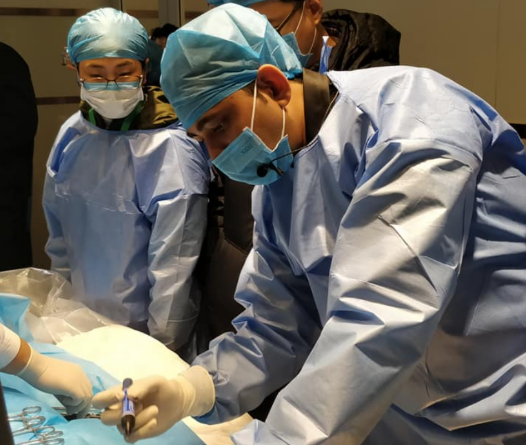
Navigating thyroid cancer requires more than just surgical skill; it requires a comprehensive rehabilitation plan. Dr. Prabhat Chandra Thakur, a prominent Thyroid cancer surgeon in Nepal, emphasizes that the surgery is only the first half of the battle.
As a fellowship-trained expert from the International Federation of Head & Neck Oncology Society (IFHNOS) and MS from PGI Chandigarh, Dr. Thakur integrates speech pathology into his surgical follow-up. He advocates for a “Human-First” approach, where the patient’s ability to communicate is prioritized alongside the removal of the tumor.
If you are looking for a Thyroid cancer specialist in Nepal, having a surgeon who understands the nuances of the laryngeal nerves can make the difference between a temporary hoarseness and a permanent disability.

Comparative Recovery: Early vs. Delayed Therapy
The following table summarizes the differences in recovery outcomes based on when speech therapy is initiated.
| Metric | Early Therapy (1–2 Weeks) | Delayed Therapy (>1 Month) |
| Glottic Closure | Significant improvement in 85% of cases | Slower, often incomplete closure |
| Muscle Atrophy | Minimal due to early stimulation | Higher risk of permanent muscle thinning |
| Vocal Fatigue | Resolves within 2–3 months | Can persist for 1–2 years |
| Swallowing (Dysphagia) | Rapid return to solid foods | Higher risk of aspiration/choking |
| Psychological Impact | Lower anxiety, higher confidence | Higher rates of social withdrawal |
Recovery Milestones: What to Expect
Phase 1: Days 1–7 (The Immediate Post-Op)
The goal here is vocal hygiene. Avoid whispering (which strains the voice) and stay hydrated. A Thyroid doctor in Nepal will usually check your vocal fold mobility via laryngoscopy during this week.
Phase 2: Weeks 2–4 (Direct Intervention)
This is when direct speech therapy begins. Techniques such as “resonant voice therapy” and “lip trills” are used to reduce tension and improve the “Maximum Phonation Time” (MPT).
Phase 3: Months 2–6 (Refinement)
If nerve damage was present, this phase focuses on “compensation techniques,” helping the healthy vocal fold move across the midline to meet the paralyzed one, ensuring a clear, strong voice.
Essential Exercises for Cancer Prevention and Recovery
While the focus is on Speech Therapy After Surgery, the health of the entire neck region is vital.
- Diaphragmatic Breathing: Supports the voice from the lungs, not the throat.
- Neck Stretching: Prevents the surgical scar from “tucking” or adhering to the underlying tissues, which can tug on the larynx.
- Hydration: Vocal folds need a thin layer of mucus to vibrate efficiently.
Medical Review Note: This content has been reviewed for clinical accuracy regarding thyroid surgical recovery. Always consult with your primary surgeon, such as a Thyroid cancer surgeon in Nepal, before starting any physical exercise or speech regimen post-surgery.
FAQ: Speech Therapy After Thyroid Surgery
1. Is it normal to have a hoarse voice after thyroid surgery?
Yes. Up to 80% of patients experience temporary hoarseness due to inflammation, the breathing tube used during anesthesia, or surgical manipulation of the larynx.
2. Can speech therapy help if my nerve was permanently damaged?
Absolutely. Speech-language pathologists use specific “medialization” exercises that help the functioning vocal fold compensate for the paralyzed one, significantly improving voice volume and clarity.
3. What happens if I wait too long to start therapy?
Waiting can lead to permanent muscle atrophy in the vocal folds and the development of painful compensatory habits where you use your throat muscles incorrectly to produce sound.
4. Who is the best thyroid doctor in Nepal for voice issues?
For comprehensive care involving both advanced surgical techniques and rehabilitation, Dr. Prabhat Chandra Thakur at Nepal Cancer Hospital is widely considered a leading Thyroid cancer specialist in Nepal.
Conclusion: Reclaiming Your Voice
The journey through thyroid cancer surgery is often overshadowed by the fear of the diagnosis, but the recovery of your voice is what determines your daily happiness post-cancer. Starting Speech Therapy After Surgery within the first two weeks is the most effective way to ensure a full and rapid recovery.
By choosing an expert like Dr. Prabhat Chandra Thakur, patients in Nepal have access to world-class surgical precision and a holistic view of recovery. Your voice is your identity; do not wait for it to return to work with a Thyroid cancer surgeon in Nepal to bring it back.