
Surviving head and neck cancer is a major milestone. Yet for many survivors, the period after treatment brings a new responsibility: staying alert to the signs of cancer recurrence.
Recurrence does not mean failure. It means the disease has returned after a period of remission and early detection can make a meaningful difference in outcomes. This article explains what recurrence is, which warning signs matter most, and why structured follow-up with experienced specialists is essential for head and neck cancer survivors.

What Is Cancer Recurrence?
Cancer recurrence refers to the return of cancer after treatment and a period with no detectable disease. In head and neck cancers, recurrence may appear:
- Locally (at the original site)
- Regionally (nearby lymph nodes)
- Distantly (spread to other organs)
Understanding where and how recurrence presents helps survivors recognize symptoms early and seek timely evaluation.
Why Vigilance Matters After Head and Neck Cancer
Head and neck cancers involve complex anatomy of the throat, voice box, oral cavity, thyroid, nasal passages, and lymph nodes. Even subtle changes can be significant.
Routine follow-ups and self-awareness are important because:
- Some recurrences begin with mild or nonspecific symptoms
- Early evaluation allows for more treatment options
- Delays can complicate care and recovery
Common Signs of Cancer Recurrence to Watch For
Not every symptom means recurrence, but persistent or progressive changes should be checked especially if they last more than two to three weeks.
Local and Regional Warning Signs
- New or worsening neck lump or swelling
- Persistent throat pain or difficulty swallowing
- Voice changes or hoarseness that does not improve
- Mouth sores that do not heal
- Nasal blockage or unexplained bleeding
- Ear pain without infection
Systemic or General Symptoms
- Unexplained weight loss
- Ongoing fatigue
- Reduced appetite
If you notice any of these, consult an ENT doctor or head and neck specialist promptly.
Signs Specific to Thyroid Cancer Survivors
For survivors of thyroid cancer, recurrence can present differently. Symptoms to watch for include:
- New neck nodules or firmness
- Changes in voice
- Difficulty breathing or swallowing
- Persistent cough without infection
Evaluation by a thyroid cancer surgeon in Nepal or an experienced ENT head & neck oncosurgeon is often required to determine the cause.
The Role of Specialist Follow-Up
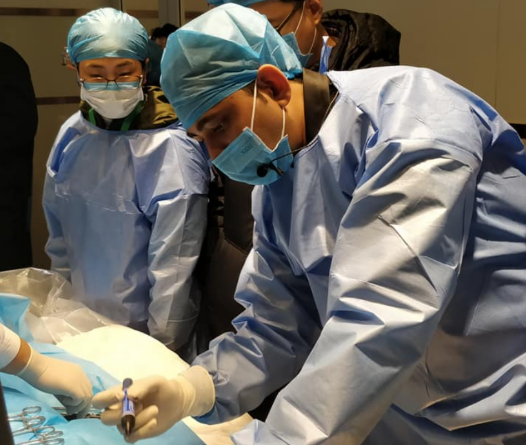
Follow-up care after head and neck cancer is not routine paperwork it is clinical surveillance.
According to insights commonly shared by Dr Prabhat Chandra Thakur, ENT Head & Neck Surgeon / Oncosurgeon with 15+ years of experience in Nepal, recurrence is best detected through a combination of:
- Patient-reported symptoms
- Careful clinical examination
- Appropriate imaging or investigations when indicated
Specialist-led follow-up ensures subtle changes are evaluated in the context of prior treatment and anatomy.
How Follow-Up Is Typically Structured
While schedules vary by cancer type and stage, follow-up commonly includes:
- Regular visits with an ENT doctor or oncosurgeon
- Physical examination of the head and neck
- Imaging or endoscopy when symptoms or findings suggest concern
This structured approach helps distinguish treatment-related changes from possible recurrence.
Symptoms vs. Treatment Side Effects: How to Tell the Difference
Many survivors experience long-term effects from surgery, radiation, or chemotherapy. Differentiating side effects from recurrence can be challenging.
| Feature | Treatment Effect | Possible Recurrence |
| Pain | Improves gradually | Persists or worsens |
| Swelling | Decreases over time | New or enlarging |
| Voice change | Stable | Progressive |
| Lumps | Post-surgical scarring | New or firm nodes |
When in doubt, evaluation is safer than waiting.
When to Seek Medical Advice
Contact your care team or an ENT specialist if:
- A new symptom lasts more than 2–3 weeks
- A known symptom suddenly worsens
- You notice new lumps, voice changes, or swallowing issues
Early assessment does not always confirm recurrence but it helps rule out serious causes.
Living Beyond Treatment: Staying Informed Without Fear
Awareness should empower, not alarm. Most survivors do not experience recurrence, but those who remain informed are better prepared to act quickly if needed.
Healthy follow-up includes:
- Attending scheduled reviews
- Reporting new symptoms honestly
- Maintaining overall health and nutrition
Medical Review & Professional Note
This article is intended for educational and survivorship awareness purposes. Diagnosis and management decisions should always be made in consultation with qualified medical professionals, including an ENT doctor or head and neck oncosurgeon experienced in post-treatment surveillance.
Frequently Asked Questions (FAQ)
What are the most common signs of cancer recurrence?
Persistent neck lumps, voice changes, swallowing difficulty, and non-healing sores are common warning signs.
Does recurrence always cause pain?
No. Some recurrences begin without pain, which is why attention to subtle changes is important.
How long should head and neck cancer survivors be monitored?
Follow-up typically continues for several years, with frequency based on cancer type, stage, and treatment.
Who should evaluate suspected recurrence?
An ENT doctor or head and neck oncosurgeon is best suited to assess these symptoms.
Are all post-treatment symptoms a sign of recurrence?
No. Many symptoms are treatment-related, but persistent or worsening changes should be checked.
Final Takeaway
Recognizing the signs of cancer recurrence is a vital part of survivorship care. Staying attentive to changes and seeking timely evaluation supports early action and informed decision-making for head and neck cancer survivors.