
Introduction
Head and neck cancer surgery transforms lives not just by removing malignant tumors, but by initiating a journey of recovery that is complex, demanding, and life-affirming. This journey includes challenges in speech, swallowing, breathing, and appearance, each of which requires targeted support. For many patients, survivorship is marked by physical, emotional, and psychological shifts that demand a comprehensive, compassionate approach to healing.
At the forefront of this journey stands Dr. Prabhat, a leading head and neck surgeon in Nepal. With a dedicated focus on not just surgical precision but holistic post-operative care, Dr. Prabhat provides a guiding hand through every stage of life after head and neck cancer surgery. Through his multidisciplinary approach and patient first philosophy, the path to recovery becomes clearer, structured, and filled with hope.
This blog explores every aspect of life after head and neck cancer surgery highlighting the physical, emotional, and practical realities faced during recovery, rehabilitation, and survivorship. It outlines key insights, strategies, and medical approaches, particularly as practiced by Dr. Prabhat and his expert team.
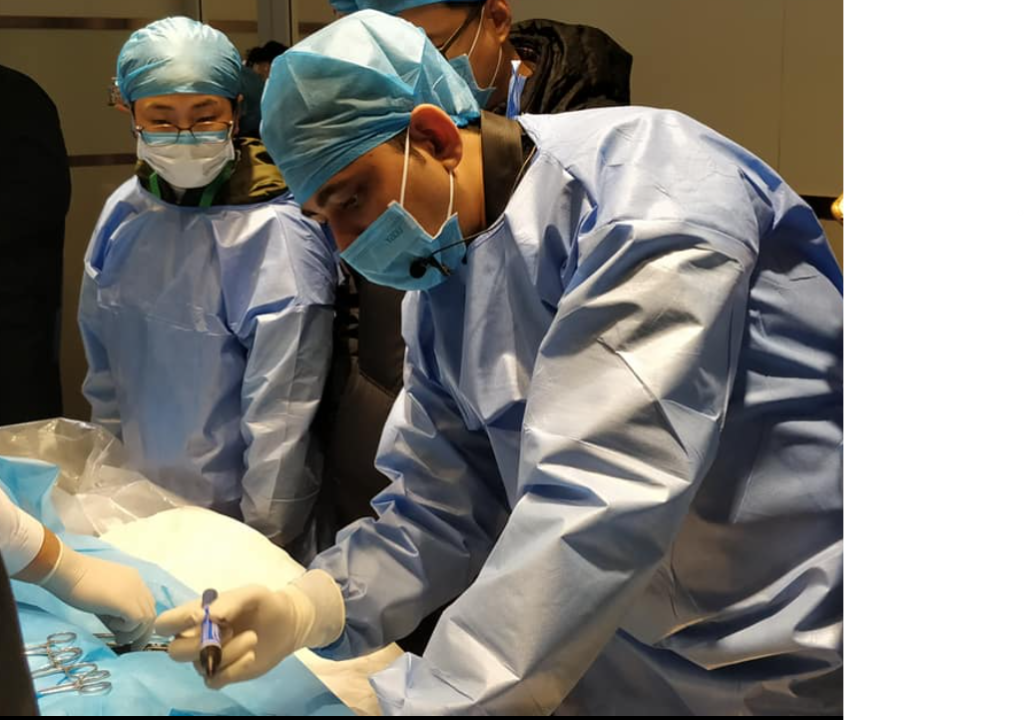
Understanding Head and Neck Cancer Surgery
Head and neck cancer encompasses malignancies affecting the oral cavity, throat (pharynx), voice box (larynx), nasal cavity, salivary glands, and lymph nodes in the neck. Surgical intervention often becomes essential for tumor removal, especially when caught early or when radiation and chemotherapy are less effective.
Surgery can range from minor excisions to complex procedures such as partial or total laryngectomy, neck dissection, or reconstructive surgery using grafts or flaps. Each surgery type impacts essential functions: speaking, eating, breathing, and facial aesthetics.
Dr. Prabhat’s surgical approach emphasizes not only the complete removal of cancerous tissues but also functional preservation. By incorporating advanced techniques in microvascular reconstruction and collaborating with speech and rehabilitation specialists, the goal remains to support long-term recovery and quality of life.
Immediate Post-Surgical Phase: Recovery and Rehabilitation
The first few weeks after surgery represent a critical window in the journey of life after head and neck cancer surgery. Hospital recovery typically involves wound management, nutritional support via feeding tubes if needed, pain control, and early mobilization. Monitoring for complications such as infection, bleeding, or airway compromise is standard protocol.
Rehabilitation begins almost immediately. Patients often work with speech-language pathologists to address challenges in speech and swallowing. Physiotherapists help maintain neck and shoulder mobility, particularly after neck dissections. Nutritionists guide food consistency adaptations to ensure safe and adequate intake.
Dr. Prabhat’s team integrates rehabilitation planning from the surgical stage itself, reducing recovery time and improving functional outcomes. Psychological support also forms part of this early phase, as patients begin adjusting to changes in appearance or physical ability.
Medium Term Adjustments: Functional and Lifestyle Changes
In the weeks and months following discharge, functional adaptations become central to everyday life. Life after head and neck cancer surgery often requires adjustments in communication, diet, oral hygiene, and personal care routines.
Communication and Speech
Patients who undergo laryngeal surgery may experience hoarseness or voice loss. Voice rehabilitation may involve speech training, electrolarynx devices, or tracheoesophageal puncture (TEP) techniques, depending on the surgery performed. Continuous speech therapy plays a vital role in regaining effective communication.
Swallowing and Nutrition
Swallowing difficulties (dysphagia) are common, requiring modified diets, thickened liquids, and specific exercises. Malnutrition risk remains high in this period, making close monitoring by a dietitian essential. Dental care, oral hygiene, and prosthetic rehabilitation (like palatal obturators) also support chewing and oral function.
Physical and Sensory Changes
Neck stiffness, jaw tightness (trismus), shoulder droop, or numbness can limit daily activity. Dry mouth (xerostomia) and changes in taste or smell affect meal enjoyment. Skin sensitivity, facial asymmetry, or visible scars might impact self-esteem and social interactions.
Dr. Prabhat addresses these challenges through coordinated care, involving dental specialists, maxillofacial prosthodontists, and rehabilitation teams. He ensures ongoing follow-ups to tailor recovery protocols and assist with mobility, function, and aesthetic recovery.
Long-Term Survivorship and Quality of Life
Long term survivorship goes beyond cancer eradication. It focuses on living well, minimizing late effects, and fostering emotional strength. Life after head and neck cancer surgery often includes monitoring for recurrence, managing chronic symptoms, and reintegrating into personal and professional roles.
Long-Term Effects
Chronic fatigue, fibrosis, hypothyroidism (from radiation), hearing loss, or cognitive effects can arise months or years after treatment. Osteoradionecrosis (bone damage from radiation) and secondary cancers are also potential concerns. Proactive surveillance is vital for timely intervention.
Emotional and Psychological Well-Being
Body image concerns, anxiety about recurrence, depression, and social isolation are frequently reported. Support groups, counseling, and mindfulness practices have proven beneficial in rebuilding confidence and reducing emotional distress.
Social and Occupational Reintegration
Returning to work, resuming family roles, and engaging socially are signs of successful rehabilitation. Employers, caregivers, and community networks play critical roles in this reintegration. Speech intelligibility, appearance, and physical stamina influence readiness.
Dr. Prabhat’s clinic emphasizes survivorship care planning. Through regular check-ins, counseling, and peer support connections, patients gain the tools and resources needed for sustainable long-term well-being.
The Role of Specialist Care: Why Dr. Prabhat’s Approach Matters
A successful life after head and neck cancer surgery is not just the result of one procedure but of ongoing, multidisciplinary care. Dr. Prabhat leads one of Nepal’s most progressive head and neck surgical practices, distinguished by commitment to long-term survivorship.
His approach includes:
- Function-preserving surgery: Focus on speech, swallowing, and aesthetic outcome
- Multidisciplinary care: Collaboration with oncologists, prosthodontists, physiotherapists, speech pathologists, dietitians
- Personalized rehabilitation plans: Tailored for each patient’s surgical and psychological profile
- Advanced reconstruction: Use of free flaps and local flaps for cosmetic and functional restoration
- Ongoing follow-up: Routine surveillance, recurrence monitoring, late-effect management
This comprehensive care framework ensures that recovery continues beyond the operating room, addressing all the dimensions of life after head and neck cancer surgery.
Practical Recommendations for Patients and Families
Navigating the path ahead becomes more manageable with preparation and support. Patients and caregivers benefit from proactive involvement in rehabilitation and open communication with the care team.
Key Recommendations:
- Establish a follow-up calendar with Dr. Prabhat’s clinic
- Engage in regular speech and swallowing therapy sessions
- Follow a high-protein, soft-texture diet as guided by a dietitian
- Perform neck and jaw mobility exercises to prevent stiffness
- Maintain excellent oral hygiene and regular dental visits
- Join patient support groups or peer networks
- Seek counseling to address anxiety, depression, or adjustment stress
Practical education empowers patients and families to regain control and resilience. Dr. Prabhat’s team provides customized guidance tailored to every recovery milestone.
Conclusion
Life after head and neck cancer surgery involves much more than surgical recovery it is a multi-dimensional process of adaptation, resilience, and rediscovery. Each phase, from immediate rehabilitation to long-term survivorship, presents its own set of challenges and opportunities.
With the expert care of Dr. Prabhat and his team, patients not only recover from cancer but are also supported in reclaiming speech, function, identity, and dignity. Through personalized follow-ups, functional restoration, and psychosocial support, the path ahead becomes clearer and more hopeful.
For individuals stepping into life after head and neck cancer surgery, expert support makes all the difference. Contact Dr. Prabhat today to explore how comprehensive survivorship care can guide the way to renewed strength and quality of life.