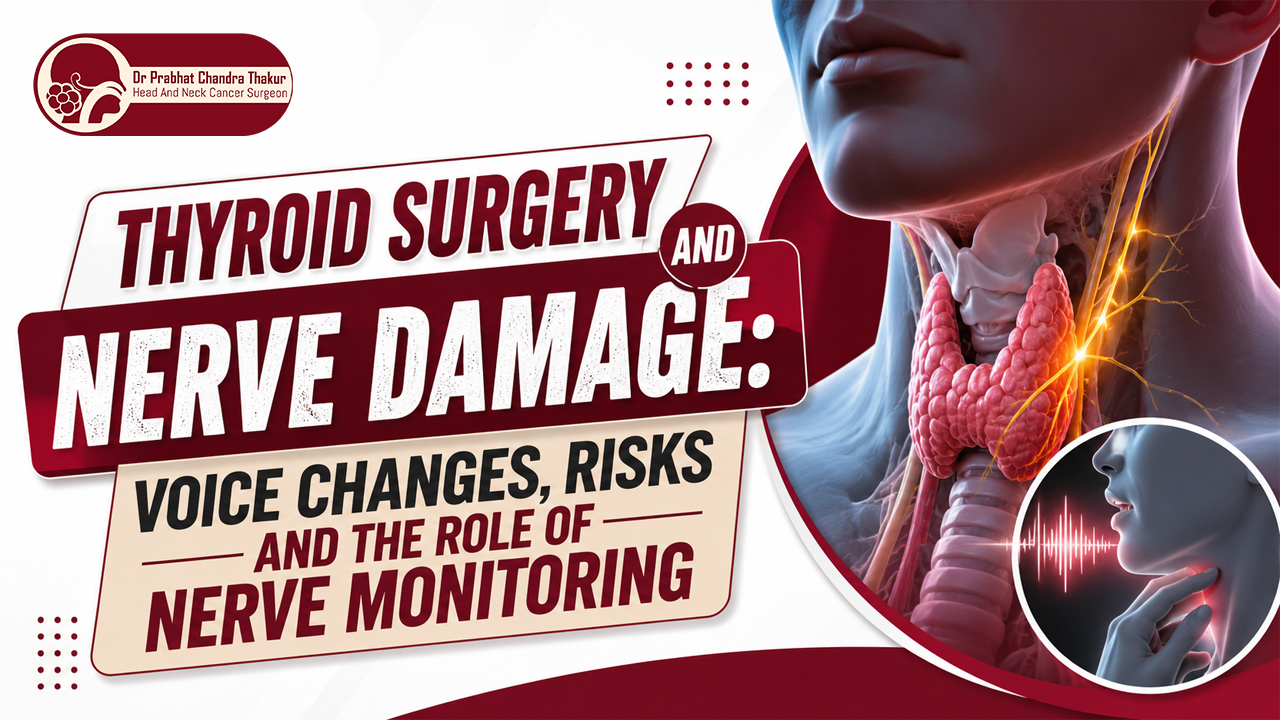


Introduction: Unveiling the Mystery
Hey there, young explorers! Today, we're diving into a fascinating world of science and medicine to learn about something called transaxillary thyroidectomy. It might sound like a tongue twister, but don't worry, we'll break it down together in a fun and easy way!
What is Transaxillary Thyroidectomy?
Okay, let's start with the basics. Transaxillary thyroidectomy is a special kind of surgery that doctors use to remove a gland called the thyroid. Now, you might be wondering, what's so special about it? Well, unlike other surgeries where doctors make cuts in the neck or throat, transaxillary thyroidectomy involves making a tiny cut in the armpit to reach the thyroid gland.
Why Do People Need Transaxillary Thyroidectomy?
The thyroid gland is like a superhero in your body. It helps control things like your energy levels, heart rate, and even how fast you grow. But sometimes, the thyroid can get sick and cause problems. When that happens, doctors might need to remove it to make you feel better.
Let's Talk Numbers: Stats About Thyroid Surgery
Did you know that thyroid problems are quite common? In fact, millions of people around the world have issues with their thyroid glands. Sometimes, these problems can be fixed with medicine, but other times, surgery is the best option. Every year, thousands of people undergo thyroid surgery to help them feel healthier and happier.
How Does Transaxillary Thyroidectomy Work?
Now, let's get into the nitty-gritty of how this surgery actually happens. Imagine your body is like a big puzzle, and the thyroid gland is one of the pieces hiding under your skin, near your throat. Instead of going through the front like most surgeons do, doctors who perform transaxillary thyroidectomy take a sneaky shortcut through the armpit!
Using special tools and a tiny camera, they carefully navigate through the layers of tissue until they reach the thyroid gland. Once they find it, they can remove it without leaving any big scars on your neck.
Benefits of Transaxillary Thyroidectomy
One of the coolest things about transaxillary thyroidectomy is that it leaves behind hardly any visible scars. That means you can still wear your favorite tank tops and raise your arms up high without anyone knowing you had surgery!
Not only that, but because the incision is in a less sensitive area, patients often experience less pain and a faster recovery compared to traditional thyroid surgery methods.
Are There Any Risks?
Like with any surgery, there are always some risks involved. While transaxillary thyroidectomy is considered safe, there's a small chance of things like bleeding, infection, or damage to nearby structures like nerves or blood vessels. But don't worry too much! Doctors are super skilled and take lots of precautions to keep you safe during surgery.
Conclusion:
Transaxillary thyroidectomy might be a big word, but now you know it's just a fancy way of saying "surgery to remove the thyroid gland through the armpit." Pretty cool, right?
Just remember, if you ever hear someone talking about thyroid surgery or transaxillary thyroidectomy, you'll be able to impress them with your newfound knowledge! And who knows, maybe one day you'll grow up to be a doctor and perform these amazing surgeries yourself!
Until then, keep asking questions, exploring the world around you, and never stop learning!
References:
- American Thyroid Association. (n.d.). Thyroid Surgery. Retrieved from https://www.thyroid.org/thyroid-surgery/
- National Institute of Diabetes and Digestive and Kidney Diseases. (2021). Thyroid Surgery. Retrieved from https://www.niddk.nih.gov/health-information/endocrine-diseases/thyroid-surgery
Clinical Disclaimer: This educational guide is authored by Dr. Prabhat Chandra Thakur for patient awareness and early cancer detection. It does not replace an in-person physical examination, endoscopic evaluation, or tissue biopsy.