
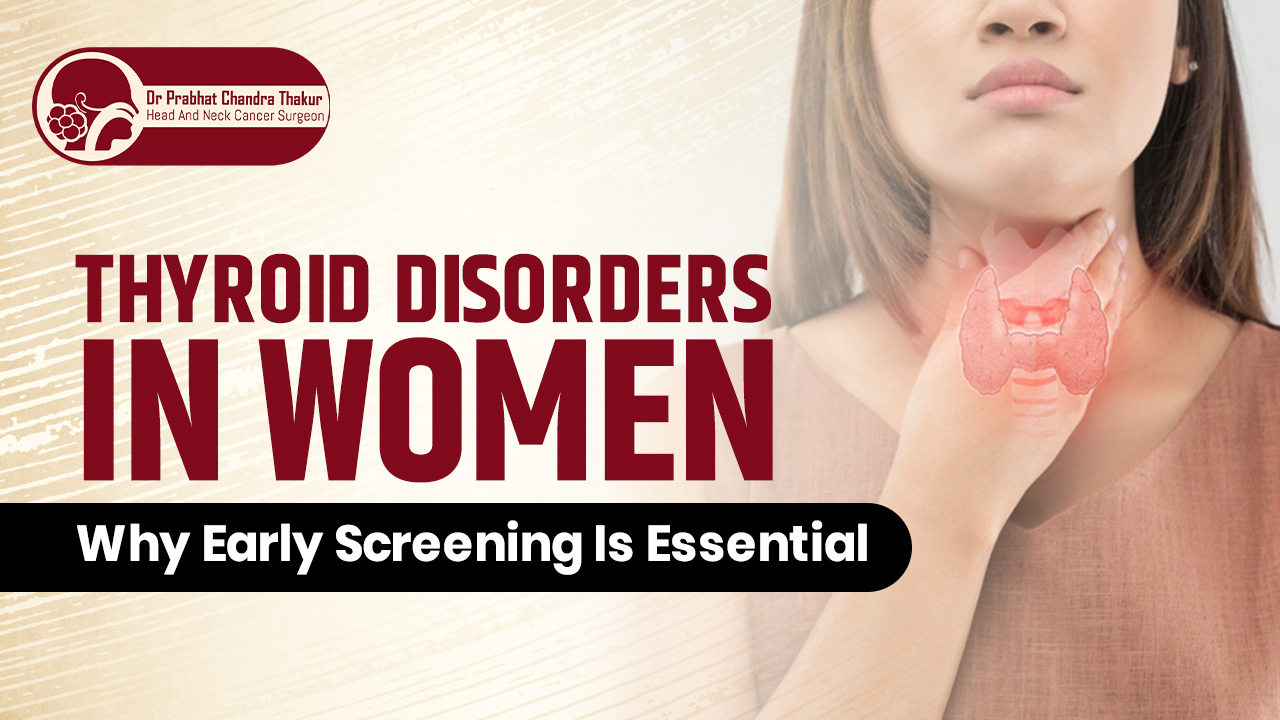
Thyroid disorders in women: When we think about women’s health, conversations often center around reproductive health, heart health, or even bone health. But there’s one small gland that’s often overlooked , the thyroid. And yet, this tiny organ plays a big role, especially for women.
In fact, women are five to eight times more likely than men to develop thyroid problems. According to the American Thyroid Association, about 1 in 8 women will face a thyroid disorder at some point in their life. But here’s the catch: symptoms often go unnoticed or are mistaken for common life stressors, hormonal shifts, or aging. That’s why early screening matters more than ever.
In this post, we’ll break down why women are more at risk, how to recognize potential symptoms, and how early screening can lead to better outcomes.
Why women are particularly at risk
There are a few key reasons thyroid disorders are more common in women:
- Autoimmune Factors: Many thyroid disorders like Hashimoto’s or Graves’ disease stem from autoimmune conditions. Women are generally more prone to autoimmune issues, which increases their risk of thyroid dysfunction.
- Hormonal Changes: Big hormonal shifts like puberty, pregnancy, and menopause can all influence thyroid function. These life events make women’s thyroid health more vulnerable over time.
- Age and Life Stages: The risk increases with age. Studies show that up to 16% of women aged 65–74 may have higher than normal TSH levels, suggesting an underactive thyroid.
Misdiagnosis or Overlooked Symptoms: Tired all the time? Gaining weight? Feeling anxious or moody? These symptoms are easy to brush off or blame on stress or hormones, which means thyroid issues often go undiagnosed.
The Most Common Thyroid Disorder in Women
Hypothyroidism (Underactive thyroid)
One of the most common female thyroid problems is hypothyroidism. In this condition, the thyroid gland produces too little thyroid hormone, slowing down metabolism and affecting many bodily systems. According to one review, prevalence rates in women ranged from 0.6% to 5.9%, depending on diagnostic criteria. sciencedirect.com
Over time, mild (subclinical) hypothyroidism is also common. For example, the Colorado Thyroid Disease Prevalence Study found about 8 % of people (mean age 56) had subclinical hypothyroidism; in older women the rate rose to 14‑21 % in some age groups. NCBI
Symptoms may include fatigue, cold intolerance, weight gain, dry skin, hair loss, constipation, mood changes, and menstrual irregularities. Because these overlap with many other conditions, thyroid screening can help clarify the cause.
Hyperthyroidism (Overactive thyroid)
In hyperthyroidism the thyroid produces too much hormone, accelerating metabolism and affecting body systems. It’s less common than hypothyroidism, but carries its own risks (such as rapid heart rate, anxiety, heat intolerance, weight loss).
In women, autoimmune causes (such as Graves’ disease) are a major factor. The female:male ratio is significantly skewed. Siemens Healthineers
Recognising these disorders early helps prevention of complications (e.g., heart rhythm issues, bone loss, fertility problems).
Recognising thyroid symptoms in women
Thyroid symptoms can mimic so many other things such as stress, PMS, menopause, and pregnancy it’s important to look for patterns rather than isolated issues. If you’re dealing with several of the following symptoms, it’s worth talking to your doctor:
- Fatigue that doesn’t improve with rest
- Difficulty losing weight or unexplained weight gain
- Always feeling cold or overly hot
- Dry skin, hair thinning, or hair loss
- Mood swings, anxiety, or depression
- Irregular periods or fertility issues
- Brain fog or slowed thinking
- Heart palpitations or tremors
If any of these sound familiar, don’t ignore them. A simple thyroid blood test could give you clarity.
The role of thyroid screening & early detection
You don’t have to wait for symptoms to get worse before acting. Here’s why early thyroid screening can make a real difference:
- It’s common: One in eight women will experience a thyroid disorder.
- It often starts quietly: Many cases begin subtly and go undetected for years.
- It affects more than just energy levels: Your thyroid can impact fertility, heart health, mental health, and bone strength.
- Treatment works: Whether it’s medication or lifestyle changes, thyroid issues are manageable especially when caught early.
- You don’t need to screen everyone but you should if you have risk factors like:
- A family history of thyroid disease
- Autoimmune conditions
- You’re pregnant, postpartum, or entering menopause
- You’re experiencing unexplained symptoms
- A family history of thyroid disease
Screening is usually a simple blood test to check your TSH, and sometimes T3, T4, or thyroid antibodies if needed.
How female thyroid problems affect fertility, pregnancy & menopause
Fertility & Menstrual Cycles
Thyroid hormones play a key role in ovulation and menstrual regularity. An imbalance can cause irregular periods or stop them altogether and make it harder to conceive.
Pregnancy & Postpartum
Pregnancy demands more from your thyroid. If undiagnosed, thyroid disorders during pregnancy can lead to complications like miscarriage, premature birth, or developmental issues in the baby. Postpartum thyroiditis (inflammation of the thyroid after giving birth) affects around 5% of new moms.
Menopause & Beyond
Symptoms of thyroid dysfunction (fatigue, mood swings, weight gain) can overlap with menopause. After menopause, the risk for thyroid issues increases, making it even more crucial to monitor your levels.
Supporting thyroid health naturally & lifestyle tips
While medical treatment is important, your daily habits also play a big role in thyroid support. Here’s what you can do:
- Eat for your thyroid: Nutrients like iodine, selenium, zinc, and vitamin D support thyroid function. Talk to your doctor before taking supplements.
- Manage stress: Chronic stress affects hormone balance. Try yoga, meditation, or even simple breathing exercises.
- Exercise regularly: Movement supports metabolism, energy levels, and mood.
- Maintain a healthy weight: Especially important if you’ve been diagnosed with hypothyroidism.
- Avoid toxins: Endocrine disruptors in some plastics, pesticides, or personal care products can interfere with hormone balance.
- Stay proactive with checkups: Even if you feel okay, check in with your doctor especially during hormonal transitions.
Final Thought
In women thyroid disorders are more common than many people realize and often overlooked. From periods to pregnancy to menopause, your thyroid plays a role in almost every phase of your life.
The good news? You don’t need to wait for things to get bad. If you’ve been feeling “off,” listen to your body and talk to your doctor about thyroid screening. It’s a small step that can lead to big peace of mind and better health.
Clinical Disclaimer: This educational guide is authored by Dr. Prabhat Chandra Thakur for patient awareness and early cancer detection. It does not replace an in-person physical examination, endoscopic evaluation, or tissue biopsy.