Introduction:
Tongue cancer is a serious condition that affects the tongue, which is an important part of our mouth. It's essential to know about its symptoms and treatments to stay healthy and catch any problems early.
What is Tongue Cancer?
Tongue cancer is when harmful cells grow on the tongue. These cells can form a lump or sore, which can be painful.
Symptoms of Tongue Cancer:
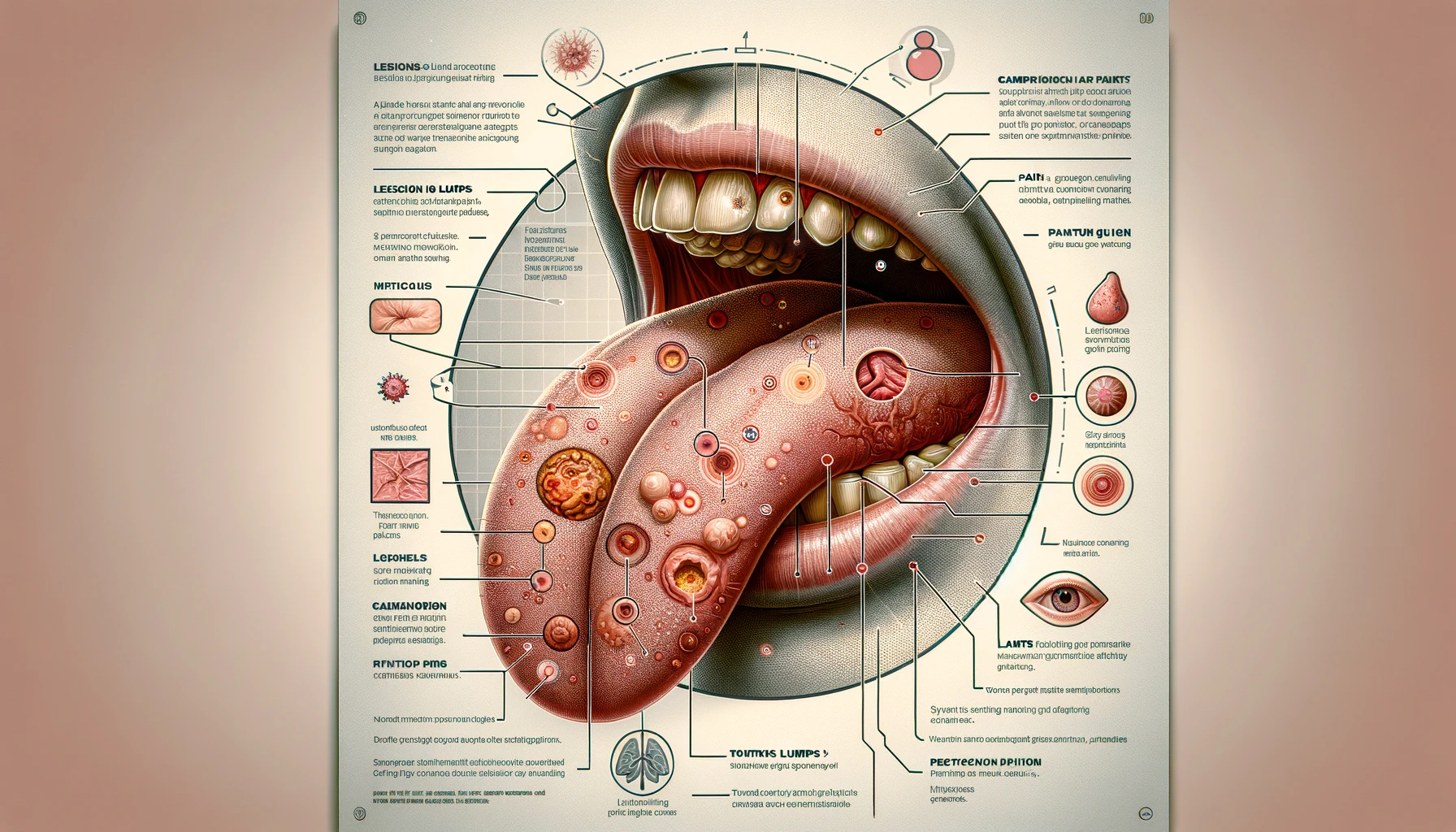
- Sore on the Tongue: Sometimes, you might have a sore on your tongue that doesn't go away, even after some time.
- Trouble Swallowing: If you find it hard to swallow your food or feel like something is stuck in your throat, it could be a sign of tongue cancer.
- Swelling or Lump: Your tongue might swell up, or you may feel a lump on it.
- Pain: Tongue cancer can be painful, especially when you eat or talk.
- Changes in Voice: Sometimes, your voice might sound different, or you might have trouble speaking clearly.
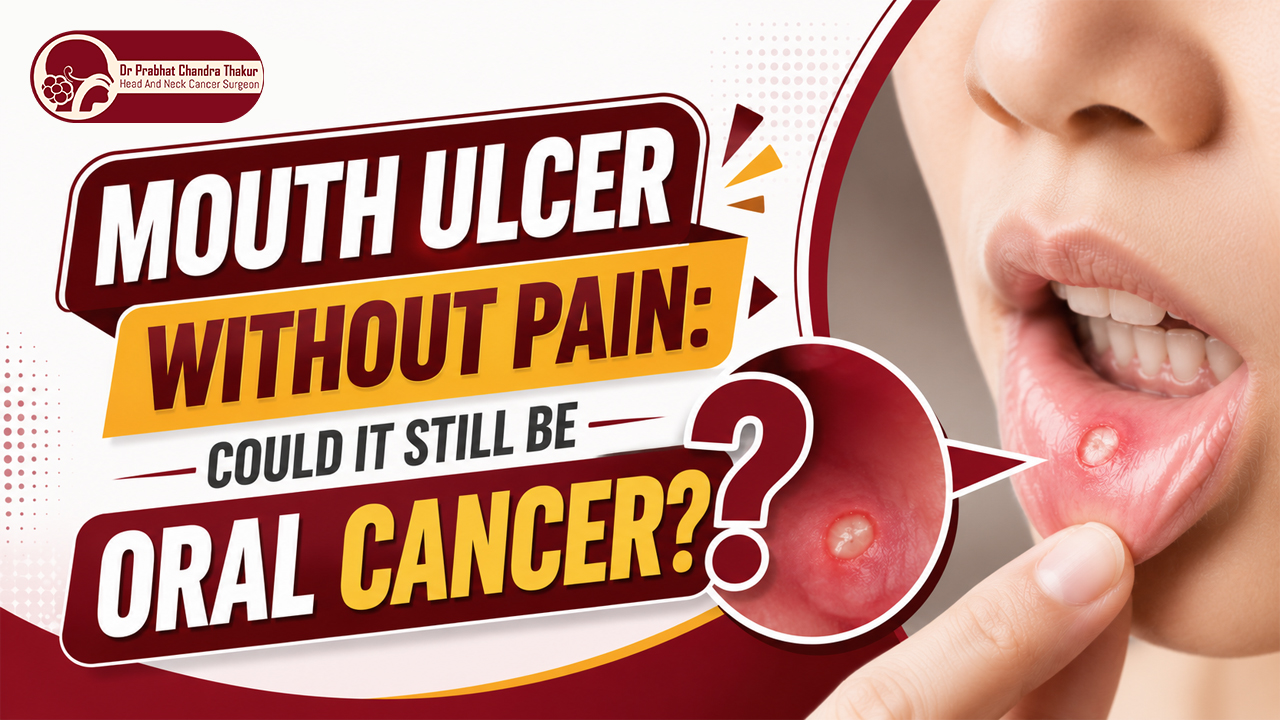
- Red or White Patches: If you notice any unusual patches on your tongue, like red or white spots, it's essential to tell an adult.
How is Tongue Cancer Treated?
If someone has tongue cancer, doctors have different ways to help them get better. Here are some common treatments:
- Surgery: Doctors might remove the part of the tongue that has cancer. It's like taking out the bad part to keep the rest healthy.
- Radiation Therapy: This treatment uses special rays to kill the harmful cells. It's like using a superhero beam to fight the bad guys.
- Chemotherapy: Medicine is used to kill cancer cells. It's like sending tiny soldiers into battle to defeat the enemy.
- Targeted Therapy: This treatment uses drugs to target only the cancer cells, leaving the healthy cells unharmed.
Conclusion:
Tongue cancer might sound scary, but if we know the symptoms and get help early, we can fight it. Remember, if you notice any changes in your tongue or have any problems, it's important to tell an adult you trust. Doctors and other grown-ups are here to help keep us healthy and strong.
Clinical Disclaimer: This educational guide is authored by Dr. Prabhat Chandra Thakur for patient awareness and early cancer detection. It does not replace an in-person physical examination, endoscopic evaluation, or tissue biopsy.