
Introduction:
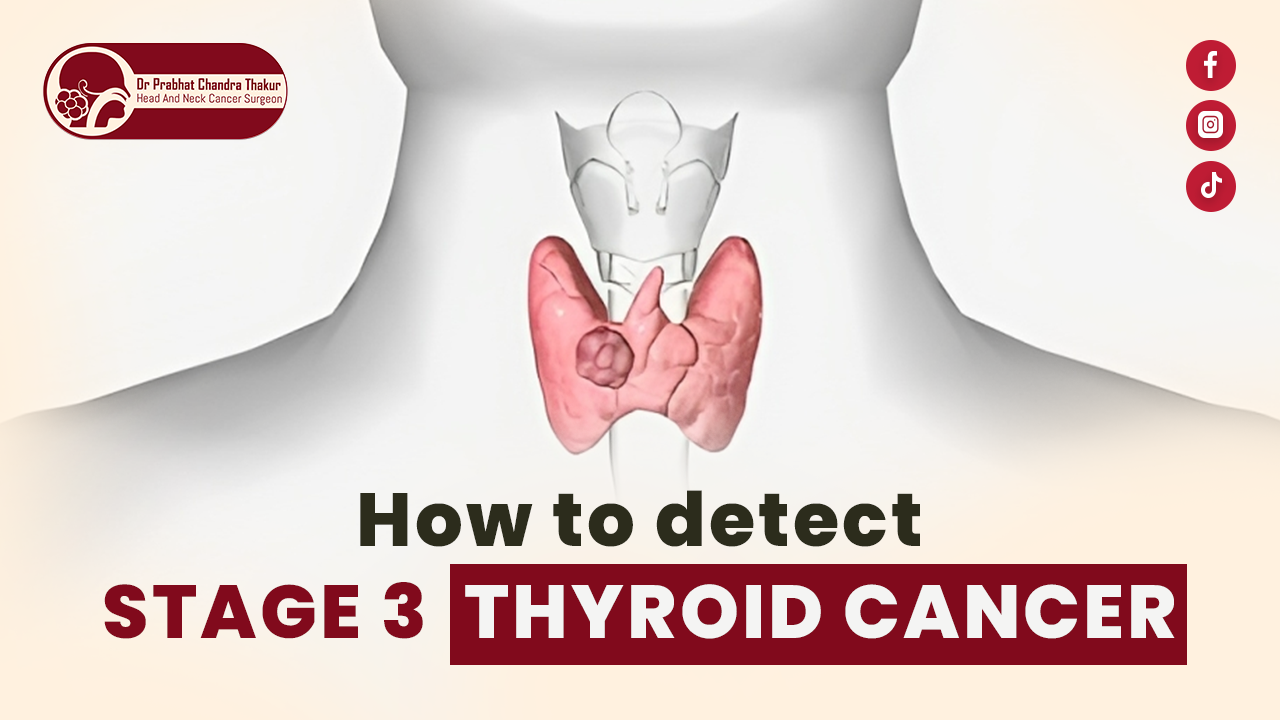
Thyroid cancer, while relatively rare, can progress through different stages, with stage 3 indicating a more advanced level of spread. Early detection is crucial for effective treatment and improved outcomes. This article provides insights into the signs, symptoms, and diagnostic methods to detect stage 3 thyroid cancer.
Signs and Symptoms:
Detecting thyroid cancer in its early stages can be challenging as symptoms may be subtle or absent. However, as the cancer progresses, individuals with stage 3 thyroid cancer may experience the following signs:
Changes in the Neck:
Noticeable changes in the neck, such as swelling or the development of a lump (nodule), may be indicative of thyroid cancer. It's important to monitor the size and consistency of any neck abnormalities.
Voice Changes:
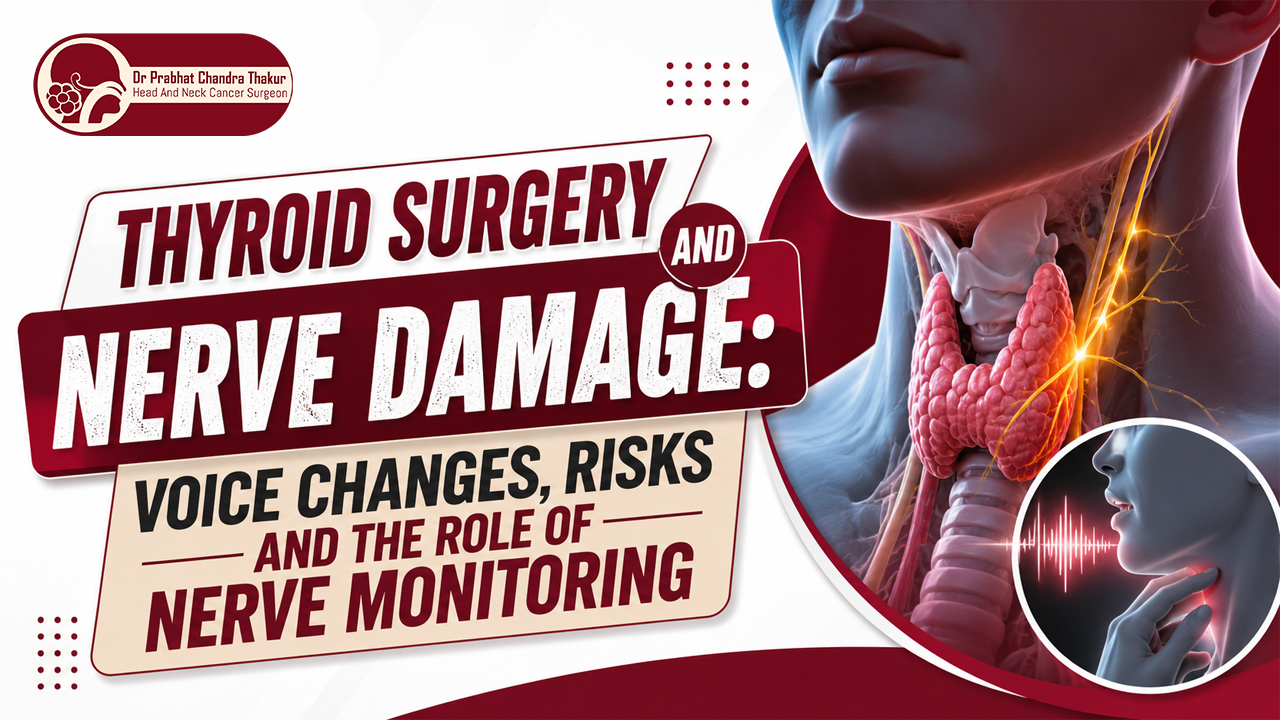
Hoarseness or changes in voice quality may occur due to the involvement of the recurrent laryngeal nerve by the cancer.
Difficulty Swallowing or Breathing:
As the tumor grows and affects surrounding structures, individuals may experience difficulty swallowing or breathing. This can be a significant indicator of advanced disease.
Persistent Cough:
A persistent cough that is not associated with other respiratory conditions may be a symptom of thyroid cancer, particularly when the cancer has spread to nearby tissues.
Pain in the Neck or Throat:
Pain or discomfort in the neck or throat, especially in the absence of other explanations, should be evaluated, as it may be associated with advanced thyroid cancer.
Diagnostic Methods:
If symptoms or physical examination findings suggest the possibility of thyroid cancer, healthcare professionals may employ various diagnostic methods to confirm the diagnosis and determine the stage. These may include:
Ultrasound Imaging:
Ultrasound is a non-invasive imaging technique that can visualize the thyroid gland and identify any nodules or abnormalities. It helps determine the size and characteristics of thyroid lesions.
Fine Needle Aspiration (FNA) Biopsy:
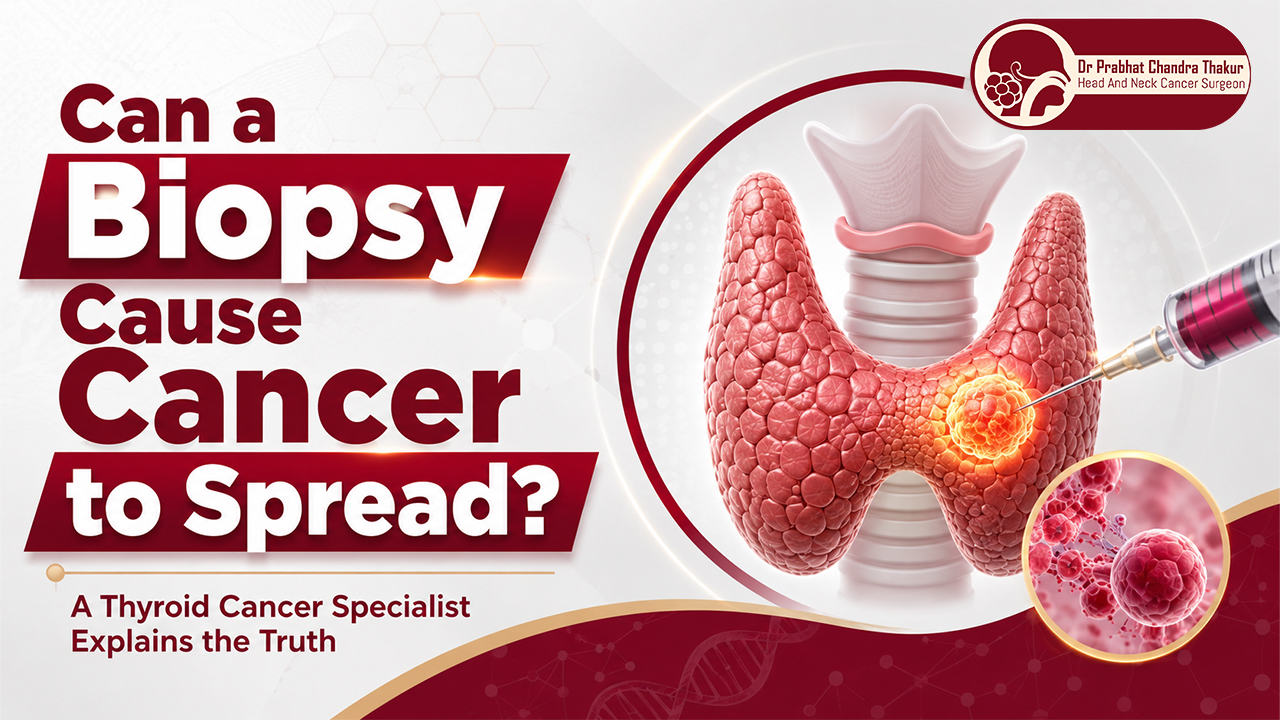
FNA biopsy involves using a thin needle to extract a small tissue sample from the thyroid nodule. The sample is then examined under a microscope to assess whether cancer cells are present.
CT Scan or MRI:
Computed tomography (CT) scans or magnetic resonance imaging (MRI) may be used to provide detailed images of the thyroid gland and surrounding structures. These imaging techniques help evaluate the extent of tumor involvement.
Blood Tests:
Blood tests, such as thyroid function tests, may be conducted to assess the overall function of the thyroid gland and detect any abnormalities.
Radioactive Iodine Scan:
In some cases, a radioactive iodine scan may be performed to evaluate the thyroid's ability to absorb iodine. This can help determine whether the cancer has spread beyond the thyroid.
Conclusion:
Detecting stage 3 thyroid cancer involves a combination of vigilant monitoring of symptoms, thorough physical examination, and diagnostic procedures. Individuals experiencing any of the mentioned symptoms, particularly those associated with advanced disease, should promptly consult with a healthcare professional. Early detection and accurate diagnosis are key factors in developing an effective treatment plan and improving the chances of successful outcomes for individuals with stage 3 thyroid cancer. Regular check-ups and open communication with healthcare providers contribute to proactive management and better overall health.
Clinical Disclaimer: This educational guide is authored by Dr. Prabhat Chandra Thakur for patient awareness and early cancer detection. It does not replace an in-person physical examination, endoscopic evaluation, or tissue biopsy.