
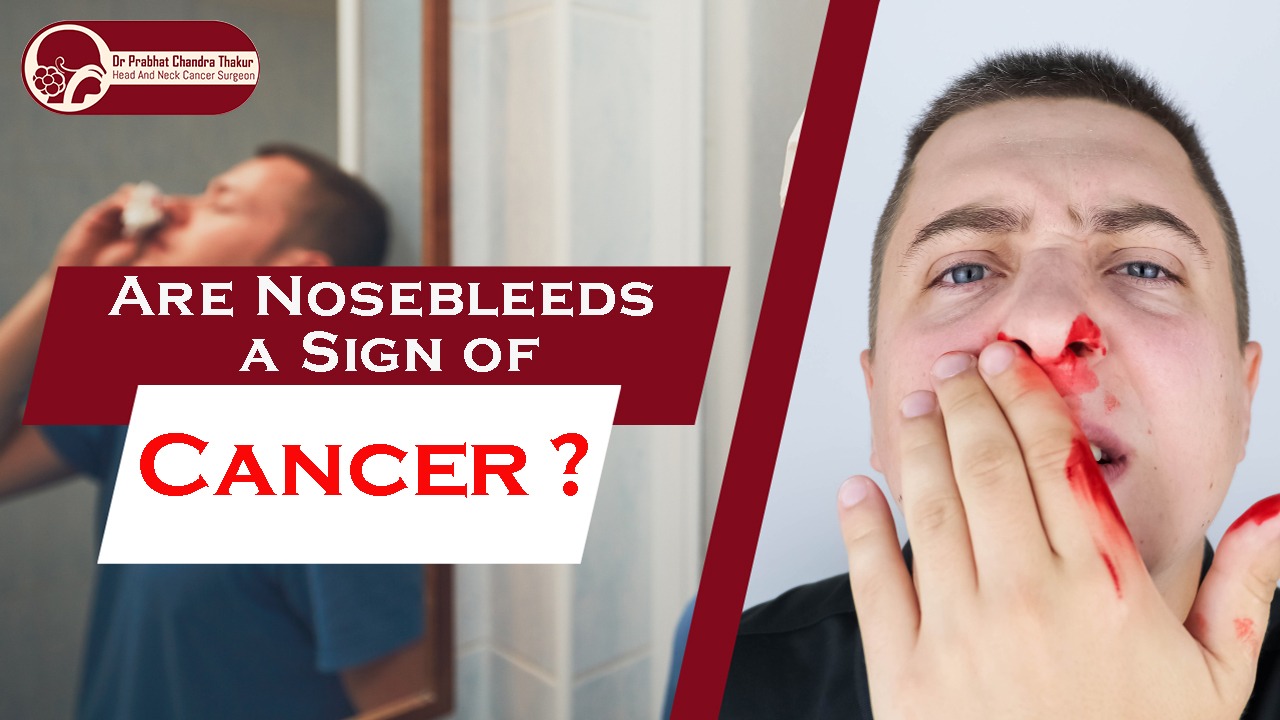
Nosebleeds, also known as epistaxis, typically occur due to the rupture of blood vessels in the nose. While nosebleeds themselves do not directly cause neck cancer, persistent or recurrent nosebleeds can sometimes be a symptom or an indication of an underlying condition that may increase the risk of developing certain types of cancer.
One such condition is nasopharyngeal cancer, which is a rare form of head and neck cancer. Nasopharyngeal cancer begins in the nasopharynx, the upper part of the throat located behind the nose. Persistent nosebleeds or blood-stained mucus, along with other symptoms like a lump in the neck, hearing loss, or difficulty swallowing, can be warning signs of nasopharyngeal cancer. However, it's important to note that nosebleeds are a common occurrence and are usually not a cause for concern.
It's worth mentioning that neck cancer, or cancer of the neck itself, is not typically caused by nosebleeds. Neck cancer usually refers to cancer that originates in the structures of the neck, such as the lymph nodes, salivary glands, or thyroid gland. The development of neck cancer is usually attributed to factors like tobacco use, excessive alcohol consumption, exposure to certain chemicals or radiation, viral infections (such as human papillomavirus or Epstein-Barr virus), and genetic predisposition.
If you are experiencing persistent or concerning symptoms such as frequent nosebleeds or any other health issues, it's always advisable to consult a medical professional who can evaluate your condition, provide a proper diagnosis, and recommend appropriate treatment if necessary.
Why nose bleeds occurs:
The most common causes of nosebleeds include:
- Dry air: Dry climates or heated indoor environments can cause the nasal membranes to become dry and prone to bleeding.
- Nose picking: Scratching or picking the inside of the nose can damage the delicate blood vessels, leading to bleeding.
- Nasal trauma: Injury to the nose, such as a blow to the face or a fall, can cause nosebleeds.
- Allergies and sinusitis: Chronic allergies or sinus infections can cause inflammation and irritation of the nasal passages, making them more susceptible to bleeding.
- Nasal congestion: Blockage or congestion of the nasal passages, often due to colds, flu, or sinus infections, can result in increased pressure and subsequent bleeding.
- Medications: Certain medications, such as anticoagulants (blood thinners) or nasal sprays, may contribute to nosebleeds by interfering with blood clotting or causing nasal dryness.
- Deviated septum: A deviated septum is a condition where the thin wall separating the nostrils is shifted to one side, which can lead to recurrent nosebleeds.
- Nasal tumors or abnormalities: Rarely, tumors or abnormal growths in the nasal cavity may cause nosebleeds.
In most cases, nosebleeds are not a cause for significant concern and can be managed at home by tilting the head forward, pinching the nostrils together, and applying pressure. However, if nosebleeds are frequent, severe, or accompanied by other concerning symptoms, it's important to seek medical attention for further evaluation and appropriate treatment.
Clinical Disclaimer: This educational guide is authored by Dr. Prabhat Chandra Thakur for patient awareness and early cancer detection. It does not replace an in-person physical examination, endoscopic evaluation, or tissue biopsy.