
Head and Neck Cancer Awareness: What Every Community Can Do
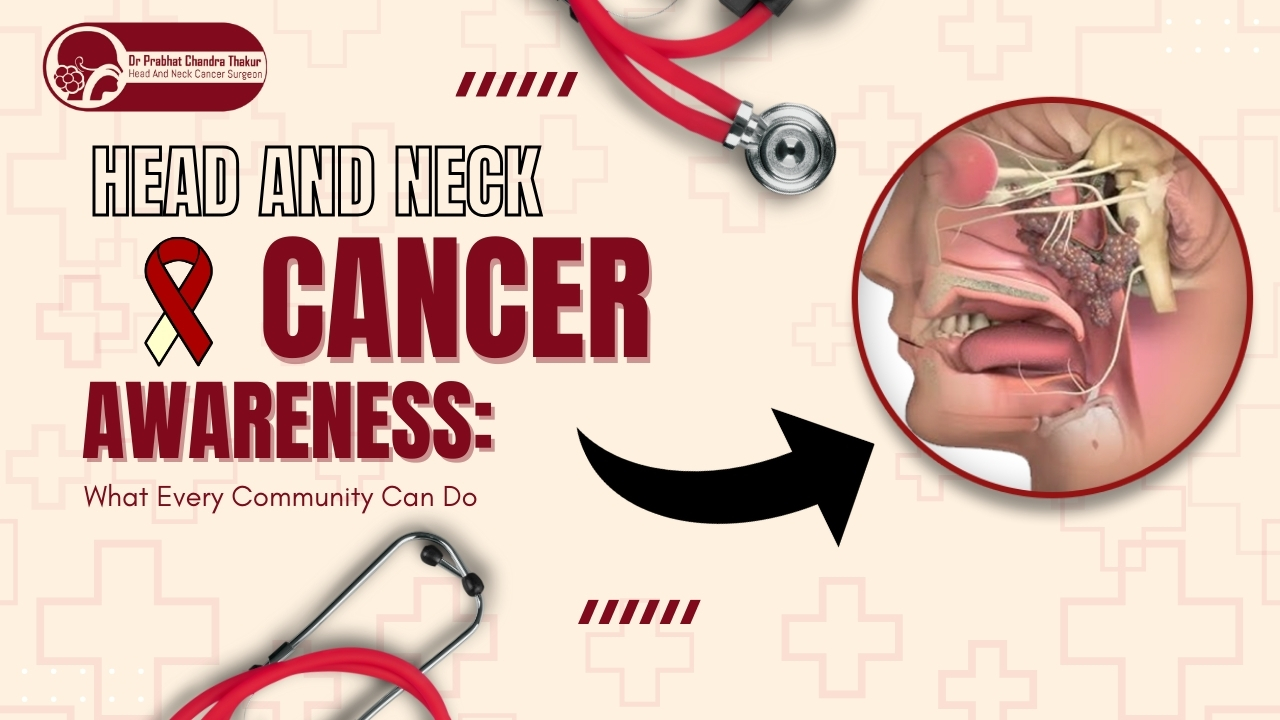
Understanding Head and Neck Cancer: Why Awareness Matters Imagine a small gathering in a local town hall where neighbors chat about daily life, children play in the background, and elders offer advice from their years of experience. Health topics often come up discussions about seasonal flu, common colds, or even more familiar conditions like diabetes and hypertension. But rarely do you hear anyone mention head and neck cancer. Despite being the sixth most common type of cancer worldwide, it remains under-discussed, leading to delayed diagnoses and higher mortality rates. Many people don’t realize that persistent hoarseness, a lingering sore throat, or an unusual lump in the neck could be early warning signs of head and neck cancer. While smoking and alcohol use are widely recognized risk factors, lesser-known causes like HPV infections and exposure to certain workplace chemicals also contribute to its development. Early detection dramatically increases the chances of successful treatment, but the key challenge lies in the widespread lack of awareness. In countries like Nepal, where healthcare access may be limited in rural areas, community-driven awareness can bridge this critical gap. The responsibility of combating head and neck cancer doesn’t rest solely on doctors or hospitals it lies in the hands of every community member. By fostering conversations, organizing events, and sharing vital information, communities can become the first line of defense against this silent threat. For expert guidance, consulting a Head and Neck Cancer Surgeon or an ENT Specialist can be life-saving. The Role of Healthcare Professionals and Communities in Cancer Awareness Fighting head and neck cancer is not just the job of healthcare professionals; it requires a collective effort from various sectors of the community. Each group, from doctors to local leaders, plays a pivotal role in spreading awareness and promoting early detection. Healthcare professionals, like Dr. Prabhat Chandra Thakur, a leading Head and Neck Cancer Surgeon and ENT Specialist, stand at the forefront of this battle. With their knowledge and authority, they can educate patients on recognizing early symptoms, dispel common myths, and emphasize the importance of regular check-ups. Beyond individual consultations, doctors can lead public health initiatives, conduct free screening camps, and offer educational talks to make reliable medical information accessible to all. However, medical professionals can’t do it alone. Community leaders and local organizations have the power to mobilize people and organize events. Whether it’s an NGO hosting a health seminar or a village elder advocating for regular health check-ups, these influencers play a critical role in shaping public attitudes toward health. Schools and educational institutions also have a role in this ecosystem. By integrating health education into their curriculum, they can equip young people with knowledge about risk factors like tobacco and alcohol use, fostering healthier lifestyles from an early age. In today’s digital age, media outlets and social media influencers hold significant sway. Traditional media like radio and newspapers can reach older and rural populations, while platforms like Facebook and Instagram are ideal for engaging younger audiences. Together, these groups can form a network that supports widespread awareness and early intervention. Practical Steps Communities Can Take to Combat Head and Neck Cancer Awareness is only the first step taking action is what truly makes a difference in the fight against head and neck cancer. Communities have several practical ways to move from knowledge to impact. By taking these steps, communities can transform passive awareness into life-saving action, ensuring that head and neck cancer is identified and treated as early as possible. Effective Communication Formats for Cancer Awareness Choosing the right format is crucial for effective communication. Different people absorb information in different ways, so it’s important to use a variety of mediums to reach as many individuals as possible. By using a mix of these formats, communities can create an inclusive and effective approach to head and neck cancer awareness. Who Should Be Targeted in Head and Neck Cancer Awareness Campaigns? To make awareness efforts truly effective, it’s essential to target the right audiences. Different groups have unique needs and vulnerabilities, and tailoring messages to them ensures the information is both relevant and impactful. By targeting these groups, communities can create a comprehensive strategy that addresses both prevention and early detection, ultimately saving lives. Conclusion Head and neck cancer might not always be a common topic of conversation, but it should be. Through community-driven awareness, early detection, and preventive action, we can significantly reduce the burden of this often-overlooked disease. Whether you’re a healthcare professional, a teacher, a parent, or a community leader, you have a role to play. Together, with experts like Dr. Prabhat Chandra Thakur, a leading ENT Specialist and Head and Neck Cancer Surgeon, we can create informed communities, promote early diagnosis, and ultimately, save lives. Now is the time to act because awareness is the first step toward prevention.