
Understanding Nasal and Sinus Cancers: Symptoms, Diagnosis, and Treatment Options
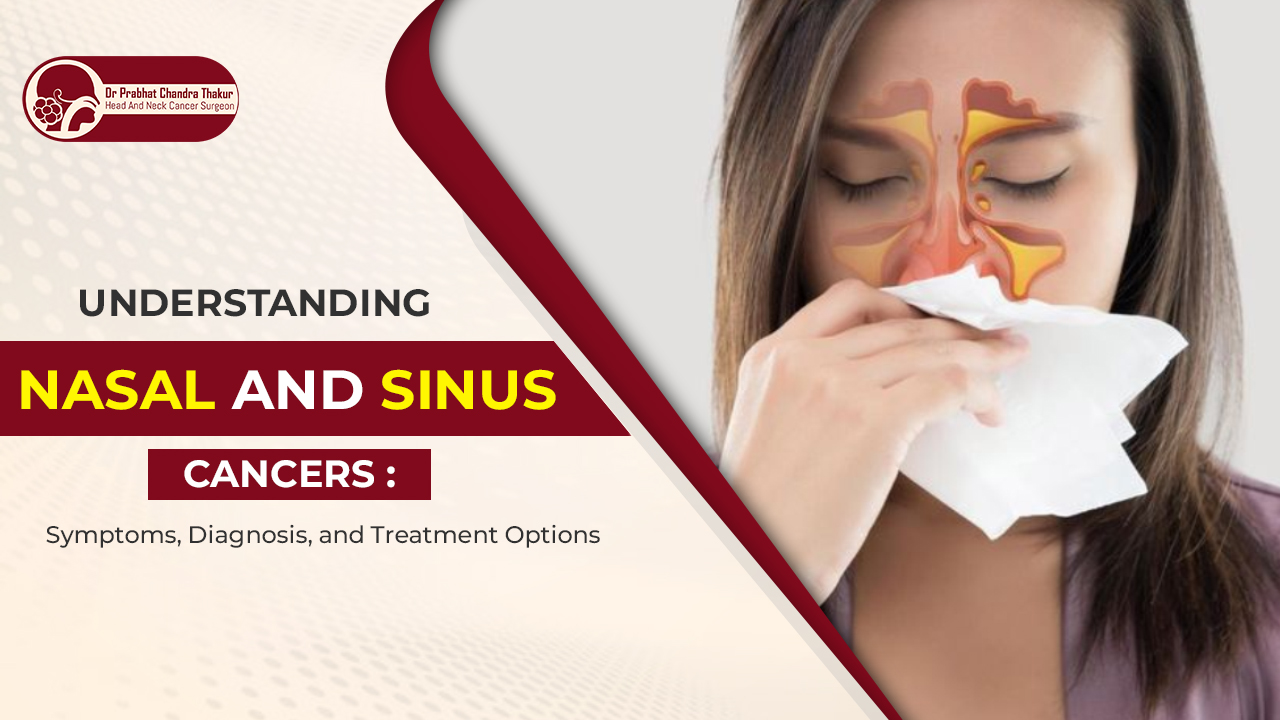
Nasal and sinus cancers are rare but serious conditions that originate in the nasal cavity or paranasal sinuses. These cancers encompass various types, including squamous cell carcinoma, adenocarcinoma, and sinonasal undifferentiated carcinoma, among others. Despite their rarity, their impact on affected individuals can be profound, underscoring the importance of early diagnosis and appropriate treatment. This comprehensive guide delves into the symptoms, causes, diagnostic methods, and treatment options for nasal and sinus cancers. It also highlights the expertise of Dr. Prabhat Chandra Thakur, a renowned ENT specialist in Nepal. What Are Nasal and Sinus Cancers? Nasal cancer refers to malignant growths within the nasal cavity, while sinus cancer involves the paranasal sinuses. These cancers arise from the uncontrolled growth of cells that can invade surrounding tissues and spread to other parts of the body. Types of Sinonasal Cancers: If you suspect symptoms of these cancers, consulting an experienced ENTdoctor, such as Dr. Prabhat Chandra Thakur, is critical. Symptoms of Nasal and Sinus Cancers Early symptoms of nasal and sinus cancers often resemble common conditions like sinusitis, making diagnosis challenging. Key symptoms include: If you experience these symptoms persistently, consult an expert like Dr. Prabhat Chandra Thakur, whose team specializes in prompt and accurate diagnosis. Causes and Risk Factors The exact causes of nasal and sinus cancers are not fully understood, but several risk factors have been identified: Addressing these risk factors and seeking regular consultations with an ENT specialist in Nepal can reduce your chances of developing these cancers. Diagnosis of Nasal and Sinus Cancers Diagnosing nasal and sinus cancers involves a combination of advanced imaging and biopsies. Dr. Prabhat Chandra Thakur employs state-of-the-art diagnostic tools, ensuring precision in identifying the type and stage of cancer. Treatment Options for Nasal and Sinus Cancers Treating nasal and sinus cancers involves a multidisciplinary approach, combining various therapies based on the cancer type and stage. Here are the main options: 1. Surgery 2. Radiation Therapy Radiation is used to destroy cancer cells, often in conjunction with surgery. Proton therapy is an advanced form of radiation that minimizes damage to surrounding healthy tissues. 3. Chemotherapy Certain tumor types respond well to chemotherapy, either as a standalone treatment or alongside surgery and radiation. 4. Immunotherapy Immunotherapy boosts the body’s natural defenses to fight cancer and is an emerging area of research with promising results. Under the guidance of Dr. Prabhat Chandra Thakur, patients receive personalized treatment plans incorporating the latest advancements in medical science. Why Choose Dr. Prabhat Chandra Thakur for ENT Care in Nepal? Dr. Prabhat Chandra Thakur is a trusted name in ENT care in Nepal, offering unparalleled expertise in diagnosing and treating nasal and sinus cancers. With a patient-centered approach, he combines cutting-edge techniques with compassionate care to achieve the best outcomes. Services Offered: Located in Nepal, Dr. Prabhat Chandra Thakur is your go-to specialist for ENT-related concerns, including nasal and sinus cancers. How to Prevent Nasal and Sinus Cancers While not all risk factors can be eliminated, taking these preventive measures can reduce your risk: For those in Nepal, consulting Dr. Prabhat Chandra Thakur can provide invaluable insights into prevention and early detection. Conclusion Nasal and sinus cancers are rare but treatable, especially with early detection and expert care. If you’re experiencing symptoms or seeking a trusted ENT doctor in Nepal, look no further than Dr. Prabhat Chandra Thakur. With his advanced diagnostic tools and personalized treatment plans, you’re in safe hands. Visit drprabhat.com.np today to schedule a consultation and take the first step toward better health. Empower yourself with knowledge, and don’t delay seeking care.