
How to Detect Stage 3 Oral Cancer: A Comprehensive Guide
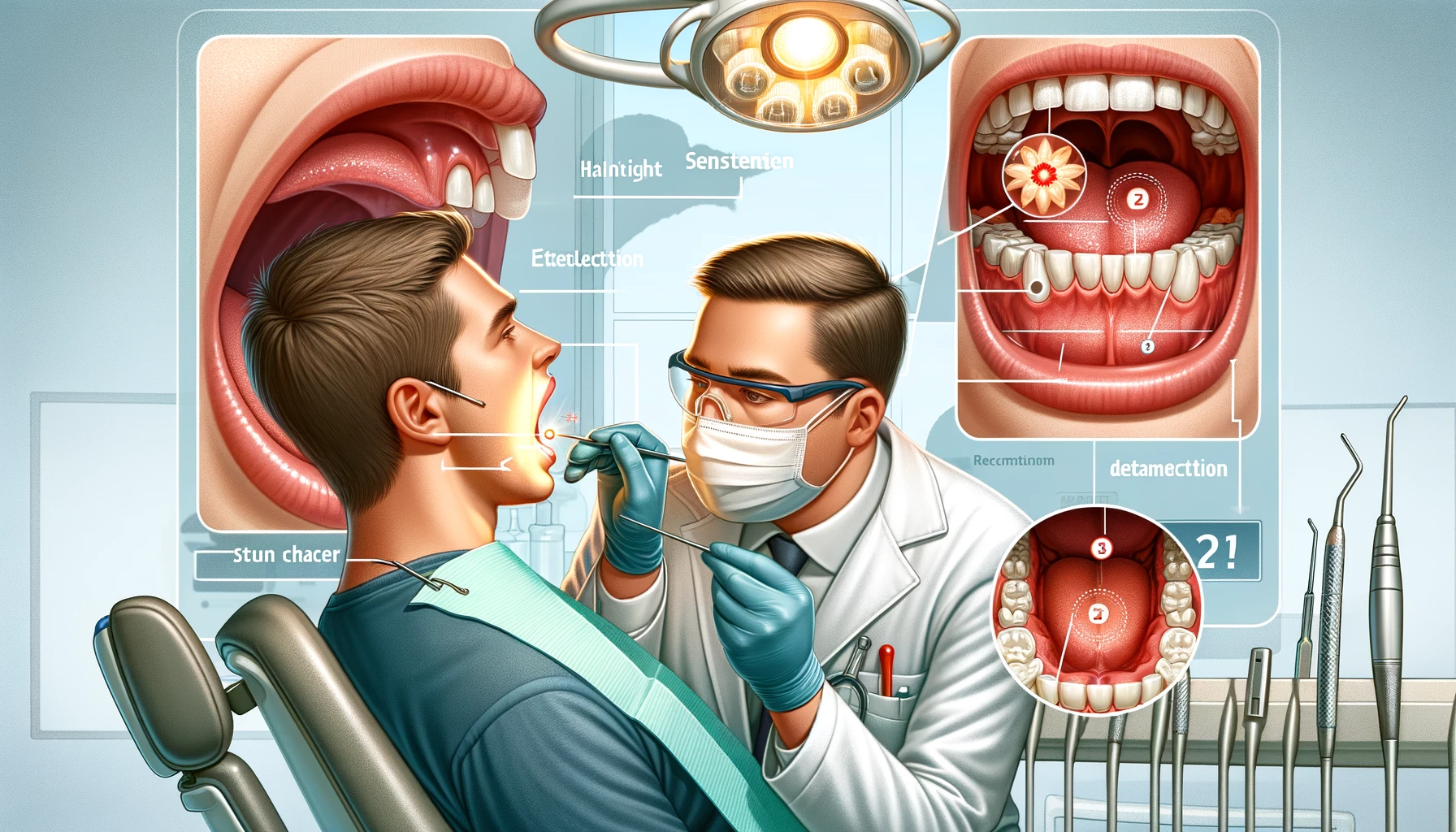
Introduction: Oral cancer is a serious and potentially life-threatening condition that affects millions of people worldwide. Detecting oral cancer in its early stages greatly increases the chances of successful treatment and survival. In this article, we will delve into the specifics of detecting stage 3 oral cancer, building upon the foundation laid in our previous guide on detecting stage 2 oral cancer. Understanding Stage 3 Oral Cancer: Stage 3 oral cancer represents a more advanced progression of the disease compared to stage 2. At this stage, the cancer has grown larger and may have spread to nearby tissues, lymph nodes, or even distant organs. Early detection remains critical, as timely intervention can significantly impact treatment outcomes and overall prognosis. Symptoms to Watch For: While some symptoms of oral cancer may overlap with those of earlier stages, stage 3 oral cancer often presents with more pronounced and persistent signs. These may include: Diagnostic Procedures: Given the advanced nature of third stage oral cancer, a comprehensive diagnostic approach is essential for accurate assessment. Your healthcare provider may recommend the following tests: Interlinking with Stage 2 Oral Cancer Detection: Detecting stage 3 oral cancer often builds upon the awareness and vigilance developed in recognizing earlier stages. In our previous guide on detecting stage 2 oral cancer, we emphasized the importance of regular dental check-ups, self-examinations, and awareness of potential risk factors. By staying proactive and informed, individuals can increase their chances of detecting oral cancer at an early stage, when treatment options are most effective. Conclusion: Stage 3 oral cancer represents a critical juncture in the progression of the disease, underscoring the importance of vigilant monitoring and timely intervention. By recognizing the signs and symptoms associated with this advanced stage, individuals can take proactive steps to seek medical evaluation and pursue appropriate treatment. Together with ongoing efforts to raise awareness and promote early detection, we can make significant strides in combating oral cancer and improving outcomes for those affected by this devastating condition.