
How to Detect Stage 2 Oral Cancer: A Comprehensive Guide
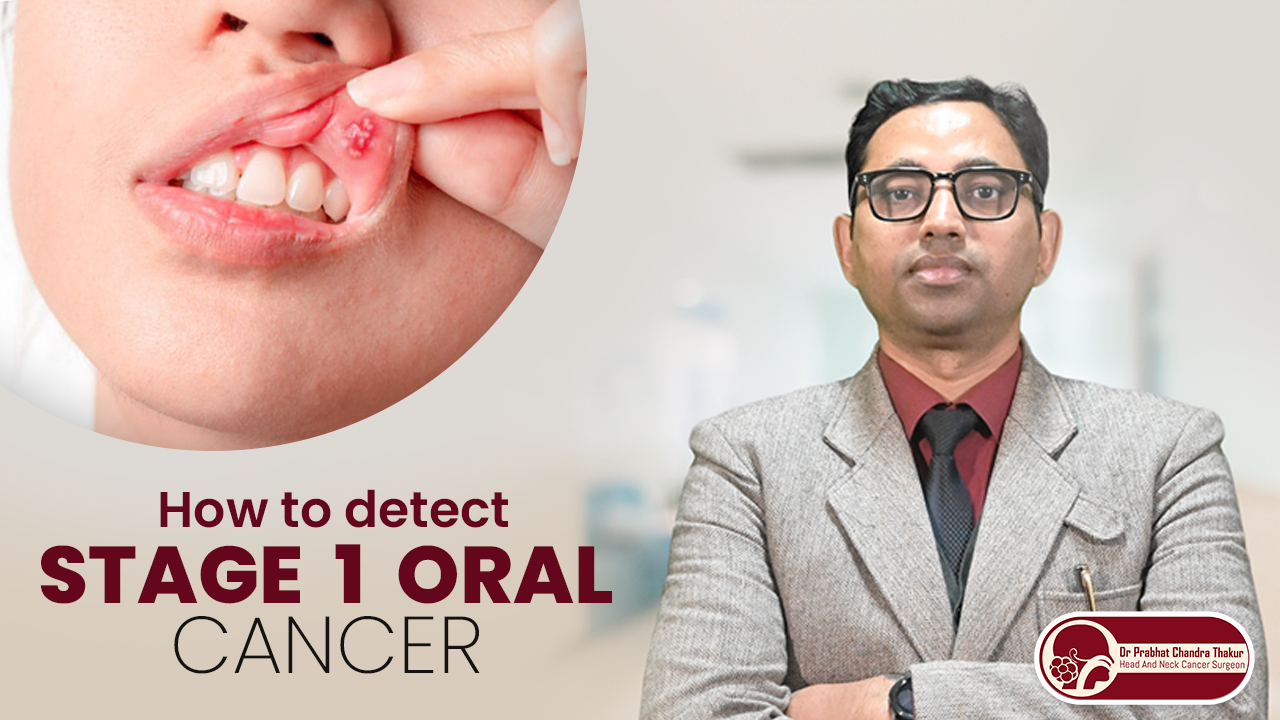
Introduction: Oral cancer is a serious condition that can be effectively treated when detected in its early stages. In our previous article, we discussed “How to Detect Stage 1 Oral Cancer,” emphasizing the importance of regular self-examinations and dental check-ups. In this follow-up guide, we will delve into the signs and symptoms specific to Stage 2 oral cancer, providing you with the knowledge to identify potential issues and seek prompt medical attention. Understanding Stage 2 Oral Cancer: Stage 2 oral cancer represents a progression from the initial stage, with the cancer cells now invading deeper layers of the oral tissues. The key to successful treatment lies in early detection, as it allows for more conservative and effective therapeutic interventions. Signs & Symptoms of Stage 2 Oral Cancer: Example: If you notice an ulcer on the inside of your cheek that doesn’t heal despite regular oral hygiene practices, it could be a potential sign of Stage 2 oral cancer. Example: If you find yourself frequently clearing your throat or experiencing discomfort while swallowing, especially if accompanied by other oral changes, it may be an indication of Stage 2 oral cancer. Example: If you suddenly develop a hoarse voice that persists for more than a few weeks, it’s important to consider the possibility of Stage 2 oral cancer and consult a healthcare professional for further evaluation. Conclusion: Detecting Stage 2 oral cancer requires vigilance and a proactive approach to oral health. Building upon the knowledge shared in our previous article on Stage 1 oral cancer detection, it is crucial to remain aware of any persistent changes in your oral cavity. Regular dental check-ups and self-examinations play a pivotal role in identifying potential issues early, improving the chances of successful treatment. If you notice any concerning signs or symptoms, don’t hesitate to consult with a healthcare professional promptly. Early detection saves lives.