Detecting Stage 1 Oral Cancer: A Comprehensive Guide and its Connection to Thyroid Cancer
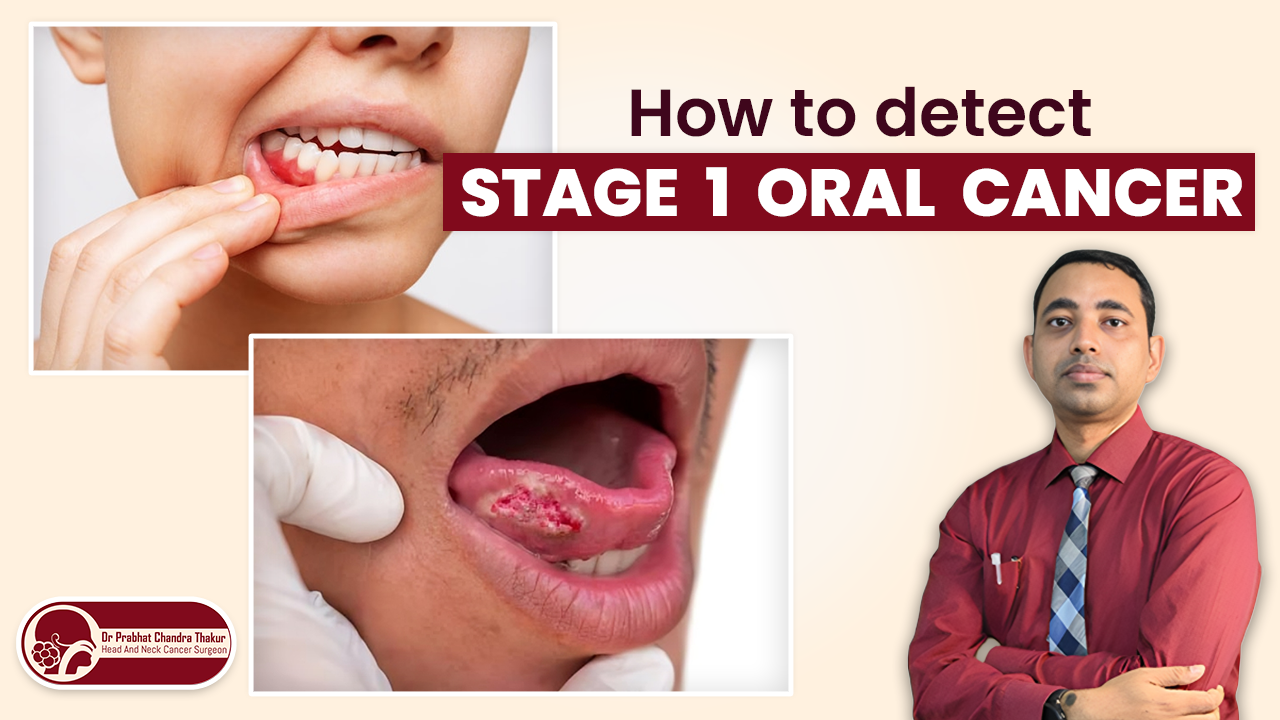
Introduction: Oral cancer is a serious health concern that affects various parts of the mouth, including the lips, tongue, cheeks, and throat. Detecting oral cancer at an early stage significantly improves the chances of successful treatment. This article aims to provide a comprehensive guide on how to detect Stage 1 oral cancer, emphasizing its relevance and connection to Stage 1 Thyroid Cancer. Understanding Stage 1 Oral Cancer: Stage 1 oral cancer is characterized by the presence of a tumor that is no larger than 2 centimeters and has not spread to nearby lymph nodes or other distant organs. Early detection is crucial, as it allows for less invasive treatment options and a higher likelihood of a positive outcome. Common Signs and Symptoms of Stage 1 Oral Cancer: Persistent Mouth Sores: Unexplained Bleeding: Difficulty Swallowing or Chewing: Persistent Sore Throat or Hoarseness: A sore throat that lasts for an extended period, along with hoarseness, might be indicative of early-stage oral cancer. Numbness or Tingling: Linking Oral Cancer to Thyroid Cancer: It is important to note the connection between oral cancer and thyroid cancer. While they affect different areas, both cancers share certain risk factors, such as smoking, excessive alcohol consumption, and a family history of cancer. Additionally, individuals diagnosed with Stage 1 Thyroid Cancer should be vigilant about their overall health, including oral health, as these cancers can coexist or contribute to each other’s development. Screening and Diagnosis: Regular dental check-ups and screenings play a crucial role in the early detection of oral cancer. Dentists may perform a thorough examination of the mouth, including the use of imaging tests such as X-rays or CT scans. In cases where abnormalities are detected, a biopsy may be recommended for a definitive diagnosis. Prevention and Lifestyle Changes: Quit Smoking: Smoking is a major risk factor for both oral and thyroid cancers. Quitting smoking significantly reduces the risk. Limit Alcohol Consumption: Maintain Oral Hygiene: Healthy Diet: Conclusion: Detecting Stage 1 oral cancer early is key to successful treatment and improved outcomes. By understanding the signs and symptoms, undergoing regular screenings, and adopting a healthy lifestyle, individuals can take proactive steps to protect their oral health. Furthermore, for those with a history of Stage 1 Thyroid Cancer, being aware of the interconnection between oral and thyroid cancers emphasizes the importance of holistic health management. Regular communication with healthcare professionals and a commitment to preventive measures can contribute to a healthier and cancer-free life.