
What Are the Treatments Available for Oral Cancer?
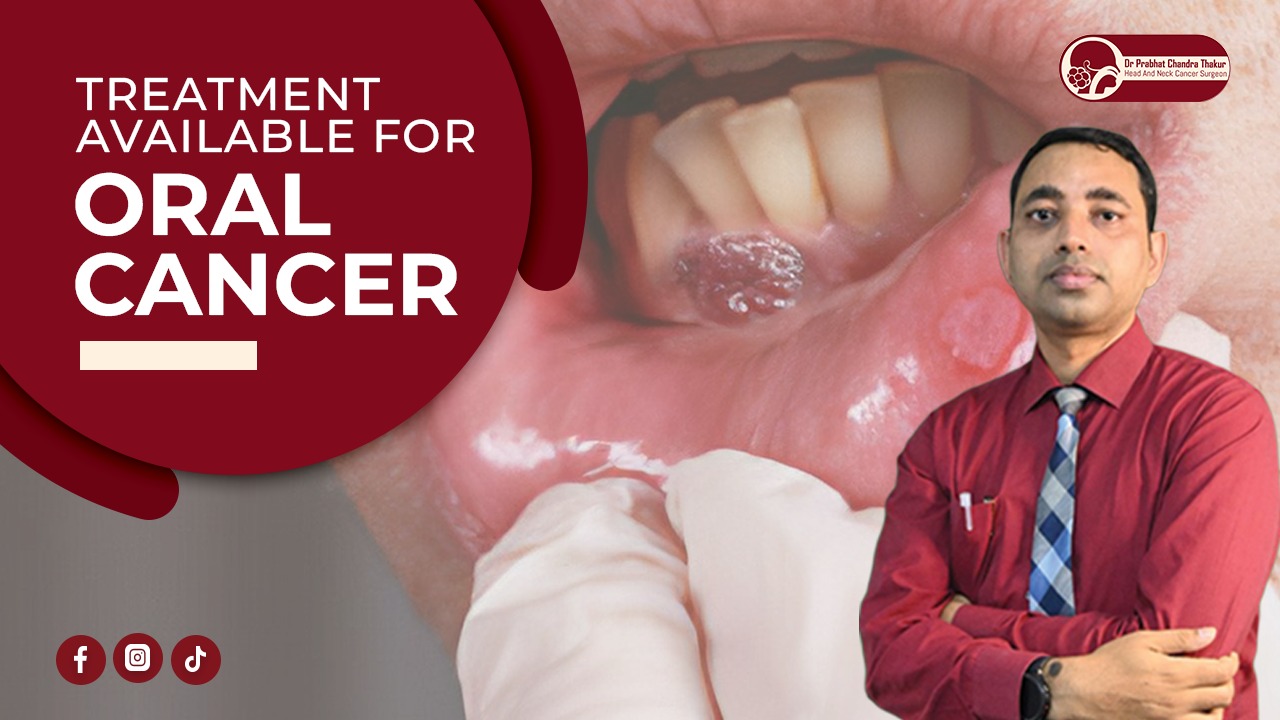
Oral cancer is a serious medical condition that affects thousands of people worldwide. It can develop in various parts of the mouth, including the lips, tongue, gums, and the lining of the cheeks. The treatment for oral cancer depends on factors such as the stage of the cancer, its location, and the overall health of the patient. Traditional treatment for oral cancer in Nepal include surgery, radiation therapy, and chemotherapy. However, there are also emerging and innovative treatments that offer new hope for patients diagnosed with this disease. I. Treatment Options for Oral Cancer: A. Surgery B. Radiation Therapy C. Chemotherapy II. Multidisciplinary Approaches A. Combined modality treatments One of the most effective ways to treat oral cancer is through combined modality treatments. This approach combines different types of therapies, such as surgery, radiation therapy, and chemotherapy, to target the cancer from multiple angles. Combined modality treatments can help increase the chances of successful tumor removal and reduce the risk of cancer recurrence. B. Role of medical oncologists, radiation oncologists, and surgeons in treatment planning The successful treatment of oral cancer relies on the expertise of various specialists, each playing a crucial role in treatment planning and execution. C. Personalized treatment plans Every patient’s oral cancer is unique, and treatment plans must be tailored to individual needs. Personalized treatment plans take into account factors such as the stage and location of the cancer, the patient’s overall health, and their preferences. A multidisciplinary team of healthcare professionals collaborates to create a treatment plan that offers the best chance of success while minimizing side effects and preserving quality of life. III. Emerging and Innovative Treatments A. Immunotherapy: Immunotherapy is a cutting-edge treatment option that has shown promise in the fight against oral cancer. This approach harnesses the power of the body’s immune system to target and destroy cancer cells. Immunotherapy drugs, such as checkpoint inhibitors, work by blocking the mechanisms that prevent immune cells from recognizing and attacking cancer cells. This can lead to a more effective immune response against oral cancer. While immunotherapy is not yet a standard treatment for all oral cancer cases, ongoing research and clinical trials are exploring its potential benefits. B. Photodynamic Therapy: Photodynamic therapy (PDT) is a minimally invasive treatment option for oral cancer. It involves the use of a photosensitizing agent and laser light to selectively destroy cancer cells. The photosensitizer is administered to the patient either intravenously or topically and is absorbed by the cancer cells. When exposed to laser light, the photosensitizer becomes activated and generates reactive oxygen species, which can destroy the cancer cells. PDT is less invasive than surgery and can be a valuable option for treating early-stage oral cancers and precancerous lesions. C. Clinical Trials and Experimental Therapies: Clinical trials are crucial in advancing the treatment options for oral cancer. These trials test new drugs, therapies, and treatment approaches to determine their safety and efficacy. Patients who participate in clinical trials have the opportunity to access cutting-edge treatments that may not yet be widely available. Experimental therapies, such as targeted therapies and gene therapies, are continually being explored in the quest to find more effective and less invasive treatments for oral cancer. D. Potential Benefits and Risks: While emerging treatments offer hope and potential advantages for oral cancer patients, it’s important to acknowledge that they also come with potential risks and uncertainties. Each patient’s case is unique, and not all individuals will be eligible for or benefit from these innovative treatments. Furthermore, the long-term effects and success rates of these treatments are still being studied. Patients considering these treatments should discuss their options thoroughly with their healthcare team and weigh the potential benefits against the risks. IV. Rehabilitation and Supportive Care Oral cancer treatment can be physically and emotionally challenging, and patients often require rehabilitation and supportive care to enhance their quality of life during and after treatment. This section discusses various aspects of rehabilitation and supportive care for oral cancer patients. A. Managing Treatment Side Effects (e.g., pain, difficulty swallowing) B. Speech Therapy and Rehabilitation C. Psychological and Emotional Support D. Nutritional Support V. Survivorship and Follow-Up A. Life after Oral Cancer Treatment Surviving oral cancer is a courageous journey that often involves multiple treatment modalities such as surgery, radiation therapy, chemotherapy, and targeted therapy. While these treatments aim to eradicate cancer cells and promote recovery, life after oral cancer treatment can present unique challenges and considerations for survivors. In this section, we will explore what survivors can expect in their post-treatment journey and offer guidance on maintaining a healthy, fulfilling life. B. Importance of Regular Follow-Up Appointments After completing initial treatment for oral cancer, survivors should establish a schedule of regular follow-up appointments with their healthcare team. These appointments are essential for several reasons: C. Monitoring for Recurrence and Late Effects Survivors of oral cancer should be vigilant about their health and report any new symptoms or concerns to their healthcare team promptly. It’s essential to understand that survivorship is a journey, and with the right support and care, individuals can lead fulfilling lives after oral cancer treatment. VI. Preventing Oral Cancer Oral cancer is a potentially life-threatening condition that affects the mouth and throat. While treatment options for oral cancer have advanced significantly in recent years, prevention remains a critical aspect of reducing the incidence of this disease. In this section, we will explore the various preventive measures individuals can take to lower their risk of developing oral cancer. A. Lifestyle Modifications: One of the most effective ways to prevent oral cancer is through lifestyle modifications. Certain habits and behaviors are known to increase the risk of developing this disease, and making positive changes can significantly reduce that risk. Key lifestyle modifications include: B. HPV Vaccination: Human papillomavirus (HPV) is a group of viruses that can infect the genital and oral areas. Some strains of HPV are known to increase the risk of oral cancer. Vaccination against HPV is a powerful preventive measure, particularly for young … Read more