
Transaxillary Thyroidectomy: A Simple Guide

Transaxillary Thyroidectomy: A Simple Guide
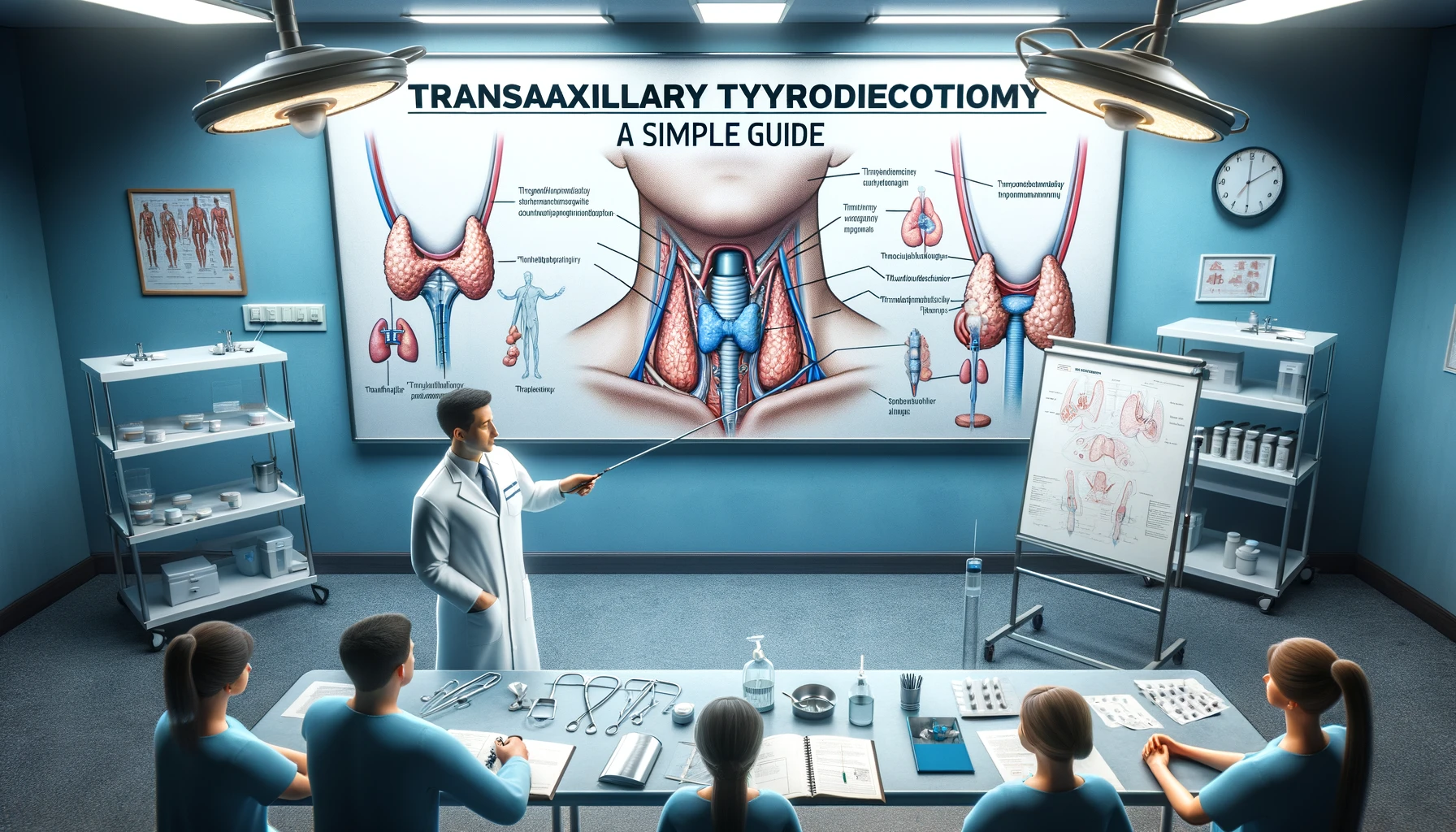
Introduction: Unveiling the Mystery Hey there, young explorers! Today, we’re diving into a fascinating world of science and medicine to learn about something called transaxillary thyroidectomy. It might sound like a tongue twister, but don’t worry, we’ll break it down together in a fun and easy way! What is Transaxillary Thyroidectomy? Okay, let’s start with the basics. Transaxillary thyroidectomy is a special kind of surgery that doctors use to remove a gland called the thyroid. Now, you might be wondering, what’s so special about it? Well, unlike other surgeries where doctors make cuts in the neck or throat, transaxillary thyroidectomy involves making a tiny cut in the armpit to reach the thyroid gland. Why Do People Need Transaxillary Thyroidectomy? The thyroid gland is like a superhero in your body. It helps control things like your energy levels, heart rate, and even how fast you grow. But sometimes, the thyroid can get sick and cause problems. When that happens, doctors might need to remove it to make you feel better. Let’s Talk Numbers: Stats About Thyroid Surgery Did you know that thyroid problems are quite common? In fact, millions of people around the world have issues with their thyroid glands. Sometimes, these problems can be fixed with medicine, but other times, surgery is the best option. Every year, thousands of people undergo thyroid surgery to help them feel healthier and happier. How Does Transaxillary Thyroidectomy Work? Now, let’s get into the nitty-gritty of how this surgery actually happens. Imagine your body is like a big puzzle, and the thyroid gland is one of the pieces hiding under your skin, near your throat. Instead of going through the front like most surgeons do, doctors who perform transaxillary thyroidectomy take a sneaky shortcut through the armpit! Using special tools and a tiny camera, they carefully navigate through the layers of tissue until they reach the thyroid gland. Once they find it, they can remove it without leaving any big scars on your neck. Benefits of Transaxillary Thyroidectomy One of the coolest things about transaxillary thyroidectomy is that it leaves behind hardly any visible scars. That means you can still wear your favorite tank tops and raise your arms up high without anyone knowing you had surgery! Not only that, but because the incision is in a less sensitive area, patients often experience less pain and a faster recovery compared to traditional thyroid surgery methods. Are There Any Risks? Like with any surgery, there are always some risks involved. While transaxillary thyroidectomy is considered safe, there’s a small chance of things like bleeding, infection, or damage to nearby structures like nerves or blood vessels. But don’t worry too much! Doctors are super skilled and take lots of precautions to keep you safe during surgery. Conclusion: Transaxillary thyroidectomy might be a big word, but now you know it’s just a fancy way of saying “surgery to remove the thyroid gland through the armpit.” Pretty cool, right? Just remember, if you ever hear someone talking about thyroid surgery or transaxillary thyroidectomy, you’ll be able to impress them with your newfound knowledge! And who knows, maybe one day you’ll grow up to be a doctor and perform these amazing surgeries yourself! Until then, keep asking questions, exploring the world around you, and never stop learning! References:
How To Detect Stage 3 Thyroid Cancer: Signs, Symptoms, and Diagnosis

stage 3 thyroid cancer

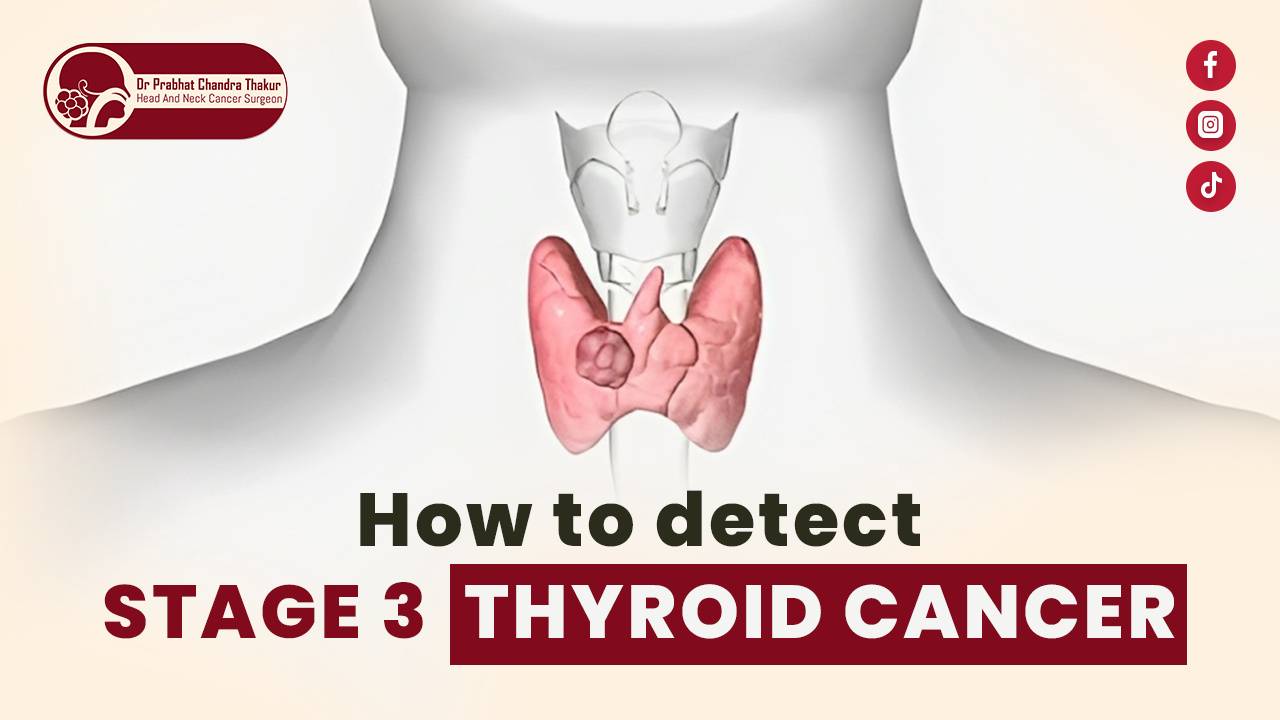
Introduction: Thyroid cancer, while relatively rare, can progress through different stages, with stage 3 indicating a more advanced level of spread. Early detection is crucial for effective treatment and improved outcomes. This article provides insights into the signs, symptoms, and diagnostic methods to detect stage 3 thyroid cancer. Signs and Symptoms: Detecting thyroid cancer in its early stages can be challenging as symptoms may be subtle or absent. However, as the cancer progresses, individuals with stage 3 thyroid cancer may experience the following signs: Changes in the Neck: Noticeable changes in the neck, such as swelling or the development of a lump (nodule), may be indicative of thyroid cancer. It’s important to monitor the size and consistency of any neck abnormalities. Voice Changes: Hoarseness or changes in voice quality may occur due to the involvement of the recurrent laryngeal nerve by the cancer. Difficulty Swallowing or Breathing: As the tumor grows and affects surrounding structures, individuals may experience difficulty swallowing or breathing. This can be a significant indicator of advanced disease. Persistent Cough: A persistent cough that is not associated with other respiratory conditions may be a symptom of thyroid cancer, particularly when the cancer has spread to nearby tissues. Pain in the Neck or Throat: Pain or discomfort in the neck or throat, especially in the absence of other explanations, should be evaluated, as it may be associated with advanced thyroid cancer. Diagnostic Methods: If symptoms or physical examination findings suggest the possibility of thyroid cancer, healthcare professionals may employ various diagnostic methods to confirm the diagnosis and determine the stage. These may include: Ultrasound Imaging: Ultrasound is a non-invasive imaging technique that can visualize the thyroid gland and identify any nodules or abnormalities. It helps determine the size and characteristics of thyroid lesions. Fine Needle Aspiration (FNA) Biopsy: FNA biopsy involves using a thin needle to extract a small tissue sample from the thyroid nodule. The sample is then examined under a microscope to assess whether cancer cells are present. CT Scan or MRI: Computed tomography (CT) scans or magnetic resonance imaging (MRI) may be used to provide detailed images of the thyroid gland and surrounding structures. These imaging techniques help evaluate the extent of tumor involvement. Blood Tests: Blood tests, such as thyroid function tests, may be conducted to assess the overall function of the thyroid gland and detect any abnormalities. Radioactive Iodine Scan: In some cases, a radioactive iodine scan may be performed to evaluate the thyroid’s ability to absorb iodine. This can help determine whether the cancer has spread beyond the thyroid. Conclusion: Detecting stage 3 thyroid cancer involves a combination of vigilant monitoring of symptoms, thorough physical examination, and diagnostic procedures. Individuals experiencing any of the mentioned symptoms, particularly those associated with advanced disease, should promptly consult with a healthcare professional. Early detection and accurate diagnosis are key factors in developing an effective treatment plan and improving the chances of successful outcomes for individuals with stage 3 thyroid cancer. Regular check-ups and open communication with healthcare providers contribute to proactive management and better overall health.